The City of Alexandria, Virginia holds a special place in the Washington, D.C. metropolitan area as a community where colonial-era architecture stands alongside modern development, and where strict electrical codes reflect both a commitment to public safety and the unique demands of preserving historic properties. From the cobblestone streets of Old Town Alexandria along the Potomac River waterfront to the residential neighborhoods of Del Ray, Seminary Hill, and the West End, homeowners must navigate a set of electrical code requirements that are both comprehensive and, in some cases, more stringent than surrounding jurisdictions. Understanding these codes is essential for any Alexandria homeowner planning electrical work, whether it is a simple kitchen renovation or a complete rewire of a historic rowhouse.
Key Takeaways
- The City of Alexandria enforces its own electrical codes and permit requirements, separate from Fairfax County and Arlington County.
- Properties in Old Town Alexandria and other designated historic districts face additional review requirements when exterior electrical work affects historic character.
- Current code requires AFCI protection in bedrooms and living areas, GFCI protection in kitchens, bathrooms, garages, and outdoor areas, and interconnected smoke and CO detectors.
- Unpermitted electrical work in Alexandria can complicate home sales, void insurance coverage, and result in fines from the city.
- Working with a licensed electrician experienced in Alexandria's specific requirements prevents costly rework and inspection failures.
Alexandria's Electrical Code Framework
The City of Alexandria adopts the Virginia Uniform Statewide Building Code, which incorporates the National Electrical Code with Virginia-specific amendments. However, Alexandria's enforcement and interpretation of these codes reflects the city's unique characteristics, particularly the prevalence of historic properties and the density of its urban neighborhoods.
Alexandria's Department of Code Administration oversees all electrical permits and inspections within city limits. This is an important distinction for homeowners, because properties just across the city boundary in Fairfax County fall under Fairfax County's building department instead. If you are unsure whether your address is within the City of Alexandria, checking your property tax records or contacting the city's code administration office will clarify which jurisdiction applies.
Key Electrical Code Requirements
Current electrical code in Alexandria requires several important protections that may not have been present when your home was originally built. Arc-fault circuit interrupter protection is required for all new circuits in bedrooms, living rooms, dining rooms, hallways, and closets. AFCI breakers detect dangerous arcing conditions in wiring and can prevent electrical fires before they start. Ground-fault circuit interrupter protection is required for all receptacles in kitchens, bathrooms, garages, unfinished basements, outdoor areas, and within six feet of any sink.
Smoke detectors and carbon monoxide detectors must be interconnected so that when one alarm activates, all alarms in the home sound. For new construction and major renovations, hardwired interconnected detectors with battery backup are required. Existing homes may use wireless interconnection for detector upgrades.
Old Town Alexandria: Historic District Electrical Challenges
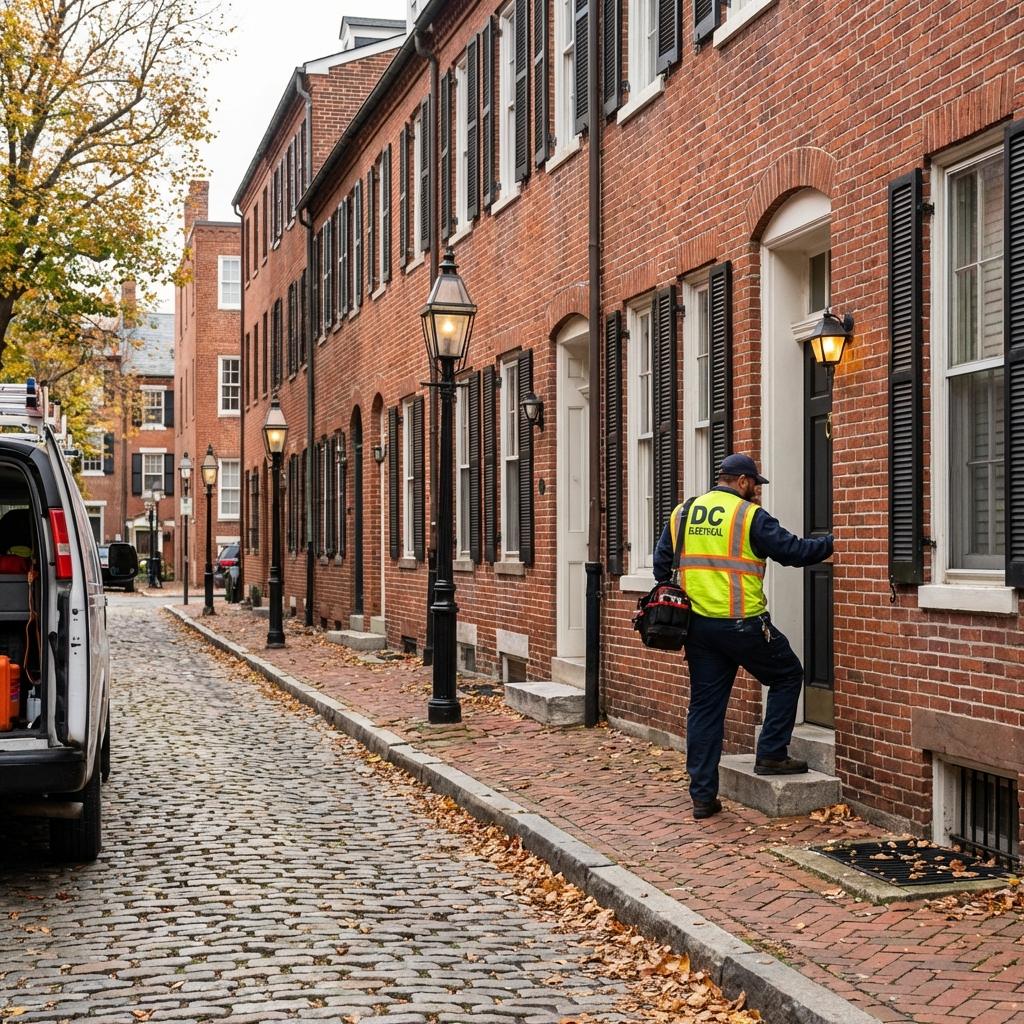
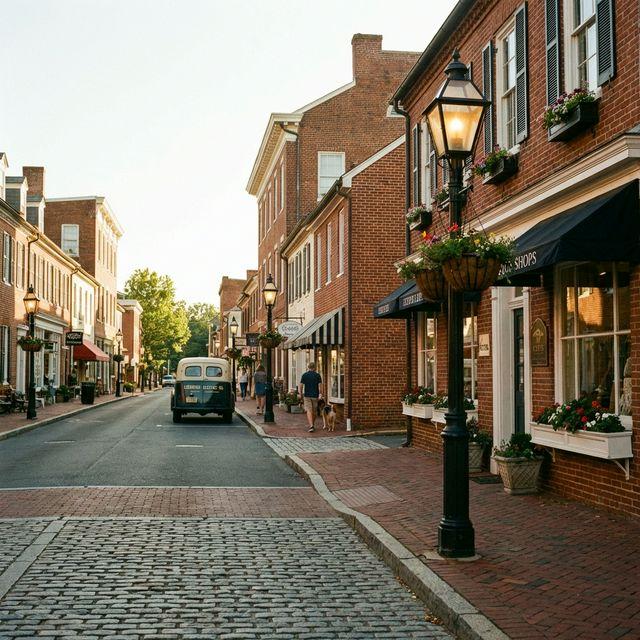
Old Town Alexandria is one of the most well-preserved historic districts on the East Coast, with buildings dating from the 1700s through the 1800s lining streets like Prince Street, King Street, and Cameron Street. Performing electrical work in these properties requires a combination of technical skill, respect for historic materials, and familiarity with the Board of Architectural Review process.
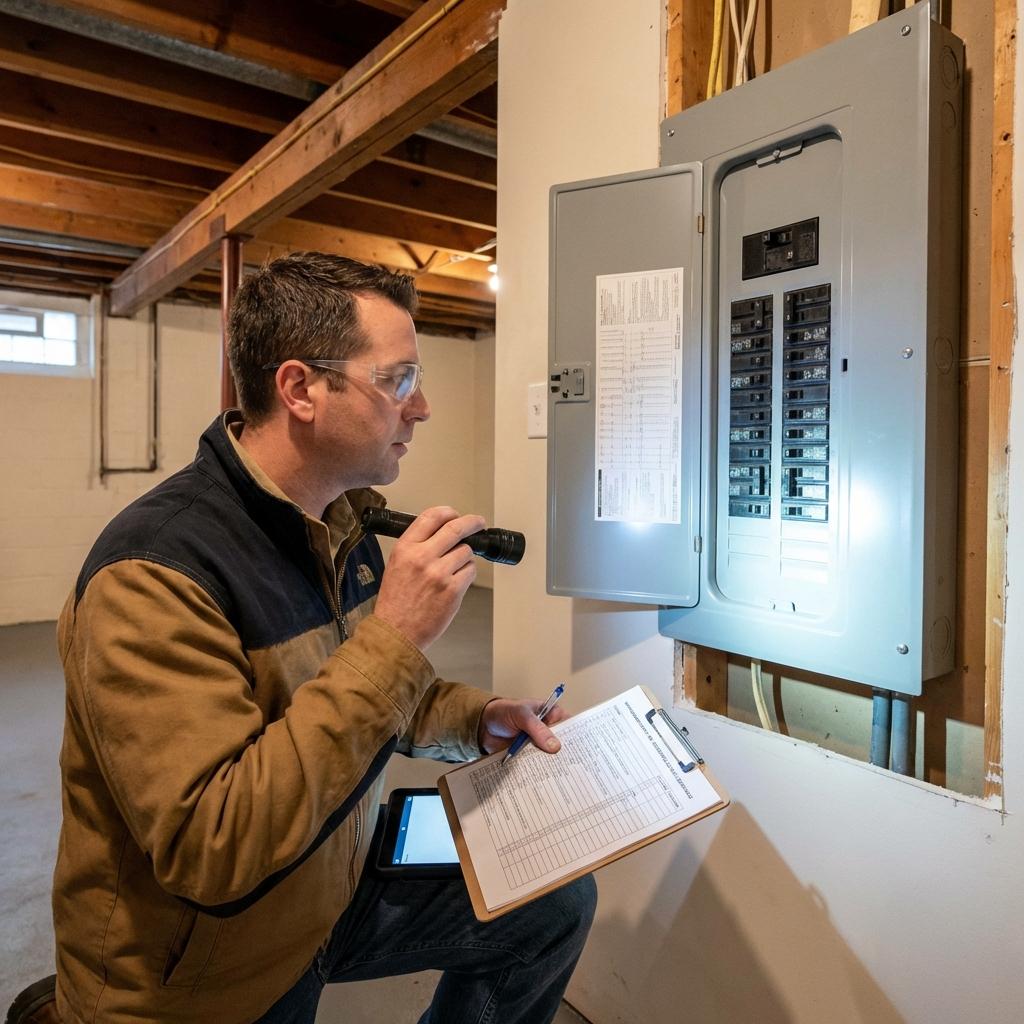
A professional electrical inspection identifies hidden hazards before they become emergencies. Our licensed electricians provide thorough safety inspections throughout Northern Virginia. Call (703) 997-0026 to schedule yours.
Board of Architectural Review Requirements
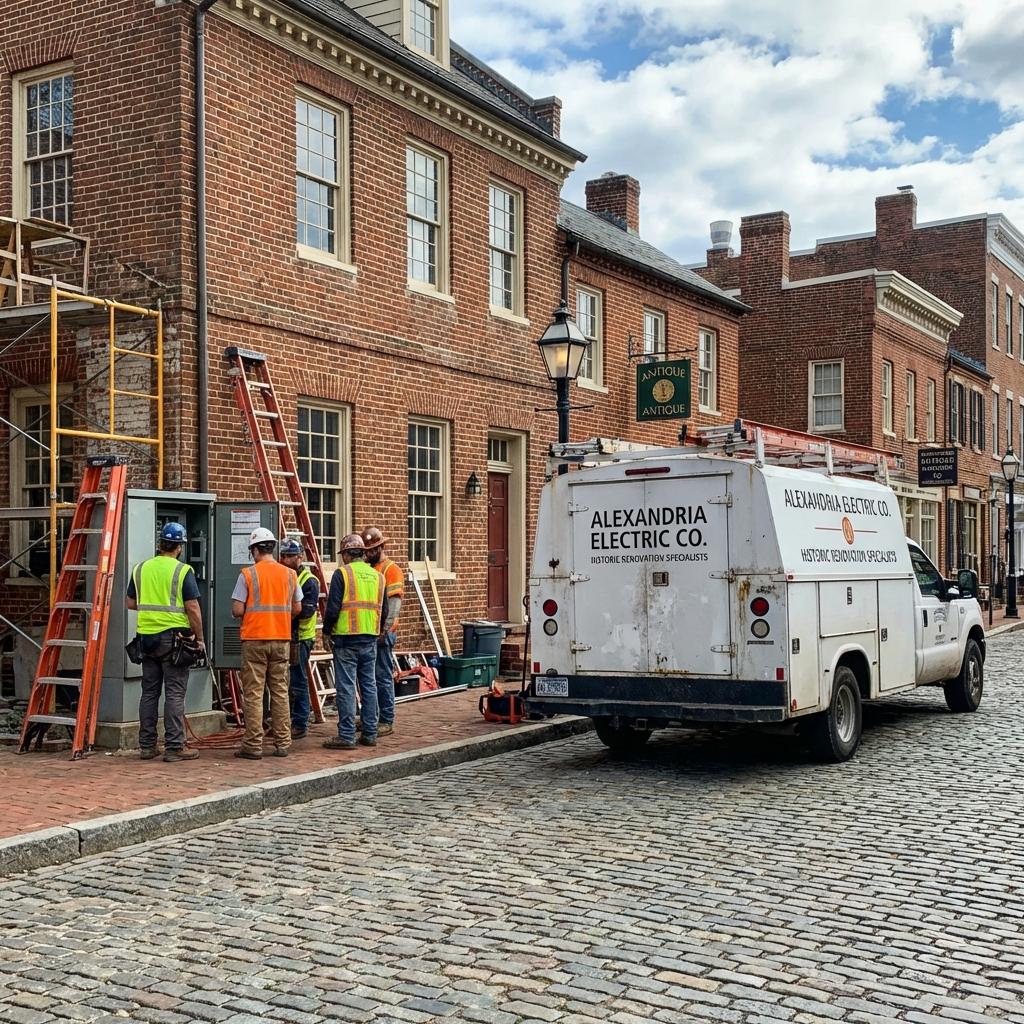
The BAR reviews exterior changes to properties within Alexandria's historic districts. While interior electrical work does not typically require BAR approval, any exterior changes such as new light fixtures visible from the street, exterior conduit runs, meter base relocations, or generator installations may require BAR review and approval before a building permit can be issued. This additional step can add two to four weeks to a project timeline, so planning ahead is essential.
Our approach to Old Town projects involves designing electrical installations that minimize or eliminate visible exterior changes. When exterior modifications are unavoidable, we prepare materials and documentation to support the BAR application process.
Interior Electrical Challenges in Historic Old Town Homes
Inside Old Town Alexandria's historic properties, electricians encounter challenges rarely seen in newer construction. Original wiring may include knob-and-tube systems from the early 1900s or even earlier gas-pipe conduit that was later converted to carry electrical wiring. Walls are typically plaster over brick or plaster over wood lath, making wire routing significantly more difficult than in modern drywall construction.
Panel space is often extremely limited in Old Town homes, with electrical panels squeezed into tight closets or basement alcoves that do not meet current clearance requirements. Upgrading a panel may require relocating it to a space with adequate clearance, which in turn requires rerouting the service entrance from Dominion Energy.
If you are purchasing a historic property in Old Town Alexandria, request a specialized electrical inspection beyond the standard home inspection. A licensed electrician can assess the age and condition of wiring, panel capacity, grounding systems, and code compliance issues that a general home inspector may miss.
Del Ray and Rosemont: Early 20th Century Neighborhoods
The Del Ray and Rosemont neighborhoods, centered around Mount Vernon Avenue and the Braddock Road Metro station respectively, feature charming early twentieth century homes that have become some of Alexandria's most desirable addresses. These bungalows, Colonials, and Cape Cods were typically built between the 1910s and 1940s, and their electrical systems reflect the standards of that era.
Common electrical issues in Del Ray and Rosemont homes include undersized panels ranging from 60 to 100 amps, knob-and-tube wiring in original sections of the home, ungrounded receptacles, and insufficient circuit capacity for modern kitchens and home offices. Many of these homes have been renovated over the decades, sometimes resulting in a mix of wiring types and methods that require careful evaluation before planning upgrades.
Kitchen and Bathroom Renovations
Kitchen and bathroom renovations are among the most popular projects in Del Ray and Rosemont, and they trigger significant electrical code requirements. A modern kitchen requires a minimum of two 20-amp small appliance circuits for countertop receptacles, a dedicated 20-amp circuit for the dishwasher, a dedicated circuit for the garbage disposal, and individual circuits for any appliance rated over 1,000 watts. GFCI protection is required for all kitchen countertop receptacles and any receptacle within six feet of a sink.
Seminary Hill, West End, and Newer Alexandria Neighborhoods
Alexandria's western neighborhoods, including Seminary Hill, the West End along the Van Dorn corridor, and communities near the Landmark area, feature homes from the 1950s through modern construction. These properties generally have more updated electrical systems than Old Town or Del Ray, but they still present common upgrade opportunities.
Homes from the 1950s through 1970s in these neighborhoods typically have 100-amp panels that need upgrading for modern loads. Properties from the 1980s and newer may have 200-amp service but lack dedicated circuits for EV chargers or home office equipment. Townhome communities in the West End area may have HOA requirements that affect electrical work scheduling and access.
The Alexandria Permit Process
The City of Alexandria requires permits for all electrical work beyond simple fixture and device replacements. This includes panel upgrades, new circuits, rewiring, generator installations, EV charger installations, and any work involving the service entrance.
Submitting and Managing Permits
Electrical permits in Alexandria are submitted through the city's online permitting portal. For standard projects, permits are typically issued within a few business days. Projects requiring plan review, such as major renovations or new construction, may take longer. After the permitted work is complete, a city inspector must verify code compliance before the permit is closed.
Only licensed electrical contractors can pull permits for electrical work in Alexandria. Homeowners cannot pull their own electrical permits in Virginia, which ensures that all permitted work is performed by qualified professionals.
Alexandria's code administration department offers a helpful pre-application consultation service. If you are planning a complex project, scheduling a pre-application meeting can clarify requirements, identify potential issues, and prevent surprises during the permit review process.
EV Charger Installation in Alexandria
Electric vehicle adoption is growing rapidly in Alexandria, and home charging is the most practical solution for daily driving needs. However, Alexandria's urban density and limited parking configurations create challenges that require creative electrical solutions.
In Old Town and Del Ray, many homes have detached garages accessed from rear alleys, requiring long conduit runs from the main panel. Some homes rely on street parking, making home EV charging impractical without dedicated off-street parking. For townhome communities, installation requires HOA coordination and often involves running circuits through shared structures.
Trust AJ Long Electric for Your Alexandria Project
AJ Long Electric brings deep experience with Alexandria's specific electrical challenges, from rewiring historic Old Town rowhouses to installing EV chargers in Del Ray bungalows and upgrading panels in West End townhomes. Our team understands the city's permit process, historic district requirements, and the nuances of working in Alexandria's diverse housing stock. Contact AJ Long Electric today for a comprehensive evaluation of your Alexandria home's electrical needs and a clear, detailed plan for bringing your system up to modern standards while respecting your property's character.
Tags:

Written by
AJ Long Electric Team
Licensed Electricians
Our team of licensed electricians brings over 40 years of combined experience serving Northern Virginia. We're committed to providing expert electrical solutions with a focus on safety, quality, and customer satisfaction.
Reviewed by AJ Long Electric Master Electricians · VA License #2705031092 · View Credentials