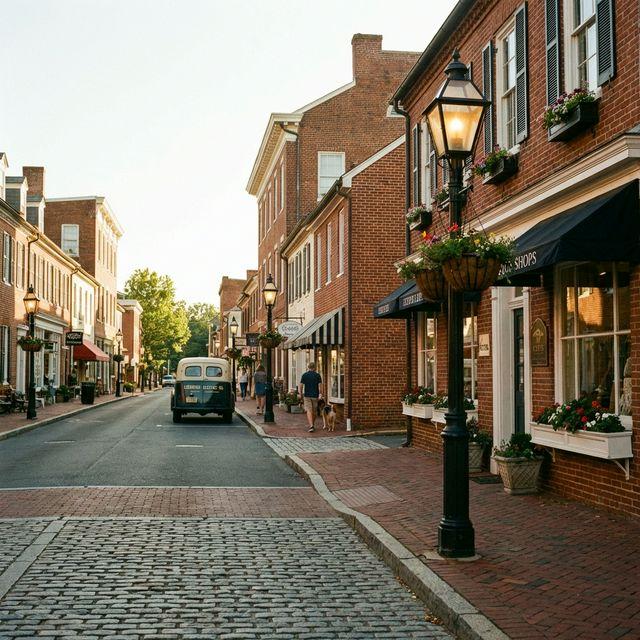
Leesburg, Virginia is the historic county seat of Loudoun County, a charming town that beautifully blends its 18th-century heritage with the modern growth that has made western Loudoun County one of the most desirable areas in the Washington, D.C. metropolitan region. The contrast is striking: walk down King Street or Market Street in downtown Leesburg and you are surrounded by Federal and Colonial-era buildings that predate the American Revolution, then drive a few miles south or east and you enter contemporary developments like Lansdowne, River Creek, and Tuscarora Creek with homes featuring every modern amenity. This remarkable spectrum of construction ages and styles creates an equally diverse range of electrical needs, and Leesburg homeowners require an electrician who is as comfortable rewiring a 200-year-old stone farmhouse as installing a comprehensive smart home system in a brand-new colonial. Finding that combination of historic sensitivity and modern technical expertise is the key to successful electrical work in Leesburg.
Key Takeaways
- Leesburg's downtown historic district contains buildings from the 1700s and 1800s with electrical systems ranging from original knob-and-tube to multiple generations of updates, requiring careful evaluation and skilled rewiring.
- Newer Leesburg developments like Lansdowne, River Creek, and Tuscarora Creek have modern 200-amp electrical systems but may need upgrades for EV chargers, home offices, and smart home technology.
- The Town of Leesburg has its own historic district requirements that may apply to exterior electrical work on downtown properties, in addition to Loudoun County permit requirements.
- Rural properties in the Leesburg area may have unique electrical considerations including long service runs, well pump circuits, and agricultural electrical needs.
- Generator installations are particularly popular in Leesburg due to the town's exposure to storms and the rural character of surrounding areas where power restoration can take longer.
Historic Downtown Leesburg: Electrical Challenges and Solutions
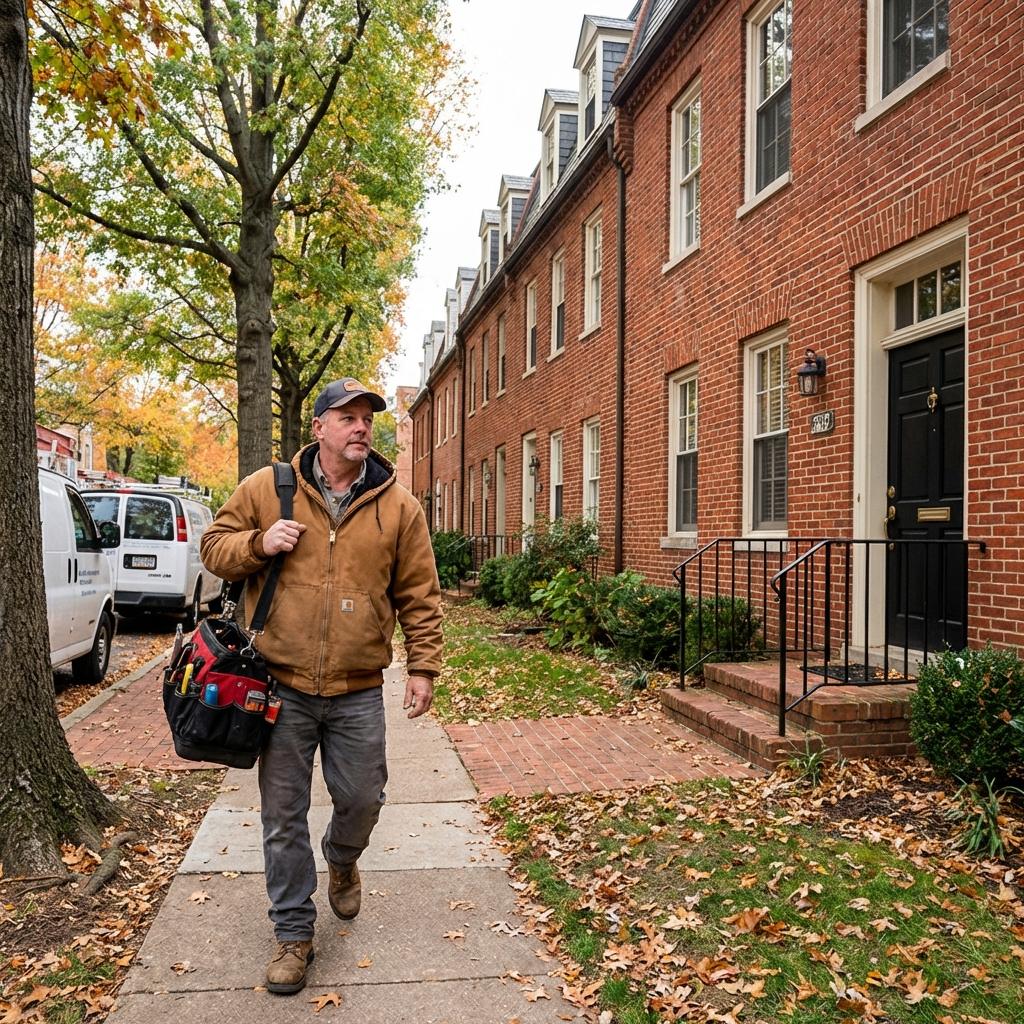
Downtown Leesburg's historic core, centered around the Loudoun County courthouse and extending along King Street, Market Street, and the surrounding residential blocks, contains some of the oldest continuously occupied buildings in Northern Virginia. Many of these structures date from the late 1700s and early 1800s, with later Victorian-era additions and modifications creating a rich architectural tapestry.
Wiring Conditions in Historic Properties
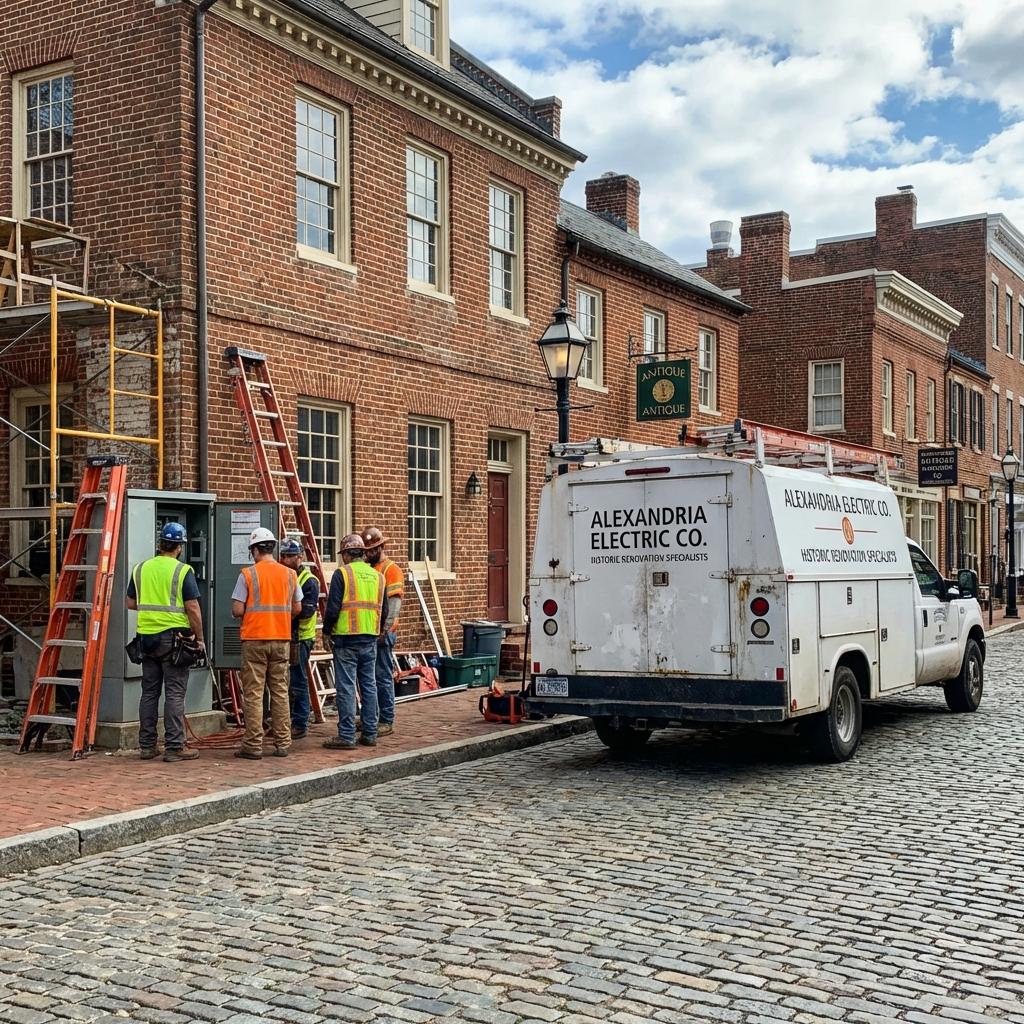
The electrical systems in downtown Leesburg's historic buildings reflect every era of electrical technology. The oldest buildings may contain remnants of gas-to-electric conversions from the early 1900s, with wiring originally run through existing gas pipe conduits. Knob-and-tube wiring from the 1910s through 1930s is common in unrenovated sections. Later additions may include cloth-insulated Romex from the 1940s and 1950s, early plastic-insulated Romex from the 1960s, and modern NM-B cable from recent renovations. This layered history requires careful evaluation to determine which wiring can remain in service and which must be replaced.
Panel capacity in downtown Leesburg homes is frequently inadequate, with many properties still operating on 60 or 100 amp panels that were installed decades ago. The compact footprints of these historic homes make finding suitable locations for new panels challenging, as modern code requires specific clearances that old basements, closets, and utility areas may not provide.
Historic District Considerations
The Town of Leesburg maintains a historic district with design review requirements for exterior modifications. While interior electrical work proceeds through the standard Loudoun County permit process, exterior changes such as new meter bases, visible conduit runs, exterior lighting modifications, and generator installations may require approval from the town's historic review process. Our approach to downtown Leesburg projects emphasizes designing electrical installations that minimize or eliminate visible exterior changes, preserving the historic streetscape that makes downtown Leesburg so special.
If you own a historic property in downtown Leesburg and are considering electrical upgrades, combine as much work as possible into a single project. Opening walls and ceilings for wire routing is the most disruptive aspect of electrical work in historic homes, so performing a panel upgrade, rewire, and new circuit additions all at once minimizes the total disruption and restoration work compared to doing these projects separately over time.
Newer Leesburg Communities: Modern Electrical Needs
Leesburg's newer developments provide a stark contrast to the downtown core, with modern homes built to current electrical standards and equipped with 200-amp panels, copper wiring, and generous circuit counts.
Whether it is a simple repair or a major electrical project, our licensed team is ready to help. Serving all of Northern Virginia with transparent pricing and expert workmanship. Call (703) 997-0026 today.
Lansdowne and River Creek
These upscale communities feature homes ranging from 2,500 to 6,000 square feet or more, with electrical systems that provide a strong foundation for modern demands. Common upgrade requests in these communities include EV charger installations, smart home system integration, home theater wiring, landscape lighting, and generator installations. The larger homes in these communities may have electrical demands approaching the limits of their 200-amp service when multiple large loads like EV chargers, heat pumps, and pool equipment are considered.
Tuscarora Creek and Newer Developments
Leesburg's newest communities feature the most current construction standards, and many homes include pre-wiring for EV chargers, structured cabling for networking, and smart home readiness. Even these well-equipped homes may need additions as homeowners customize their properties, but the modern infrastructure makes upgrades straightforward and cost-effective.
Rural Leesburg Properties
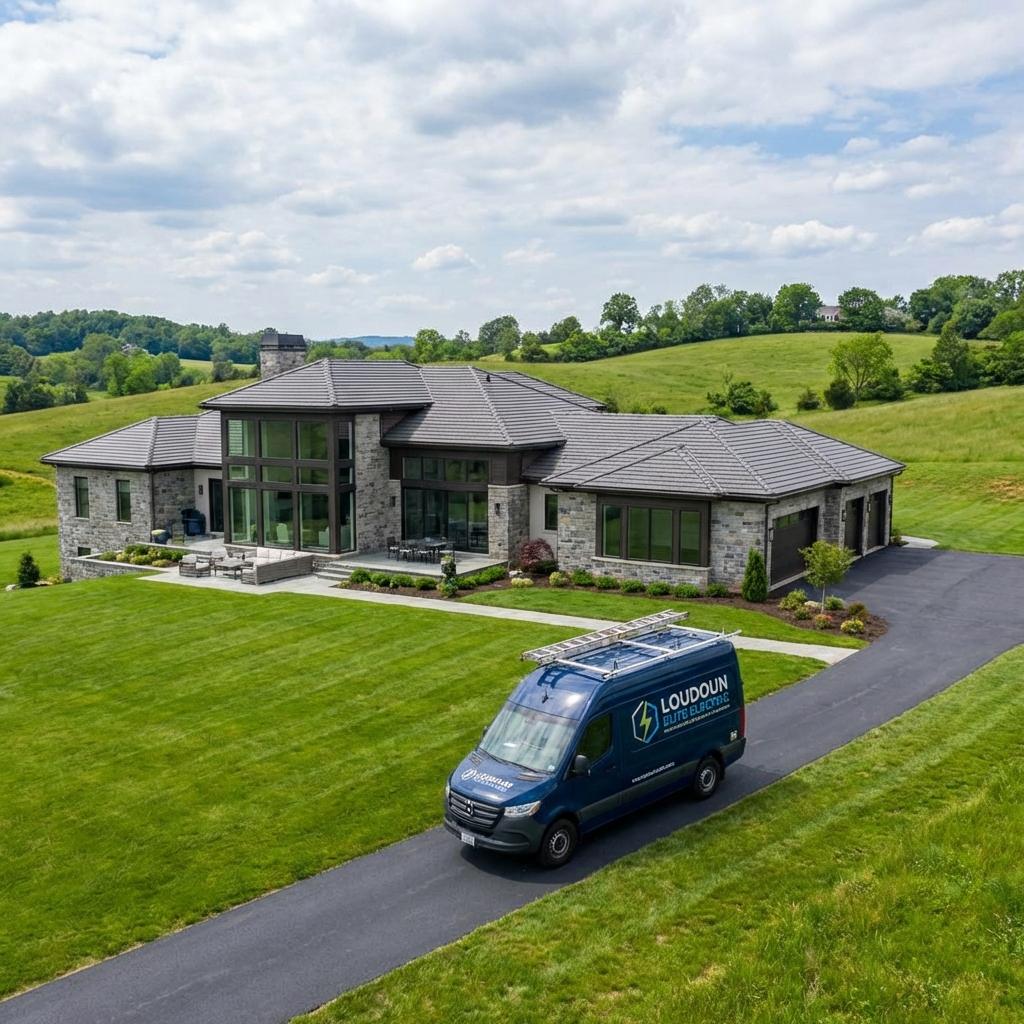
The areas surrounding Leesburg include rural properties, horse farms, and estate homes on large acreages that have their own unique electrical considerations.
Long Service Runs
Rural properties may have electrical service runs from the utility transformer to the home that span hundreds of feet, resulting in voltage drop that can affect equipment performance. If you notice lights dimming when large loads start, equipment running less efficiently, or voltage readings below acceptable ranges, the service entrance may need upgrading with larger conductors to reduce voltage drop over the long distance.
Outbuilding and Agricultural Electrical
Barns, workshops, horse stables, riding arenas, and other outbuildings on rural Leesburg properties require their own electrical systems, typically fed from sub-panels connected to the main home panel or from separate services. These installations must meet NEC requirements for agricultural buildings, including specific wiring methods, equipment ratings, and grounding requirements that differ from residential standards. Proper lighting in stables and riding arenas, heater circuits for water troughs, and power for agricultural equipment all require professional design and installation.
Generator Installations for Leesburg Properties
Generator installations are particularly popular in the Leesburg area for several reasons. The town's location in western Loudoun County means power restoration after storms can take longer than in more densely developed areas closer to Northern Virginia's core. Rural properties with overhead power lines running through wooded areas are especially vulnerable to storm-related outages. And many Leesburg homeowners have invested in properties and lifestyles that depend on reliable power for well pumps, sump pumps, livestock facilities, and other critical systems.
Sizing and Fuel Considerations
Generator sizing for Leesburg properties varies widely based on the loads to be protected. A modest townhome may need only a 16 to 20 kilowatt unit, while a large estate with multiple HVAC systems, a pool, and outbuildings may require 48 kilowatts or more. Natural gas from Columbia Gas of Virginia is available in most developed areas of Leesburg. For rural properties without natural gas, propane generators with on-site storage tanks are the standard solution, with tank sizes ranging from 250 to 1,000 gallons depending on generator size and desired runtime between deliveries.
Leesburg homeowners with well water should consider a generator a near-necessity rather than a luxury. Without electricity, your well pump cannot operate, and you have no water for drinking, cooking, bathing, or flushing toilets. Even a modest generator that covers the well pump and essential household circuits provides basic livability during extended outages that would otherwise make the home uninhabitable.
EV Charger Installation in Leesburg
Electric vehicle adoption in Leesburg is growing steadily, and home charging provides the most convenient and cost-effective solution for daily driving. Most Leesburg homes have attached garages that accommodate EV charger installation well. Installation involves a dedicated 240-volt circuit from the panel to the charger location, charger mounting and connection, and a Loudoun County electrical permit. For homes with 200-amp panels, installation is typically straightforward. Older homes or properties with 100-amp panels may need a panel upgrade before the charger can be added.
Smart Home Systems for Leesburg Homes
Leesburg homeowners are increasingly embracing smart home technology for lighting control, climate management, security, and entertainment. For newer homes, smart switch and device installation is generally straightforward. For historic properties, smart home integration requires more careful planning to work within the constraints of older wiring and construction while providing modern control capabilities.
AJ Long Electric: Serving All of Leesburg
AJ Long Electric serves Leesburg homeowners from the historic downtown core to the newest suburban developments and surrounding rural properties. Our team brings the versatility and technical depth that Leesburg's diverse housing stock demands, whether the project involves careful rewiring of a historic King Street property, EV charger installation in a Lansdowne colonial, or generator installation for a rural estate. We handle all Loudoun County permitting and coordinate with the town's historic review process when applicable. Contact AJ Long Electric today for a thorough assessment of your Leesburg property's electrical needs.
Tags:

Written by
AJ Long Electric Team
Licensed Electricians
Our team of licensed electricians brings over 40 years of combined experience serving Northern Virginia. We're committed to providing expert electrical solutions with a focus on safety, quality, and customer satisfaction.
Reviewed by AJ Long Electric Master Electricians · VA License #2705031092 · View Credentials