
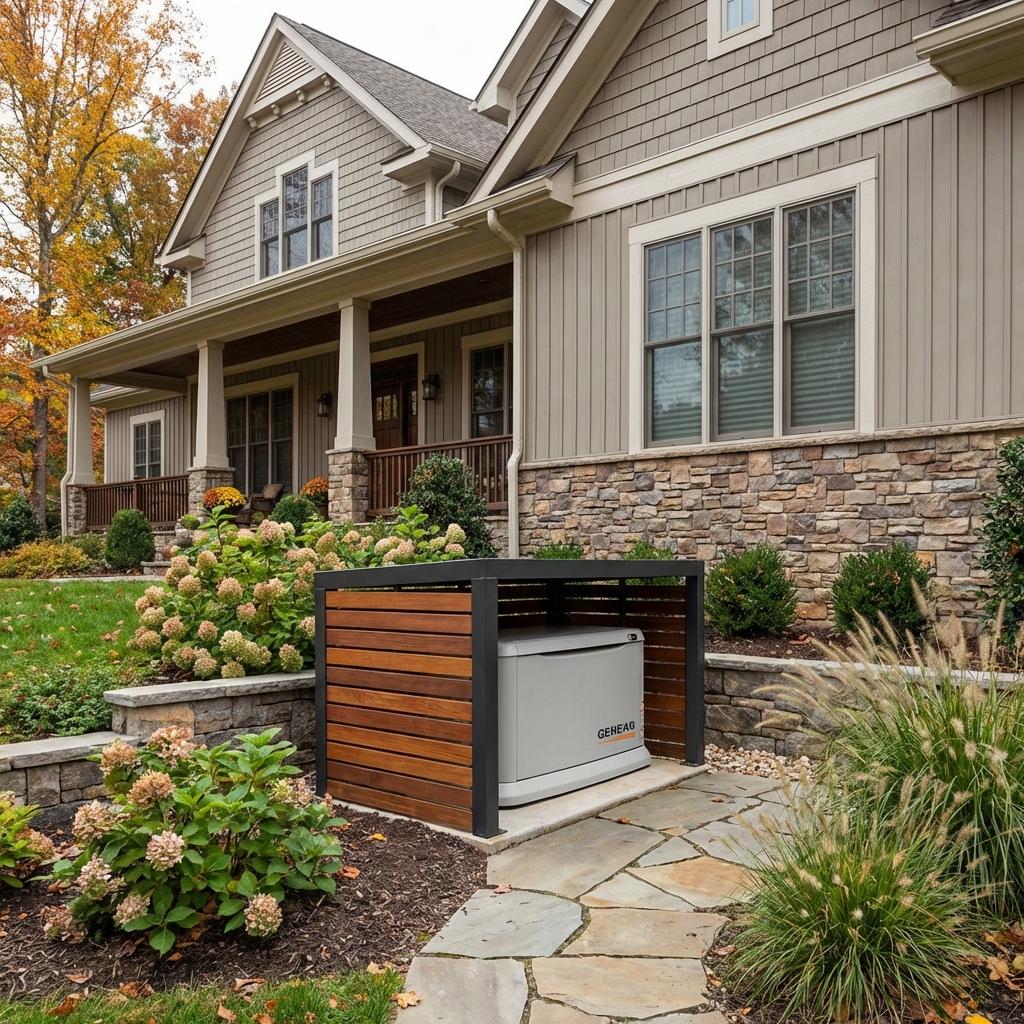
Generator Installation Guide: Whole-Home Backup Power in Virginia
A comprehensive guide to whole-home generator installation in Virginia. Learn about generator types, sizing, fuel...
13 min read
Read 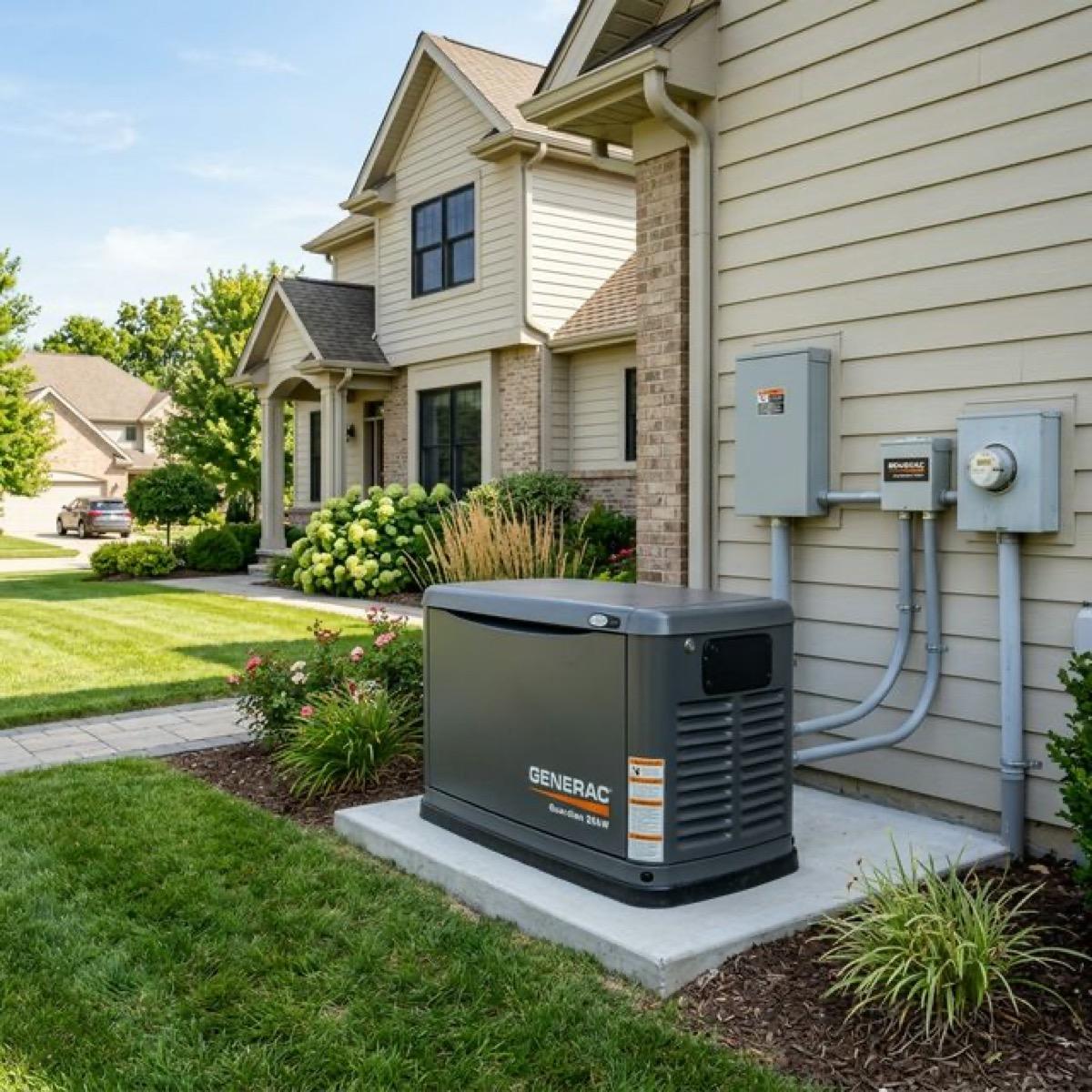
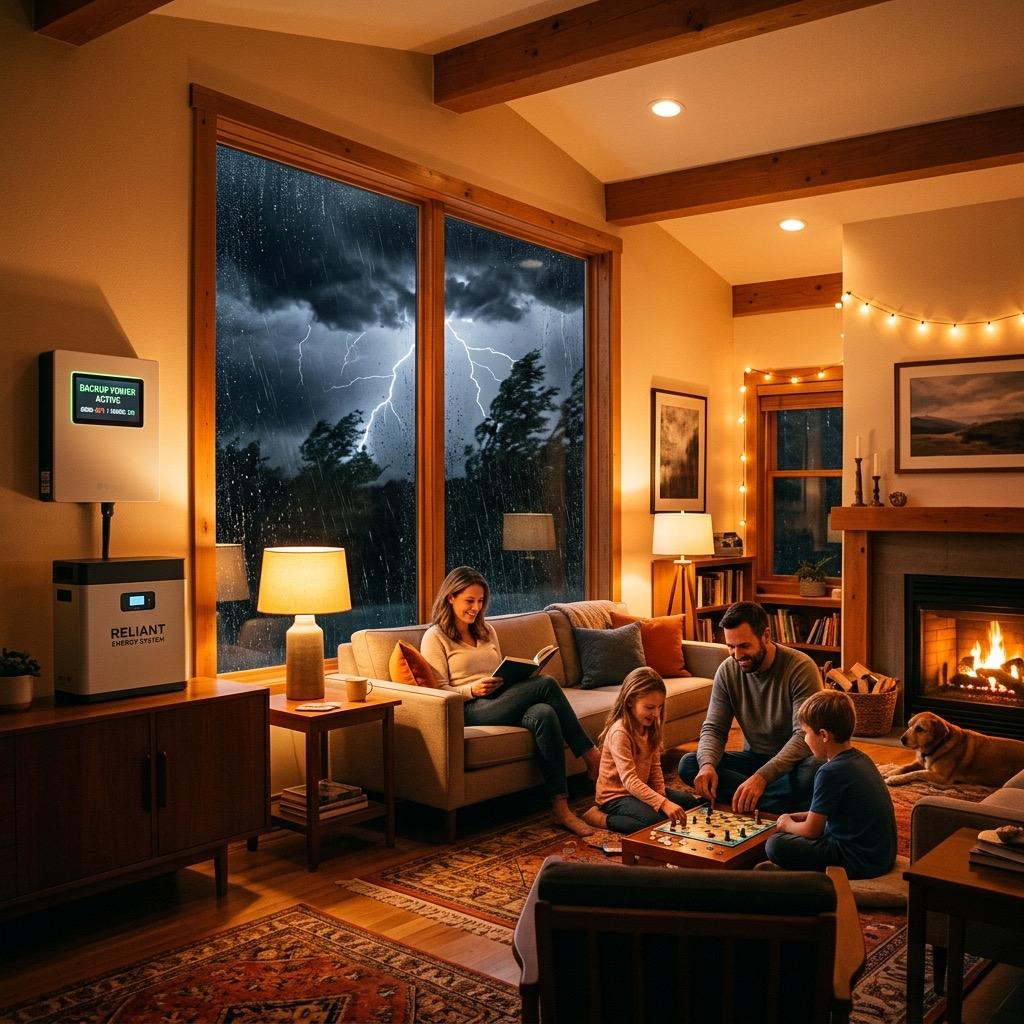
Never lose power again with reliable standby generator solutions.
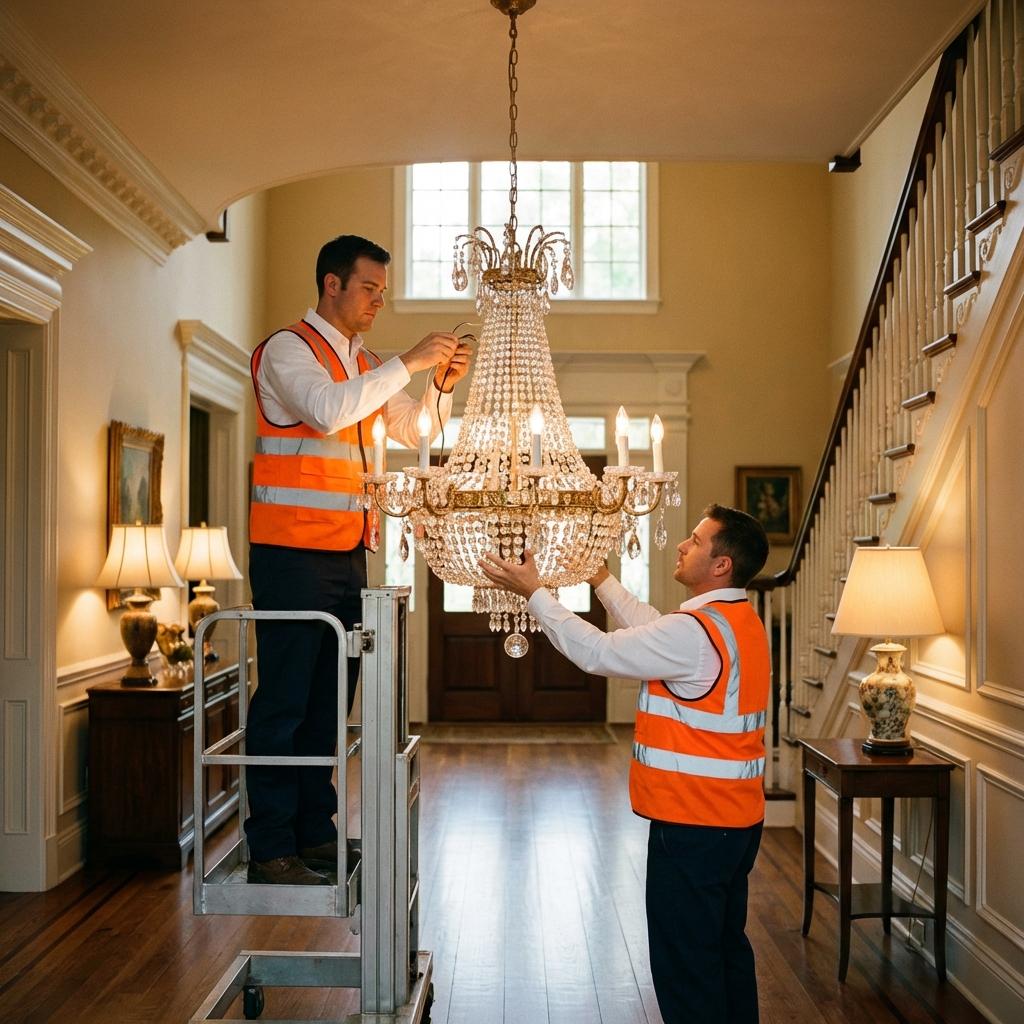
Power outages can strike at any time -- from summer storms and ice events to grid failures that leave Northern Virginia neighborhoods in the dark for days. A whole-home standby generator detects an outage and automatically restores power to your essential or whole-home circuits within 10-30 seconds through an automatic transfer switch, with no manual intervention required even if you are away from home. As a Generac Authorized Dealer and Kohler Certified Installer, we size, install, and service generators ranging from 12kW essential-circuit units to 30kW+ whole-home systems. We help you choose between natural gas and propane fuel sources based on your property's existing infrastructure and runtime requirements. Every installation includes a properly rated automatic transfer switch, a reinforced concrete pad, professional gas line connection, and full coordination with Dominion Energy and your local jurisdiction for electrical and gas permits. Our team handles everything from initial load calculations and site evaluation to HOA approval documentation and noise ordinance compliance. We also offer annual maintenance plans to keep your generator ready when the next storm hits, because a generator that is not maintained is a generator that will not start when you need it most.
Turns on automatically when the grid goes down, 24/7.
Power everything from HVAC to internet and medical devices.
Never worry about spoiled food or freezing pipes during storms.
A professionally installed standby generator adds $3,000-$5,000 in resale value and is a top-requested feature for home buyers.
Natural gas generators run indefinitely during extended outages while propane units provide days of backup from a single tank fill.
Our licensed electricians are ready to assist you in Northern Virginia.
Serving Fairfax, Arlington, Alexandria, Loudoun, and Prince William Counties.
Fairfax, Arlington, Alexandria, Loudoun & Prince William Counties
Northern Virginia's location along the Mid-Atlantic coast exposes it to a unique combination of severe weather events that make standby generators particularly valuable. Summer thunderstorms and occasional derecho-strength wind events frequently down trees onto power lines in the region's heavily wooded neighborhoods, while winter ice storms coat overhead lines and cause widespread outages lasting days. The 2012 derecho left over a million Dominion Energy customers without power for up to a week, and similar events continue to strike the area regularly. Unlike areas with underground utilities, much of Northern Virginia's residential power distribution relies on overhead lines running through mature tree canopy, making outages virtually inevitable. The region's high concentration of remote workers and government contractors who need reliable internet and computing power has driven a surge in generator installations since 2020. Natural gas availability varies across the region -- most of Fairfax and Arlington counties have gas service, while portions of Loudoun and Prince William counties rely on propane. Dominion Energy's service territory covers all of Northern Virginia, and their interconnection requirements for standby generators are standardized across jurisdictions, simplifying the permitting process.
See how we have helped homeowners across Northern Virginia with their generator solutions needs.
Challenge
After the 2024 summer derecho left their neighborhood without power for five days, the homeowners decided they could not risk another extended outage. Both adults work from home, they have a basement sump pump critical for flood prevention, and their elderly parent relies on a CPAP machine for sleep apnea.
Solution
AJ Long Electric installed a Generac 24kW whole-home standby generator on a reinforced concrete pad beside the home. We ran a new gas line from the existing meter, installed a 200-amp automatic transfer switch, and configured the system to power every circuit in the home including the HVAC system.
Result
During the next outage three months later, the generator activated within 12 seconds and the family did not lose a single minute of work or comfort. The sump pump ran continuously through the storm, preventing the basement flooding their neighbors experienced.
Challenge
A software engineer working from home needed reliable backup power for his home office, internet equipment, and refrigerator, but the townhome's compact lot and HOA restrictions limited options. The HOA required pre-approval for any exterior equipment and enforced strict noise limits of 65 dB at the property line.
Solution
We installed a compact Generac 16kW generator with the QuietTest feature, positioning it in the only HOA-approved location along the side of the unit. A 100-amp essential-circuit transfer switch powers the home office, kitchen, and network closet. We provided architectural drawings and sound specifications to the HOA for approval.
Result
The HOA approved the installation on the first submission, and the generator operates well below their 65 dB noise limit. The homeowner has maintained uninterrupted work through three subsequent power outages.
Challenge
The homeowners lived in a neighborhood without natural gas service and experienced four extended outages in two years. Their well pump and septic system both require electricity, meaning any outage left them without water and sewage capacity. They had been relying on a portable generator that required constant refueling.
Solution
AJ Long Electric installed a Kohler 20kW propane standby generator with a 500-gallon underground propane tank. We coordinated with a local propane supplier for tank installation, ran the gas line and electrical connections, and installed a whole-home automatic transfer switch to power all circuits.
Result
The 500-gallon tank provides approximately seven days of continuous runtime at typical load. The homeowners no longer worry about refueling during storms, and their well pump and septic system operate without interruption during any outage.
Challenge
A 9,000 sq ft estate with a pool house, detached four-car garage, and extensive landscape lighting had electrical loads exceeding what a single residential generator could handle. The property also had a home theater, wine cellar with climate control, and a commercial-grade kitchen that all required uninterrupted power.
Solution
We designed a dual-generator system with a Generac 30kW unit powering the main house and a Kohler 14kW unit dedicated to the pool house and garage. Both generators connect through coordinated automatic transfer switches, and we installed a generator management system to sequence loads and prevent overloading during startup.
Result
The dual system provides complete whole-property backup with redundancy. During a 48-hour outage, every system on the property operated normally, including the pool heater and wine cellar climate control. The homeowner described it as seamless.
Permit requirements for generator solutions vary by county. We handle the entire permitting process for you.
Permit Process
Fairfax County requires both an electrical permit for the transfer switch and a mechanical/gas permit for the generator and gas line. Applications are submitted through Land Development Services and typically take 3-5 business days. Both permits must be obtained before installation begins.
Inspection Notes
Fairfax requires separate electrical and gas inspections. The electrical inspector verifies transfer switch installation and backfeed prevention. The gas inspector checks line pressure, connections, and proper venting clearances.
Special Requirements
Permit Process
Loudoun County requires electrical and gas permits for generator installations. The Department of Building and Development processes applications in 2-4 business days. Loudoun also requires a zoning review for generator placement to confirm setback compliance.
Inspection Notes
Loudoun inspectors verify setback distances from property lines and structures, gas line integrity, and proper transfer switch operation. A final test demonstrating automatic start and transfer is often required.
Special Requirements
Permit Process
Prince William County processes generator permits through Development Services. Both electrical and gas permits are required. Applications are typically reviewed within 2-3 business days, and the county allows combined inspections to minimize scheduling burden on the homeowner.
Inspection Notes
Prince William inspectors check transfer switch installation, gas line pressure testing, generator setback compliance, and proper grounding. They require a live test of the automatic transfer during inspection.
Special Requirements
Permit Process
Arlington County has strict generator placement requirements due to its dense residential zoning. Electrical and gas permits are processed through the Inspections Services Division, typically within 1-3 business days. A site plan showing generator placement relative to property lines and neighboring structures is required.
Inspection Notes
Arlington inspectors are particularly attentive to noise levels and setback distances given the county's urban density. They verify exhaust direction away from neighboring windows and confirm the generator meets manufacturer placement specifications.
Special Requirements
Transparent pricing with options to fit your budget and project scope. Every tier includes our quality guarantee.
$8,000-$12,000
Essential-circuit standby generator protecting your most critical systems during outages.
$12,000-$18,000
Whole-home standby generator that powers every circuit in your home including HVAC and high-draw appliances.
$18,000-$30,000
Large-capacity generator system for estates and high-demand homes with comprehensive backup power.
Prices may vary based on the specific requirements of your project, the condition of existing electrical systems, and your home's unique characteristics. Contact us for a free, no-obligation estimate tailored to your needs.
Different home styles have unique electrical characteristics. Select your housing type to see specific considerations.
Colonial homes in Vienna, McLean, and Fairfax often sit on half-acre or larger lots that provide adequate space for generator placement, but mature landscaping can complicate access. The panel location in the basement means transfer switch wiring must route from the outdoor generator through the foundation wall, requiring careful waterproof penetrations and proper conduit routing.
We follow a proven process to ensure your project is completed safely, on time, and to your complete satisfaction.
We evaluate which circuits and appliances you need to power during outages and calculate the required generator capacity.
We identify the optimal generator location considering setbacks, fuel access, noise, and transfer switch routing.
Based on your needs and budget, we recommend appropriate Generac, Kohler, or other brand options with detailed specifications.
You receive a complete estimate covering the generator, transfer switch, concrete pad, gas line work, and all permits.
We obtain electrical and gas permits and coordinate with your gas company for meter or line upgrades if needed.
We install the concrete pad, set the generator, install the automatic transfer switch, and connect fuel and electrical lines.
We test the complete system, demonstrate operation and maintenance needs, and register your warranty.
Get answers to common questions about our generator solutions services.
Generator sizing depends on what you want to power. A 12-16kW generator handles essential circuits (refrigerator, sump pump, lights, internet, a few outlets). A 20-24kW unit can power most of a typical home including AC. Whole-home coverage for larger houses may require 30kW or more. We perform a load calculation to recommend the right size.
Modern standby generators detect power loss and start automatically within 10-30 seconds. The automatic transfer switch seamlessly shifts your home from grid power to generator power without any action needed from you, even if you're away or asleep.
Yes, standby generators need annual maintenance including oil changes, filter replacement, and system testing. Most generators run a brief weekly self-test automatically. We offer maintenance plans to keep your generator ready when you need it most.
Yes, generators and solar systems can work together. The generator provides backup during extended outages or at night when solar isn't producing. Proper installation requires coordination between systems to prevent backfeed issues. We work with solar installers to ensure safe integration.
Standby generators run on natural gas or propane (LP). Natural gas is convenient if you have an existing gas line and provides unlimited fuel supply. Propane requires a tank but is available in areas without natural gas service. We help you choose based on your property and preferences.
Modern generators are quieter than ever, typically producing 65-70 decibels at rated load, similar to a normal conversation. Manufacturers use sound-dampening enclosures and mufflers. We follow setback requirements from property lines and consider placement near bedrooms.
Yes, generator installations require electrical and often gas permits in Fairfax, Loudoun, and Prince William counties. Some HOAs also require architectural approval. We handle all permit applications and inspections as part of our installation service.
Whole-home standby generators in Virginia typically cost $8,000-$20,000 fully installed, including the unit, transfer switch, concrete pad, and permits. A 16-20kW generator for average homes runs $10,000-$14,000. Larger 22-26kW units for bigger homes cost $14,000-$18,000. We provide detailed quotes after assessing your specific needs.
Natural gas generators can run indefinitely as long as gas service continues. Propane generators run until the tank is empty - a 500-gallon tank provides roughly 5-7 days of typical use. Generator runtime depends on the load being powered; running AC continuously uses more fuel than essential circuits only.
Both Generac and Kohler are excellent choices. Generac dominates the residential market with more service technicians and parts availability. Kohler offers premium build quality and slightly quieter operation at higher price points. We install both brands and recommend based on your budget, size needs, and service preferences.
Portable generators cost less upfront but require manual setup each time. They need refueling every 8-12 hours, cannot be used during evacuation, and are less safe due to carbon monoxide risks. We can install a manual transfer switch for portable generators or upgrade you to fully automatic standby power.
Standby generators automatically detect when grid power is restored. The automatic transfer switch waits a few minutes to ensure power is stable, then seamlessly switches your home back to utility power. The generator runs briefly to cool down, then shuts off automatically - no action required from you.
Every home is different. Here are the factors that influence pricing for generator solutions services.
Get Your Free Estimate
Contact us for a no-obligation quote tailored to your specific needs. We provide upfront, transparent pricing with no hidden fees.
1-2 days
$8,000-$20,000 (fully installed)
Generac and Kohler generators include a 5-year manufacturer warranty covering the engine, alternator, and control board. Our installation carries a 1-year workmanship warranty. Extended warranty options are available up to 10 years, and our annual maintenance plans help preserve warranty coverage.
Explore other electrical services that complement generator solutions.
Upgrade your home's electrical capacity with safe, modern panel installations.
Whole-home protection against damaging power spikes.
Integration for smart switches, thermostats, and video doorbells.
Expert diagnosis and repair for flickering lights, dead outlets, and more.
AJ Long Electric is a Generac Authorized Dealer and Kohler Certified Installer, meaning our technicians receive factory training on the two leading standby generator brands in the residential market. We have installed generators across every corner of Northern Virginia, from compact townhome units in Reston to multi-generator estate systems in Great Falls, and we understand the specific challenges each property type presents. Our full-service approach means you deal with one company from initial consultation through final inspection -- we handle the electrical work, gas line installation, concrete pad, Dominion Energy coordination, permits in every local jurisdiction, and warranty registration. We do not subcontract any portion of the installation. Our load calculation process is thorough, ensuring your generator is sized correctly the first time so it handles your full electrical demand without undersizing or wasting money on excessive capacity. We also offer annual maintenance plans that include oil changes, filter replacements, battery checks, and transfer switch testing, because a generator that is not maintained will not start when you need it. Our transparent pricing covers everything with no surprise charges for gas line runs, pad work, or permit fees.
Virginia Licensed Electricians
Fully Bonded & Insured
Serving Northern Virginia
On All Workmanship
We proudly provide generator solutions services across Northern Virginia, Washington DC, and Maryland. Click on your area to learn more.
Learn more about generator solutions from our team of licensed electricians in Northern Virginia.
A comprehensive guide to whole-home generator installation in Virginia. Learn about generator types, sizing, fuel...
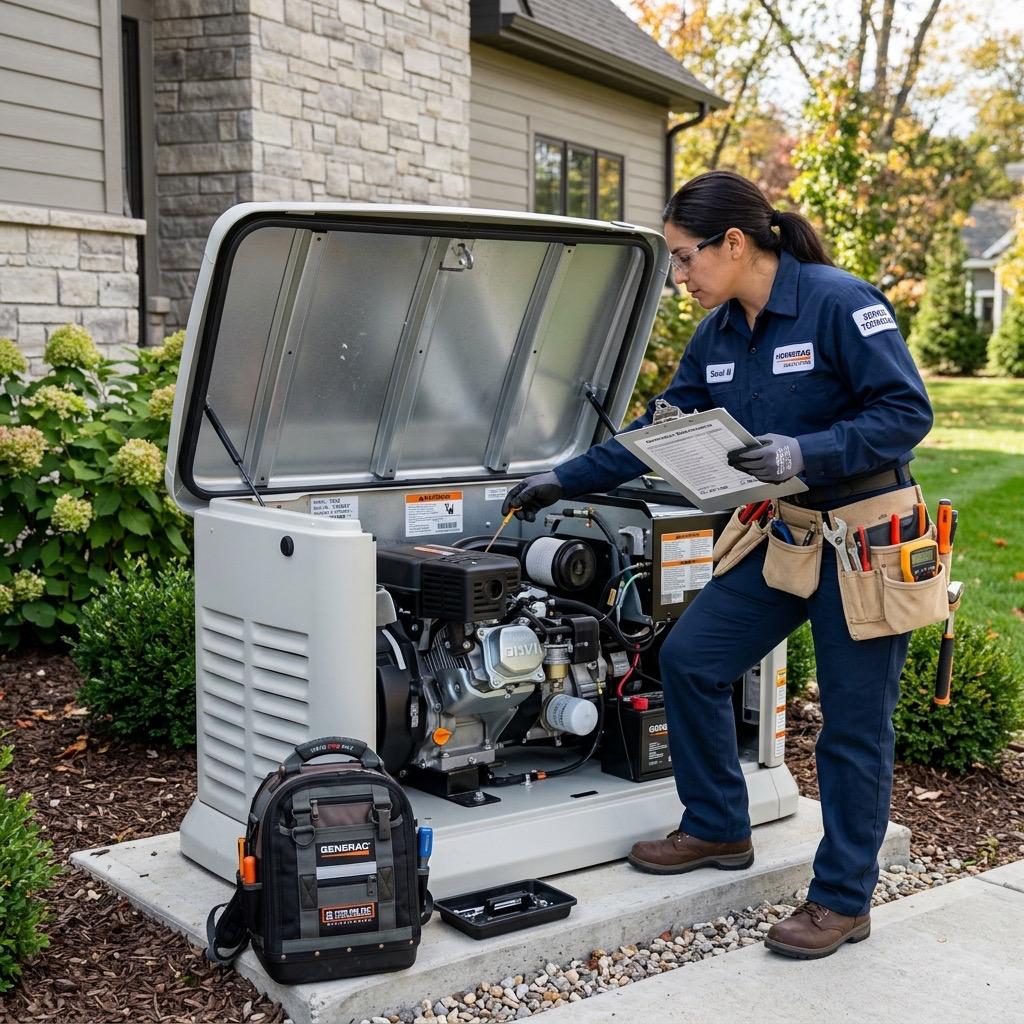
A properly maintained standby generator starts every time and lasts 20+ years. This comprehensive maintenance checklist...
A whole-house generator is a significant investment. These 5 diagnostic questions help Northern Virginia homeowners...