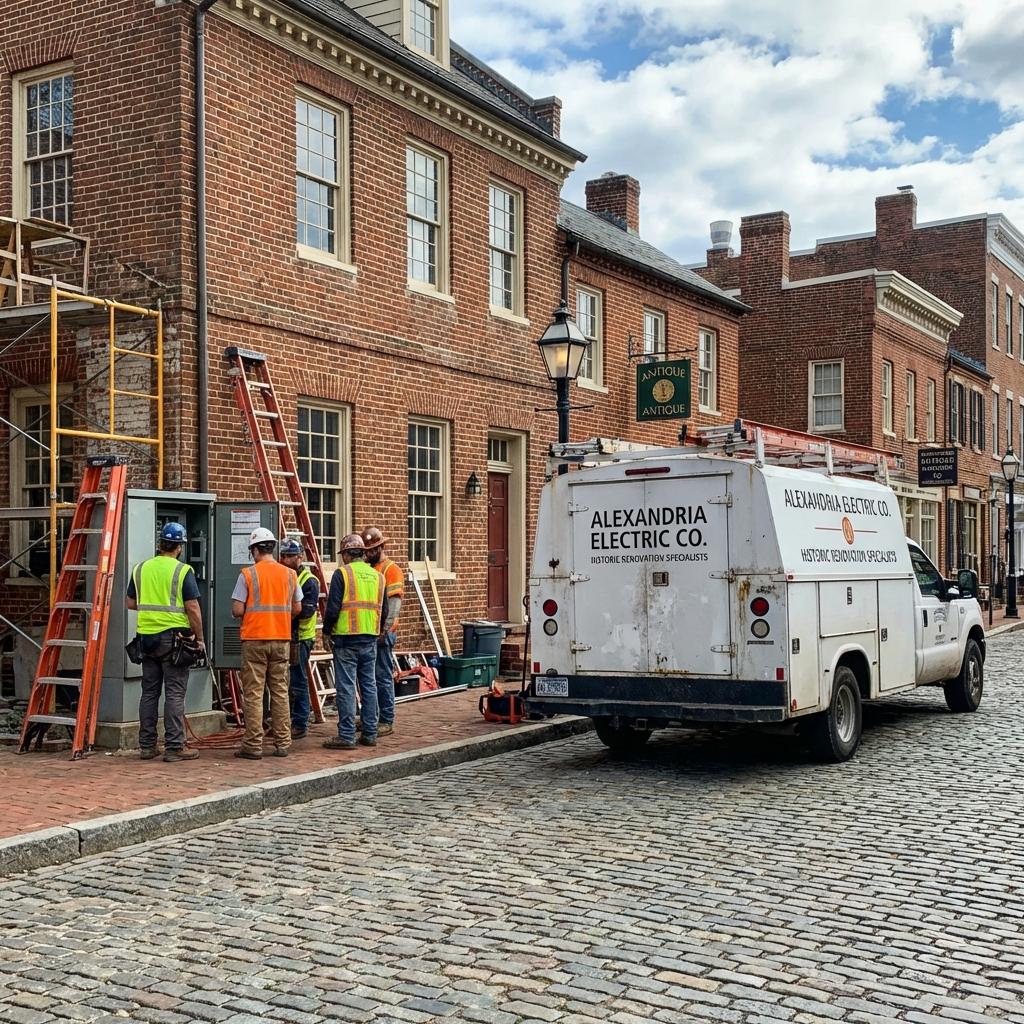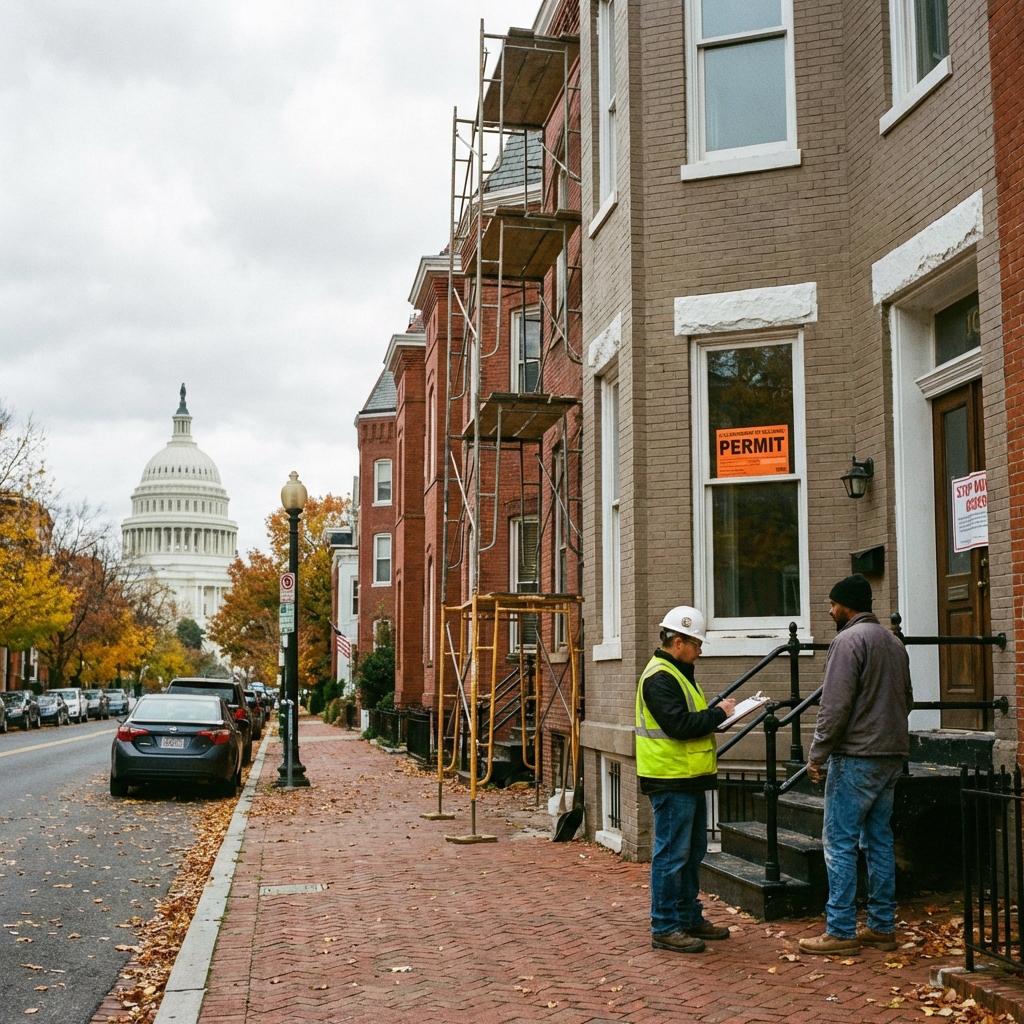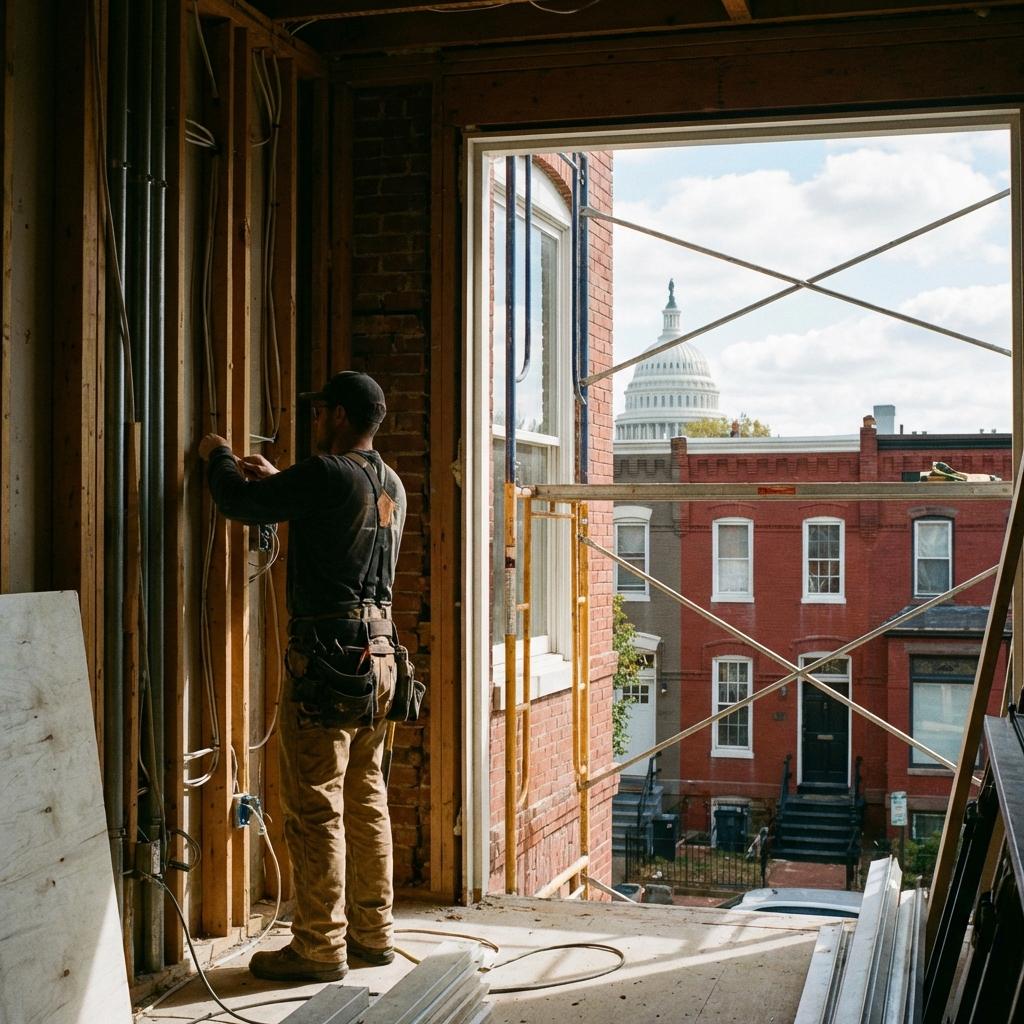
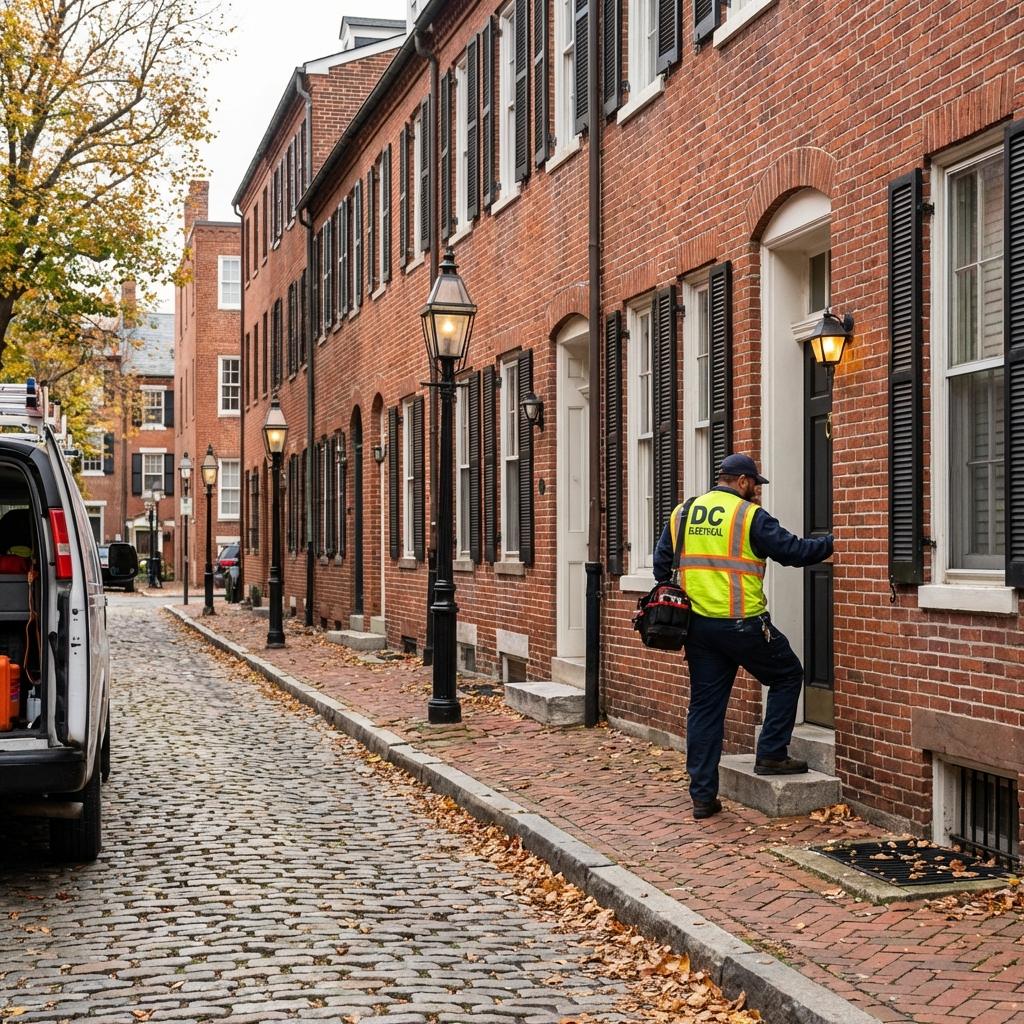
Georgetown is one of Washington, D.C.'s most iconic and historically significant neighborhoods, predating the founding of the federal capital itself with origins stretching back to 1751. The neighborhood's Federal-era rowhouses, Georgian mansions, and Victorian homes line cobblestone streets and tree-shaded avenues from the Potomac waterfront along M Street and Wisconsin Avenue up through the residential blocks of P Street, Q Street, and the surrounding side streets. These magnificent homes, many of which are two to three centuries old, present some of the most complex and fascinating electrical challenges that an electrician can encounter. Updating electrical systems in Georgetown requires a rare combination of deep technical knowledge, respect for irreplaceable historic materials, patience with the constraints of old construction, and familiarity with the Historic Preservation Review Board process that governs exterior modifications in this designated historic district.
Key Takeaways
- Georgetown's homes date from the 1700s through the 1900s, with many still containing original or very early electrical wiring systems that need professional evaluation and updating.
- The Georgetown Historic District requires HPRB review for exterior electrical modifications, including visible conduit, exterior panels, generator installations, and some exterior lighting changes.
- Plaster-over-brick and plaster-over-lath wall construction in Georgetown homes requires specialized wire routing techniques that minimize damage to irreplaceable historic surfaces.
- Panel space and clearance requirements are among the most challenging aspects of Georgetown electrical upgrades, as historic footprints rarely provide the space modern code requires.
- Georgetown homeowners can enjoy fully modern electrical amenities including EV charging, smart home systems, and gourmet kitchen power when upgrades are planned and executed by experienced professionals.
Georgetown's Electrical History
Georgetown's homes span an extraordinary range of construction eras, and their electrical systems tell a fascinating story of technology evolution. The earliest Georgetown homes predate electricity entirely, with gas lighting originally installed in the mid-1800s and electrical wiring added later, often using the existing gas pipe conduits as pathways for electrical conductors. This early wiring, installed in the 1890s through 1910s, used knob-and-tube methods where individual hot and neutral conductors were routed on ceramic insulators through open air spaces in wall cavities and along joists.
As Georgetown homes were updated through the decades, layers of electrical work accumulated. A single home might contain remnants of original knob-and-tube wiring, cloth-insulated Romex from the 1940s or 1950s, early plastic-insulated Romex from the 1960s, and modern NM-B cable from recent renovations. This layered history creates a complex diagnostic challenge that requires experience and careful analysis to untangle safely.
Common Wiring Conditions in Georgetown Homes
Knob-and-tube wiring that is still energized and in use is present in many Georgetown homes, particularly in upper floors, attics, and sections of the home that have not been renovated. While knob-and-tube wiring in good condition can still function, it lacks grounding protection, cannot be safely buried in insulation, and uses insulation materials that become brittle and crack with age. The connections between knob-and-tube wiring and later wiring additions are often points of concern, as improper splicing between different wiring types can create fire hazards.
Ungrounded outlets are extremely common in Georgetown homes, with original two-prong receptacles still in service in many rooms. These outlets cannot safely power modern electronics with three-prong plugs, and the use of three-prong adapters without proper grounding provides no actual safety benefit. Upgrading to grounded outlets or installing GFCI protection on ungrounded circuits is an important safety improvement.
The Georgetown Historic Preservation Process
Georgetown was designated as a historic district in 1950, making it one of the oldest protected historic districts in the country. The Old Georgetown Board, working under the U.S. Commission of Fine Arts, reviews exterior changes to properties within the district. This review process is a critical consideration for any electrical work that involves exterior modifications.
Whether it is a simple repair or a major electrical project, our licensed team is ready to help. Serving all of Northern Virginia with transparent pricing and expert workmanship. Call (703) 997-0026 today.
What Triggers Historic Review
Interior electrical work does not typically require historic review, which means rewiring, panel upgrades inside the home, and interior smart home installations proceed through the standard D.C. permit process. However, exterior changes that affect the building's appearance from public ways do trigger review. This includes new or relocated exterior electrical panels or meter bases, conduit runs on exterior walls facing streets or public alleys, exterior lighting fixtures that change the character of the facade, generator installations visible from public ways, and EV charger installations on front-facing exterior walls.
Designing for Historic Compatibility
Our approach to Georgetown projects emphasizes minimizing or eliminating visible exterior changes whenever possible. For panel upgrades, we locate panels inside the home in locations that provide required clearances. For EV charger installations, we route circuits internally and position chargers in rear or side locations that are not visible from the street. When exterior modifications are unavoidable, we design solutions that are as unobtrusive as possible and prepare documentation supporting the historic review application.
If you are planning exterior electrical work on your Georgetown home, start the historic review process early. Review timelines can add several weeks to a project, and submitting well-prepared applications with clear drawings and materials descriptions significantly improves the chances of smooth, timely approval. Your electrician should be involved in preparing the application to ensure technical accuracy.
Panel Upgrades in Georgetown's Constrained Spaces
Panel upgrades present some of the most significant challenges in Georgetown homes. Modern electrical code requires specific clearances around electrical panels: 30 inches wide, 36 inches deep, and 78 inches of headroom. In Georgetown homes where panels were originally installed in tight closets, cramped basement alcoves, or under staircases, meeting these clearance requirements may require relocating the panel to a different location.
Finding the Right Panel Location
Relocating a panel in a Georgetown home requires careful planning. The new location must provide adequate clearance, be accessible for future maintenance, and be connected to the service entrance from Pepco's meter. In rowhouses where the basement is the primary utility space, finding a wall location that provides 30 by 36 inches of clear floor space and 78 inches of headroom while avoiding windows, doorways, and structural elements requires creative thinking and thorough site evaluation.
The service entrance connection from the meter to the panel may need to be rerouted when a panel is relocated. In Georgetown, where meters are often located on the front facade, the service entrance cable routes through the basement to the panel location. Changing this route may involve work in common party walls or require coordination with the utility, both of which add complexity to the project.
Capacity Planning for Georgetown Homes
Georgetown homes that still operate on 60-amp or 100-amp service need upgrades to 200-amp panels to support modern electrical demands. Some larger Georgetown homes, particularly the grand mansions along N Street and Prospect Street, may require 400-amp service or dual 200-amp panels to accommodate comprehensive automation, multi-vehicle EV charging, and extensive lighting and appliance loads.
Rewiring Georgetown Properties
A complete rewire is often the best solution for Georgetown homes with original or heavily deteriorated wiring. Rewiring replaces all existing wiring from the panel to every outlet, switch, and fixture with new copper NM-B cable, providing decades of safe, reliable electrical service.
Working with Plaster and Brick
Georgetown's wall construction is the primary challenge during rewiring. Most Georgetown homes have either plaster directly applied to brick exterior walls or plaster applied over wood lath on interior walls. Neither material is as forgiving as modern drywall when it comes to running new wires. Our electricians use specialized flexible drill bits that can navigate through wall cavities without requiring large access holes, fish tapes designed for old construction, and careful technique to route wires through the limited pathways available in historic wall assemblies.
When wall penetrations are necessary, we work with skilled plasterers who can repair openings to match the surrounding surface. In homes with decorative plaster work, moldings, or other irreplaceable features, we plan wire routes that avoid these areas entirely, even if it means longer, more circuitous paths through the home.
Floor-by-Floor Approach
Georgetown rowhouses are typically three to four stories tall, and rewiring proceeds most efficiently with a floor-by-floor approach. Starting from the basement where the panel is located, new home-run cables are routed up through the house using interior wall cavities, chase spaces along plumbing stacks, and closet interiors where access is easiest. Each floor receives new outlets, switches, lighting circuits, and dedicated circuits for bathrooms and other specific loads.
Georgetown homeowners undertaking a rewire should consider the opportunity to upgrade beyond minimum code requirements. Adding structured wiring for networking, pre-wiring for future smart home devices, and including extra circuits in the kitchen and home office areas costs little additional during a rewire but would be expensive to add later. A rewire is a once-in-a-generation project, so designing for the next twenty to thirty years of electrical needs is a wise investment.
Modern Amenities in Georgetown Homes
Georgetown homeowners expect their historic homes to provide every modern convenience, and professional electrical work makes this possible without compromising historic character.
Gourmet Kitchen Electrical
Georgetown's gourmet kitchens rival those in any luxury home, featuring professional-grade ranges, built-in refrigeration, wine storage, and elaborate lighting. Meeting the electrical demands of these kitchens often requires six to ten dedicated circuits, careful load planning, and sometimes a sub-panel dedicated to the kitchen. GFCI protection for all countertop receptacles and under-cabinet lighting circuits, along with proper circuit sizing for high-draw appliances, ensures that the kitchen operates safely and reliably.
EV Charging Solutions
EV charger installation in Georgetown requires creative solutions due to the neighborhood's parking configurations. Homes with rear garages or parking pads accessed from alleys can often accommodate chargers on the garage or rear wall. For homes without off-street parking, some homeowners install chargers with retractable cables that can reach the curb. The circuit run from the panel to the charger location may be longer in Georgetown than in suburban homes, but professional routing through interior pathways keeps the installation clean and unobtrusive.
AJ Long Electric: Georgetown's Trusted Electrical Partner
AJ Long Electric brings the specialized expertise that Georgetown's historic homes demand. Our D.C.-licensed electricians have extensive experience working in the Georgetown Historic District, navigating the preservation review process, and delivering electrical upgrades that provide full modern functionality while respecting the irreplaceable character of these extraordinary properties. Whether you need a careful rewire of a Federal-era rowhouse, a panel upgrade that works within Georgetown's constrained spaces, or an EV charger installation designed around Georgetown's unique parking configurations, AJ Long Electric has the skill and experience to deliver. Contact us today to discuss your Georgetown electrical project.
Tags:

Written by
AJ Long Electric Team
Licensed Electricians
Our team of licensed electricians brings over 40 years of combined experience serving Northern Virginia. We're committed to providing expert electrical solutions with a focus on safety, quality, and customer satisfaction.
Reviewed by AJ Long Electric Master Electricians · VA License #2705031092 · View Credentials