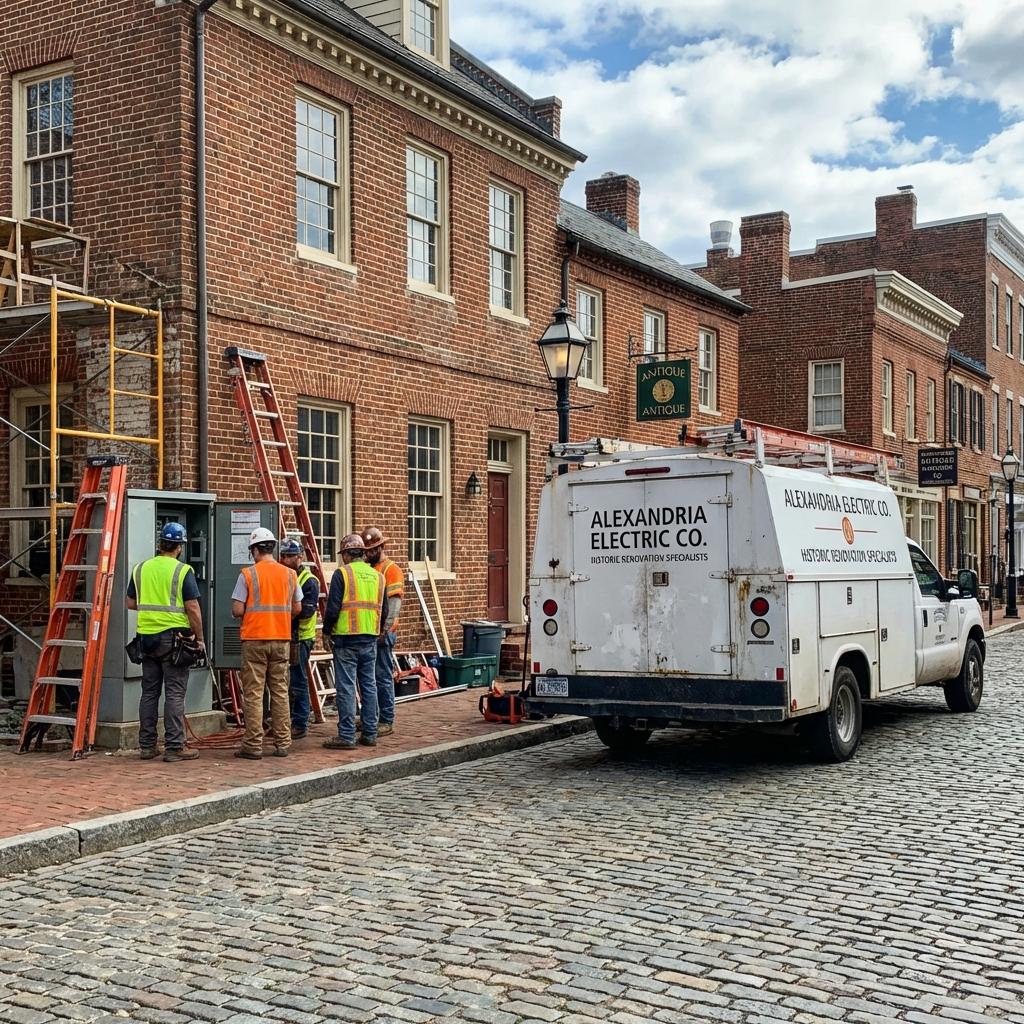
Montgomery County, Maryland is one of the most populous and diverse counties in the Washington, D.C. metropolitan area, encompassing communities ranging from the urban density of downtown Bethesda and Silver Spring to the suburban neighborhoods of Rockville, Gaithersburg, and Germantown, and the rural landscapes of upper Montgomery County near Poolesville and Barnesville. The county enforces electrical codes through its Department of Permitting Services, adopting the National Electrical Code with Maryland-specific amendments and sometimes implementing additional local requirements that reflect the county's commitment to safety, energy efficiency, and building quality. For Montgomery County homeowners planning any electrical work, understanding these codes, the permit process, and the inspection requirements is essential for avoiding costly delays, ensuring safe installations, and protecting your property's value during future sales or insurance claims.
Key Takeaways
- Montgomery County adopts the National Electrical Code with Maryland amendments and enforces it through the Department of Permitting Services with a thorough inspection process.
- Current code requires AFCI protection for most living space circuits, GFCI protection for kitchens, bathrooms, garages, basements, and outdoor areas, and interconnected smoke and carbon monoxide detectors.
- Permits are required for virtually all electrical work beyond simple like-for-like device replacements, and only Maryland-licensed electrical contractors can pull permits.
- Existing wiring and installations are generally grandfathered under the code in effect when they were installed, but new work must meet the current code regardless of the home's age.
- Unpermitted electrical work can result in fines from the county, required removal of work, complications during home sales, and denial of insurance claims.
Montgomery County's Electrical Code Framework
Montgomery County adopts the Maryland State Building Code, which in turn incorporates the National Electrical Code published by the National Fire Protection Association. The NEC is updated on a three-year cycle, and Maryland typically adopts updated editions within a year or two of publication. Montgomery County then implements the state-adopted code, sometimes with additional local amendments that address specific county concerns.
This multi-layered adoption process means that the electrical code in effect in Montgomery County may differ from the code in neighboring jurisdictions. Prince George's County may be on a different NEC cycle, Washington, D.C. has its own amendments, and Virginia jurisdictions adopt the NEC through the Virginia Uniform Statewide Building Code with different amendments. For homeowners near jurisdictional boundaries, and for electricians who work across multiple jurisdictions, understanding which code applies to each specific property is essential.
The Role of Grandfathering
One of the most important concepts in electrical code is grandfathering. Work that was code-compliant when it was performed is generally allowed to remain in place even when the code changes. A home built in 1960 is not required to be upgraded to meet 2024 code simply because the code has changed. However, any new electrical work must meet the current code. If you add a new circuit, upgrade your panel, or perform any modification to your electrical system, that new work must comply with the code currently in effect in Montgomery County, even if the rest of your home's wiring was installed under an earlier code.
There is an important exception: when a renovation exceeds a certain threshold of the home's value or scope, the county may require broader code compliance upgrades beyond just the new work. Major renovations that gut and rebuild significant portions of a home often trigger requirements for updating electrical systems throughout the affected areas, not just the specific new circuits being added.
Key Electrical Code Requirements in Montgomery County
Several specific code requirements are particularly relevant to Montgomery County homeowners because they affect common projects and often differ from what was required when older homes were built.
A professional electrical inspection identifies hidden hazards before they become emergencies. Our licensed electricians provide thorough safety inspections throughout Northern Virginia. Call (703) 997-0026 to schedule yours.
Arc-Fault Circuit Interrupter Protection
AFCI protection is one of the most significant code requirements of recent decades. AFCI breakers detect dangerous arcing conditions in wiring, such as those caused by damaged insulation, loose connections, or nails or screws piercing wire insulation. These arcing conditions can ignite surrounding materials and cause electrical fires. Current code requires AFCI protection for all new circuits in bedrooms, living rooms, dining rooms, family rooms, hallways, closets, and other habitable spaces. For homeowners adding new circuits to any of these areas, AFCI breakers are mandatory.
Ground-Fault Circuit Interrupter Protection
GFCI protection has been required in bathrooms since 1975, garages since 1978, and kitchens since 1987, with subsequent code updates expanding the requirement to include unfinished basements, outdoor receptacles, laundry areas, and any receptacle within six feet of a sink. Current code significantly expands GFCI requirements, and new circuits in these areas must have GFCI protection either at the breaker panel or at the first receptacle on the circuit. GFCI protection prevents electrocution by detecting small current leaks that indicate electricity is flowing through an unintended path, such as through a person touching a faulty appliance while in contact with water or a grounded surface.
Smoke and Carbon Monoxide Detector Requirements
Montgomery County requires interconnected smoke detectors on every level of the home, inside every bedroom, and outside each sleeping area. Carbon monoxide detectors are required on every level and near sleeping areas in homes with fuel-burning appliances or attached garages. For new construction and major renovations, these detectors must be hardwired with battery backup and interconnected so that when any single detector activates, all detectors in the home sound simultaneously. For existing homes, wireless interconnected detectors are an acceptable alternative that avoids the need to run new wiring to every detector location.
Swimming Pool and Hot Tub Electrical Requirements
Pools and hot tubs have some of the most specific electrical requirements in the NEC, and Montgomery County inspectors verify these requirements carefully. All metal components within a defined distance of the water must be bonded together, including pool shells, ladders, light niches, deck hardware, and even metal window frames within five feet of the pool. GFCI protection is required for all pool-related circuits, and underwater lighting has specific voltage, wiring, and installation requirements. Pool equipment like pumps, heaters, and automation systems must be on dedicated circuits with proper disconnects.
If you are planning to install a swimming pool or hot tub in Montgomery County, engage your electrician early in the design process, ideally before the pool contractor begins work. Pool electrical requirements affect the pool's design, including light placement, equipment pad location, and bonding grid installation. Retrofitting electrical compliance after a pool is built is significantly more expensive and disruptive than incorporating requirements from the start.
The Montgomery County Permit Process
Montgomery County requires permits for virtually all electrical work beyond simple like-for-like replacements of existing devices. Understanding the permit process helps homeowners plan project timelines and budgets accurately.
Who Can Pull Permits
In Montgomery County, only Maryland-licensed electrical contractors who are registered with the county can pull electrical permits. Homeowners cannot pull their own electrical permits for electrical work. This requirement ensures that all permitted electrical work is performed by professionals who have demonstrated competence through licensing examinations and experience requirements.
The Application and Review Process
Permit applications are submitted through the county's Department of Permitting Services, either online through the portal or in person. Standard projects like panel upgrades, EV charger installations, and single circuit additions typically receive expedited review, with permits often issued within a few business days. Larger projects requiring plan review, such as whole-home rewires, new construction, and major renovations, may take one to three weeks for review as the county verifies that plans comply with all applicable codes.
Inspections
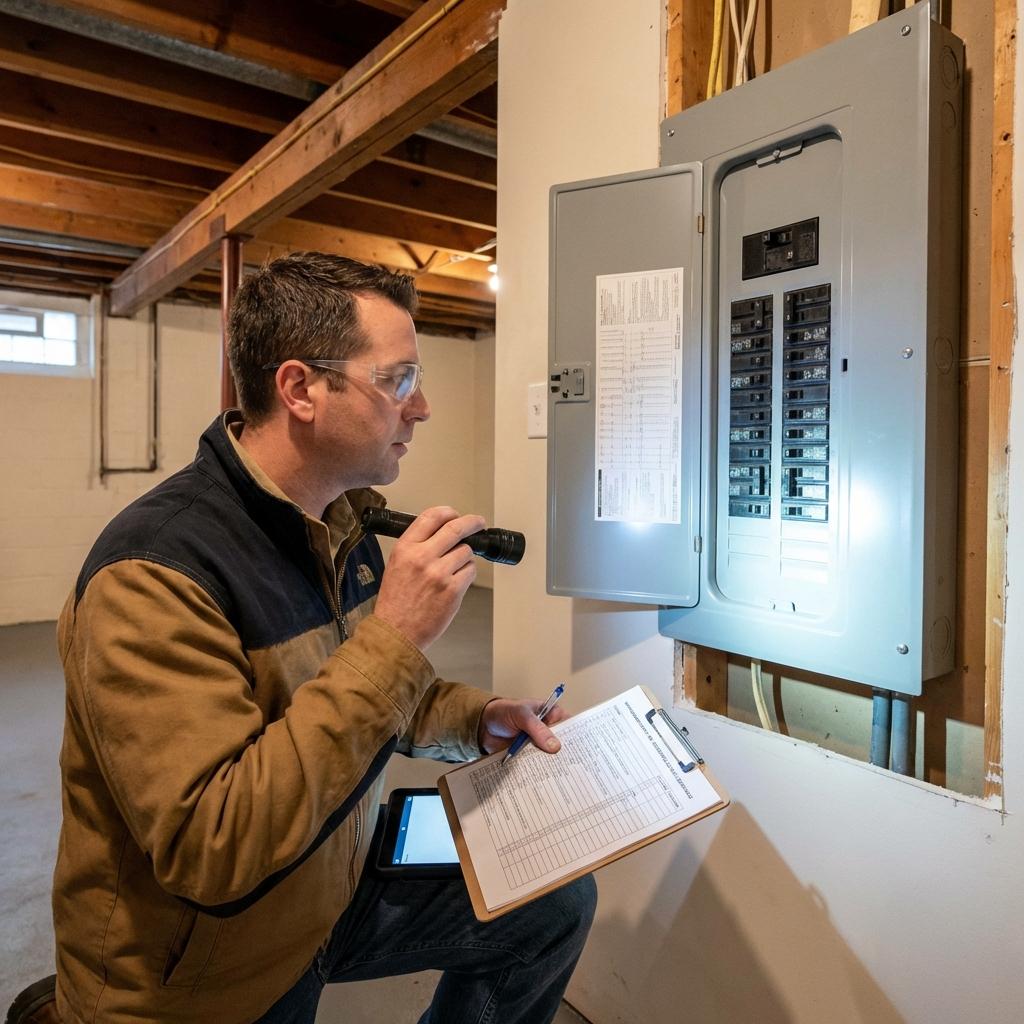
After the permitted work is complete, a Montgomery County inspector visits the site to verify code compliance. The inspector examines all aspects of the installation, including wiring methods, connections, grounding, bonding, device installation, panel configuration, labeling, and protection devices. For projects involving concealed wiring, a rough-in inspection may be required before walls or ceilings are closed, followed by a final inspection after all work is complete.
Montgomery County offers a helpful pre-application conference service for homeowners planning complex projects. Scheduling a meeting with a county plan reviewer before submitting your permit application can clarify code requirements, identify potential issues, and prevent surprises during the review process. This service is particularly valuable for major renovations, additions, and projects in older homes where existing conditions may present code compliance challenges.
Solar Panel and EV Charger Code Requirements
Montgomery County has seen rapid growth in both solar panel and EV charger installations, and the county has specific code requirements for both.
Solar Panel Electrical Requirements
Solar panel installations require electrical permits and must comply with NEC requirements for photovoltaic systems, including proper wire sizing, grounding, disconnects, and labeling. The county requires rapid shutdown capability for rooftop systems, which automatically de-energizes rooftop conductors in an emergency to protect firefighters. Utility interconnection approval from Pepco is also required before the system can be energized.
EV Charger Requirements
Hardwired Level 2 EV charger installations require electrical permits. The county inspector verifies that the dedicated circuit is properly sized for the charger, that wiring methods are appropriate for the installation location, and that the charger is installed at the correct height with proper clearances. For condo and townhome installations, additional coordination with HOAs and building management may be required.
Consequences of Non-Compliance
Performing electrical work without proper permits in Montgomery County carries significant risks. The county can impose fines for unpermitted work and may require that completed work be opened up for inspection or removed entirely. During home sales, unpermitted work is frequently identified by inspectors and can delay or prevent closing. Insurance companies routinely investigate whether damaged or destroyed electrical systems were properly permitted and inspected, and may deny claims for losses caused by unpermitted work.
AJ Long Electric: Your Montgomery County Code Compliance Partner
AJ Long Electric is licensed in Maryland and registered with Montgomery County, bringing comprehensive knowledge of the county's electrical codes, permit processes, and inspection standards to every project. Whether you need a panel upgrade that meets current AFCI and GFCI requirements, an EV charger installed to code, a pool electrical system that passes the county's thorough inspection, or a major renovation that requires plan review, our team ensures full code compliance and first-time inspection success. Contact AJ Long Electric today to discuss your Montgomery County electrical project and benefit from our code expertise.
Tags:

Written by
AJ Long Electric Team
Licensed Electricians
Our team of licensed electricians brings over 40 years of combined experience serving Northern Virginia. We're committed to providing expert electrical solutions with a focus on safety, quality, and customer satisfaction.
Reviewed by AJ Long Electric Master Electricians · VA License #2705031092 · View Credentials