
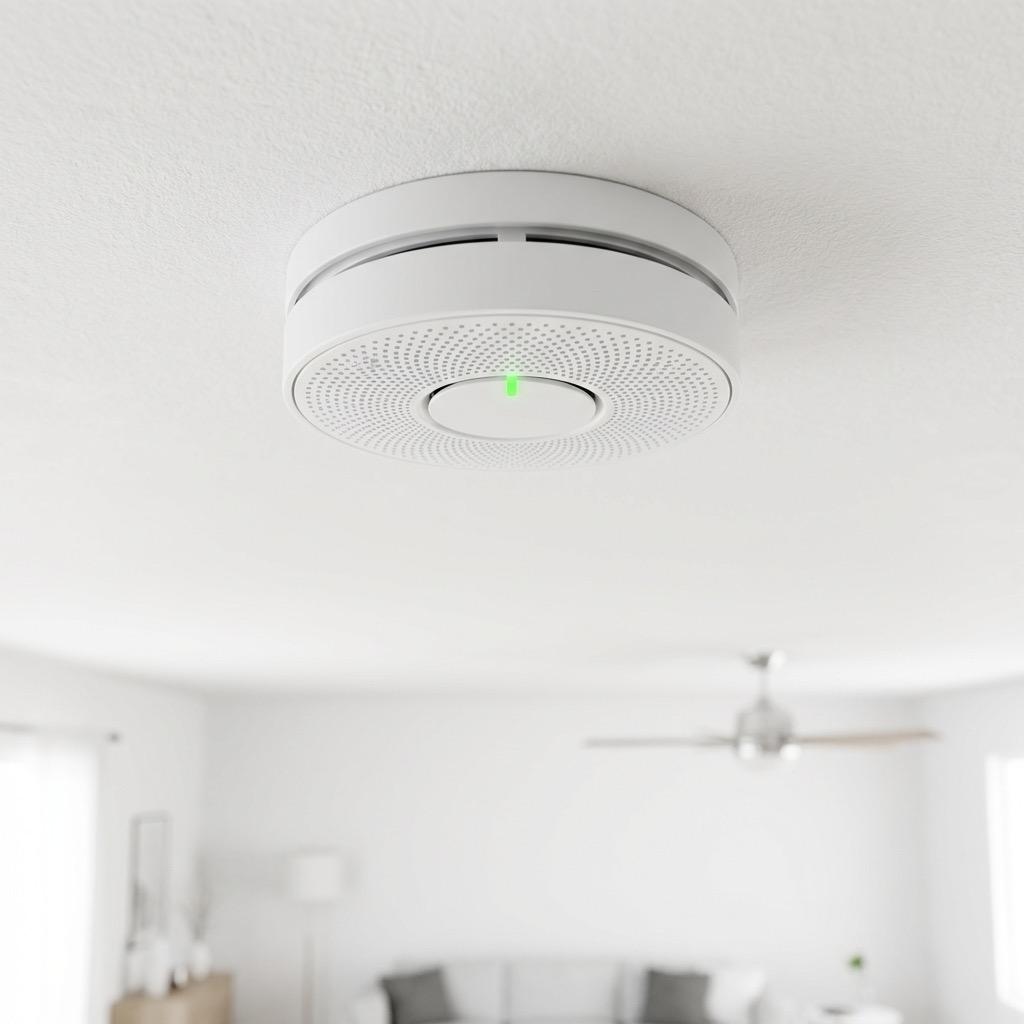
Smoke Detector Placement and Maintenance: A Complete Guide for Homeowners
Proper smoke detector placement can mean the difference between life and death. Learn where to install detectors, how...
4 min read
Read 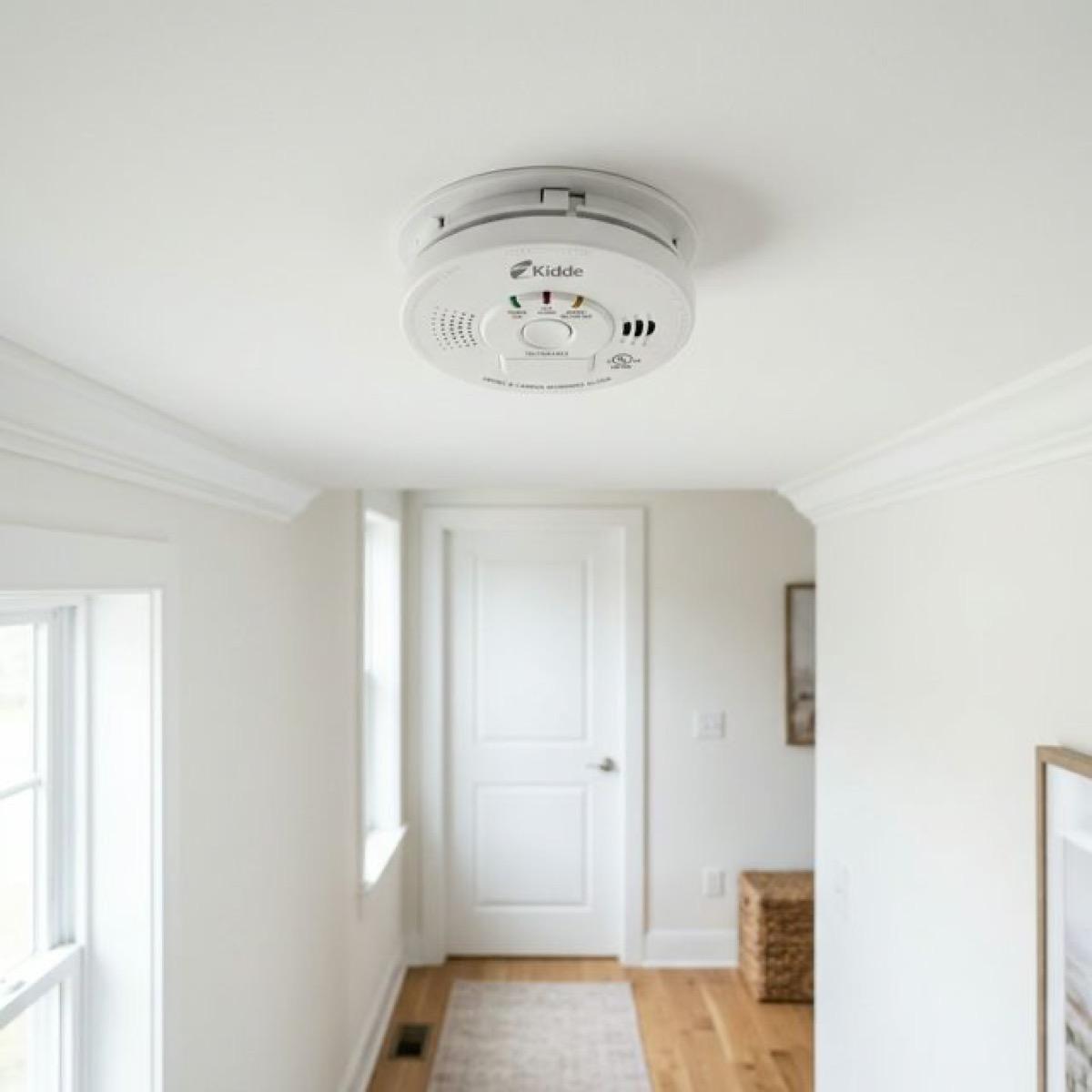
Hardwired, interconnected smoke and CO detectors for maximum life safety.

Working smoke detectors are your family's first line of defense in a fire, providing the early warning needed to escape safely. The National Fire Protection Association reports that three out of five home fire deaths occur in homes without working smoke detectors or with disabled units. AJ Long Electric installs hardwired, interconnected smoke and carbon monoxide detectors throughout Northern Virginia homes in Fairfax County, Loudoun County, Prince William County, Arlington, and Alexandria. Unlike battery-only detectors that rely on homeowners to replace batteries, hardwired detectors draw power from your home's electrical system with battery backup for outages. Interconnected systems ensure that when one detector activates, all detectors in your home sound simultaneously, giving everyone the maximum warning time regardless of where the fire starts. Virginia building code requires smoke detectors in every bedroom, outside each sleeping area, and on every level of the home including basements. We install units that meet current code requirements including sealed 10-year lithium battery backup, photoelectric or dual-sensor detection, and voice alert capability. Our electricians handle all wiring, mounting, and interconnection, and we test every unit to verify proper communication across the entire system.
Interconnected detectors sound throughout the entire home when any single unit activates.
Hardwired detectors never suffer from dead batteries since they draw power from your electrical system.
Meet Virginia building code requirements for detector placement, type, and interconnection.
Combination smoke and CO detectors protect against both fire and carbon monoxide poisoning.
Properly installed smoke detection systems may qualify you for homeowner's insurance discounts.
Our licensed electricians are ready to assist you in Northern Virginia.
Serving Fairfax, Arlington, Alexandria, Loudoun, and Prince William Counties.
Fairfax, Arlington, Alexandria, Loudoun & Prince William Counties
Smoke detector installation is a critical life safety service in Northern Virginia, where the region's diverse housing stock presents unique fire detection challenges. Fairfax County Fire and Rescue responds to over 1,000 residential fire incidents annually, and the National Fire Protection Association consistently reports that working smoke detectors reduce fire death risk by 50%. Many Northern Virginia homes built before 1990 have battery-only detectors or non-interconnected hardwired units that fail to provide adequate warning when a fire starts on a different floor from occupied bedrooms. The region's seasonal temperature extremes -- hot humid summers and cold winters -- put heavy demands on HVAC systems, fireplaces, and space heaters, all of which are common fire ignition sources. Carbon monoxide detection is equally important in a region where gas furnaces, water heaters, and fireplaces are standard in most homes. Virginia's Statewide Fire Prevention Code requires smoke detectors in specific locations, and rental property owners face active enforcement from county fire marshals. For homeowners preparing to sell, working interconnected smoke detectors are a non-negotiable inspection requirement. AJ Long Electric installs hardwired interconnected smoke and CO detection systems throughout Fairfax, Loudoun, Prince William, and Arlington counties, ensuring your family has the early warning system that saves lives.
See how we have helped homeowners across Northern Virginia with their smoke detector installation needs.
Challenge
A Falls Church colonial built in 1982 had a mix of battery-only smoke detectors in various states of disrepair. Two detectors had been removed from their mounts and placed in a drawer due to nuisance alarms from cooking. The remaining units were over 15 years old with degraded sensors. None of the detectors were interconnected, meaning a basement fire would only sound an alarm in the basement while the family slept upstairs.
Solution
We installed 10 hardwired, interconnected combination smoke and CO detectors: one in each of the four bedrooms, one in each of the two upstairs and one downstairs hallway, one in the basement, one in the kitchen (photoelectric type to minimize cooking false alarms), and one in the attached garage. All units were wired through the attic and wall cavities to a central interconnection circuit with minimal drywall disruption.
Result
The family now has whole-home interconnected smoke and CO protection. When the system was tested, triggering any single detector caused all 10 units to sound simultaneously. The homeowner reported the kitchen photoelectric unit has produced zero false alarms from cooking in six months of use.
Challenge
A Centreville townhome owner was cited during a rental property inspection for inadequate smoke detection. The three-level townhome had only two battery-operated smoke detectors -- one on the main level and one on the upper level. Virginia rental property code requires hardwired, interconnected detectors in every bedroom and on every level. The owner needed to bring the property into compliance before the tenant's lease renewal.
Solution
We installed seven hardwired interconnected smoke detectors: one in each of the three bedrooms, one in the upper hallway, one on the main level, one in the basement, and one combination smoke/CO detector near the gas furnace. Wiring was routed through the attic and chase walls common in townhome construction. We used sealed 10-year lithium battery backup units to minimize maintenance for the rental property.
Result
The property passed re-inspection on the first attempt. The sealed battery backup units eliminated the recurring maintenance issue of tenants ignoring chirping detectors and removing batteries. The landlord received documentation suitable for their rental property compliance file.
Challenge
A 1972 split-level in Burke had its original builder-installed smoke detectors -- two ionization units that were 30 years past their replacement date. The home's four-level split design created challenges for interconnection wiring, and the homeowner had experienced a small kitchen fire that was not detected until smoke reached the upstairs hallway, delaying evacuation by critical minutes.
Solution
We designed a custom detector layout for the four-level configuration, installing nine interconnected detectors with wiring routed through interior walls and the crawlspace between levels. We used dual-sensor detectors (combining photoelectric and ionization technology) for maximum detection capability. Each level received at least two detectors for redundant coverage, and we added voice-alert units in the bedroom hallway that announce the location of the alarm.
Result
A subsequent test demonstrated that smoke on any level triggered alarms throughout the entire home within seconds. The voice-alert units provide location-specific warnings, telling occupants which floor has detected smoke. The homeowner said the system gave their family renewed confidence in their home's safety.
Challenge
A historic Alexandria estate with a 6,000 square foot main house, attached in-law suite, and detached carriage house had an outdated hardwired smoke detection system that was partially non-functional. Several detectors had been painted over during renovations, sealing their sensors. The in-law suite and carriage house had only battery detectors, and the system lacked carbon monoxide detection despite having three gas fireplaces and a gas cooking range.
Solution
We replaced all 14 existing main house detectors with new interconnected combination smoke/CO units, carefully removing paint from ceiling boxes before installation. We extended the hardwired interconnection to the in-law suite with four new detectors and ran a dedicated circuit to the carriage house for three additional interconnected units. All 21 detectors communicate on the same interconnection circuit, with voice-alert capability identifying the zone of activation.
Result
The entire property now has unified smoke and CO detection across all three structures. The insurance company approved a 5% premium reduction for the upgraded system. The voice-alert feature identifies which building and floor has triggered, critical for a property this size where the alarm source would otherwise be difficult to locate.
Permit requirements for smoke detector installation vary by county. We handle the entire permitting process for you.
Permit Process
Smoke detector replacement and installation does not typically require a permit in Fairfax County. If new circuits are being added specifically for detector wiring, a permit may be required through Fairfax County Land Development Services. Rental property smoke detector compliance is enforced by the Fairfax County Fire Marshal's office.
Inspection Notes
Fairfax County fire code requires working smoke detectors for all residential properties. Rental properties are subject to periodic inspection. Homes sold in Fairfax County must have working smoke detectors at closing per Virginia residential property disclosure requirements.
Special Requirements
Permit Process
Smoke detector installation and replacement does not require a permit in Loudoun County. New electrical circuit work for detector wiring may require a permit through Loudoun County Building and Development. Rental property compliance is enforced through the Loudoun County Fire Marshal.
Inspection Notes
Loudoun County has experienced rapid growth, and newer homes should have detector systems already installed. However, 10-year replacement cycles mean even newer homes may need detector replacement. Rental inspections verify working detectors in all required locations.
Special Requirements
Permit Process
Prince William County does not require permits for smoke detector installation or replacement. New circuit work for detector wiring requires a permit through Prince William County Development Services. The Prince William County Fire Marshal conducts rental property inspections and enforces detector compliance.
Inspection Notes
Prince William County fire officials actively enforce smoke detector requirements in rental properties and during fire incident investigations. Homes without working interconnected detectors may receive violation notices following any fire department response.
Special Requirements
Permit Process
Arlington County does not require permits for smoke detector work. New electrical circuits require permits through Arlington County Inspection Services. Arlington's older housing stock means many homes need complete detector system installations rather than simple replacements.
Inspection Notes
Arlington County's older homes frequently need complete smoke detector system installations. Many pre-1970 homes have never had hardwired interconnected detectors. Arlington fire inspectors recommend professional installation for all interconnected systems.
Special Requirements
Transparent pricing with options to fit your budget and project scope. Every tier includes our quality guarantee.
$100-$200 per detector
Individual hardwired smoke detector installation or replacement with interconnection to existing system.
$600-$1,200
Whole-home hardwired interconnected smoke and CO detection system for standard-size homes with 6-10 detectors.
$1,200-$2,500
Comprehensive detection system for large homes, multi-structure properties, and homes requiring extensive new wiring.
Prices may vary based on the specific requirements of your project, the condition of existing electrical systems, and your home's unique characteristics. Contact us for a free, no-obligation estimate tailored to your needs.
Different home styles have unique electrical characteristics. Select your housing type to see specific considerations.
Colonial homes in Falls Church, Vienna, and Fairfax typically require 8-12 detectors for complete coverage. The standard colonial layout with a central stairway and attic access above makes wiring interconnection between floors efficient. We route wiring through the attic to second-floor locations and down through interior walls to first-floor and basement detectors.
We follow a proven process to ensure your project is completed safely, on time, and to your complete satisfaction.
We evaluate your current smoke and CO detection coverage, identifying gaps and code deficiencies.
We plan detector locations, wiring routes, and interconnection based on your home's layout and code requirements.
You receive detailed pricing covering units, wiring, mounting, and any electrical modifications needed.
Our electricians run interconnection wiring through attic spaces and wall cavities with minimal disruption.
We install and mount all detectors in code-compliant locations with proper ceiling or wall placement.
Every detector is tested individually and as a system to verify proper interconnection and alarm communication.
We demonstrate the system, explain testing procedures, and provide a written record of all detector locations.
Get answers to common questions about our smoke detector installation services.
Virginia code requires smoke detectors inside every bedroom, in the hallway outside each sleeping area, and on every level of the home including basements and attics with finished space. We also recommend detectors in the kitchen (photoelectric type to reduce false alarms) and garage. Detectors should be ceiling-mounted or high on the wall.
Hardwired smoke detectors connect to your home's electrical system and include battery backup for power outages. They are more reliable than battery-only units because they never suffer from dead batteries during normal operation. Hardwired units can also be interconnected so all alarms sound together.
Hardwired smoke detector installation typically costs $100-$250 per detector in the DC metro area, including the unit, wiring, and mounting. Installing multiple detectors at once reduces the per-unit cost. A typical whole-home installation with 6-8 interconnected detectors runs $600-$1,500.
Smoke detectors should be replaced every 10 years per manufacturer recommendations and NFPA guidelines. The manufacturing date is printed on the back of each unit. After 10 years, the sensors degrade and may not respond quickly enough to protect your family. Carbon monoxide detectors should be replaced every 5-7 years.
Photoelectric detectors are better at sensing slow, smoldering fires (like those caused by electrical faults), while ionization detectors respond faster to fast-flaming fires. Dual-sensor detectors combine both technologies. We recommend dual-sensor or photoelectric units for most residential installations in Northern Virginia.
Yes, Virginia code requires carbon monoxide detectors in homes with fuel-burning appliances, attached garages, or fireplaces. We install combination smoke/CO detectors that provide dual protection in a single unit, reducing the number of devices while maximizing safety coverage.
False alarms are commonly caused by cooking smoke, steam from showers, dust accumulation, or detectors placed too close to kitchens or bathrooms. Ionization detectors are especially prone to cooking-related false alarms. We can relocate detectors, replace with photoelectric units, or install kitchen-specific models to eliminate nuisance alarms.
In many cases, yes. We can fish wires through attic spaces and wall cavities to install hardwired detectors with minimal or no drywall disruption. For situations where wiring access is very limited, we can install interconnected wireless detectors that communicate via radio frequency without wires between units.
Every home is different. Here are the factors that influence pricing for smoke detector installation services.
Get Your Free Estimate
Contact us for a no-obligation quote tailored to your specific needs. We provide upfront, transparent pricing with no hidden fees.
3-5 hours (whole-home system)
$100-$250 per detector; $600-$1,500 whole-home
All smoke detector installations include a 1-year workmanship warranty on wiring and mounting. Detector units carry manufacturer warranties typically ranging from 5-10 years. We provide documentation of all detector locations and installation dates for your records.
Explore other electrical services that complement smoke detector installation.
Detailed safety audits for home buyers and regular maintenance.
Bring your home's electrical system up to current NEC code standards.
Protect your family from electrical shock with code-required GFCI outlets.
Whole-home protection against damaging power spikes.
AJ Long Electric understands that smoke detector installation is not just an electrical job -- it is a life safety system that your family depends on in the worst possible moment. That is why we approach every installation with the same thoroughness whether it is a single detector replacement or a complete 20-unit estate system. Our electricians are trained in NFPA 72 placement requirements, understand the detection characteristics of different sensor technologies, and design systems that provide reliable warning without the nuisance false alarms that cause homeowners to disable detectors -- the leading factor in fire deaths in homes with detectors. We use only UL 217 listed detectors from trusted manufacturers like Kidde, First Alert, and Nest, and we select the right technology for each location: photoelectric units near kitchens to prevent cooking false alarms, dual-sensor units in living areas for maximum detection capability, and combination smoke/CO units wherever fuel-burning appliances or attached garages create carbon monoxide risk. Our hardwired interconnection ensures every detector in your home sounds together, and our sealed 10-year battery backup units eliminate the dead-battery problem that renders too many detectors useless. We test every unit individually and as a complete system before we leave, and we provide documentation of detector locations and installation dates for your records, insurance, and future maintenance.
Virginia Licensed Electricians
Fully Bonded & Insured
Serving Northern Virginia
On All Workmanship
We proudly provide smoke detector installation services across Northern Virginia, Washington DC, and Maryland. Click on your area to learn more.
Learn more about smoke detector installation from our team of licensed electricians in Northern Virginia.
Proper smoke detector placement can mean the difference between life and death. Learn where to install detectors, how...
Installing a standby generator in Loudoun County involves multiple agencies, permit types, and utility coordination...
Exact costs for Level 1, Level 2, and Level 3 EV charger installation in Northern Virginia. Includes permit fees, panel...