Electrical fires are among the most devastating disasters a homeowner can face, and they are far more common than most people realize. The National Fire Protection Association reports that electrical failures and malfunctions cause more than 46,000 home structure fires each year in the United States, resulting in hundreds of deaths, over a thousand injuries, and more than 1.5 billion dollars in property damage. The tragedy is that the vast majority of these fires are preventable. Understanding what causes electrical fires and taking straightforward precautions can dramatically reduce your risk and protect your family and home.
Key Takeaways
- Overloaded circuits and extension cord misuse are the most preventable causes of electrical fires.
- Old, deteriorated wiring with failing insulation is a hidden fire hazard in homes built before the 1980s.
- AFCI breakers can detect dangerous arcing and are one of the most effective fire prevention technologies available.
- Loose electrical connections generate heat through resistance and can ignite surrounding materials.
- Using light bulbs with higher wattage than a fixture is rated for creates dangerous heat buildup.
How Electrical Fires Start
An electrical fire begins when electrical energy is converted to heat in an uncontrolled manner. This happens through three primary mechanisms: resistance heating at a point of high resistance such as a loose connection, arcing across a gap in damaged wiring, and overcurrent flowing through conductors beyond their rated capacity. In each case, the heat generated can reach temperatures sufficient to ignite nearby combustible materials such as wood framing, insulation, dust, or the wire insulation itself. Because these ignition points are often inside walls, ceilings, or attics, the fire can smolder and grow for hours before anyone in the home becomes aware of it.
Common Causes of Electrical Fires
Overloaded Circuits
Every circuit in your home is designed to carry a specific amount of current, determined by the wire gauge and the breaker rating. When the total current demand of all devices on a circuit exceeds this rating, the wires heat up. If the breaker functions properly, it trips before the heat reaches dangerous levels. But if the breaker is old and sluggish, or if someone has installed a higher-rated breaker than the wiring can support, the wires can overheat and ignite surrounding materials.
Our licensed electricians have installed hundreds of EV chargers across Northern Virginia. We handle everything from panel evaluation to permit filing. Call (703) 997-0026 or request your free estimate online.
The most common overload scenario involves daisy-chaining power strips. Plugging one power strip into another effectively concentrates the load of a dozen or more devices through a single outlet and a single circuit. This is never safe and is a leading cause of electrical fires in home offices and entertainment centers.
Old and Deteriorated Wiring
Wire insulation degrades over time. Rubber insulation used before the 1960s becomes brittle and cracks. Cloth-covered wiring from the same era frays and crumbles. Even modern thermoplastic insulation can be compromised by heat damage, rodent gnawing, or physical abuse from renovation work. When insulation fails, bare conductors can contact each other, contact metal surfaces, or arc across small gaps. Any of these conditions can start a fire.
In the Northern Virginia area, homes built during the post-war building boom of the 1950s through 1970s are reaching the age where original wiring insulation may be significantly degraded. Communities in Falls Church, Annandale, Springfield, and parts of Alexandria have large numbers of homes in this age range. If your home was built during this period and has never been rewired, a professional inspection can assess your wiring's current condition and identify areas of concern before they become dangerous.
Loose Electrical Connections
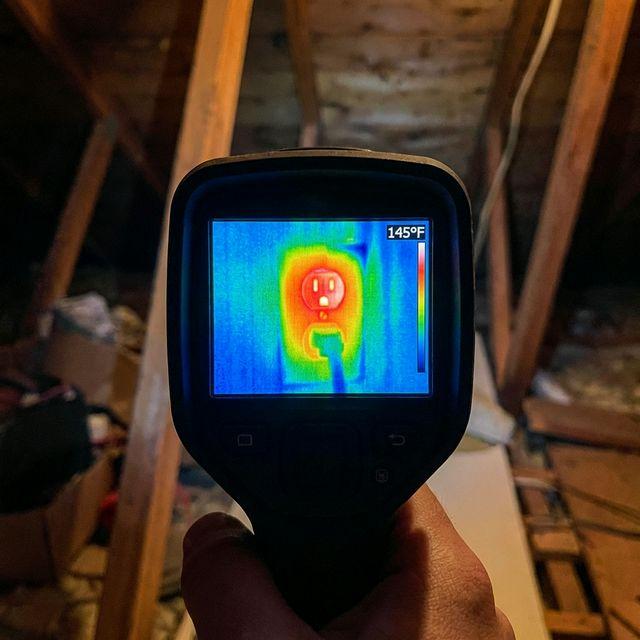
A loose wire connection is one of the most insidious fire hazards because it can exist for years behind a wall plate, generating increasing heat with each passing month. When a connection is loose, current must jump a small gap or flow through a point of high resistance. This generates heat that can char surrounding materials, melt plastic components, and eventually ignite wood framing or insulation. Common locations for loose connections include backstab-style outlet connections, wire nuts in junction boxes, breaker terminal connections in the panel, and connections at light fixtures.
Extension Cord Misuse
Extension cords are designed for temporary use. When used as permanent wiring, they pose serious fire risks. Running extension cords under rugs or carpets traps heat and prevents you from seeing damage to the cord. Running them through walls, ceilings, or doorways can pinch and damage the insulation. Using lightweight indoor extension cords for outdoor applications or heavy-draw tools can cause them to overheat. And connecting multiple extension cords end to end creates additional resistance and connection points where heat can build.
Improper Light Bulb Wattage
Every light fixture has a maximum wattage rating that indicates how much heat the fixture can safely dissipate. Installing a bulb with a higher wattage than the fixture is rated for generates more heat than the fixture can handle, potentially melting the fixture housing, the socket, or nearby insulation. This is particularly dangerous in recessed (can) lights installed in insulated ceilings, where heat cannot easily escape. Always check the fixture label for the maximum bulb wattage and never exceed it.
Faulty Outlets and Switches
Outlets and switches contain internal contacts that can wear out, corrode, or loosen over time. A damaged outlet may arc internally when a plug is inserted or when current is flowing, generating enough heat to ignite the plastic housing or surrounding wall materials. Signs of a failing outlet include warmth, discoloration, a burning smell, sparking, or a plug that fits loosely and wiggles.
Space Heaters
Portable electric space heaters are a significant fire risk, both from the heat they produce and from the electrical load they place on circuits. A typical space heater draws 1,500 watts, which is close to the full capacity of a 15-amp circuit. Plugging a space heater into a power strip, an extension cord, or an outlet shared with other devices is a common recipe for an overload fire. Always plug space heaters directly into a wall outlet on a circuit that is not serving other significant loads.
Prevention Measures That Work
Install AFCI Protection
Arc-fault circuit interrupter breakers are the single most effective technology for preventing electrical fires in your home. AFCI breakers monitor the electrical waveform on the circuit and can distinguish between normal arcing, such as when a switch operates, and dangerous arcing caused by damaged wiring. When dangerous arcing is detected, the AFCI trips the breaker before a fire can start. Modern electrical code requires AFCI protection in virtually all living spaces, but older homes may have no AFCI protection at all. Retrofitting AFCI breakers into your existing panel is one of the highest-value safety upgrades you can make.
Have Old Wiring Professionally Inspected
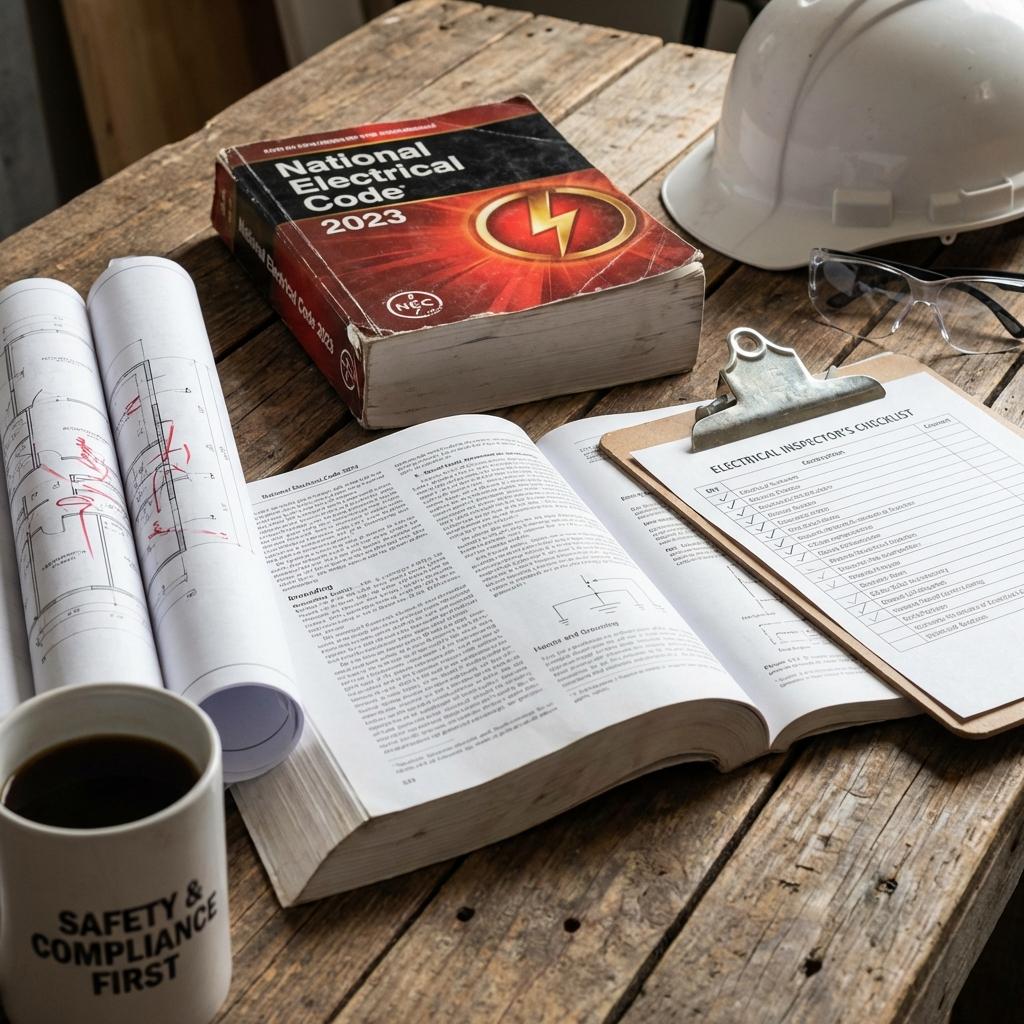
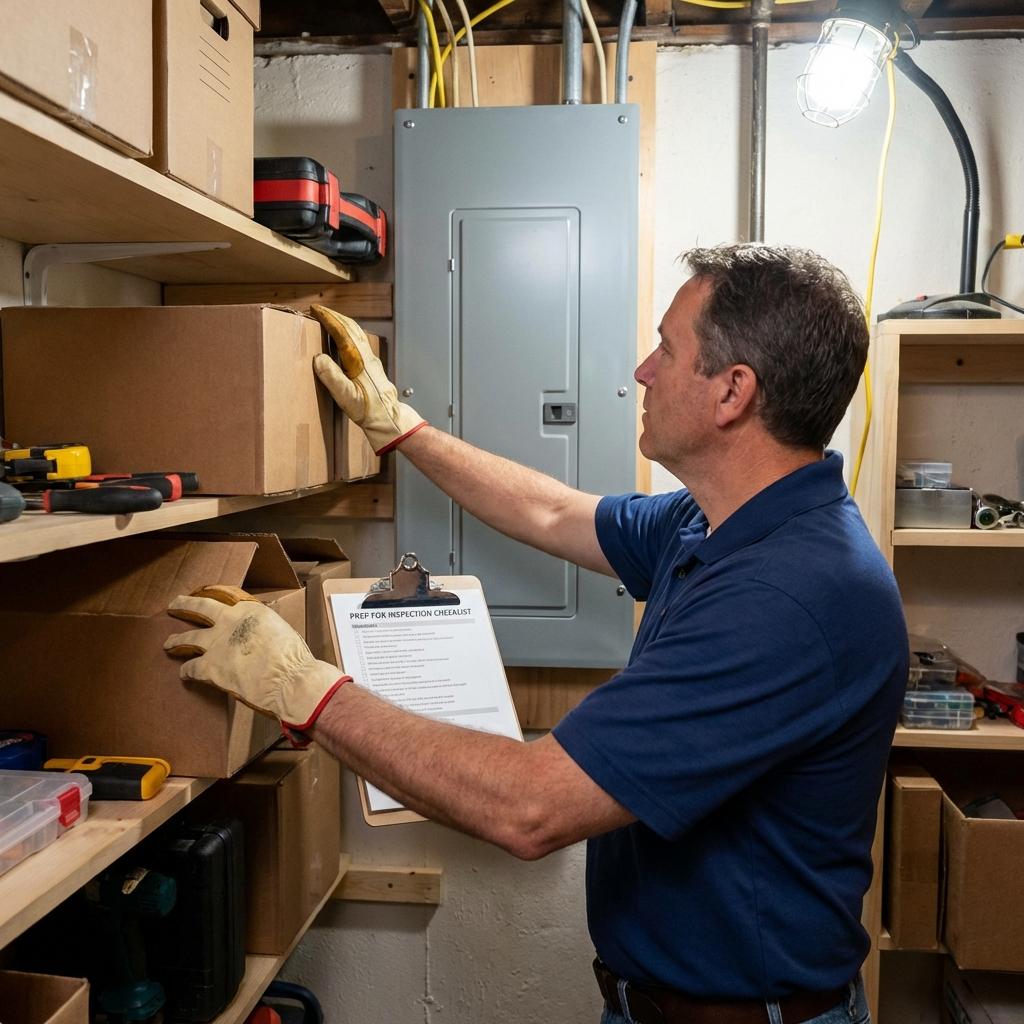
If your home is more than 30 years old, a professional electrical inspection is one of the most important investments you can make in your family's safety. An electrician can assess the condition of your wiring insulation, check for loose connections at accessible points, evaluate your panel's condition, and identify specific hazards. The inspection cost is negligible compared to the value of the information it provides.
Install smoke detectors in every bedroom, outside each sleeping area, and on every level of your home. Test them monthly and replace batteries annually. Smoke detectors are your last line of defense against an electrical fire, giving you precious minutes to evacuate. Consider interconnected smoke detectors that all sound when any one is triggered, so a fire in the basement immediately alerts the bedrooms upstairs.
Avoid Circuit Overloading
Know the capacity of your circuits and distribute your loads accordingly. A 15-amp circuit can safely deliver about 1,440 watts, and a 20-amp circuit about 1,920 watts. If you regularly trip breakers, you need more circuits, not more power strips. Never daisy-chain power strips, and never use power strips for high-draw devices like space heaters, window AC units, or large appliances.
Replace Damaged Cords Immediately
A frayed, cracked, or damaged appliance cord is an active fire hazard. The exposed conductors can short-circuit, arc, or overheat. Do not wrap damaged cords with electrical tape as a fix. Replace the cord or the appliance. This is one of the simplest and most impactful fire prevention steps you can take.
Install Whole-House Surge Protection
Voltage surges from lightning, utility grid events, or large motor startups can damage wiring insulation and electronic components, creating conditions that lead to fires. A whole-house surge protector installed at your electrical panel absorbs these surges before they can damage your system.
What to Do If You Suspect an Electrical Fire
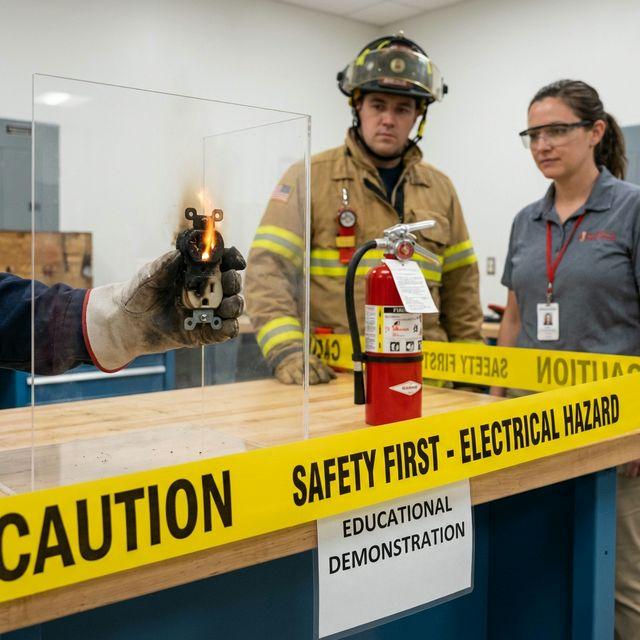
If you smell burning, see smoke, or notice scorch marks related to your electrical system, take immediate action. Turn off the circuit breaker serving the affected area if you can do so safely. Do not use water on an electrical fire. If the fire is small and contained, a Class C or ABC fire extinguisher can be used. If there is any doubt, evacuate immediately and call 911. Never re-enter a building to retrieve belongings.
Preventing electrical fires starts with awareness and continues with professional maintenance. If your home has aging wiring, overloaded circuits, or outdated protection, do not wait for a warning sign to become a tragedy. Contact AJ Long Electric at (703) 997-0026 to schedule an electrical safety assessment. We serve homeowners throughout Northern Virginia with the expertise and commitment to keep your family safe.
Tags:

Written by
AJ Long Electric Team
Licensed Electricians
Our team of licensed electricians brings over 40 years of combined experience serving Northern Virginia. We're committed to providing expert electrical solutions with a focus on safety, quality, and customer satisfaction.
Reviewed by AJ Long Electric Master Electricians · VA License #2705031092 · View Credentials