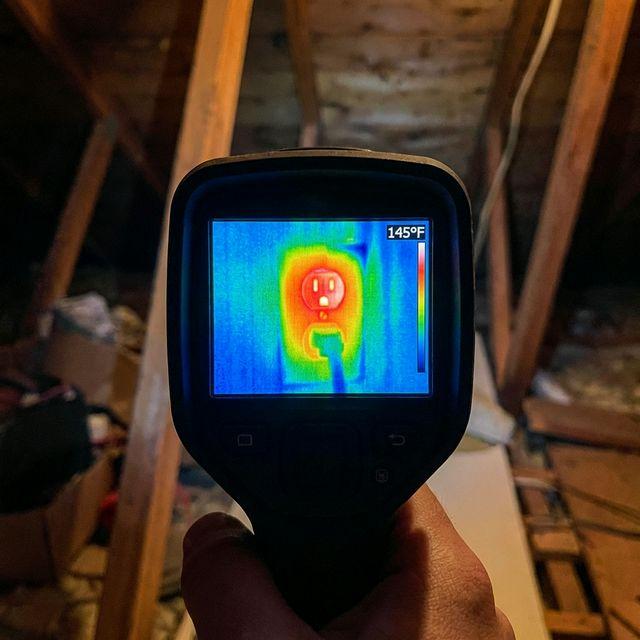
The wiring inside your walls is something most homeowners never think about until a problem emerges, and by then the situation may already be dangerous. Faulty or deteriorated wiring is one of the leading causes of residential fires in the United States, responsible for an estimated 46,000 home fires each year according to the Electrical Safety Foundation International. The challenge is that wiring is hidden, running through wall cavities, attics, and crawl spaces where you cannot see it. However, your home gives you warning signs when wiring problems are developing, and learning to recognize those signs could prevent a fire or a serious electrical shock.
Key Takeaways
- Burning smells, warm outlets, and discolored cover plates are urgent warning signs that demand immediate professional attention.
- Homes with knob-and-tube, aluminum, or cloth-covered wiring face elevated risk and should be professionally inspected.
- Frequent breaker trips, flickering lights, and buzzing sounds often indicate wiring deterioration.
- Two-prong outlets throughout the home mean the wiring lacks a safety ground conductor.
- A professional electrical inspection uses specialized tools to evaluate wiring condition that visual checks cannot assess.
Warning Signs of Unsafe Wiring
Your home communicates the condition of its wiring through a variety of symptoms. Some are subtle and easy to dismiss, while others are urgent and demand immediate response. Here are the warning signs every homeowner should know.
Burning Smells With No Identifiable Source
If you detect a persistent burning smell, particularly one with a plasticky or acrid quality, and you cannot trace it to a cooking mishap or a nearby fireplace, your wiring may be overheating. Overheating wiring can melt insulation and scorch surrounding wood framing long before it reaches the point of open flame. This is an urgent warning sign. If you smell burning and cannot identify the source, turn off the circuit breaker serving the area and call an electrician immediately. If the smell is strong or you see smoke, leave the house and call the fire department.
Warm or Discolored Outlets and Switch Plates
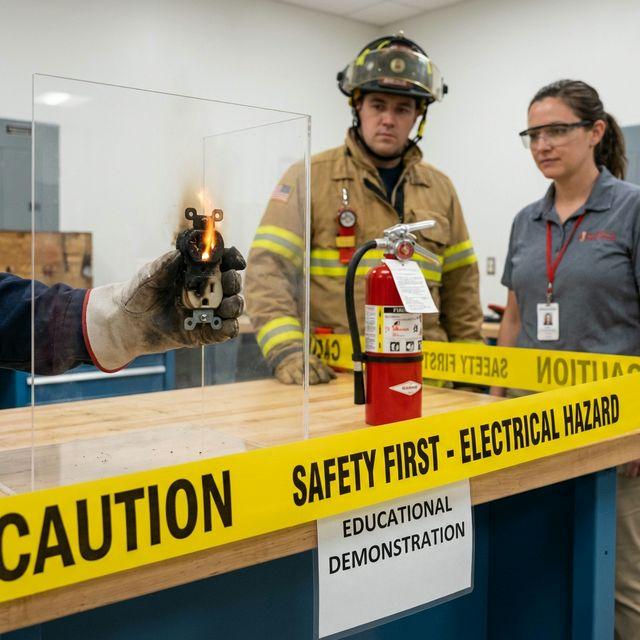
Outlet and switch cover plates should be at room temperature. Warmth indicates that a connection behind the plate is generating excessive heat due to resistance, which is typically caused by loose wires, corroded connections, or backstab connections that have degraded. Discoloration, particularly brown or yellow staining around the plate or on the wall surrounding it, is evidence that overheating has already occurred. Both conditions require professional investigation.
Frequent Breaker Trips or Blown Fuses
Breakers and fuses are designed to trip when current exceeds safe levels. If a breaker trips once because you ran the microwave and the toaster simultaneously, that is a capacity issue. If it trips repeatedly regardless of what is plugged in, the problem is likely in the wiring itself, such as a short circuit caused by damaged insulation or a ground fault from a wire touching a metal surface.
Flickering or Dimming Lights
Occasional, brief dimming when a large appliance starts is normal. Persistent flickering, dimming that worsens over time, or flickering that affects multiple rooms suggests loose connections, deteriorating wiring, or problems at the electrical panel. These symptoms tend to worsen progressively, so addressing them early is always better than waiting.
Many homes throughout Fairfax County, Arlington, and Alexandria that were built in the 1950s through 1970s still operate on their original wiring. While properly installed copper wiring from that era can last for decades, the insulation materials used at the time, including rubber and cloth coverings, degrade over time. If your home is over 40 years old and has never been rewired, a professional inspection is strongly recommended.
Buzzing or Crackling Sounds
A properly functioning electrical system is silent. If you hear buzzing, crackling, or sizzling sounds from outlets, switches, or inside walls, electricity is arcing across a gap, likely at a loose connection or through damaged insulation. Arcing generates intense heat and is a direct precursor to electrical fires. Treat these sounds as urgent.
Sparks When Plugging In Devices
A brief, small blue spark when you first push a plug into a live outlet can be normal, as electrons jump the closing gap. However, large sparks, yellow or white sparks, sparks that continue after the plug is seated, or sparks accompanied by a popping sound indicate a problem. Worn outlet contacts, loose connections, or short circuits can all cause dangerous sparking.
Mild Shocks or Tingling When Touching Appliances
If you feel a tingle or mild shock when touching an appliance, a light switch, or a faucet while an appliance is running, there is a ground fault in the system. Current is leaking through an unintended path, and that path includes you. This is dangerous and requires immediate professional attention. GFCI outlets are specifically designed to prevent this situation, which is one reason they are required in kitchens, bathrooms, and other wet locations.
Two-Prong Outlets Throughout the Home
Two-prong outlets indicate that the wiring lacks a ground conductor. The ground wire provides a safe path for fault current to return to the panel and trip the breaker. Without it, fault current can flow through appliance housings, metal pipes, or you. While two-prong outlets were standard in homes built before the 1960s, they do not meet modern safety standards and should be upgraded.
High-Risk Wiring Types
Knob-and-Tube Wiring
Installed from the 1880s through the 1940s, knob-and-tube wiring runs individual hot and neutral conductors through porcelain knobs and tubes. It has no ground wire, uses rubber insulation that deteriorates with age, and was never designed for the electrical loads of modern homes. While knob-and-tube wiring that is in perfect condition and has not been modified can continue to function, it is often found with deteriorated insulation, improper splices, and buried under blown-in insulation that causes it to overheat. Many insurance companies in Virginia will not insure homes with active knob-and-tube wiring.
Our licensed electricians have installed hundreds of EV chargers across Northern Virginia. We handle everything from panel evaluation to permit filing. Call (703) 997-0026 or request your free estimate online.
Aluminum Branch Circuit Wiring
During the copper shortage of the mid-1960s through mid-1970s, many homes were wired with aluminum conductors for branch circuits. Aluminum expands and contracts more than copper when it heats and cools, causing connections to loosen over time. Aluminum also oxidizes when exposed to air, and the oxide layer creates resistance that generates heat. The combination of loose, oxidized connections makes aluminum-wired homes significantly more likely to experience electrical fires. Homes in Northern Virginia built between approximately 1965 and 1975 should be inspected for aluminum wiring.
Cloth-Covered Wiring
Wiring manufactured from the 1920s through the 1960s often used cloth-based insulation over rubber. Both materials degrade over time, becoming brittle and crumbling away to expose bare conductors. Cloth-covered wiring in good condition can continue to function, but any signs of insulation failure mean the wiring should be replaced in the affected areas.
If you are buying a home in Northern Virginia, especially one built before 1980, insist on a thorough electrical inspection as part of your due diligence. A general home inspector checks basic electrical function, but a licensed electrician performs a much more detailed evaluation including panel condition, wiring type and condition, grounding integrity, and code compliance. The cost of an electrical inspection is minimal compared to the potential cost of rewiring an entire home after purchase.
Getting a Professional Wiring Assessment
What a Professional Inspection Covers
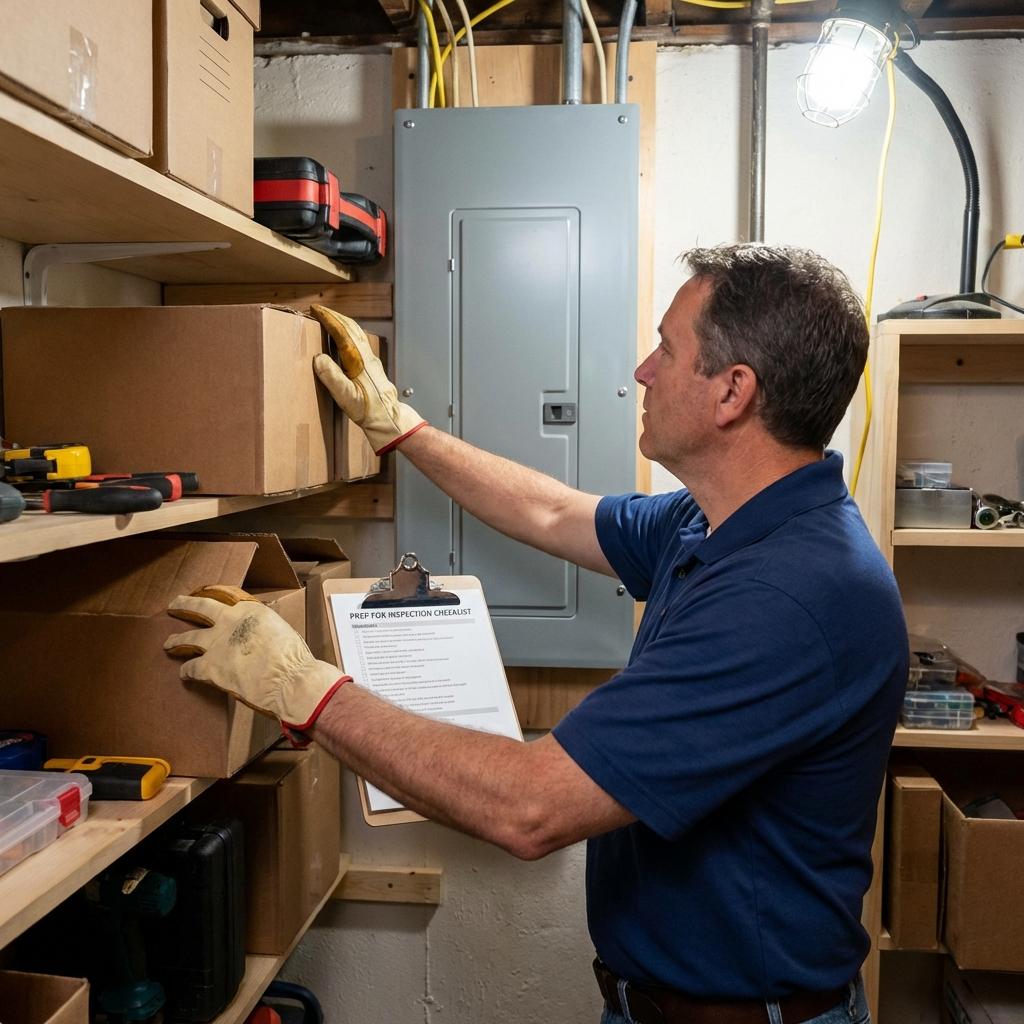
A comprehensive electrical inspection goes far beyond what any homeowner can evaluate visually. The electrician examines the electrical panel for signs of overheating, corrosion, and proper breaker function. They test a sampling of outlets and switches for proper wiring, grounding, and polarity. They check GFCI and AFCI protection for proper operation. They may use thermal imaging to detect hot spots in the panel and at accessible connections. They evaluate the service entrance and grounding system. And they assess the overall condition and type of wiring in the home based on accessible sections in the attic, basement, and crawl space.
When to Schedule an Inspection
Schedule a professional electrical inspection if your home is more than 40 years old, if you are purchasing a home, before major renovations, if you notice any of the warning signs described in this article, or if your home has never had a professional electrical assessment. An inspection every 10 years is a reasonable maintenance interval for homes in good electrical condition.
Your wiring's condition is too important to guess about. If you have noticed any of the warning signs described here, or if your home's age and wiring type put it in a higher-risk category, take the proactive step of scheduling an inspection. At AJ Long Electric, we provide thorough, honest electrical assessments for homeowners throughout Northern Virginia. We will tell you exactly what we find, explain what it means for your safety, and give you clear options for any recommended improvements. Call (703) 997-0026 to schedule your inspection.
Tags:

Written by
AJ Long Electric Team
Licensed Electricians
Our team of licensed electricians brings over 40 years of combined experience serving Northern Virginia. We're committed to providing expert electrical solutions with a focus on safety, quality, and customer satisfaction.
Reviewed by AJ Long Electric Master Electricians · VA License #2705031092 · View Credentials