An electrical inspection is a critical step in any permitted electrical project, serving as an independent verification that the work meets the safety standards established by the electrical code. Whether you are having a panel upgraded, new circuits installed, an EV charger wired, or any other permitted electrical work performed, the inspection is the final checkpoint that ensures everything was done correctly. While your electrician handles the technical preparation, understanding what happens during an inspection and how to prepare your home for the inspector's visit helps the process go smoothly and avoids unnecessary delays or follow-up visits.
Key Takeaways
- Electrical inspections are required for all permitted work and are performed by county or city inspectors, not your electrician.
- The inspector checks that work meets the current electrical code including proper wire sizing, connection methods, and protection devices.
- Common inspection failures include missing GFCI protection, improper grounding, overcrowded junction boxes, and missing cover plates.
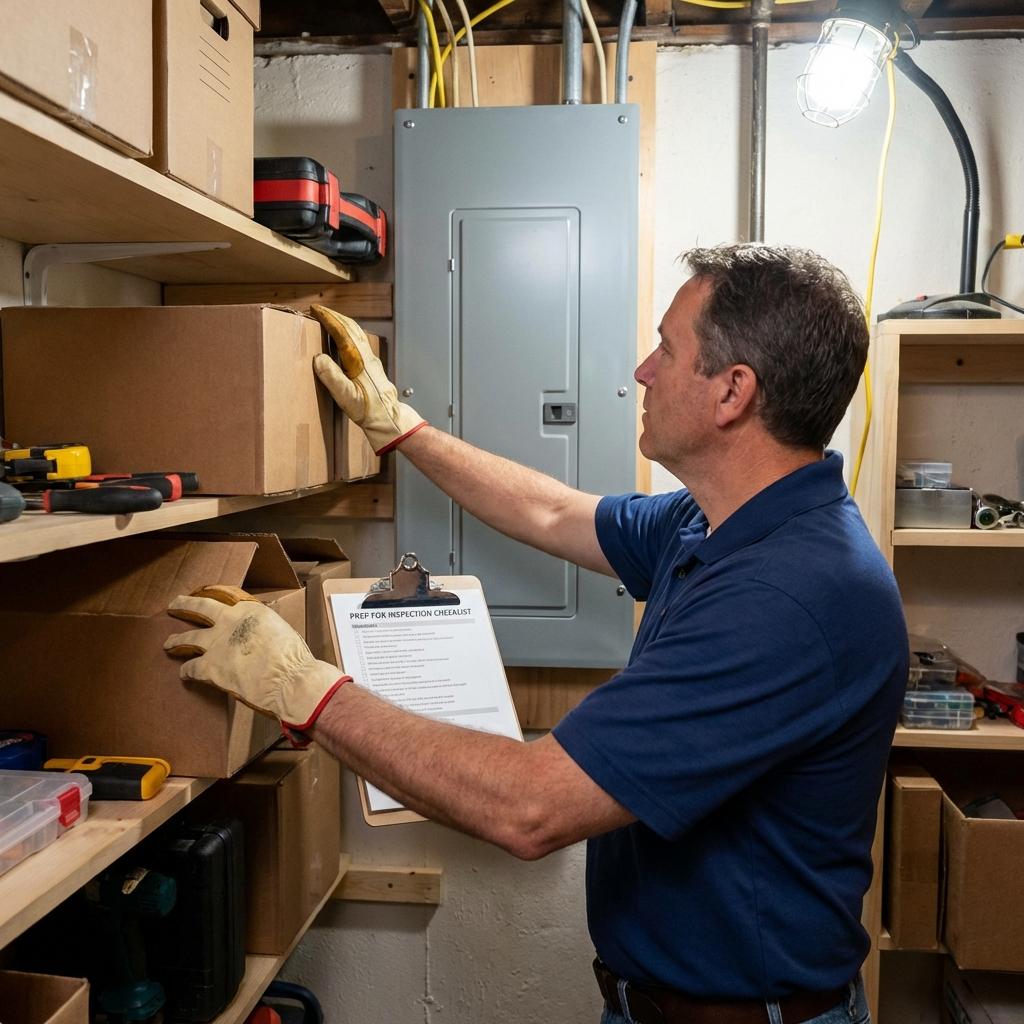
- Ensuring clear access to the panel and all work areas is the most important preparation step for homeowners.
- A reputable electrician prepares for and attends the inspection, handling any questions or corrections on the spot.
Understanding the Inspection Process
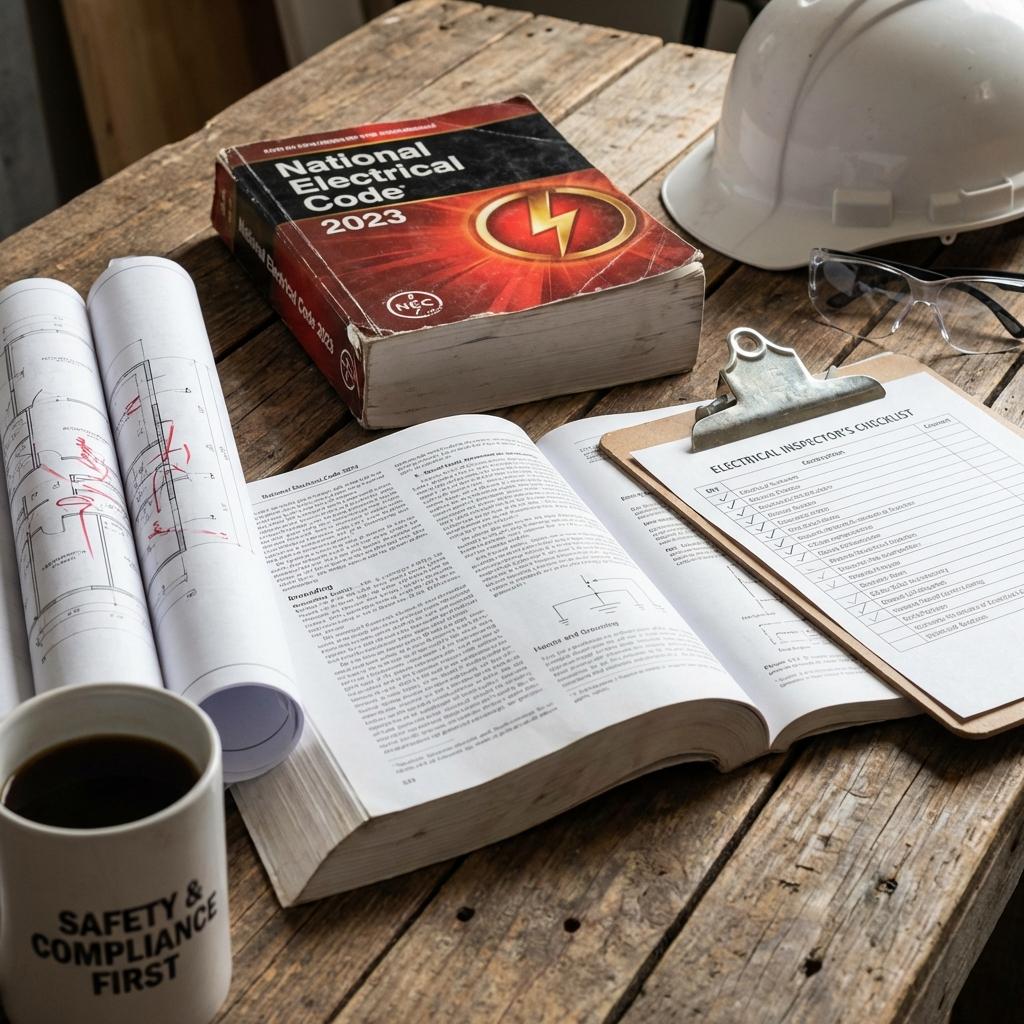
Electrical inspections in Northern Virginia are conducted by inspectors employed by your local building department. In Fairfax County, this is the Department of Land Development Services. Loudoun County, Arlington County, and the City of Alexandria each have their own inspection departments. The inspector is an independent party who works for the jurisdiction, not for you or your electrician. Their role is to verify that the electrical work complies with the Virginia Uniform Statewide Building Code, which incorporates the National Electrical Code.
When Inspections Are Scheduled
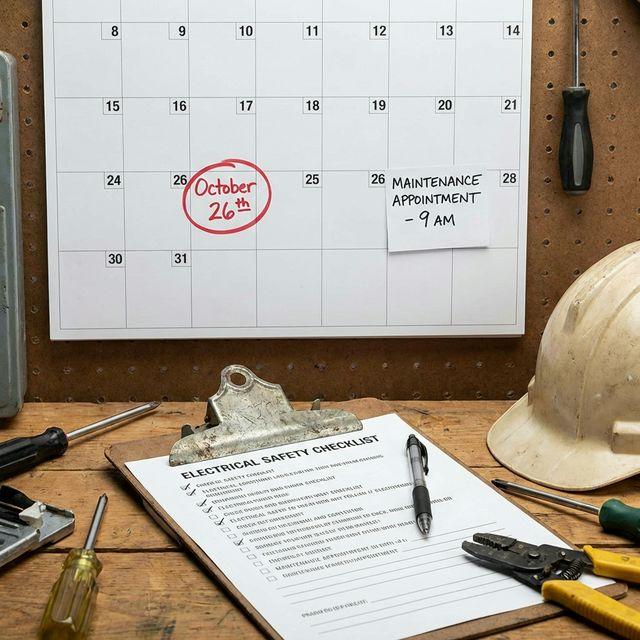
After your electrician completes the permitted work, they or you request an inspection through the building department. Most Northern Virginia jurisdictions allow inspection requests to be made online or by phone. Inspections are typically scheduled within two to three business days in Fairfax County, though wait times can vary by season and jurisdiction workload. Some jurisdictions offer AM or PM time windows rather than specific appointment times, so plan to be available during the window or ensure your electrician can be present.
Types of Inspections
Depending on the scope of the project, one or two inspections may be required. A rough-in inspection is performed after new wiring is installed but before walls are closed up with drywall. This allows the inspector to see wire routing, stapling, box fill, and connections that will be hidden once the walls are finished. A final inspection is performed after all work is complete, including cover plates, fixture installation, device installation, and final connections. For simple projects like a panel upgrade or an EV charger installation where no walls are opened, only a final inspection is typically required.
What Inspectors Check
Electrical Panel
The inspector examines the panel thoroughly. They verify that all breakers are properly rated for the wire gauges they protect. They check that conductors are properly terminated on breaker lugs and bus bar terminals. They verify that the panel has proper working clearance, with 36 inches of clear space in front of the panel, 30 inches wide. They check that the panel directory is accurate and legible. They verify proper grounding and bonding connections. And they confirm that the panel is the correct type and size for the service.
A professional electrical inspection identifies hidden hazards before they become emergencies. Our licensed electricians provide thorough safety inspections throughout Northern Virginia. Call (703) 997-0026 to schedule yours.
Wire Sizing and Installation
The inspector verifies that wire gauges match the breaker ratings they are connected to. They check that wiring is properly supported and stapled according to code requirements. They verify that cables are protected where they pass through framing members, using nail plates where required. They check that cable types are appropriate for their location, such as NM cable for dry interior locations and UF cable for direct burial. And they verify that all wiring runs are neat, properly routed, and free of damage.
Junction Boxes and Connections
All electrical connections must be made inside approved junction boxes. The inspector verifies that no open splices exist outside of boxes. They check box fill calculations to ensure that the number of conductors, devices, and fittings inside each box does not exceed the box's rated capacity. They verify that all boxes are accessible and not buried behind drywall or other finish materials. And they check that proper connectors are used where cables enter boxes.
GFCI and AFCI Protection
The inspector tests GFCI outlets and breakers to verify they trip at the correct current threshold. They verify that GFCI protection is provided in all required locations. They check that AFCI breakers are installed on all circuits requiring arc-fault protection. And they verify that protection devices are the correct type for the circuit they serve.
Fairfax County inspectors are generally thorough and professional, and they appreciate well-organized, quality workmanship. In our experience serving homeowners throughout Fairfax, Loudoun, and Arlington counties, the inspection process is straightforward when the work is done correctly. Inspectors are not looking for reasons to fail the inspection. They are verifying that the work meets the safety standards that protect you and your family.
Grounding and Bonding
The inspector checks the entire grounding system. This includes the grounding electrode conductor and its connection to the grounding electrode. The grounding bus bar in the panel and its connections. The neutral-to-ground bond at the main panel. Equipment grounding conductors in each circuit. And bonding connections to metal water pipes, gas pipes, and other metallic systems.
Outlet and Switch Installation
Each installed device is checked for proper mounting, correct wiring, proper polarity, secure connections, and appropriate cover plates. Outlets must be mounted at the correct height, switches must be in the correct orientation, and all devices must be firmly secured in their boxes.
Common Reasons for Inspection Failures
Missing GFCI or AFCI Protection
Failing to install required GFCI or AFCI protection is one of the most common reasons for inspection failure. This includes installing outlets in GFCI-required locations without GFCI protection, omitting AFCI breakers on circuits serving bedrooms or living spaces, and failing to provide GFCI protection within six feet of a sink.
Improper Grounding
Grounding deficiencies include missing equipment grounding conductors, improper bonding at the panel, inadequate grounding electrode connections, and bonding the neutral to ground at a sub-panel rather than only at the main panel.
Overcrowded Junction Boxes
Every junction box has a maximum number of conductors it can safely contain, determined by the box volume and the wire gauge. Exceeding this limit is a code violation because overcrowding can damage wire insulation and increase the risk of short circuits and arcing.
Missing Covers and Plates
All junction boxes must have covers, and all outlets and switches must have cover plates. Open boxes expose live wiring and are a shock and fire hazard. This seems minor but is a legitimate safety requirement that inspectors enforce.
Incorrect Wire Gauge for Breaker Rating
Using wire that is too small for the breaker protecting it is a serious safety violation. A 15-amp breaker requires a minimum of 14-gauge wire. A 20-amp breaker requires 12-gauge. A 30-amp breaker requires 10-gauge. Any mismatch means the breaker will not trip before the wire overheats, defeating the purpose of the breaker entirely.
If you are having work done by a licensed electrician, ask them whether they plan to attend the inspection. A reputable electrician either attends the inspection personally or sends a qualified team member. Their presence allows them to answer the inspector's questions immediately, address any corrections on the spot, and ensure the inspection passes efficiently. At AJ Long Electric, we attend every inspection because we stand behind our work.
How Homeowners Can Prepare
Ensure Clear Access
The most important thing a homeowner can do is ensure that the inspector can easily access all work areas and the electrical panel. Clear at least 36 inches of space in front of the panel. Remove any storage items blocking outlets, switches, or junction boxes that are part of the permitted work. If work was performed in the attic or crawl space, make sure the access point is clear and a ladder is available if needed. If the inspector cannot access the work, they cannot inspect it, and you will need to reschedule.
Make the Permit Visible
The building permit should be posted at the job site or readily available for the inspector to review. The permit confirms that the work was authorized and describes the approved scope. Your electrician typically handles this, but verify that the permit card is accessible.
Ensure Power Is Available
The inspector needs to test GFCI outlets, AFCI breakers, and sometimes individual circuits. Power must be available to the panel and the work areas during the inspection. If the project involved a service upgrade, coordinate with your electrician to ensure utility power has been restored before the inspection.
Have Someone Present
Someone needs to be at the home during the inspection window to let the inspector in and provide access to all work areas. This can be you, your electrician, or another responsible adult. The inspector may have questions about the scope of work or need access to locked areas of the home.
What Happens After the Inspection
If the Inspection Passes
When the inspector approves the work, they sign off on the permit and the inspection is recorded in the jurisdiction's system. The permit is closed, and the work becomes part of the property's official record. This record is valuable for insurance purposes and future property sales because it documents that the electrical work was performed, inspected, and approved.
If Corrections Are Needed
If the inspector finds issues that do not meet code, they provide a correction notice listing the specific deficiencies. Your electrician then makes the corrections and requests a re-inspection. Most corrections are minor and can often be made the same day, allowing a quick re-inspection. Major corrections may require more time and a separately scheduled re-inspection. There is typically no additional fee for the first re-inspection, though subsequent re-inspections may incur a fee depending on the jurisdiction.
The Value of Professional Preparation
The best preparation for an inspection is quality workmanship by a licensed, experienced electrician who knows the code and the expectations of local inspectors. A qualified electrician designs the installation to meet code from the outset, performs a self-inspection before calling for the official one, prepares the work area for easy inspector access, and addresses any questions or concerns the inspector raises on the spot. When AJ Long Electric performs your electrical work, we handle every aspect of the permit and inspection process. You do not need to worry about applications, scheduling, or preparation. We take care of everything so your project is completed properly, inspected, and approved without hassle. Call us at (703) 997-0026 to get started on your next electrical project.
Tags:

Written by
AJ Long Electric Team
Licensed Electricians
Our team of licensed electricians brings over 40 years of combined experience serving Northern Virginia. We're committed to providing expert electrical solutions with a focus on safety, quality, and customer satisfaction.
Reviewed by AJ Long Electric Master Electricians · VA License #2705031092 · View Credentials