
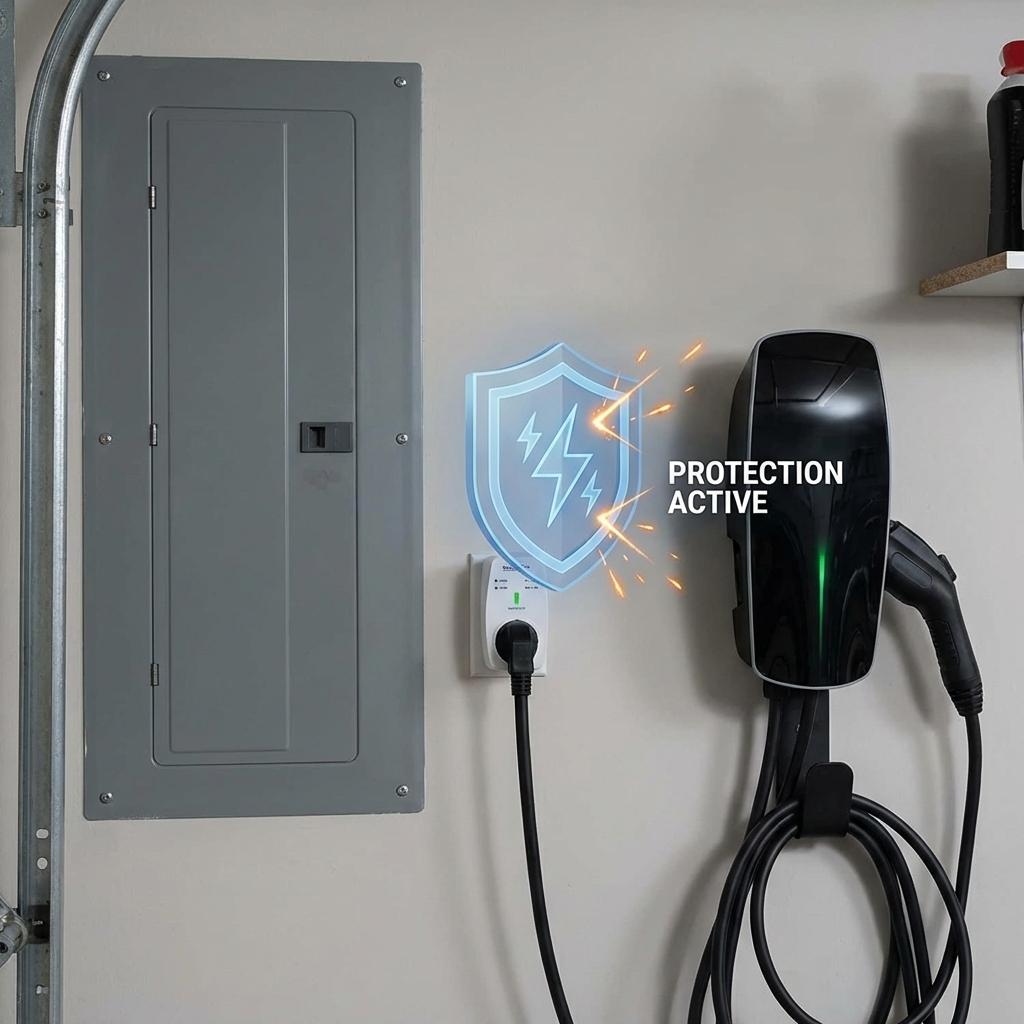
EV Charger Surge Protection: Protecting Your Investment
Electrical surges can damage EV chargers and vehicles. Learn about surge protection options and why they matter.
6 min read
Read 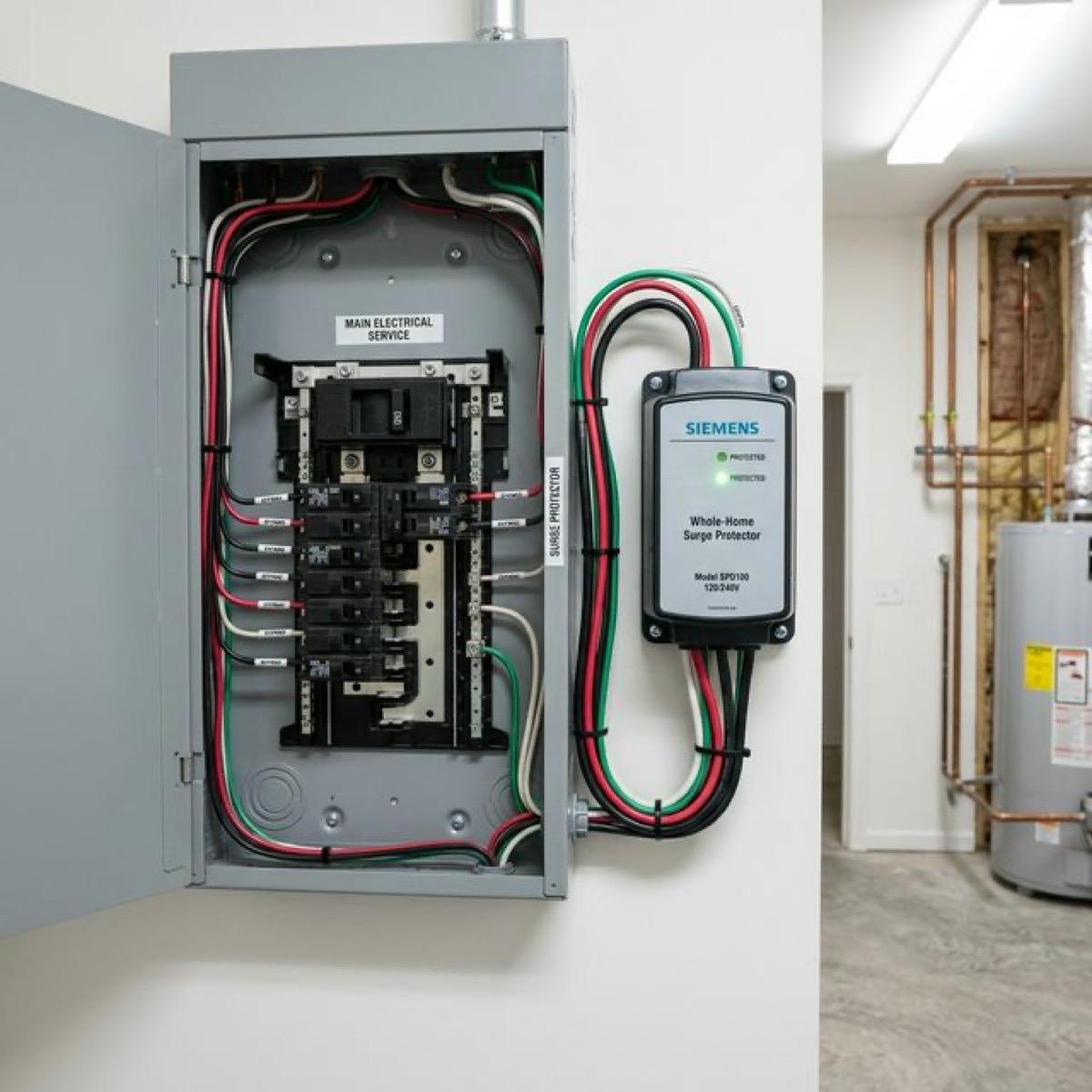
Whole-home protection against damaging power spikes.
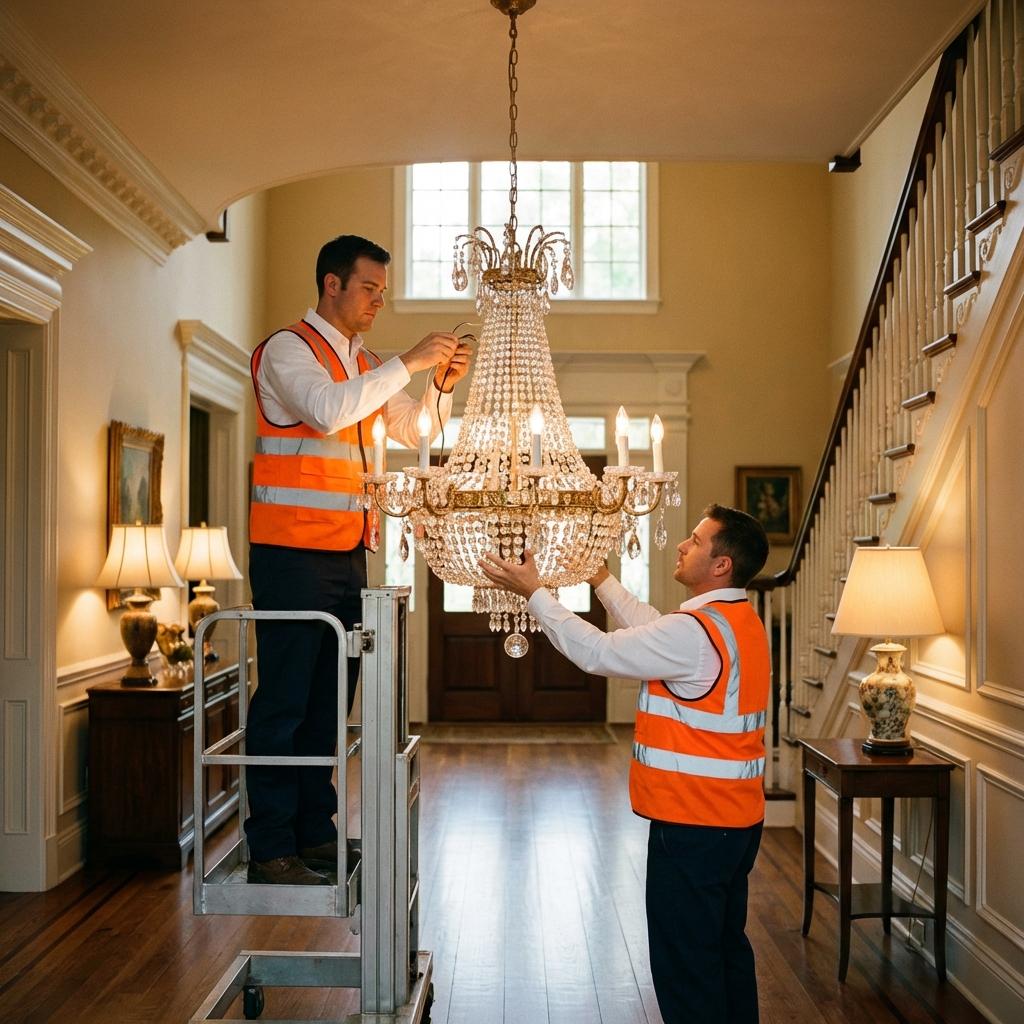
Modern homes contain tens of thousands of dollars in sensitive electronics, from smart appliances and HVAC systems to home theaters and computer networks. A single lightning strike or utility grid surge can destroy this equipment in milliseconds. Our whole-home surge protection installations use commercial-grade surge protective devices (SPDs) installed directly at your main electrical panel to intercept damaging voltage spikes before they reach any device in your home. We implement a layered protection strategy using both Type 1 SPDs (installed before the main breaker for external surge events) and Type 2 SPDs (installed after the main breaker for internal and utility surges) to provide comprehensive coverage. Every installation begins with a thorough grounding system verification, because surge protection is only as effective as your home's grounding. We also protect secondary entry points including cable, telephone, and data lines where surges can bypass panel-mounted protection. Our installed units feature joule ratings of 50,000 or higher and include connected equipment warranties up to $100,000 from the manufacturer, giving you financial protection alongside electrical protection. With the NEC 2020 now requiring surge protection in all new dwelling units, upgrading your existing home puts you ahead of code and protects your investment.
Covers every outlet and appliance in the house.
Cheaper than replacing fried appliances.
Many units come with connected equipment warranties.
Type 1 and Type 2 SPDs work together to stop surges from both external events and internal appliance cycling.
Manufacturer connected equipment warranties up to $100,000 provide financial protection if a surge damages your electronics.
The NEC 2020 requires surge protection for new dwelling units -- installing now brings your home up to the latest standard.
Our licensed electricians are ready to assist you in Northern Virginia.
Serving Fairfax, Arlington, Alexandria, Loudoun, and Prince William Counties.
Fairfax, Arlington, Alexandria, Loudoun & Prince William Counties
Northern Virginia's combination of severe thunderstorm activity, aging utility infrastructure, and high-value home electronics makes whole-home surge protection especially important in the DC metro area. Fairfax County, Loudoun County, and Prince William County experience an average of 30-40 thunderstorm days per year, each carrying the potential for damaging voltage spikes. The rapid residential development in Loudoun and Prince William counties puts additional strain on the power grid, causing utility switching events that generate internal surges. Meanwhile, the high concentration of technology professionals in areas like Reston, Herndon, and Ashburn means Northern Virginia homes contain significantly more sensitive electronics than the national average -- home offices with multiple monitors, networking equipment, smart home systems, and EV charging stations all vulnerable to surge damage. Dominion Energy's grid modernization efforts are ongoing, but older substations serving established neighborhoods in McLean, Vienna, Arlington, and Falls Church still produce power quality fluctuations that accelerate electronic wear. Installing whole-home surge protection is one of the most cost-effective investments a Northern Virginia homeowner can make, protecting equipment worth tens of thousands of dollars with a device that costs a fraction of a single appliance replacement.
See how we have helped homeowners across Northern Virginia with their surge protection needs.
Challenge
A McLean homeowner with over $80,000 in smart home equipment, including a Savant whole-home automation system, Lutron lighting, and a Sonos distributed audio setup, had already lost a $2,500 HVAC control board to a nearby lightning strike. The home had no surge protection beyond a few power strip protectors at the desk.
Solution
We installed a layered surge protection system with an Eaton Type 1 SPD at the meter base and a Siemens Type 2 SPD inside the main 400-amp panel. We also added dedicated point-of-use protection for the home theater rack and network closet, and installed surge-protected receptacles at the two subpanels serving the pool house and detached garage.
Result
The system has intercepted over a dozen recorded surge events in two storm seasons. Zero equipment losses since installation, and the homeowner's insurance provider reduced their premium by 8%.
Challenge
A townhome owner in the Broadlands community experienced repeated damage to garage door openers and smart thermostats. Utility switching events on the rapidly developing Loudoun County grid were causing frequent low-level surges that degraded electronics over time. The shared utility infrastructure made the home especially vulnerable.
Solution
We installed a Square D Type 2 SPD rated at 80,000 joules at the 200-amp main panel and added secondary surge protection on the cable and Ethernet entry points. We also verified the grounding electrode system and added a supplemental ground rod to improve the surge dissipation path.
Result
No further appliance failures in 18 months of operation. The homeowner estimates saving over $1,200 in avoided replacement costs for garage door openers and smart devices.
Challenge
A 1970s split-level home with a main panel and two subpanels had experienced a power surge during a summer thunderstorm that destroyed a refrigerator, washer control board, and home office computer. The home's grounding system was original and had not been inspected in decades, limiting any surge protection effectiveness.
Solution
We first upgraded the grounding electrode system with two new 8-foot ground rods bonded with #4 copper. Then we installed Type 2 SPDs at all three panels, each sized appropriately for the panel's capacity. We also added whole-house protection on the phone and cable entry points where surges can bypass panel protection.
Result
The grounding resistance dropped from 47 ohms to under 10 ohms, and the three-panel protection system provides comprehensive coverage. The homeowner registered connected equipment warranties totaling $200,000.
Challenge
A 9,000 square foot Great Falls estate with a main panel, four subpanels, a pool equipment panel, and a detached guest house had no surge protection despite housing over $150,000 in electronics, a commercial-grade kitchen, and a whole-home generator. The property's hilltop location made it particularly exposed to lightning activity.
Solution
We designed a comprehensive six-point protection plan with a Type 1 SPD at the service entrance and Type 2 SPDs at every panel including the guest house and pool equipment. We installed data line surge protection at the fiber entry point and cable TV demarc, and added dedicated UPS-grade protection in the home theater and wine cellar control system.
Result
The multi-layered system provides $500,000 in combined connected equipment warranty coverage. The homeowner's insurance carrier approved a premium discount, and the system has logged multiple intercepted surge events through its monitoring interface.
Permit requirements for surge protection vary by county. We handle the entire permitting process for you.
Permit Process
Surge protector installation at an existing panel does not typically require a permit in Fairfax County. If grounding system modifications are needed, a permit may be required through the Fairfax County Land Development Services.
Inspection Notes
No inspection required for standard SPD installation. Grounding modifications may trigger inspection requirements.
Special Requirements
Permit Process
Standard surge protector installation does not require a permit in Loudoun County. Permits are required if new circuits are added or grounding electrodes are modified. Applications are submitted through the Loudoun County Building and Development office.
Inspection Notes
Inspection not required for SPD-only installations. New circuit work requires rough-in and final inspections.
Special Requirements
Permit Process
Surge protector installation is considered maintenance-level work in Prince William County and does not require a permit. Grounding system upgrades or new dedicated circuits require permits through the Prince William County Development Services department.
Inspection Notes
No inspection for standard SPD installation. Grounding work requires inspection within 10 business days of completion.
Special Requirements
Permit Process
Arlington County does not require permits for surge protector installation at existing panels. Permits are required for any work that modifies circuits, adds new breakers beyond the SPD breaker, or modifies the grounding electrode system. Permit applications are handled through Arlington County Inspection Services.
Inspection Notes
Standard SPD installation does not require inspection. Any panel modifications beyond the SPD breaker connection require inspection.
Special Requirements
Transparent pricing with options to fit your budget and project scope. Every tier includes our quality guarantee.
$300-$500
Single-panel Type 2 surge protection for standard homes with one main panel.
$500-$800
Layered protection with Type 1 and Type 2 SPDs plus secondary entry point coverage.
$800-$1,500
Full-property protection for homes with multiple panels, subpanels, or detached structures.
Prices may vary based on the specific requirements of your project, the condition of existing electrical systems, and your home's unique characteristics. Contact us for a free, no-obligation estimate tailored to your needs.
Different home styles have unique electrical characteristics. Select your housing type to see specific considerations.
Colonial homes in Northern Virginia frequently have panels in finished basements with limited clearance. We verify adequate working space and may recommend panel relocation if clearance is insufficient. Homes in McLean, Vienna, and Great Falls often have additions with subpanels that require separate SPD installations.
We follow a proven process to ensure your project is completed safely, on time, and to your complete satisfaction.
We examine your electrical panel to determine the best location and appropriate surge protector model for your home.
We discuss your protection needs based on equipment value, local lightning activity, and power quality concerns.
You receive a straightforward estimate for the surge protector and installation.
We install the surge protector at your panel with proper breaker connection and grounding.
For homes with subpanels or detached structures, we ensure complete coverage.
We verify the protection is active and explain the status indicator lights.
You receive warranty information and registration details for connected equipment coverage.
Get answers to common questions about our surge protection services.
Power strip surge protectors only protect devices plugged into that strip and have limited capacity. Whole-home surge protection is installed at your electrical panel and protects every outlet, hardwired appliance, and device in your home. It provides much higher surge capacity and is the first line of defense before surges reach your equipment.
Lightning is the most dramatic cause, but most surges come from utility grid switching, power restoration after outages, and large appliances cycling on and off within your home. All of these events can damage sensitive electronics over time. Surges can enter through power lines, phone lines, or cable connections.
Yes, surge protectors absorb energy with each surge event, which degrades their capacity over time. Quality units have indicator lights that show protection status. Most last 5-10 years under normal conditions, but severe surge events or frequent activity may shorten lifespan. We recommend periodic inspection.
No surge protector can fully protect against a direct lightning strike to your home or power lines due to the extreme energy involved. However, whole-home protection greatly reduces damage from nearby strikes and grid-induced surges. For maximum protection, combine whole-home surge protection with good grounding and point-of-use protectors for critical equipment.
Some insurance companies offer discounts for homes with whole-home surge protection because it reduces the likelihood of claims for electronic damage. Contact your insurance provider to ask about available discounts. The equipment cost often pays for itself through premium savings and protected electronics.
Whole-home protection handles most surges, but a layered approach offers the best protection. For very sensitive equipment like computers, home theater systems, or medical devices, adding a quality point-of-use surge protector provides extra protection. Think of it as belt and suspenders.
Installation typically takes 1-2 hours. The surge protector is installed at or near your main electrical panel and wired to a dedicated breaker. No major electrical work or outages are required, and protection is active immediately after installation.
Yes, the NEC 2020 (Article 242) requires surge protective devices for all new dwelling unit services. While this applies specifically to new construction, many Northern Virginia homeowners are proactively adding surge protection to existing homes for the same safety benefits. Adding surge protection now brings your home in line with the current code standard.
For residential whole-home protection, we recommend a minimum joule rating of 50,000 joules. Higher joule ratings indicate more surge absorption capacity before the unit needs replacement. Premium units offer 80,000-100,000 joules for maximum longevity. We select the appropriate rating based on your home's exposure and the value of connected equipment.
Yes, and it should. Modern HVAC systems use sensitive electronic control boards that are highly vulnerable to surge damage. A single surge can destroy a control board costing $500-$1,500 to replace. Whole-home surge protection at the panel guards your HVAC system along with every other connected appliance and device.
Quality whole-home surge protectors have LED indicator lights that show protection status -- green means active, red or no light means the unit has absorbed its capacity and needs replacement. We recommend checking these indicators monthly. Some smart units can send alerts to your phone when protection degrades.
Type 1 SPDs are installed on the line side of the main breaker and protect against external surges like lightning and utility events. Type 2 SPDs are installed on the load side and protect against both external and internal surges from appliances cycling. A layered approach using both types provides the most comprehensive protection for your home.
Every home is different. Here are the factors that influence pricing for surge protection services.
Get Your Free Estimate
Contact us for a no-obligation quote tailored to your specific needs. We provide upfront, transparent pricing with no hidden fees.
1-2 hours
$300-$800 installed
Surge protector manufacturers provide 5-10 year product warranties, and most include connected equipment warranties covering up to $100,000 in damage to devices protected by the unit. Our 1-year installation workmanship warranty covers all labor, and we replace failed units at no additional labor cost.
Explore other electrical services that complement surge protection.
Upgrade your home's electrical capacity with safe, modern panel installations.
Never lose power again with reliable standby generator solutions.
Integration for smart switches, thermostats, and video doorbells.
Expert diagnosis and repair for flickering lights, dead outlets, and more.
AJ Long Electric brings specialized surge protection expertise to every installation in Northern Virginia. Unlike general handyman services that simply bolt a device to your panel, we approach surge protection as a complete system -- verifying your grounding electrode system, assessing your panel capacity and configuration, identifying all secondary surge entry points, and designing a layered protection strategy tailored to your home and equipment. Our electricians are trained on the latest SPD technology from Eaton, Siemens, and Square D, and we stock commercial-grade units with joule ratings of 50,000 to 100,000+ that far exceed the consumer-grade devices found at hardware stores. We understand the specific power quality challenges across Northern Virginia, from the aging Dominion Energy infrastructure serving older Fairfax County neighborhoods to the rapid-growth grid stress in Loudoun County developments. Every installation includes a grounding impedance test, because a surge protector is only as effective as the grounding path it relies on -- a step that most competitors skip entirely. We register your connected equipment warranty, provide documentation for your insurance provider, and schedule follow-up verification at no additional charge. Our transparent pricing, licensed electricians, and commitment to doing the job right the first time have made us the trusted choice for surge protection across the DC metro area.
Virginia Licensed Electricians
Fully Bonded & Insured
Serving Northern Virginia
On All Workmanship
We proudly provide surge protection services across Northern Virginia, Washington DC, and Maryland. Click on your area to learn more.
Learn more about surge protection from our team of licensed electricians in Northern Virginia.
Electrical surges can damage EV chargers and vehicles. Learn about surge protection options and why they matter.
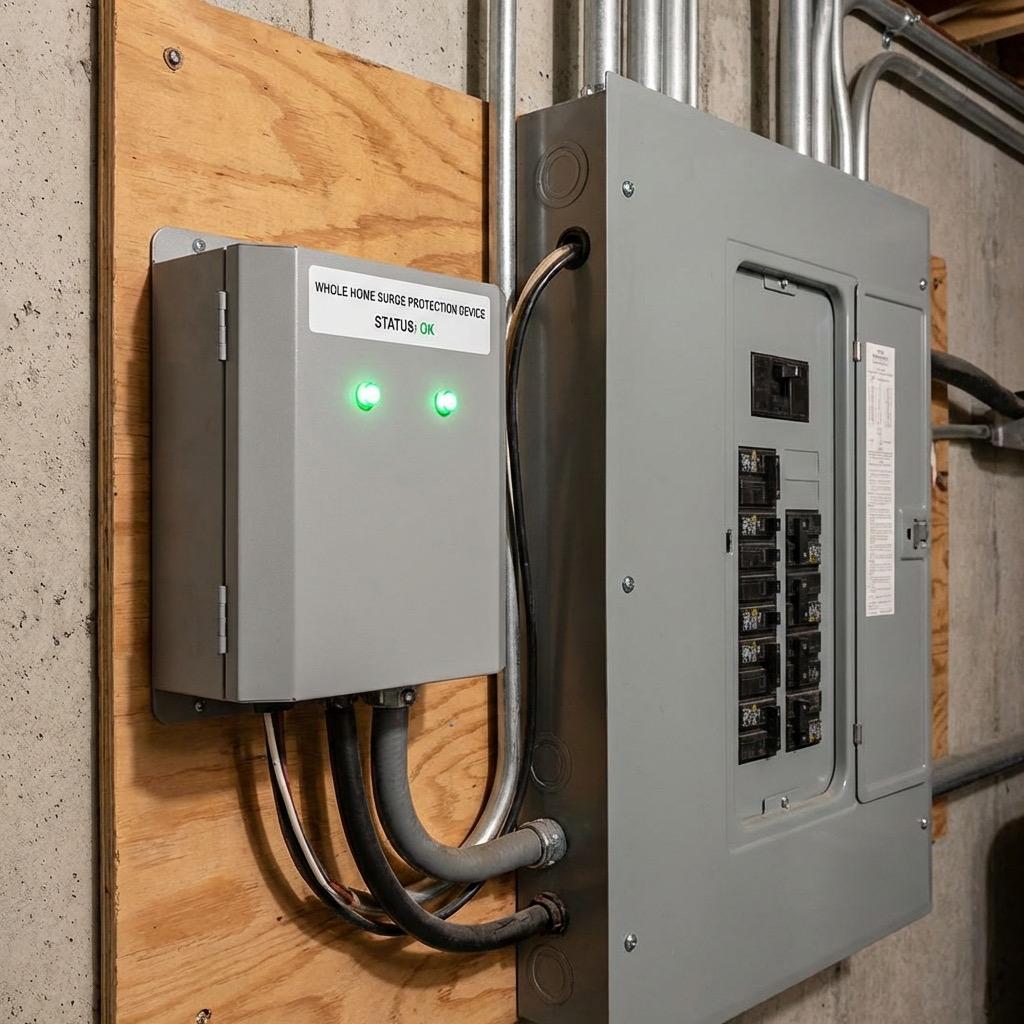
Power surges damage electronics and appliances worth billions annually. Learn how whole-home surge protection works and...
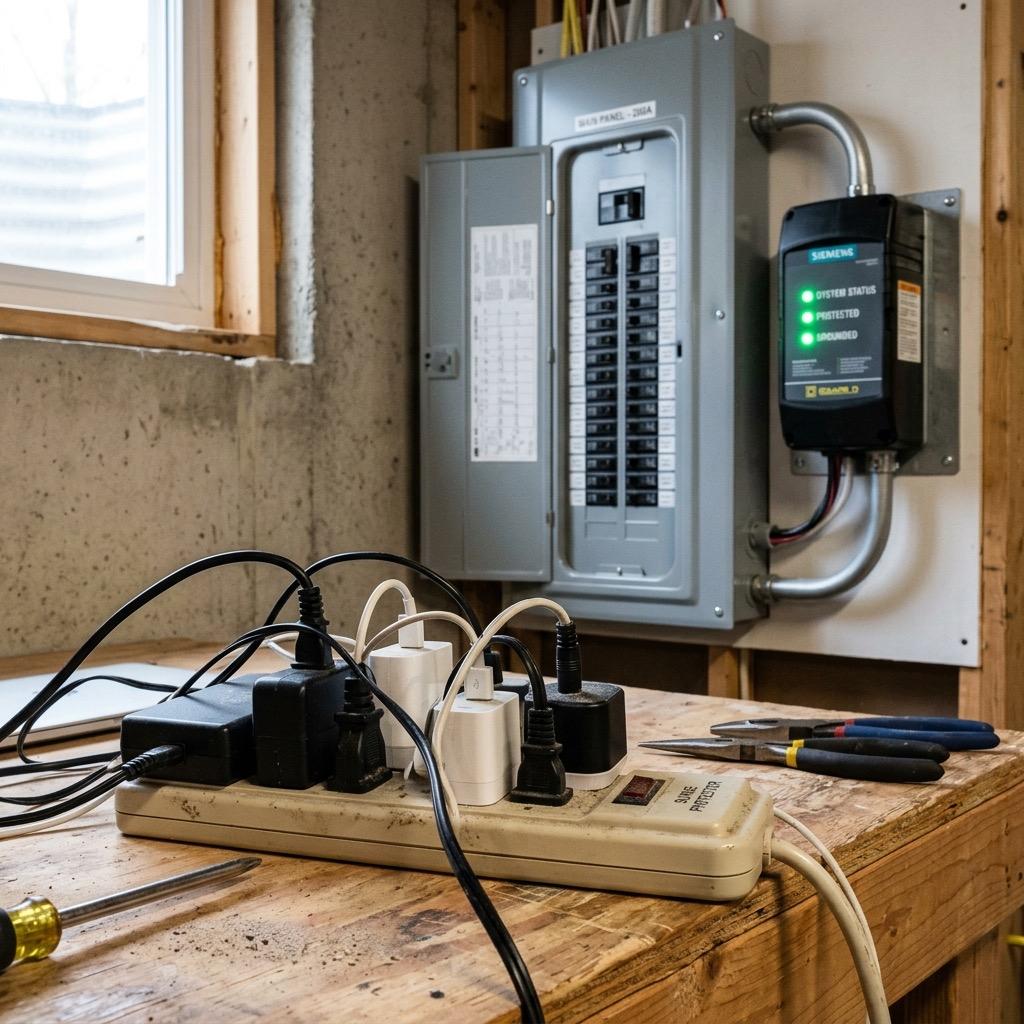
Wondering if your power strips are enough to protect your electronics and appliances? This guide compares whole-house...