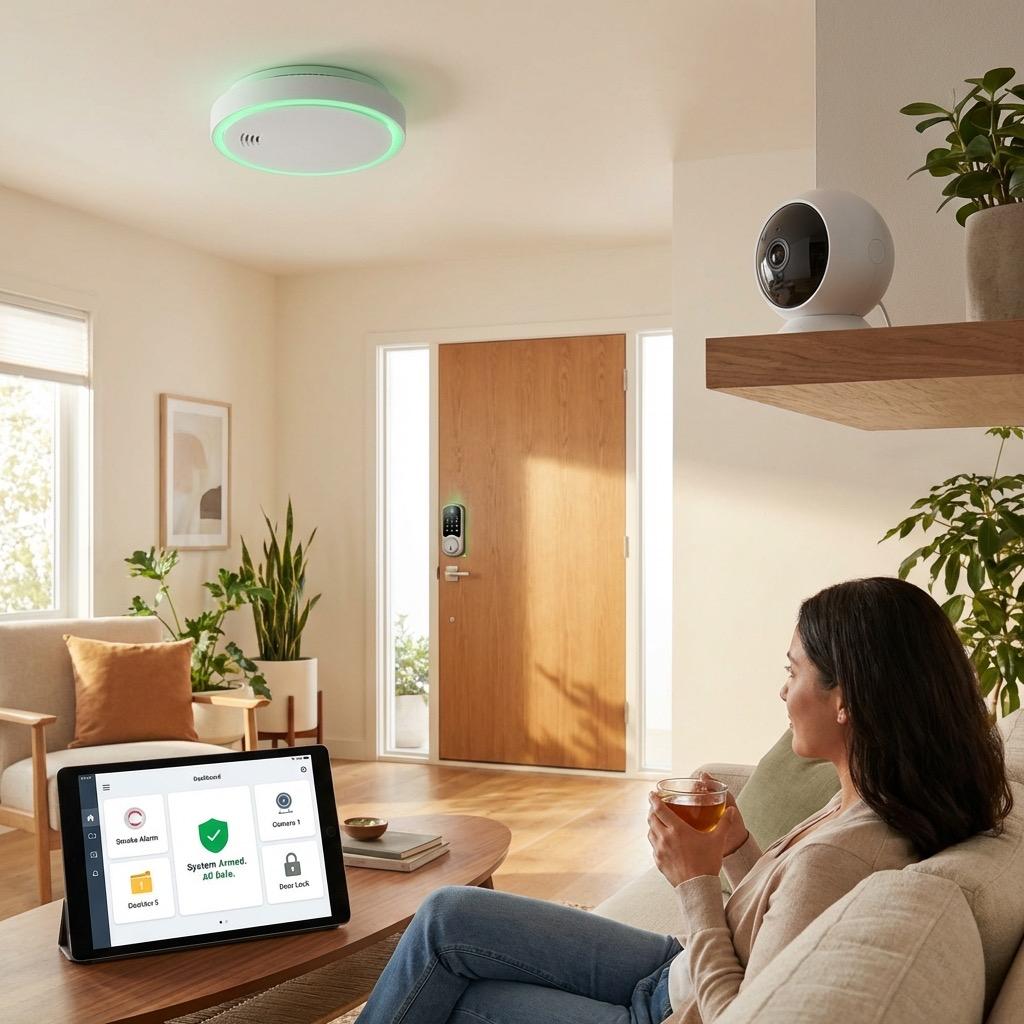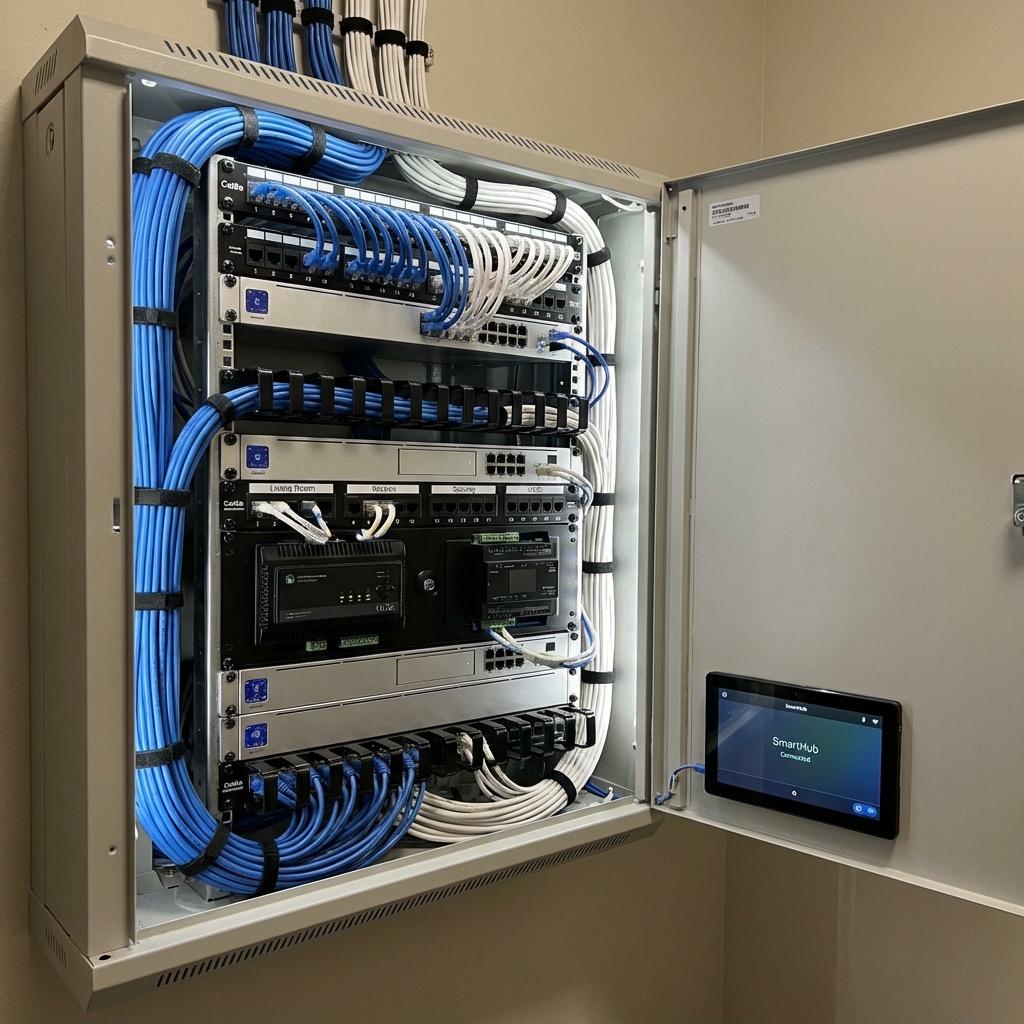
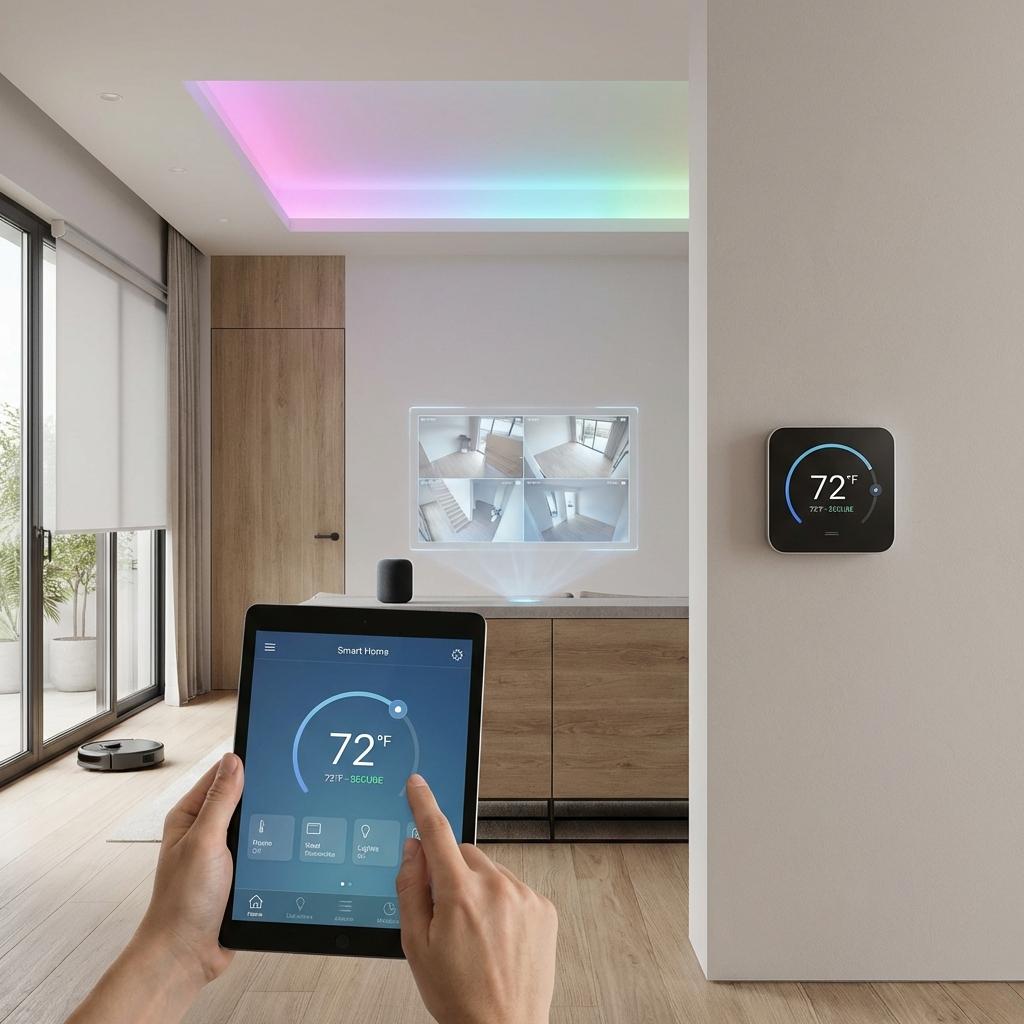
Smart home technology has transformed how we live, offering convenience, energy savings, and enhanced security. However, integrating these devices into your home's electrical system requires careful consideration to ensure safety and reliability. Here's what every Northern Virginia homeowner should know about smart home electrical safety.
Key Takeaways
- Smart plugs should never be chained together or used to power high-wattage appliances like space heaters
- Many smart switches require a neutral wire, which older Northern Virginia homes often lack in switch boxes
- Whole-home surge protection at your electrical panel is essential to protect smart devices from power surges and lightning
- Video doorbells often need a transformer upgrade to a 16-24V AC unit rated for at least 30VA
- Always hire a licensed electrician for hardwired smart device installations to maintain safety and code compliance
Understanding Smart Home Power Requirements
Most smart home devices have modest power requirements, but the cumulative effect of many devices can strain your electrical system. Consider these common devices and their typical power draws:
- Smart Hubs: 5-15 watts
- Smart Displays: 10-30 watts
- Video Doorbells: 2-5 watts (hardwired)
- Smart Thermostats: 1-3 watts
- Smart Plugs: 0.5-1 watt standby + device load
1. Don't Overload Circuits with Smart Plugs
Smart plugs are incredibly convenient, but they're designed to control devices, not increase your circuit's capacity. Never chain multiple smart plugs together or use them to power high-wattage appliances like space heaters or air conditioners unless specifically rated for such loads.
A professional electrical inspection identifies hidden hazards before they become emergencies. Our licensed electricians provide thorough safety inspections throughout Northern Virginia. Call (703) 997-0026 to schedule yours.
Smart Plug Safety Rules
- Check the amp rating of your smart plug (typically 10-15 amps)
- Never exceed the rated wattage
- Don't use with devices that heat or cool
- Ensure proper ventilation around the plug
Pro Tip: Use smart plugs with built-in energy monitoring to track how much power each device draws. If a smart plug feels warm to the touch during normal use, the connected device may be drawing too much current. Unplug it immediately and check the device's wattage against the smart plug's rated capacity.
2. Hire a Professional for Hardwired Devices
Many smart home devices require hardwiring or modifications to existing electrical boxes. This includes:
- Video doorbells (often need transformer upgrade)
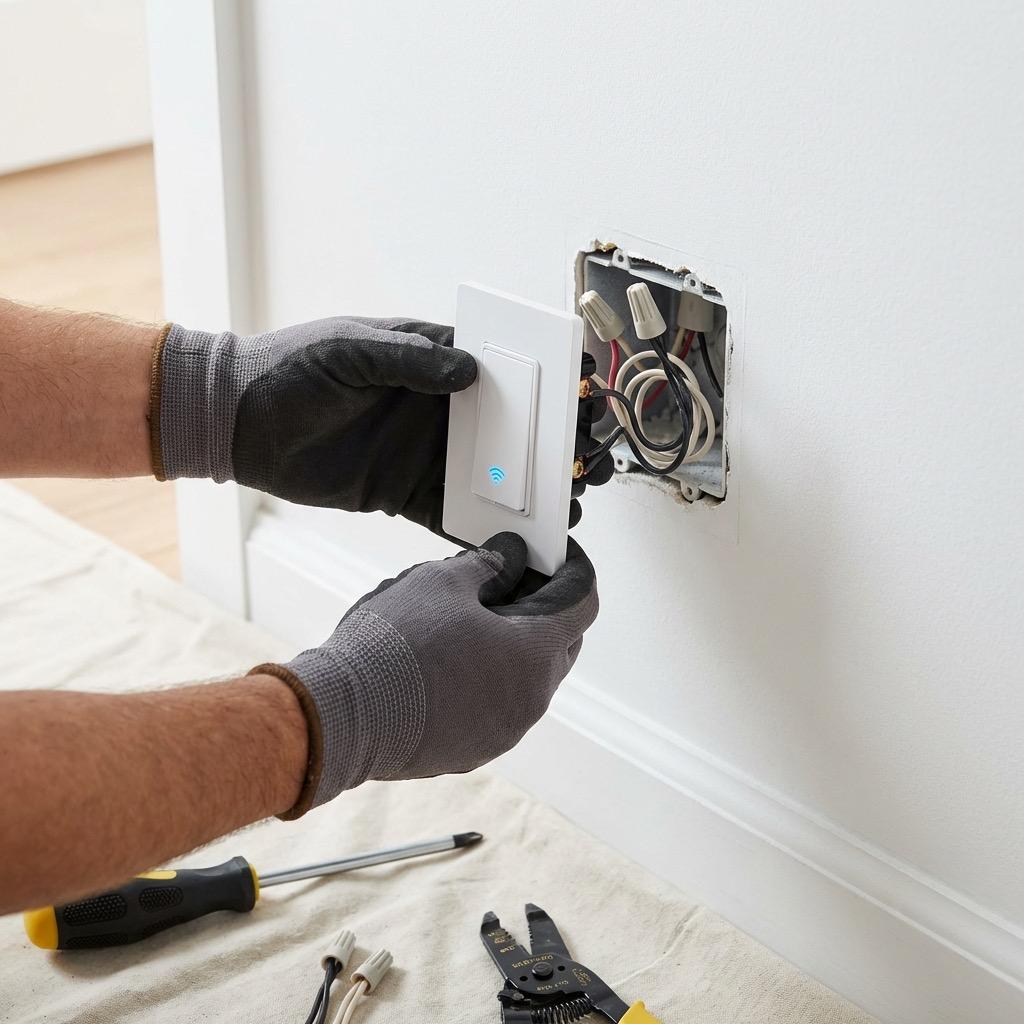
- Smart light switches (require neutral wire)
- Smart thermostats (may need C-wire)
- Built-in smart speakers and displays
Always hire a licensed electrician for these installations. DIY electrical work can void warranties, create fire hazards, and violate local building codes.
3. Ensure Proper Smart Switch Installation
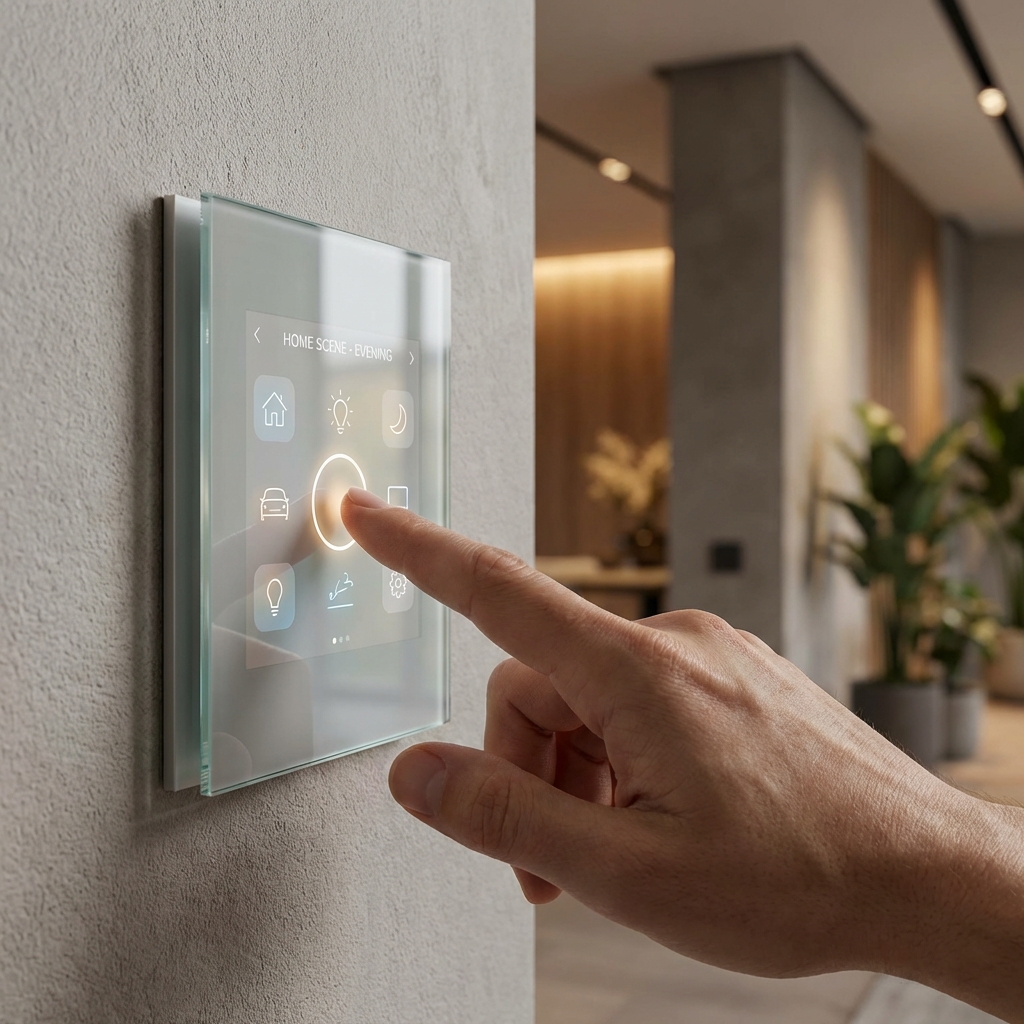
Smart switches are among the most popular smart home upgrades, but installation requires understanding your existing wiring. Many older homes in Northern Virginia lack neutral wires in switch boxes, which most smart switches require.
Questions to Ask Before Installing Smart Switches
- Does the switch box have a neutral wire?
- Is the switch part of a 3-way or 4-way configuration?
- What is the total wattage of the lights on this switch?
- Is the box large enough to accommodate a smart switch?
4. Protect Your Network and Devices
Smart home devices rely on your home network, making cybersecurity an electrical safety concern. A compromised device could potentially be used to manipulate electrical systems.
Network Security Best Practices
- Use a separate WiFi network for smart devices
- Keep device firmware updated
- Use strong, unique passwords
- Enable two-factor authentication when available
5. Install Whole-Home Surge Protection
Smart devices are sensitive to power surges. A single lightning strike or utility surge can damage multiple connected devices simultaneously. A whole-home surge protector installed at your electrical panel provides comprehensive protection for all your smart devices.
Good to Know: A whole-home surge protector installed at your electrical panel typically costs between $300 and $600 including installation. When you consider that a single power surge can destroy thousands of dollars worth of smart devices, thermostats, and electronics throughout your home, surge protection is one of the most cost-effective investments you can make.
6. Consider Your Doorbell Transformer
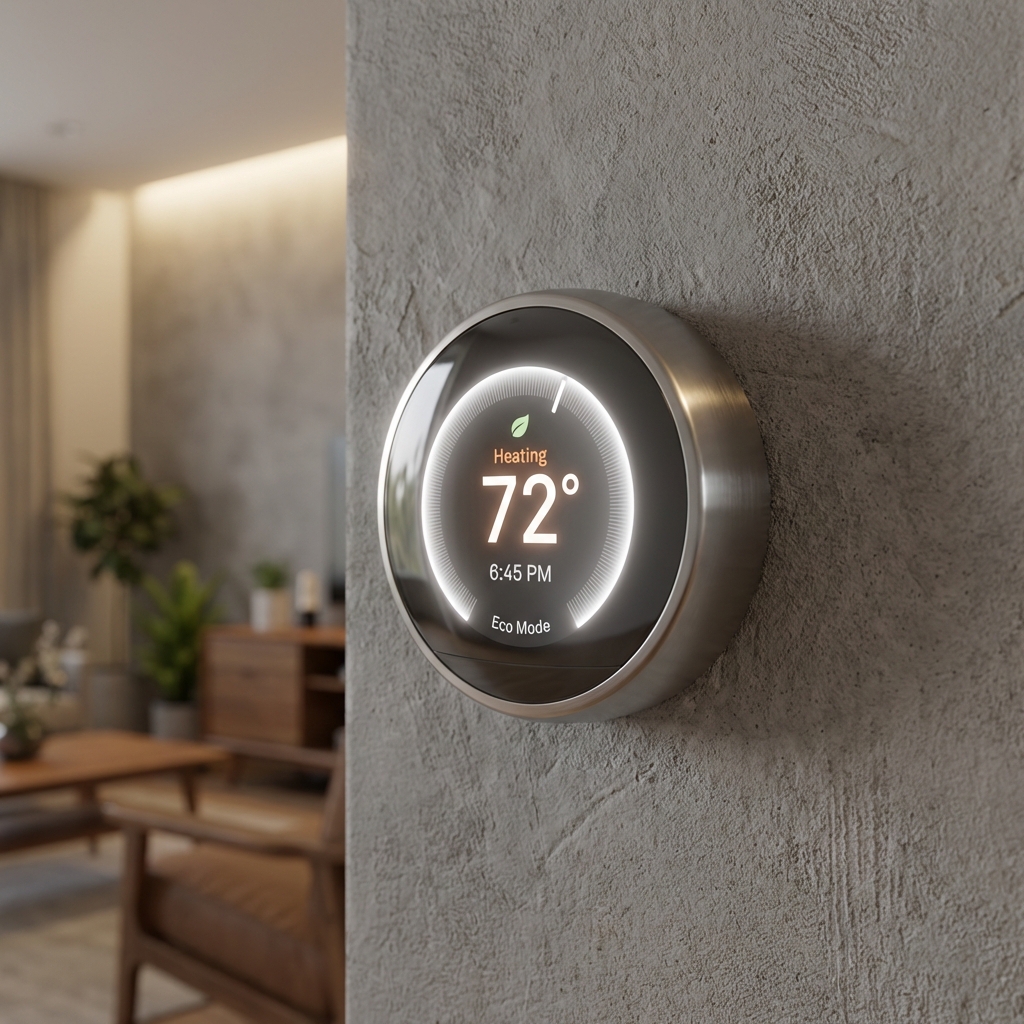
Video doorbells like Ring and Nest require more power than traditional doorbells. If your video doorbell has issues with charging or connectivity, your transformer may need an upgrade. Most video doorbells require a 16-24V AC transformer rated for at least 30VA.
7. Plan for Battery Backups
Many smart home systems rely on continuous power and internet connectivity. Consider these backup solutions:
- UPS (Uninterruptible Power Supply) for hubs and routers
- Smart locks with battery backup
- Cellular backup for security systems
- Standby generator for whole-home protection
Professional Smart Home Electrical Services
AJ Long Electric specializes in smart home electrical installations throughout Northern Virginia. From running new circuits for smart devices to installing whole-home surge protection, our team ensures your smart home is safe, reliable, and code-compliant. Contact us for a consultation!
Tags:

Written by
AJ Long Electric Team
Licensed Electricians
Our team of licensed electricians brings over 40 years of combined experience serving Northern Virginia. We're committed to providing expert electrical solutions with a focus on safety, quality, and customer satisfaction.
Reviewed by AJ Long Electric Master Electricians · VA License #2705031092 · View Credentials