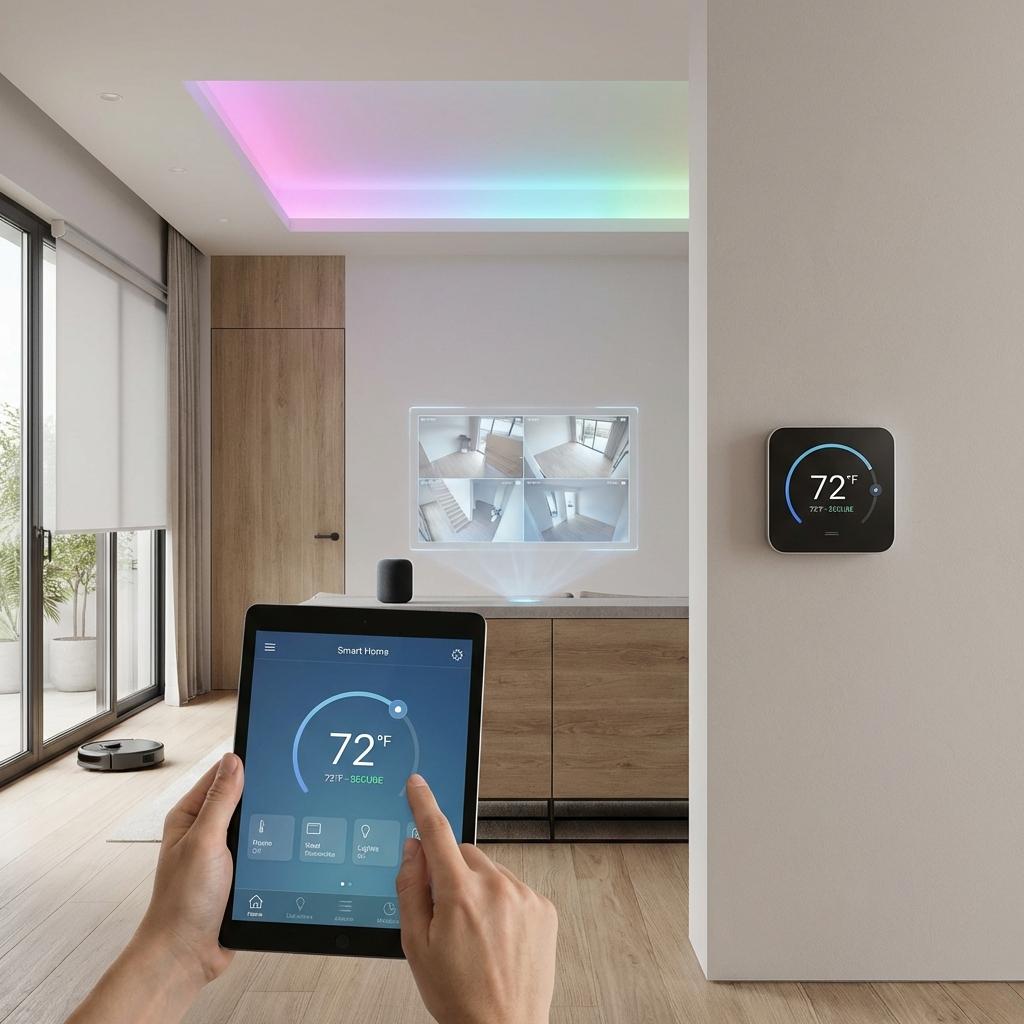
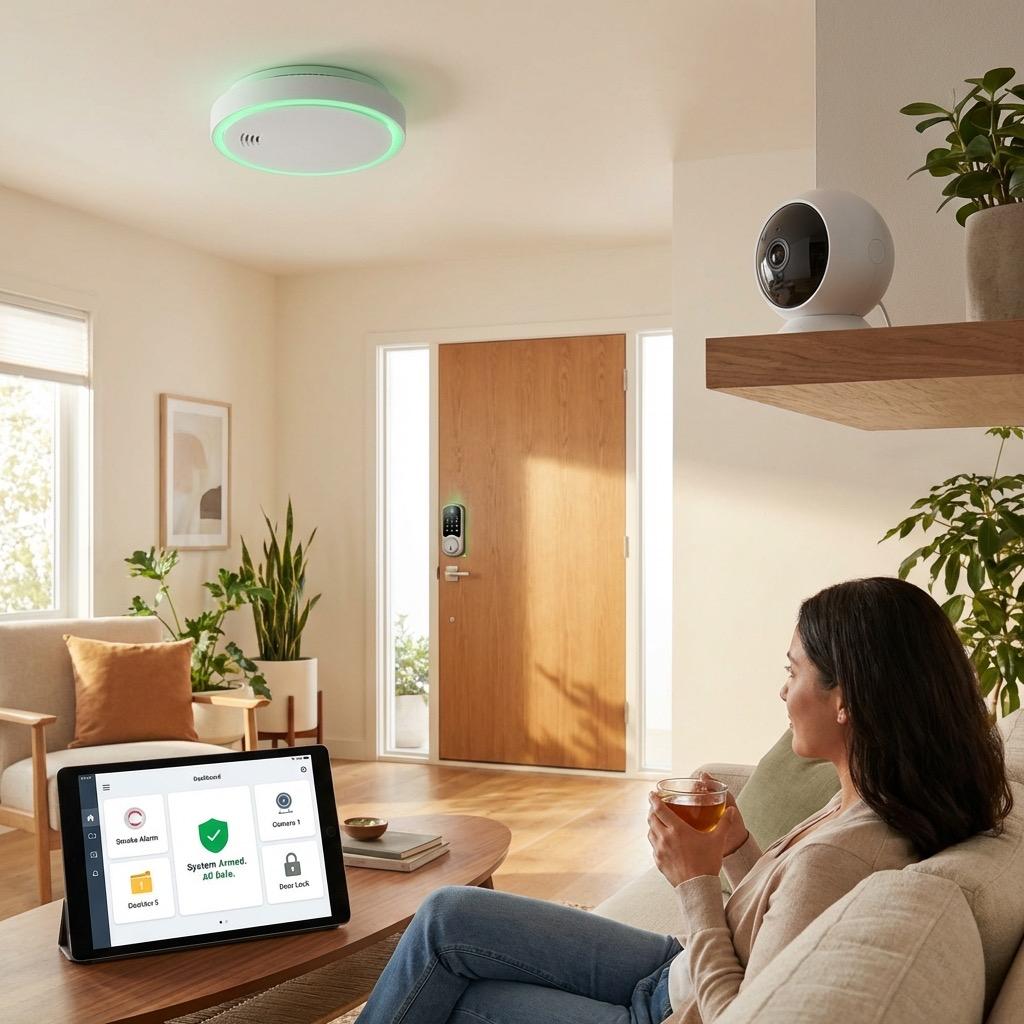
Smart home technology promises convenience, energy savings, and enhanced security, but it also introduces new electrical safety considerations that homeowners need to understand. Every smart switch, smart plug, and smart device added to your home places additional load on your electrical system and introduces electronic components that are sensitive to power quality issues. When installed properly by qualified professionals using quality products, smart home devices are as safe as any other electrical equipment. But shortcuts, overloaded circuits, uncertified products, and aging electrical infrastructure can create hazards that range from nuisance tripping to serious fire risks. As master electricians who have wired hundreds of smart homes across Northern Virginia, we have seen the full spectrum of smart home electrical issues and want to share the safety knowledge every connected homeowner should have.
Key Takeaways
- Never overload circuits by stacking smart plugs with high-draw devices, and never use smart plugs to control space heaters.
- Only purchase smart home devices with UL or ETL safety certification from reputable manufacturers.
- Whole-home surge protection guards sensitive smart home electronics against power line surges that can cause damage or fire.
- Older homes may need electrical panel upgrades and wiring assessment before supporting significant smart home installations.
- Keep all smart device firmware updated to patch security vulnerabilities and fix bugs that could affect device operation.
Circuit Load Management
Every smart device you add to your home draws electrical power, and that power comes from circuits with finite capacity. While individual smart devices draw modest amounts, the cumulative load across dozens of devices matters, especially when those devices are on circuits that also serve high-draw appliances and equipment.
Understanding Circuit Capacity
Standard residential circuits in Northern Virginia homes are rated for either 15 or 20 amps. The National Electrical Code limits continuous loads to 80 percent of circuit capacity, meaning a 15-amp circuit should carry no more than 12 amps of continuous load, and a 20-amp circuit no more than 16 amps. Smart switches and smart outlets themselves draw minimal power, typically less than 1 watt each. The risk comes from the devices controlled by smart outlets.
A common dangerous scenario involves homeowners connecting multiple high-draw devices through smart plugs on the same circuit. A space heater at 1,500 watts, a window AC unit at 1,200 watts, and a hair dryer at 1,800 watts would collectively draw 37.5 amps on a 15-amp circuit, dramatically exceeding its capacity. While the circuit breaker should trip in this scenario, repeatedly overloading circuits degrades the breaker over time and heats wiring connections, creating potential fire hazards.
Smart Plugs and High-Draw Devices
We cannot emphasize this strongly enough: never use smart plugs to control space heaters. This combination appears in nearly every electrical safety bulletin related to smart home products. The issue is not just the amperage draw but the combination of sustained high heat generation from the heater located near the plastic housing and electrical connections of the smart plug. Over time, connections can loosen from thermal cycling, resistance increases at loose connections, and heat builds to dangerous levels. Use smart thermostats to control your HVAC system instead, which is both safer and more energy efficient.
Safety Rule: As a general guideline, do not use smart plugs to control any device that generates significant heat as part of its primary function. This includes space heaters, portable radiators, oil-filled heaters, toaster ovens, and heat lamps. These devices should be plugged directly into wall outlets and controlled manually or through purpose-built smart controls.
Product Quality and Certification
The smart home market includes products from hundreds of manufacturers, ranging from established brands with rigorous safety testing to unknown importers selling directly through online marketplaces with minimal quality control.
A professional electrical inspection identifies hidden hazards before they become emergencies. Our licensed electricians provide thorough safety inspections throughout Northern Virginia. Call (703) 997-0026 to schedule yours.
Look for UL or ETL Certification
UL (Underwriters Laboratories) and ETL (Intertek) certification marks indicate that a product has been tested by an independent laboratory and meets recognized safety standards. Products carrying these marks have undergone testing for electrical safety, fire resistance, and material quality. Products without these marks may have skipped these tests entirely. While the absence of certification does not automatically mean a product is dangerous, it means you are trusting the manufacturer's own testing, which may be inadequate.
Avoiding Dangerous Counterfeits
Online marketplaces are filled with uncertified smart plugs, switches, and outlets at attractively low prices. Some of these products carry counterfeit UL or ETL marks. Warning signs include prices significantly below established brands, missing or unusual safety certification marks, poor grammar in product descriptions and instructions, lack of manufacturer contact information, and no visible FCC ID on the product. Investing a few extra dollars in certified products from known brands is a trivial cost compared to the potential consequences of an electrical fire.
Whole-Home Surge Protection
Smart home devices are sensitive electronics that can be damaged or destroyed by power surges. Unlike a traditional light switch, which is a simple mechanical device with nothing to fry, a smart switch contains a microprocessor, WiFi radio, and other electronic components that are vulnerable to voltage spikes.
Types of Power Surges
The most dramatic surges come from lightning strikes, which are not uncommon during Northern Virginia's summer thunderstorm season. But the majority of surges are smaller events generated internally by your home's own equipment. Large motors in HVAC systems, refrigerators, and washing machines create small surges when they start and stop. These micro-surges accumulate over time, degrading electronic components and shortening the lifespan of smart devices.
Whole-Home Surge Protection
A whole-home surge protector installs at your main electrical panel and protects every circuit in your house. It absorbs or diverts voltage spikes before they reach your devices. For homes with significant smart home investments, whole-home surge protection is not optional. It is essential insurance for thousands of dollars worth of smart switches, hubs, and controllers. The cost of a quality whole-home surge protector with professional installation is typically $300 to $600, a fraction of what it would cost to replace all your smart devices after a serious surge event.
Pro Tip: Combine whole-home surge protection with point-of-use surge protectors for your most valuable electronics. A surge protector power strip at your entertainment center and a UPS at your network closet provide an additional layer of protection. This layered approach catches surges that whole-home protection attenuates but does not fully eliminate.
Electrical Infrastructure Assessment
Before adding significant smart home technology to an older Northern Virginia home, have your electrical infrastructure assessed by a licensed electrician. Homes built before 1970 may have electrical systems that were designed for a fraction of the loads that modern lifestyles demand, even before adding smart devices.
Panel Capacity
Many older homes in Arlington, Falls Church, Annandale, and Springfield have 100-amp or even 60-amp electrical panels. While smart devices themselves do not draw much power, the broader trend of electrification (EV chargers, heat pumps, induction cooktops) that often accompanies smart home upgrades can push older panels past their limits. A panel upgrade to 200 amps provides adequate capacity for a fully modern, electrified, and automated home.
Wiring Condition
Aluminum wiring, found in homes built between approximately 1965 and 1973, requires special attention when connecting smart devices. Aluminum wires expand and contract more than copper with temperature changes, which can loosen connections over time. Smart switches and outlets should be rated for aluminum wiring, or proper aluminum-to-copper transitions should be made using approved connectors.
Grounding
Older homes may lack proper grounding at some or all outlet locations. Smart devices, like all electronic equipment, depend on proper grounding for both safety and electromagnetic compatibility. An electrician can assess grounding throughout your home and make corrections where needed.
Firmware Updates and Cybersecurity
Smart home safety extends beyond electrical considerations into the digital realm. Every WiFi-connected device in your home is a potential entry point for hackers if not properly secured.
Keep Devices Updated
Manufacturers regularly release firmware updates that patch security vulnerabilities and fix bugs. Enable automatic updates where available, and periodically check for updates on devices that do not auto-update. Discontinued devices that no longer receive updates should be evaluated for replacement, as unpatched vulnerabilities create security risks for your entire network.
Network Security Practices
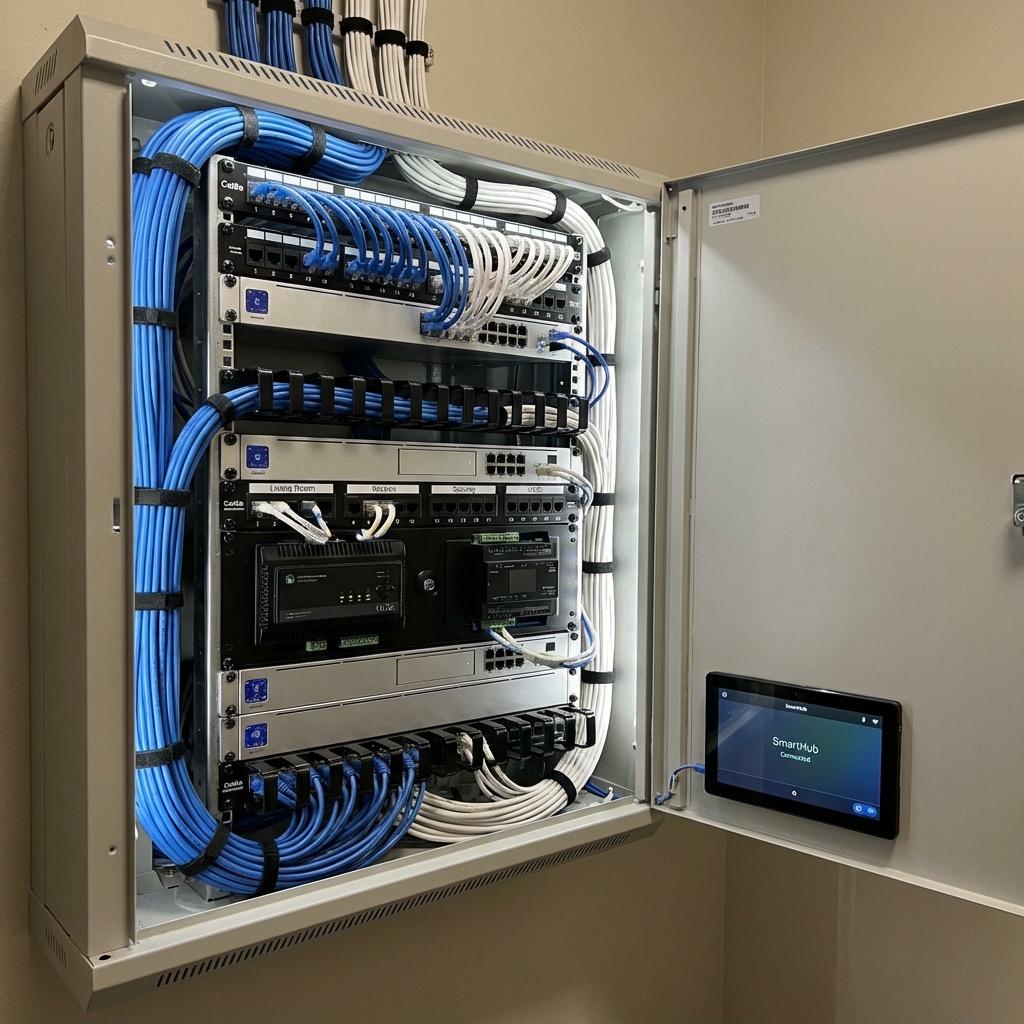
Isolate smart home devices on a separate network segment (VLAN or guest network) from your primary computers and phones. Use strong, unique passwords for each device account. Enable two-factor authentication where available. Change default passwords on all devices, as factory defaults are publicly known and easily exploited.
Professional Assessment and Installation
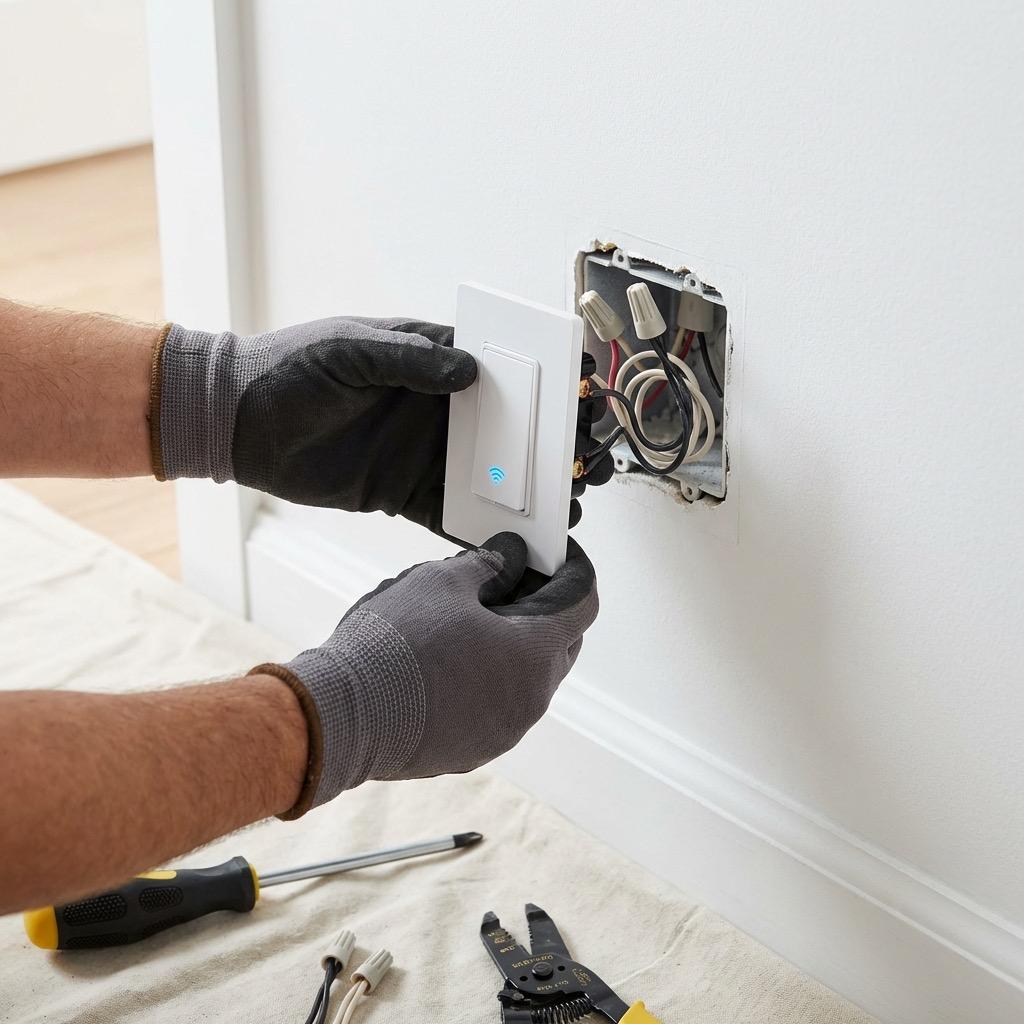
The safest approach to smart home electrical work is professional installation by a licensed electrician who understands both the electrical requirements and the specific demands of smart home devices. Professional installation ensures proper wire connections that will not loosen over time, correct load calculations that prevent circuit overloading, code-compliant wiring that passes inspection, and safe integration with your existing electrical infrastructure regardless of its age or condition.
Concerned about the safety of your smart home setup or want a professional assessment of your electrical system? AJ Long Electric provides comprehensive electrical safety assessments and smart home installation services throughout Northern Virginia. Our licensed master electricians ensure your connected home is safe, code-compliant, and protected against both electrical and cybersecurity risks. Contact us today for a smart home safety evaluation.
Tags:

Written by
Matt Long
Master Electrician
Our team of licensed electricians brings over 40 years of combined experience serving Northern Virginia. We're committed to providing expert electrical solutions with a focus on safety, quality, and customer satisfaction.
Reviewed by AJ Long Electric Master Electricians · VA License #2705031092 · View Credentials