Upgrading your electrical system can reduce insurance premiums by 5-15%, while outdated wiring may increase costs or limit coverage entirely. For Northern Virginia homeowners, understanding the relationship between your electrical system and your insurance policy is essential for both protecting your investment and managing your household budget. This guide explains how insurers evaluate electrical systems, what upgrades earn discounts, and what pitfalls to avoid.
Key Takeaways
- Modern electrical panels with AFCI protection can reduce homeowner insurance premiums by 5-15%
- Federal Pacific panels, fuse boxes, and knob-and-tube wiring may result in coverage denial or significant premium increases
- Insurance covers damage from electrical fires but not the cost of preventive upgrades or normal wear
- Unpermitted DIY electrical work can void your coverage for related claims
- Documenting your electrical upgrades and sharing them with your insurer ensures you receive available discounts
How Your Electrical System Affects Insurance Premiums
Insurance companies assess risk when setting your homeowner's premiums, and your electrical system is a significant factor in that risk calculation. Electrical fires account for roughly 50,000 home fires annually in the United States, making the condition of your wiring a key underwriting concern. In Northern Virginia's older housing stock, particularly in communities built before the 1980s in Fairfax County, Arlington, and Falls Church, outdated electrical systems are a common issue that directly impacts insurance costs.
Premium Reductions for Modern Systems
Insurance companies reward homeowners who maintain modern, safe electrical systems. Upgrades that can qualify for premium discounts include:
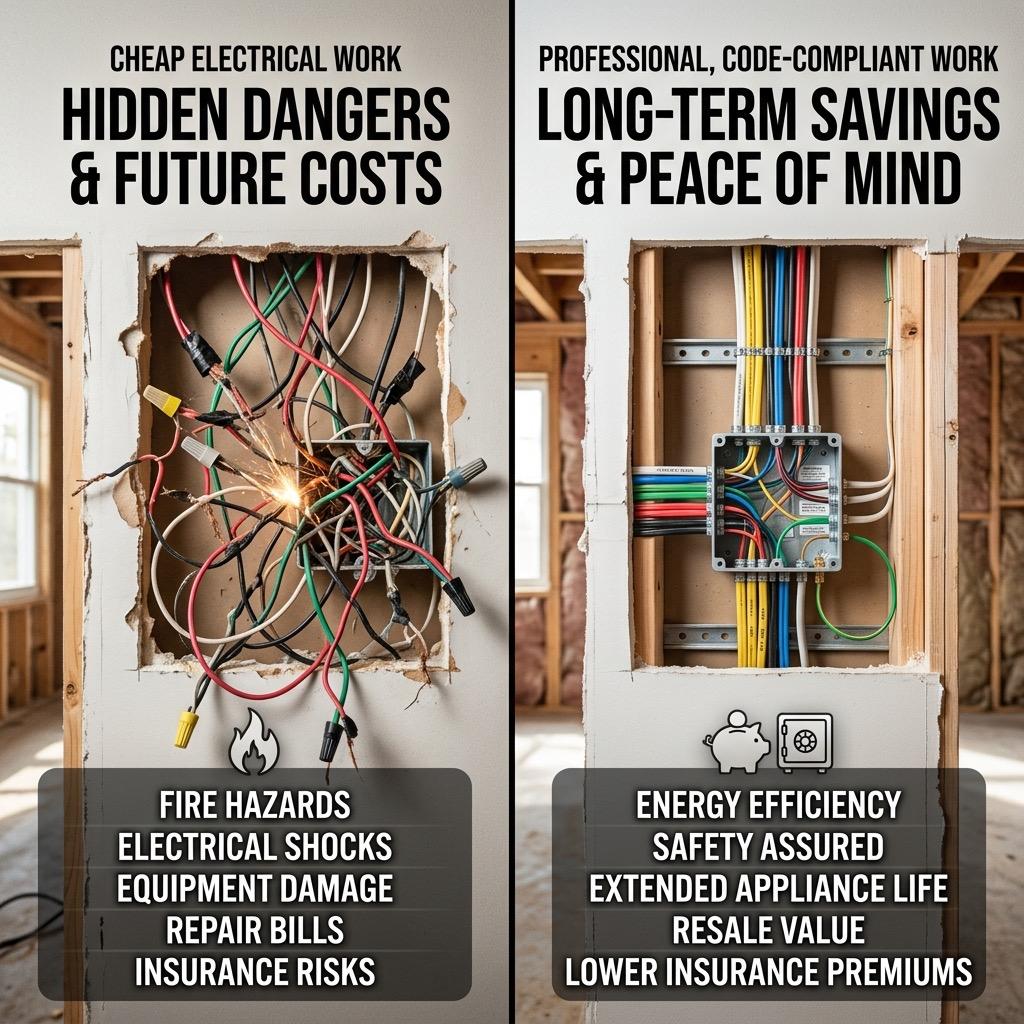
- Modern electrical panel: Replacing a fuse box or outdated panel with a current 200-amp circuit breaker panel demonstrates reduced fire risk. Many insurers offer 5-10% premium reductions for this upgrade alone.
- AFCI protection: Arc-fault circuit interrupters detect dangerous electrical arcs before they can start fires. Homes with comprehensive AFCI protection may qualify for additional discounts.
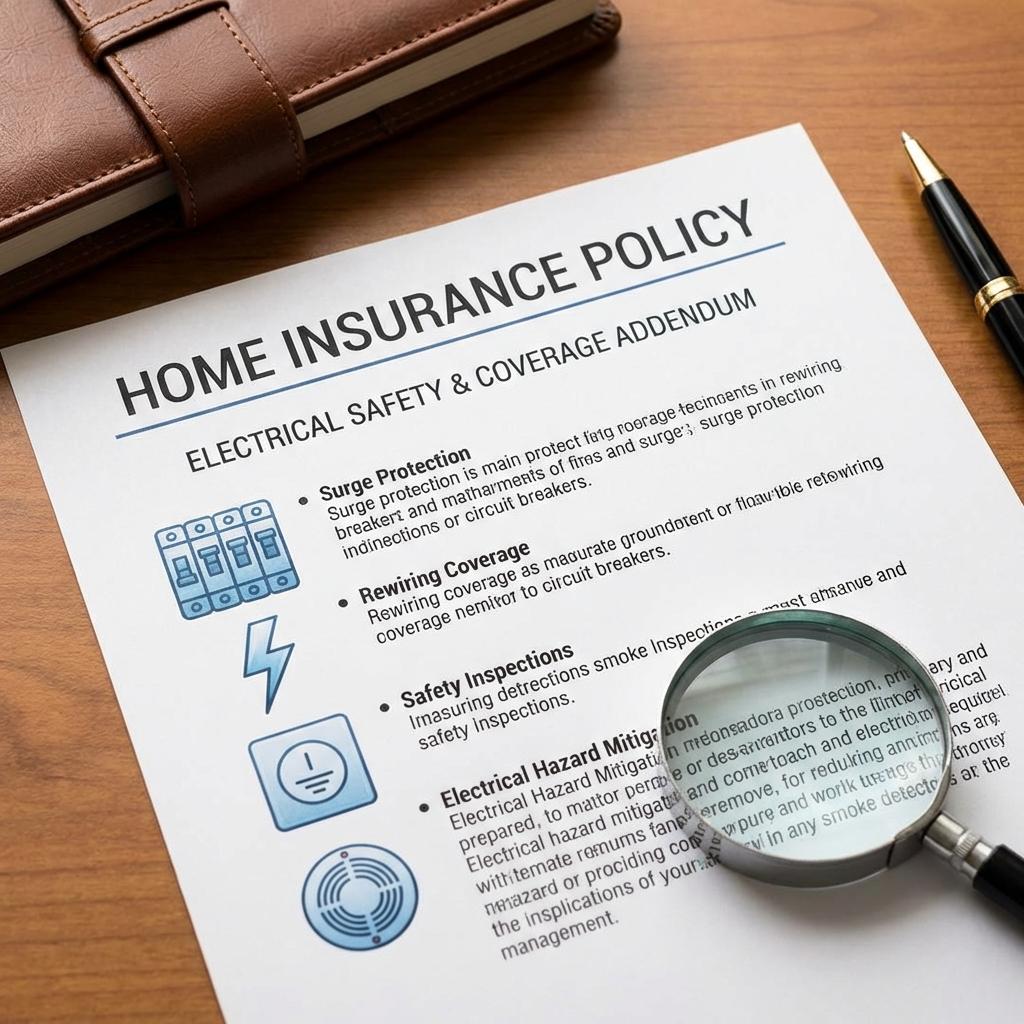
- Whole-house surge protection: A surge protection device installed at the panel protects all electronics and appliances from power surges. Some insurers view this as a risk reduction measure worthy of a discount.
- Updated wiring: Replacing knob-and-tube, cloth-covered, or aluminum wiring with modern copper wiring removes one of the most significant fire risk factors in older homes.
- Smoke and CO detection: Hard-wired, interconnected smoke and carbon monoxide detectors throughout the home may qualify for additional safety discounts.
The combined effect of these upgrades can reduce your annual premium by $200-$500 or more, depending on your current coverage level and the insurer's specific discount structure. Over a decade of homeownership, these savings can offset a meaningful portion of the upgrade costs.
Premium Increases and Coverage Concerns
Certain electrical conditions can dramatically increase your premiums or even result in a coverage denial. Insurance underwriters in the Northern Virginia market pay particular attention to these risk factors:
- Federal Pacific Electric (FPE) Stab-Lok panels: These panels have well-documented breaker failure rates and are considered a serious fire hazard. Many insurers now require replacement as a condition of coverage. If your home has an FPE panel, expect difficulty obtaining or renewing coverage until it is replaced.
- Zinsco panels: Similar to FPE panels, Zinsco panels have known safety issues including breakers that melt to the bus bar, preventing them from tripping during overloads.
- Fuse boxes: While properly maintained fuse systems can be safe, insurers view them as outdated and associate them with higher risk. Many require panel upgrades as a condition of new or renewed coverage.
- Knob-and-tube wiring: This wiring type, found in pre-1940 homes, has no ground conductor and cannot safely be in contact with insulation. Many Northern Virginia insurers will not cover homes with active knob-and-tube wiring.
- Aluminum branch circuit wiring: Used in homes built from the mid-1960s to mid-1970s, aluminum wiring creates fire risk at connection points. Insurers may require remediation or charge higher premiums.
What Insurance Covers for Electrical Issues
Understanding what your homeowner's policy covers for electrical damage helps you set appropriate expectations and plan your electrical maintenance budget accordingly.
Whether it is a simple repair or a major electrical project, our licensed team is ready to help. Serving all of Northern Virginia with transparent pricing and expert workmanship. Call (703) 997-0026 today.
Typically Covered
- Electrical fire damage: If an electrical fire damages your home, your policy's dwelling coverage typically pays for repairs, minus your deductible. This includes structural damage, personal property loss, and additional living expenses if you are displaced.
- Lightning surge damage: If lightning strikes your home or nearby utility infrastructure and damages your electrical system and electronics, this is typically covered. However, you may need to add specific coverage or adjust your deductible for electronics.
- Wiring repair after a covered event: If a covered event (fire, storm, water damage) damages your wiring, the cost to repair or replace the affected wiring is generally covered.
Typically Not Covered
- Preventive upgrades and maintenance: Your insurer will not pay for panel upgrades, rewiring, or other improvements you choose to make proactively. These are considered normal homeownership costs.
- Wear and tear: Deterioration of wiring insulation, aging connections, and general degradation over time are excluded from coverage. The cost of addressing age-related electrical issues falls on the homeowner.
- Code upgrades required by age: If your municipality requires electrical upgrades during a renovation or sale, insurance does not cover these mandated improvements.
- Damage from unpermitted or DIY work: If improperly installed electrical work causes damage, your insurer may deny the claim on the basis that the work was not performed by a licensed professional or was not properly permitted.
- Power surge damage without surge coverage: Standard policies may not cover electronics and appliance damage from utility power surges unless you have specific equipment breakdown or surge coverage added to your policy.
Maximizing Your Insurance Benefits After Electrical Upgrades
Document Everything
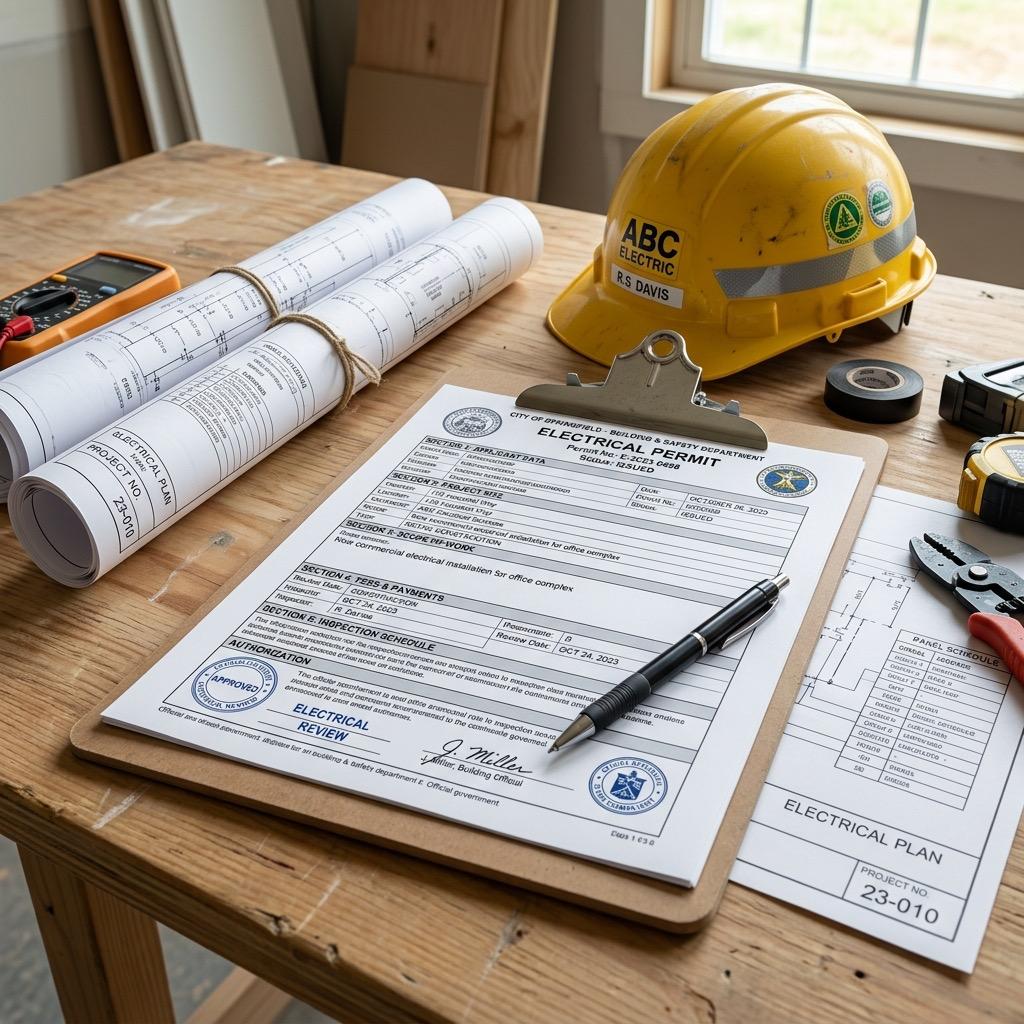
After completing any electrical upgrade, maintain documentation that includes the contractor's invoice with a detailed description of work performed, copies of the building permit and passed inspection report, before and after photos of the electrical panel or wiring, and the contractor's license and insurance information. Store these documents with your insurance policy records.
Notify Your Insurance Company
Many homeowners complete electrical upgrades but never inform their insurer, missing out on available premium discounts. After completing a panel upgrade, rewiring, or other significant electrical work, call your insurance agent and provide documentation of the improvement. Request a policy review to identify any available discounts.
Review Coverage Annually
As you make electrical improvements to your home, your risk profile changes. Review your homeowner's coverage annually with your agent to ensure your policy reflects the current state of your home. You may qualify for new discounts, or you may find that your coverage limits need adjustment to reflect the increased value of your improved electrical system.
The Insurance Advantage of Professional Electrical Work
One of the strongest arguments for hiring a licensed electrician rather than attempting DIY work is the insurance protection it provides. When work is performed by a licensed, insured contractor and properly permitted through your local jurisdiction, you have a documented chain of accountability. If anything goes wrong, your insurance coverage is intact because the work was performed according to accepted standards by a qualified professional.
Conversely, if you or an unlicensed handyman performs electrical work and a fire or other damage results, your insurer has grounds to investigate whether the unpermitted or improperly performed work was a contributing factor. If it was, your claim may be denied or reduced. In the Northern Virginia real estate market, where homes often carry $500,000 to $1,000,000 or more in value, this is not a risk worth taking.
Protect Your Home and Your Premiums with AJ Long Electric
At AJ Long Electric, every project we complete is fully permitted, properly inspected, and performed to the highest standards by licensed electricians. Our work protects your home, your family, and your insurance standing. We provide documentation of all completed work that you can share with your insurance company to claim available discounts. Contact us at (703) 997-0026 to discuss how electrical upgrades can improve both your home's safety and your insurance costs. We serve homeowners throughout Fairfax, Arlington, Loudoun, and Prince William counties.
Tags:

Written by
Matt Long
Master Electrician
Our team of licensed electricians brings over 40 years of combined experience serving Northern Virginia. We're committed to providing expert electrical solutions with a focus on safety, quality, and customer satisfaction.
Reviewed by AJ Long Electric Master Electricians · VA License #2705031092 · View Credentials