Generators provide essential backup power during outages, but they can be deadly if installed or operated improperly. Each year, improper generator use causes dozens of deaths from carbon monoxide poisoning and electrocution. Understanding proper safety practices is essential for anyone considering generator backup power.
Key Takeaways
- Carbon monoxide poisoning is the leading cause of generator-related deaths -- NEVER run a generator indoors or in an enclosed space.
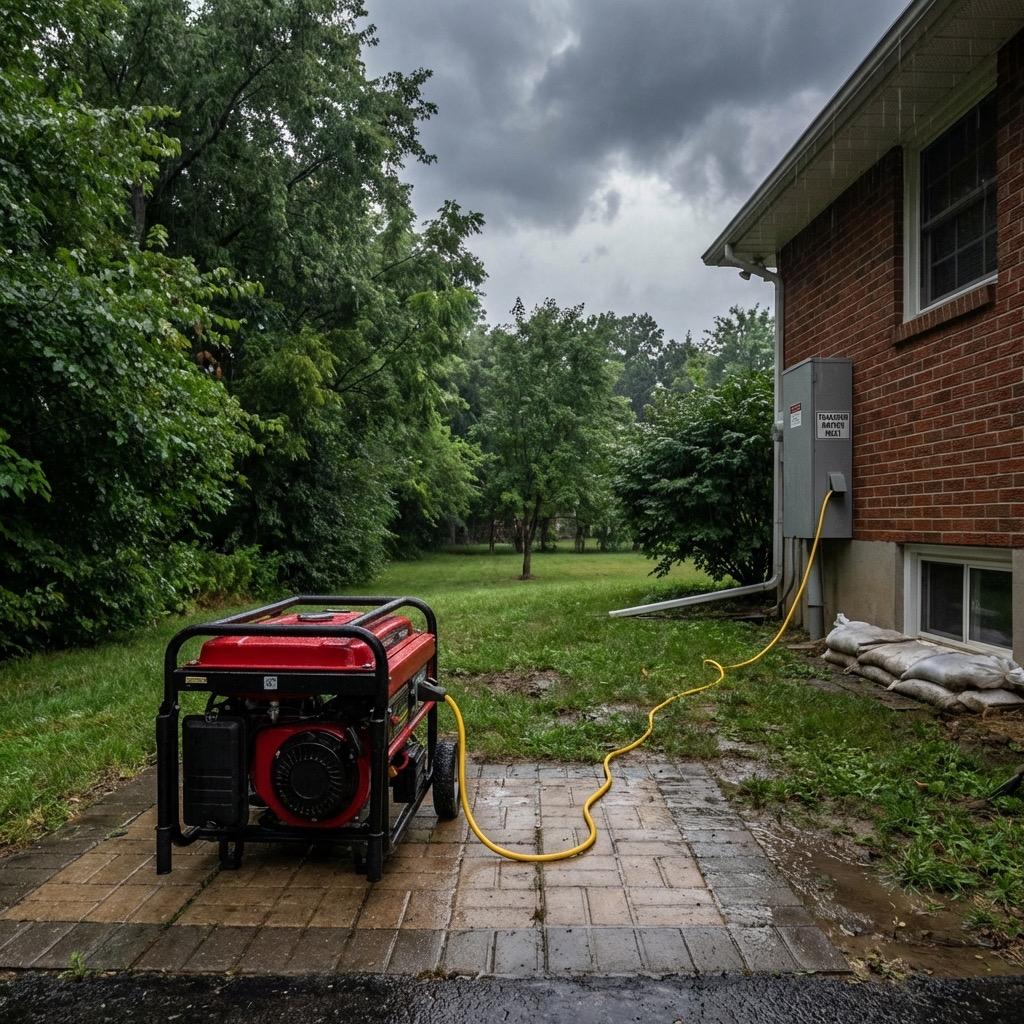
- Place portable generators at least 20 feet from the house with exhaust pointing away from doors and windows.
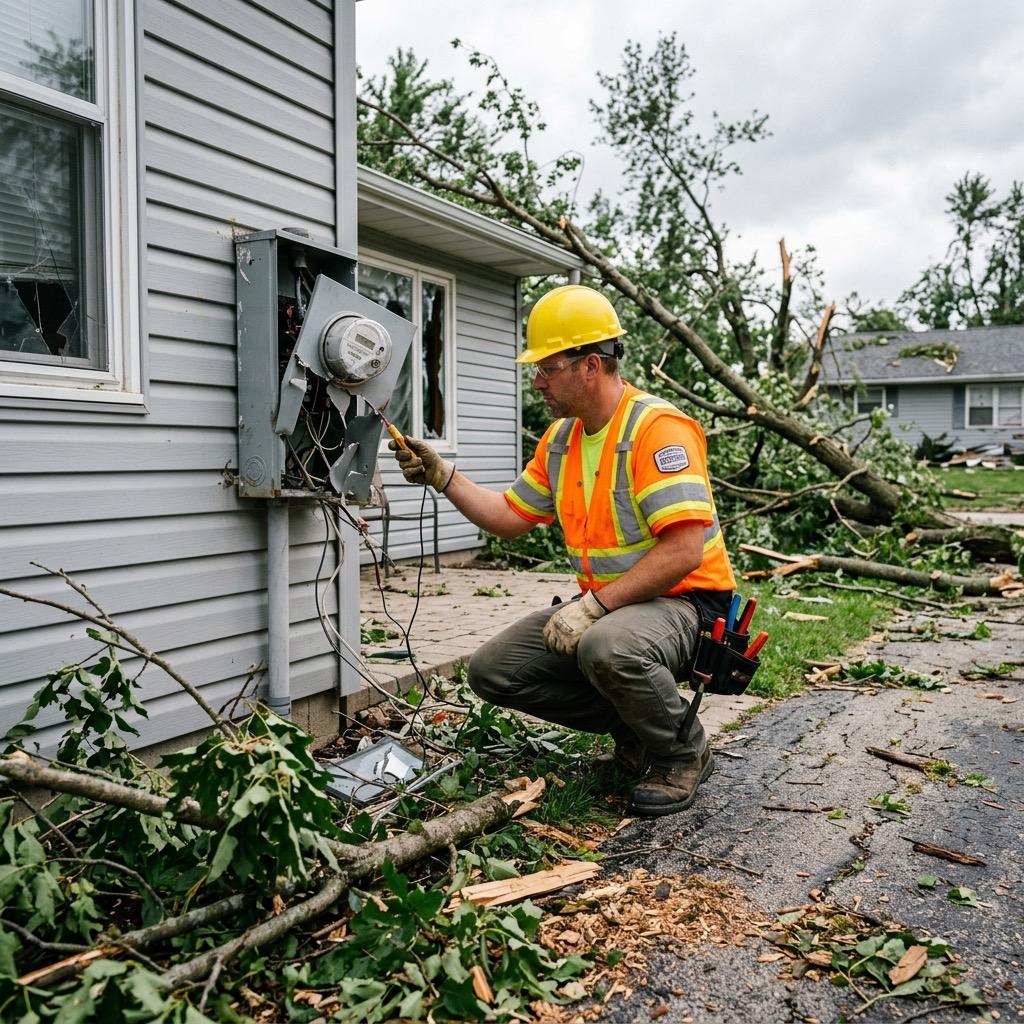
- Never connect a portable generator directly to home wiring (backfeeding) -- this can electrocute utility workers and damage your system.
- Standby generators must be professionally installed with permits, proper transfer switches, and gas connections.
Carbon Monoxide: The Silent Killer
Carbon monoxide (CO) poisoning is the leading cause of generator-related deaths. Generators produce significant amounts of CO - a colorless, odorless gas that can kill within minutes in enclosed spaces.
Critical Rules
- NEVER run a generator indoors - including garages, basements, or enclosed porches
- Place generators at least 20 feet from the house
- Point exhaust away from doors, windows, and vents
- Never run in enclosed structures of any kind
- CO can seep into homes from generators placed too close
Additional Protection
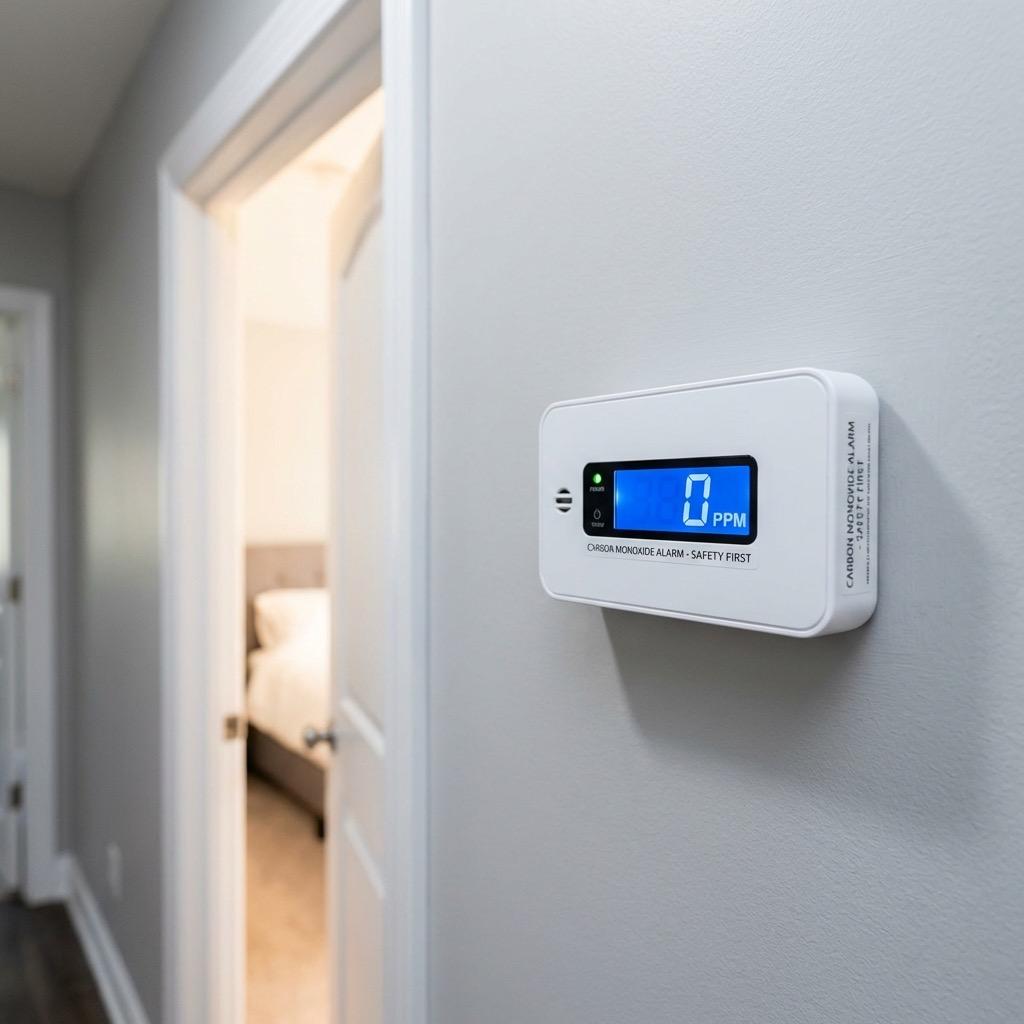
- Install CO detectors in your home (required by law in many states)
- Consider generators with CO shutdown features
- If anyone experiences CO symptoms (headache, dizziness, nausea), get to fresh air immediately and call 911
Portable Generator Safety
Placement Requirements
- Minimum 20 feet from any structure
- On a dry, level surface
- Protected from rain but not enclosed
- Exhaust pointed away from living spaces
Fuel Safety
- Allow generator to cool before refueling
- Store fuel in approved containers outside the home
- Never store fuel near the generator while running
- Use fresh fuel - gasoline degrades and can damage the generator
- Never spill fuel on a hot generator
Electrical Connections
Never connect a portable generator directly to your home wiring by plugging it into an outlet - this is called backfeeding and is extremely dangerous:
Never lose power again. We are authorized Generac installers serving all of Northern Virginia. From sizing to installation to maintenance, we handle every step. Call (703) 997-0026 for a free in-home assessment.
- Electrocution risk to utility workers working on lines
- Electrocution risk to neighbors
- Damage to your electrical system when power returns
- Fire risk from overloaded circuits
- Illegal in most jurisdictions
Safe Connection Options
- Extension cords: Plug appliances directly into the generator using heavy-duty, outdoor-rated extension cords
- Transfer switch: Have a professional install a transfer switch that safely connects the generator to selected circuits
Critical Safety Rule: Backfeeding -- plugging a generator into a wall outlet -- is extremely dangerous and illegal in most jurisdictions. It sends power back through your home's wiring to the utility lines, risking electrocution of workers repairing downed power lines.
Standby Generator Installation
Permanently installed standby generators provide automatic backup power and are inherently safer than portable units when properly installed.
Professional Installation Required
Standby generators must be professionally installed:
- Permits are required in all jurisdictions
- Electrical connection requires licensed electrician
- Gas connection requires licensed plumber or gas technician
- Automatic transfer switch installation is complex
- Improper installation voids warranties and creates hazards
Site Requirements
- Minimum distance from structures (typically 5 feet, varies by jurisdiction)
- Distance from windows, doors, and fresh air intakes (typically 5 feet minimum)
- Level pad for mounting
- Clear access for maintenance and fuel delivery
Transfer Switch Installation
The automatic transfer switch is the heart of a standby system:
- Monitors utility power continuously
- Starts generator when power fails
- Safely transfers load to generator
- Returns to utility power when restored
- Prevents backfeed to utility lines
Load Management
Sizing Your Generator
Proper sizing prevents overload:
- List all loads you want to power
- Add starting watts for motors (typically 2-3 times running watts)
- Include safety margin (typically 25%)
- Consider whole-home vs. essential circuits
Avoid Overloading
- Know your generator capacity
- Stagger startup of large loads
- Never exceed rated capacity
- Overloading causes overheating and damage
Maintenance Requirements
Portable Generators
- Run monthly for 30 minutes under load
- Check oil level before each use
- Change oil per manufacturer schedule
- Use fuel stabilizer for stored fuel
- Inspect cords and connections regularly
Standby Generators
- Weekly automatic exercise cycles
- Annual professional maintenance
- Monitor oil level and coolant
- Keep area around generator clear
- Change oil and filters per schedule
Emergency Preparedness
Before Storm Season
- Test your generator and transfer switch
- Check fuel supply and freshness
- Verify maintenance is current
- Review safe operation procedures with family
- Locate extension cords (for portable generators)
During an Outage
- Follow all safety procedures
- Monitor generator performance
- Do not overload circuits
- Check fuel level regularly
- Keep CO detectors active
Professional Installation Services
AJ Long Electric provides complete generator installation services throughout Northern Virginia:
- Load analysis to determine proper generator size
- Transfer switch installation (manual and automatic)
- Standby generator installation and connection
- Permit acquisition and inspection coordination
- Annual maintenance services
Whether you need a transfer switch for your portable generator or a complete standby generator system, we ensure your installation is safe, code-compliant, and reliable.
Before Storm Season: Test your generator and transfer switch, check fuel supply and freshness, verify maintenance is current, review safe operation procedures with your family, and locate extension cords for portable generators.
Contact us today to discuss backup power solutions for your home.
Tags:

Written by
AJ Long Electric Team
Licensed Electricians
Our team of licensed electricians brings over 40 years of combined experience serving Northern Virginia. We're committed to providing expert electrical solutions with a focus on safety, quality, and customer satisfaction.
Reviewed by AJ Long Electric Master Electricians · VA License #2705031092 · View Credentials