Smoke detectors save lives -- it is that simple. According to the National Fire Protection Association, three out of five home fire deaths occur in homes with no smoke alarms or non-working smoke alarms. A working smoke detector cuts your risk of dying in a home fire nearly in half. Yet many homes have inadequate coverage or improperly maintained detectors.
Key Takeaways
- Three out of five home fire deaths occur in homes without working smoke alarms.
- Install detectors inside every bedroom, outside sleeping areas, on every level, and in living areas.
- Dual-sensor (ionization + photoelectric) detectors provide the best all-around protection.
- Test detectors monthly, replace batteries annually, and replace the entire unit every 10 years.
- Hardwired, interconnected systems are the most reliable -- when one sounds, they all sound.
Types of Smoke Detectors
Understanding the different types helps you choose the right protection for each area of your home.
Ionization Smoke Detectors
These contain a small amount of radioactive material that ionizes air in a sensing chamber. Smoke particles disrupt this ionization, triggering the alarm.
- Best for: Fast-flaming fires (paper, wood, grease)
- Response time: Very fast for flaming fires
- Drawback: More prone to false alarms from cooking
Photoelectric Smoke Detectors
These use a light beam and sensor. When smoke enters the chamber, it scatters the light onto the sensor, triggering the alarm.
- Best for: Slow, smoldering fires (upholstery, electrical)
- Response time: Faster for smoldering fires
- Drawback: May be slower to detect fast-flaming fires
Dual-Sensor (Combination) Detectors
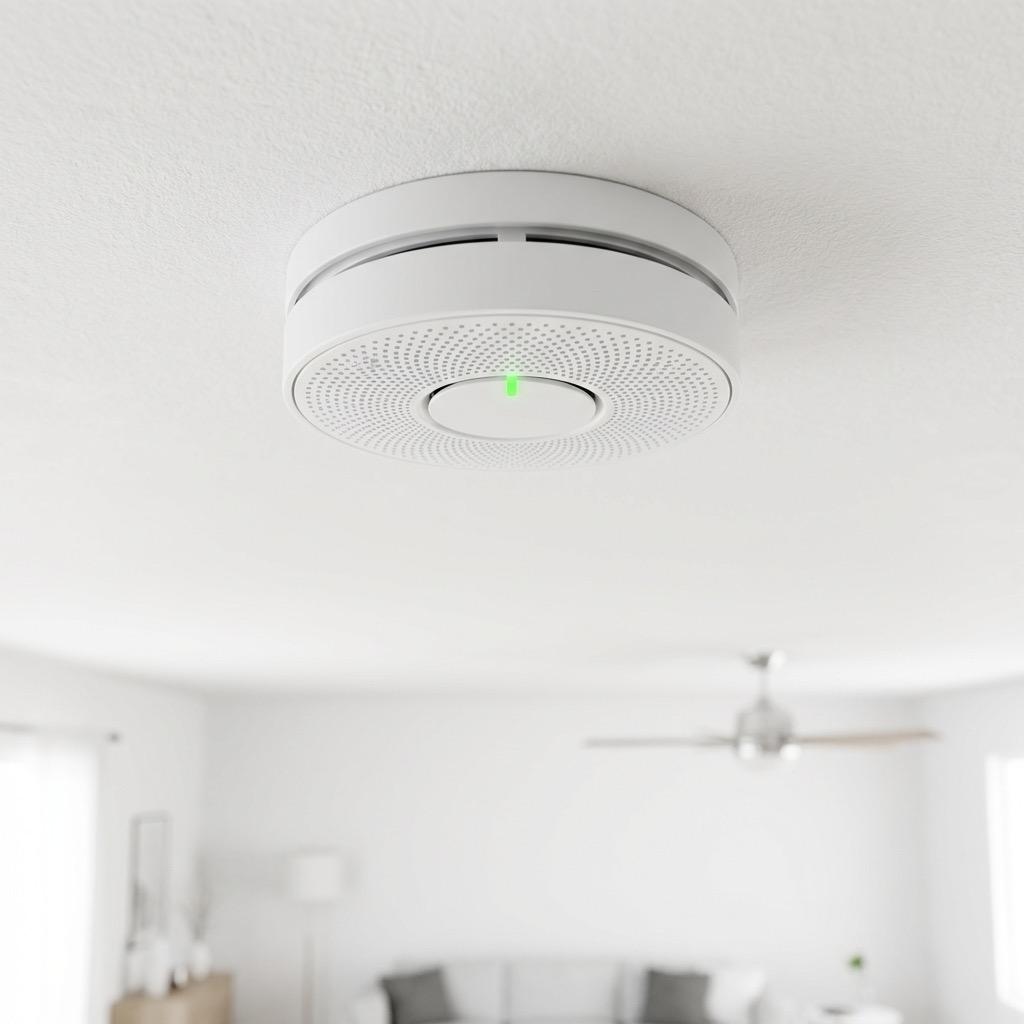
These incorporate both ionization and photoelectric technologies, providing comprehensive protection against all fire types. Most fire safety experts recommend dual-sensor detectors for the best overall protection.
Smart Smoke Detectors
Modern smart detectors add features like:
- Smartphone alerts when triggered
- Voice alerts identifying the location of danger
- Self-testing with app notifications
- Integration with home automation systems
- Carbon monoxide detection built in
Where to Install Smoke Detectors
Proper placement is crucial. The NFPA recommends:
Our licensed electricians have installed hundreds of EV chargers across Northern Virginia. We handle everything from panel evaluation to permit filing. Call (703) 997-0026 or request your free estimate online.
Bedrooms
Install a smoke detector inside every bedroom. Most fatal fires occur at night when occupants are sleeping - bedroom detectors provide the earliest possible warning.
Outside Sleeping Areas
Install detectors in the hallway or area immediately outside bedrooms. If bedrooms are on multiple levels, each sleeping area needs coverage.
Every Level of the Home
Include the basement and attic if they are used for storage or living space. Smoke rises, so fires on lower levels may not be detected quickly by upper-floor detectors alone.
Living Areas
Living rooms, family rooms, dens, and other areas where people spend time should have detector coverage.
Near Kitchens (But Not Too Close)
Kitchens are a leading cause of home fires, but installing detectors too close causes frequent false alarms. Place detectors at least 10 feet from cooking appliances.
Pro Tip: Use photoelectric detectors near kitchens to reduce false alarms from cooking smoke. Ionization detectors are more sensitive to fast-flaming fires but also more prone to nuisance trips from cooking.
Placement Guidelines
Ceiling vs. Wall Mounting
Ceiling mounting is preferred - smoke rises and collects near ceilings first. If wall-mounting is necessary, install the detector 4-12 inches below the ceiling.
Avoid Dead Air Spaces
Do not install detectors within 4 inches of where walls meet ceilings - air does not circulate well in corners.
Maintenance Requirements
Monthly Testing
Test every smoke detector monthly by pressing the test button. The alarm should sound loudly and clearly. If it does not, replace the batteries immediately. If it still does not work, replace the detector.
Battery Replacement
For detectors with replaceable batteries:
- Replace batteries at least once per year
- A common reminder is to change batteries when you change clocks for daylight saving time
- If a detector chirps, replace the battery immediately
- Use only the battery type specified by the manufacturer
Sealed Battery Units
Many modern detectors come with 10-year sealed batteries. These eliminate the need for annual battery changes but must be replaced entirely when they expire.
Cleaning
Dust and debris can impair detector sensitivity:
- Vacuum around the detector gently every six months
- Do not paint over detectors
- Keep them free of cobwebs and dust buildup
Replacement Schedule
All smoke detectors have a limited lifespan:
- Replace standard detectors every 10 years
- Check the manufacture date on the back of the detector
- If you do not know how old your detectors are, replace them
Interconnected Systems
Modern code requires interconnected smoke detectors in new construction. When one alarm sounds, they all sound. This is especially important in larger homes where a fire in the basement might not be heard from upstairs bedrooms.
Options for interconnection include:
- Hardwired systems: Connected by wiring through the walls - most reliable
- Wireless interconnected: Communicate via radio signals - good for retrofits
- Smart detectors: Connect through your home's Wi-Fi network
Professional Hardwired Installation
While battery-operated detectors are better than nothing, hardwired detectors with battery backup provide the most reliable protection. Benefits include:
- No dead batteries to worry about (backup battery only kicks in during power outages)
- Interconnected throughout the home
- Higher reliability and fewer maintenance concerns
- Often required for sale or rental of homes
AJ Long Electric installs hardwired, interconnected smoke and carbon monoxide detection systems throughout Northern Virginia homes. We will assess your current coverage, recommend optimal placement, and install a system that protects your family.
Did You Know? Hardwired smoke detectors with battery backup are the most reliable option. Unlike battery-only units, they never go dead from forgotten battery changes, and their interconnected design means a fire in the basement alerts every detector in the house.
Contact us today to upgrade your home's fire detection system.
Tags:

Written by
AJ Long Electric Team
Licensed Electricians
Our team of licensed electricians brings over 40 years of combined experience serving Northern Virginia. We're committed to providing expert electrical solutions with a focus on safety, quality, and customer satisfaction.
Reviewed by AJ Long Electric Master Electricians · VA License #2705031092 · View Credentials