Carbon monoxide (CO) is often called the silent killer -- it is colorless, odorless, and can be fatal before victims even realize they are being poisoned. Proper CO detector placement is essential for any home with fuel-burning appliances, an attached garage, or gas service. This guide covers everything you need to know about CO detector installation and maintenance.
Key Takeaways
- CO is produced by gas furnaces, water heaters, fireplaces, vehicle exhaust, and portable generators.
- Install detectors within 10 feet of each bedroom door, on every level, near fuel-burning appliances, and near attached garages.
- CO detectors have a shorter lifespan than smoke detectors -- replace every 5-7 years per manufacturer specifications.
- If a CO alarm sounds, evacuate immediately and call 911 from outside. Do not re-enter until cleared by emergency responders.
Understanding Carbon Monoxide Hazards
Carbon monoxide is produced by incomplete combustion of fuels. Common sources in homes include:
- Gas furnaces and boilers
- Gas water heaters
- Gas stoves and ovens
- Fireplaces (gas and wood-burning)
- Attached garages (vehicle exhaust)
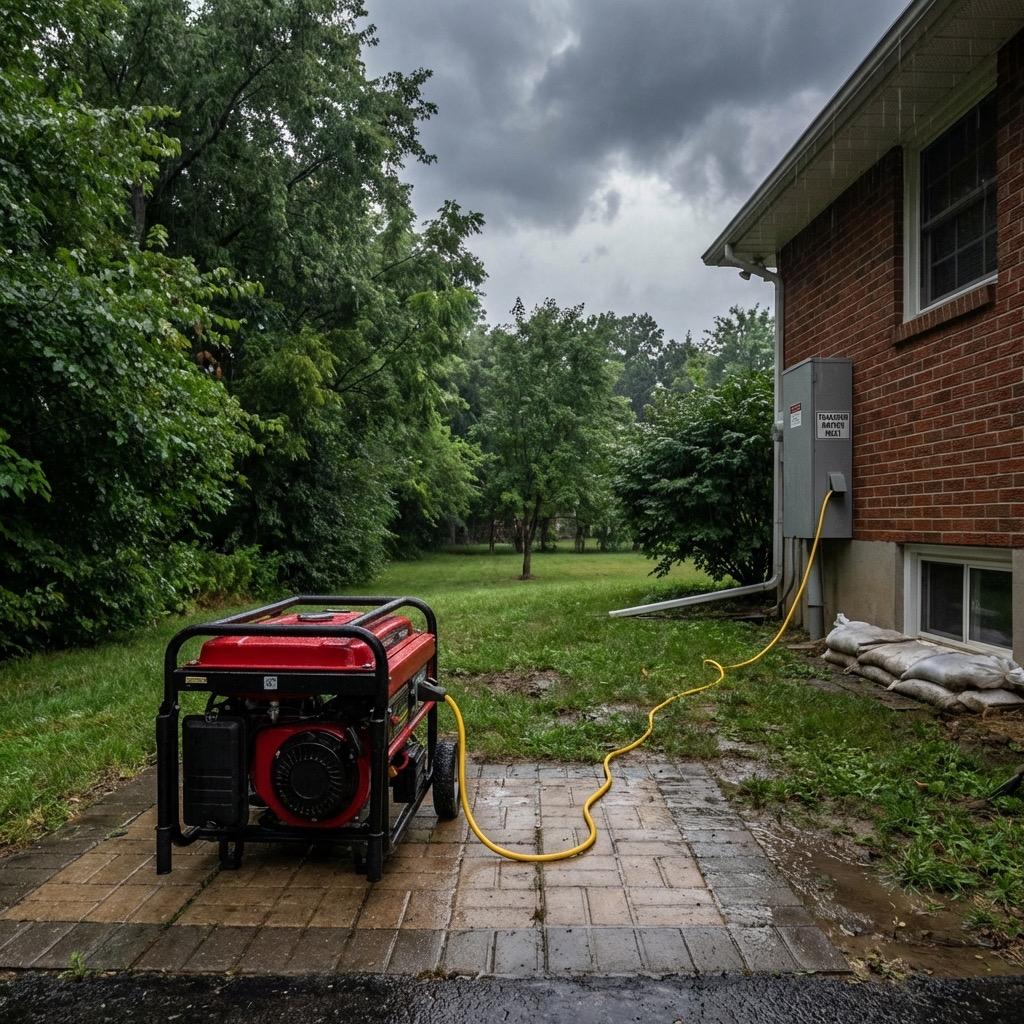
- Portable generators
- Gas dryers
- Gas grills used improperly indoors
Why CO Is So Dangerous
Carbon monoxide binds to hemoglobin in the blood more readily than oxygen, starving the body of oxygen. Symptoms progress from mild (headache, dizziness) to severe (confusion, loss of consciousness, death). Because symptoms mimic the flu, CO poisoning is often not recognized until it is too late.
Legal Requirements for CO Detectors
Most states and many local jurisdictions require CO detectors in residential buildings. Virginia law requires CO detectors in:
Our licensed electricians have installed hundreds of EV chargers across Northern Virginia. We handle everything from panel evaluation to permit filing. Call (703) 997-0026 or request your free estimate online.
- All new construction with fuel-burning appliances or attached garages
- Existing homes when sold (disclosure required)
- Rental properties (landlord responsibility)
Check with your local building department for specific requirements in your area.
Where to Install CO Detectors
Near Sleeping Areas
The most critical locations are near bedrooms where CO can affect sleeping occupants before they wake:
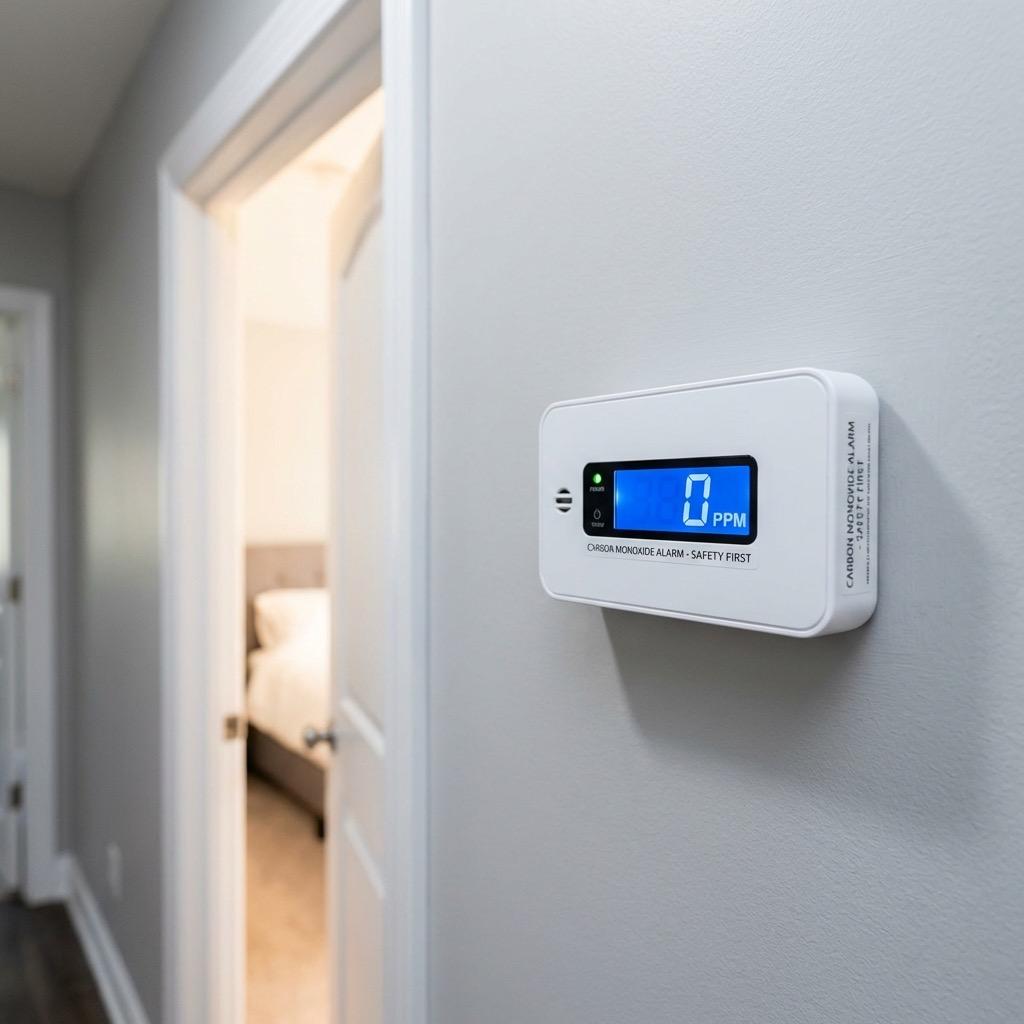
- Install a detector within 10 feet of each bedroom door
- In hallways outside sleeping areas
- Inside bedrooms for additional protection
Every Level of the Home
CO can accumulate on any level:
- Each floor should have at least one detector
- Include basements, especially if they contain furnaces or water heaters
- Include attic living spaces
Near Fuel-Burning Appliances
While not directly adjacent (to avoid false alarms), install detectors in areas near:
- Furnaces and boilers
- Water heaters
- Fireplaces
- Gas stoves (in adjacent rooms, not in the kitchen)
Near Attached Garages
Vehicle exhaust can seep into living spaces:
- Install near any doorway between the garage and living space
- Install in rooms above attached garages
Installation Height and Position
Unlike smoke (which rises), CO mixes with air and distributes evenly. Detectors can be installed at any height, but consider:
- Eye level for easy reading and testing
- Away from areas with high humidity or temperature extremes
- Away from windows, doors, and HVAC vents that might affect sensor readings
- Away from cooking appliances to avoid nuisance alarms
Placement Tip: Unlike smoke which rises, CO mixes evenly with air and can be detected at any height. Install detectors at eye level for easy reading and testing, and keep them away from windows, HVAC vents, and cooking appliances to avoid false alarms.
CO Detector Options
Battery-Powered Detectors
Easy to install anywhere but require regular battery replacement:
- Replace batteries at least annually
- Many have 10-year sealed batteries
- Good for renters or quick installation
Plug-In Detectors
Plug into standard outlets with battery backup:
- Continuous power from the outlet
- Battery backup for power outages
- Easy installation but may block outlets
Hardwired Detectors
Connected to your home electrical system with battery backup:
- Most reliable power source
- Can be interconnected with other detectors and smoke alarms
- Professional installation recommended
Combination Smoke/CO Detectors
Provide both protections in a single unit:
- Simplify installation and maintenance
- Reduce the number of devices on walls and ceilings
- Available in battery, plug-in, and hardwired versions
Smart CO Detectors
Modern smart detectors offer additional features:
- Smartphone alerts when alarms trigger
- Voice announcements identifying the hazard
- Self-testing with app notifications
- Integration with smart home systems
- Professional monitoring options
Maintenance Requirements
Testing
Test CO detectors monthly by pressing the test button. The alarm should sound loudly and clearly.
Battery Replacement
For detectors with replaceable batteries:
- Replace batteries at least once per year
- Replace immediately if the low-battery warning chirps
- Use only the battery type specified by the manufacturer
Detector Replacement
CO detectors have limited lifespans:
- Replace every 5-7 years (check manufacturer specifications)
- Note the manufacture date on the detector
- Replace immediately if the end-of-life signal sounds
Cleaning
Dust and debris can affect sensor accuracy:
- Vacuum gently around the detector openings
- Do not paint or cover detectors
- Keep free of dust, cobwebs, and debris
What to Do If the CO Alarm Sounds
If your CO detector alarms:
- Do not ignore the alarm - take it seriously
- Get everyone out of the home immediately
- Call 911 from outside the home
- Do not re-enter until emergency responders say it is safe
- Have fuel-burning appliances inspected before using again
Professional Installation Benefits
Professional installation ensures:
- Optimal placement for detection
- Proper interconnection with other safety devices
- Integration with security or smart home systems
- Compliance with local codes and requirements
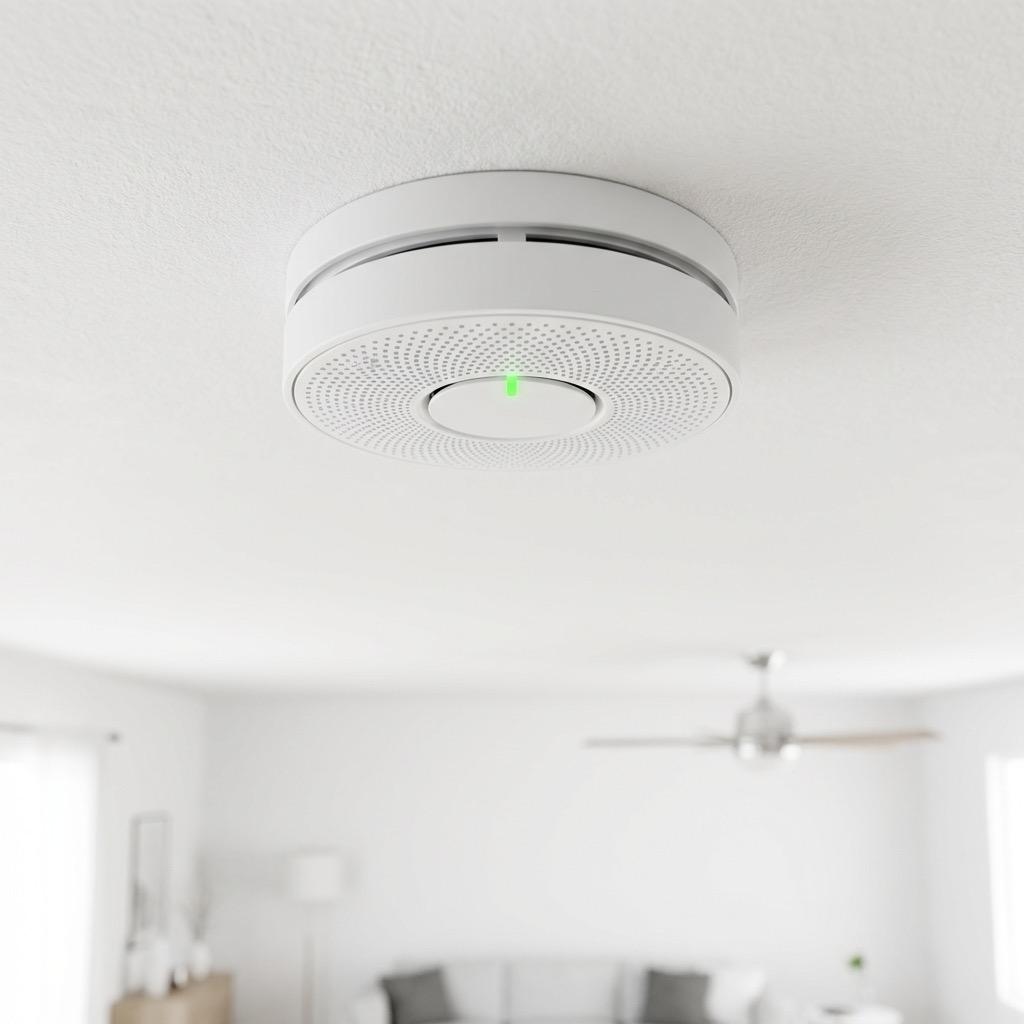
AJ Long Electric installs hardwired, interconnected smoke and CO detection systems throughout Northern Virginia. We ensure your home has comprehensive protection with properly placed, code-compliant detectors.
Emergency Protocol: If your CO detector alarms: (1) Do not ignore it. (2) Get everyone out immediately. (3) Call 911 from outside. (4) Do not re-enter until emergency responders say it is safe. (5) Have fuel-burning appliances inspected before using again.
Contact us today to discuss your CO detection needs.
Tags:

Written by
AJ Long Electric Team
Licensed Electricians
Our team of licensed electricians brings over 40 years of combined experience serving Northern Virginia. We're committed to providing expert electrical solutions with a focus on safety, quality, and customer satisfaction.
Reviewed by AJ Long Electric Master Electricians · VA License #2705031092 · View Credentials