Flickering lights are one of the most common electrical complaints homeowners bring to our attention, and for good reason. While a momentary flicker might seem like a minor annoyance, it can actually be your home's electrical system sending you an important warning signal. The causes range from something as simple as a loose light bulb to dangerous wiring defects that pose a genuine fire risk. Understanding what is behind the flicker helps you determine whether a quick DIY fix is appropriate or whether you need to call a licensed electrician right away.
Key Takeaways
- A loose or faulty bulb is the most common and easiest cause to fix.
- Incompatible dimmer switches frequently cause LED bulbs to flicker.
- Whole-house flickering can indicate a serious utility or panel problem.
- Flickering accompanied by burning smells or warm outlets demands immediate professional attention.
- Voltage fluctuations from large appliances are normal in small doses but warrant investigation if severe.
Understanding Why Lights Flicker
At the most basic level, a light flickers because its power supply is being momentarily interrupted or reduced. Electricity flows to your fixtures through a chain of connections starting at the utility transformer, running through your meter and electrical panel, traveling along branch circuits, passing through switches, and finally reaching the fixture and bulb. A problem at any point in that chain can cause flickering. The trick is narrowing down where in the chain the issue lives.
The Role of Voltage Stability
Your home receives electricity at a nominal 120 volts for standard circuits. In reality, voltage fluctuates slightly throughout the day as loads on the utility grid change. Minor fluctuations of a few volts are normal and usually imperceptible. However, when voltage drops significantly or rapidly, you see it as a flicker. This can happen inside your home when a large motor starts up, or outside your home due to utility grid issues.
Common Causes of Flickering Lights
Loose or Faulty Bulbs
The simplest and most common cause is a bulb that is not fully seated in its socket. Vibration from foot traffic, nearby doors closing, or even the bulb's own heat cycling can gradually loosen it. Turn off the light, let the bulb cool, and then gently but firmly screw it back in. If the bulb continues to flicker after reseating, try a new bulb. Incandescent bulbs nearing the end of their lifespan often flicker as their filaments weaken and develop thin spots that arc intermittently.
Whether it is a simple repair or a major electrical project, our licensed team is ready to help. Serving all of Northern Virginia with transparent pricing and expert workmanship. Call (703) 997-0026 today.
Incompatible Dimmer Switches
This is one of the most frequent issues we see in Northern Virginia homes that have recently upgraded to LED lighting. Older dimmer switches were designed for incandescent bulbs, which behave very differently from LEDs electrically. An incandescent dimmer works by chopping portions of the AC waveform, which incandescent filaments handle smoothly but LED drivers interpret erratically, resulting in visible flicker. The solution is straightforward: replace the old dimmer with a model specifically rated for LED loads. Look for dimmers labeled as LED-compatible, and check the dimmer manufacturer's compatibility list against your specific LED bulb brand.
Voltage Fluctuations from Large Appliances
When your air conditioning compressor kicks on, your heat pump starts a defrost cycle, or your well pump activates, it draws a momentary surge of current called inrush current. This surge can be six to eight times the appliance's normal running current, and it briefly pulls voltage down on shared circuits. A slight, momentary dimming when the AC starts is considered normal in most homes. However, if the dimming is dramatic, lasts more than a second, or happens on circuits that should be isolated from the appliance, it suggests your panel or wiring may be undersized for your home's electrical demands.
In many older Northern Virginia homes, particularly those in Fairfax, Arlington, and Alexandria built before the 1980s, the original 100-amp or even 60-amp service simply cannot keep up with modern electrical demands. A service upgrade to 200 amps often resolves chronic voltage fluctuation issues.
Loose Electrical Connections
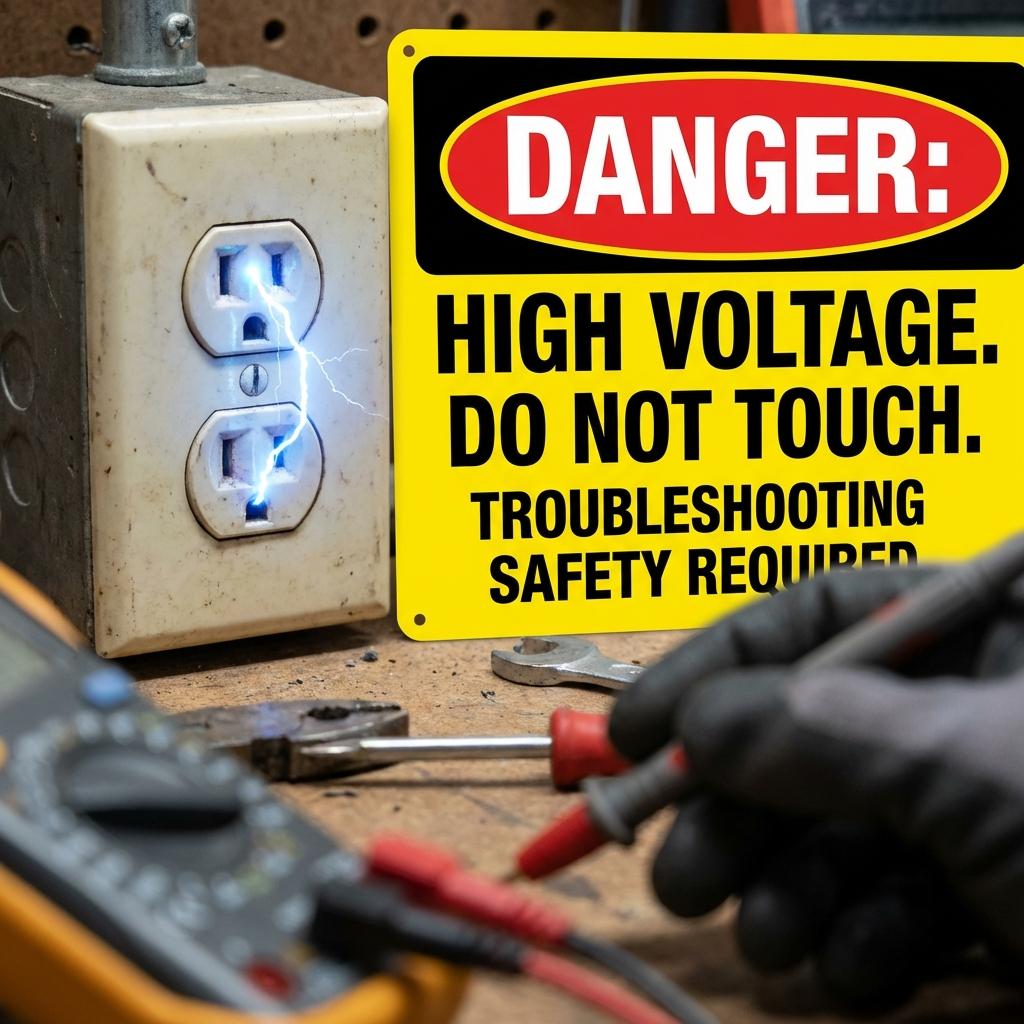
This is the cause that should concern you most. Loose connections at switches, outlets, junction boxes, or the electrical panel create points of high resistance. When current flows through a loose connection, it generates heat and can arc, which is a leading cause of electrical fires. The flickering you see is the connection intermittently making and breaking contact. Signs that loose connections may be the culprit include flickering that affects only one circuit, outlets or switches that feel warm, discoloration around outlet covers, and a faint burning or plasticky smell.
Overloaded Circuits
Every circuit in your home is designed to carry a specific amount of current, typically 15 or 20 amps for general-purpose circuits. When the total draw from all devices on a circuit approaches or exceeds that limit, you may notice lights dimming or flickering, especially when another device on the same circuit cycles on. This is common in older homes where a single circuit might serve an entire floor. The solution is redistributing loads across multiple circuits or having an electrician add new circuits to reduce the burden.
Faulty Light Switches
Switches contain internal contacts that wear out over time. A failing switch may not maintain solid contact, causing the light it controls to flicker. If the flickering seems related to switch position, or if the switch feels loose, buzzes, or feels warm, it likely needs replacement. This is especially common with toggle switches that have been in service for decades.
Whole-House Flickering: A Serious Concern
If every light in your home flickers simultaneously, the problem is upstream of your individual circuits. This points to issues with your main electrical panel, the service entrance cable connecting your panel to the meter, the meter itself, or the utility supply. Whole-house flickering demands prompt professional attention because it often indicates a loose connection at the main breaker, deteriorating service entrance cables, or a failing utility transformer. These are not DIY situations and can present serious shock and fire hazards.
Utility-Side Problems
Sometimes the issue is not inside your home at all. Damaged utility lines, overloaded transformers, or tree branches contacting power lines can all cause flickering. If your neighbors are experiencing the same issue, contact Dominion Energy to report the problem. They are responsible for everything up to and including your meter.
When to Call an Electrician
While a loose bulb or an incompatible dimmer switch is something most homeowners can address, several situations call for a licensed electrician.
Immediate Red Flags
Call an electrician right away if flickering is accompanied by a burning smell, if you notice scorch marks or discoloration around outlets or your panel, if outlets or switches feel warm to the touch, if you hear buzzing or crackling sounds from the walls, or if flickering started suddenly without any change in your lighting or appliances. These signs can indicate an active fire hazard inside your walls.
Before your electrician arrives, note which lights flicker, when the flickering occurs, and whether it corresponds with any appliance cycling on or off. This information helps the electrician diagnose the problem much faster, potentially saving you time and money on the service call.
How Electricians Diagnose Flickering
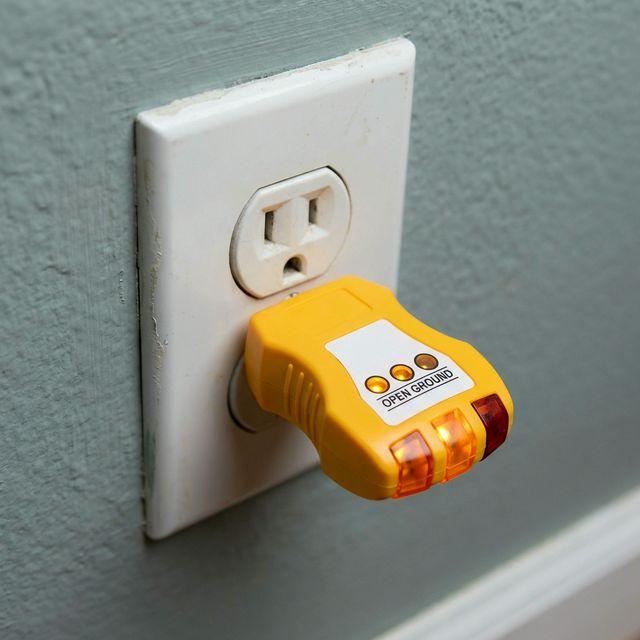
A qualified electrician uses a systematic approach to track down the source of flickering. The process typically starts with a visual inspection of the panel, looking for signs of overheating, loose connections, or corrosion. Next, the electrician uses a multimeter or power quality analyzer to measure voltage stability under various load conditions. They may test individual circuits by turning breakers on and off methodically, and they will inspect connections at switches, outlets, and junction boxes along affected circuits.
Thermal Imaging
Many professional electricians, including our team at AJ Long Electric, use infrared thermal cameras to scan panels and wiring for hot spots that indicate loose connections or overloaded conductors. This non-invasive technique can pinpoint problems hidden behind walls without any demolition.
Preventing Flickering Issues
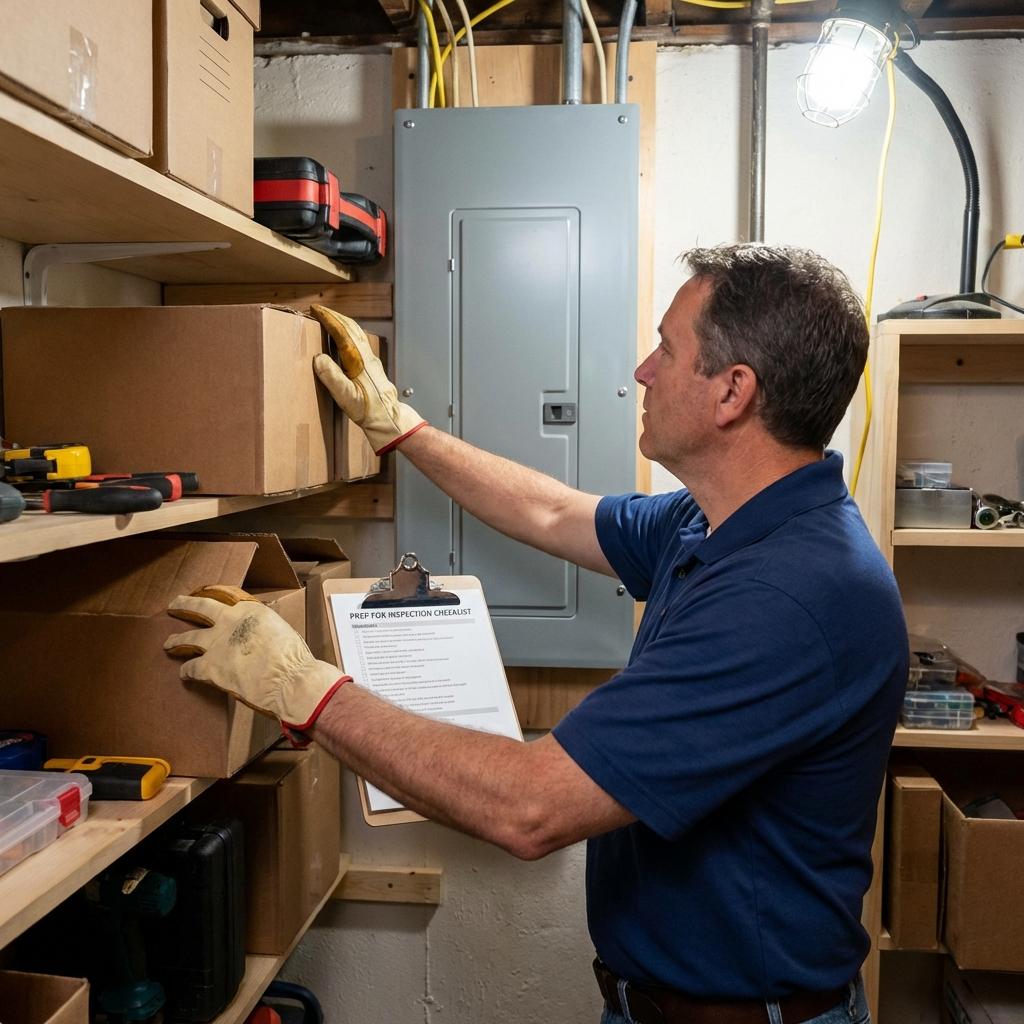
Regular maintenance goes a long way toward preventing flickering and the serious problems it can signal. Have your electrical panel inspected every few years, especially if your home is more than 25 years old. When upgrading to LED lighting, invest in quality LED-compatible dimmers at the same time. Avoid overloading circuits with too many devices, and never daisy-chain power strips. If you are adding major appliances like an EV charger, a hot tub, or a workshop, have an electrician perform a load calculation to ensure your panel can handle the additional demand.
Flickering lights are your home talking to you. Sometimes the message is simple, but other times it is urgent. If you are experiencing persistent or unexplained flickering in your Northern Virginia home, do not ignore it. Contact AJ Long Electric at (703) 997-0026 for a thorough electrical evaluation. Our licensed electricians serve homeowners throughout Fairfax County, Arlington, Alexandria, Loudoun County, and the greater NoVA area with prompt, professional diagnostic and repair services.
Tags:

Written by
AJ Long Electric Team
Licensed Electricians
Our team of licensed electricians brings over 40 years of combined experience serving Northern Virginia. We're committed to providing expert electrical solutions with a focus on safety, quality, and customer satisfaction.
Reviewed by AJ Long Electric Master Electricians · VA License #2705031092 · View Credentials