You push a plug into an outlet and see a brief flash of light at the contact point. Your immediate reaction is concern: is something wrong with the outlet? Is this a fire hazard? The answer depends entirely on the characteristics of the spark. A small, brief, blue spark when inserting a plug into a live outlet is actually a normal part of how electricity works and is generally nothing to worry about. However, large sparks, persistent sparks, sparks of unusual color, or sparks accompanied by sounds or smells are genuine warning signs that demand attention. Understanding the difference between normal and abnormal sparking helps you protect your home and know when to call a professional.
Key Takeaways
- A brief, small blue spark when plugging in a device is usually normal and caused by the initial rush of electrons.
- Large, bright, yellow, or white sparks indicate a problem that needs professional evaluation.
- Sparks accompanied by burning smells, popping sounds, or visible damage are urgent warning signs.
- Worn outlet contacts that no longer grip plugs firmly can cause dangerous arcing and should be replaced.
- AFCI breakers provide the best protection against dangerous arcing conditions.
Why Normal Sparking Happens
Electricity is always present at a live outlet, with electrons ready to flow as soon as a conductive path is provided. When you insert a plug, the metal prongs approach the outlet's internal contacts but do not make full contact all at once. During the fraction of a second when the prongs are very close to but not yet touching the contacts, the electrical potential is strong enough to cause electrons to jump the tiny remaining gap. This creates a small, brief arc that appears as a blue spark. It is the same principle behind static electricity sparks, just with household current providing the energy.
Situations Where Normal Sparks Are More Noticeable
You are more likely to notice a normal spark when plugging in high-draw devices like vacuum cleaners, hair dryers, or space heaters, because more current is immediately available to jump the gap. Devices with motors tend to produce more noticeable sparks because the motor's initial inrush current is higher than its running current. Plugging in quickly, which brings the prongs close to the contacts rapidly, produces a sharper spark than a slow, gradual insertion. In all of these cases, the spark should be tiny, blue, and over in an instant.
When Sparking Is a Problem
Large or Bright Sparks
A spark that is noticeably large, bright enough to startle you, or clearly visible in a well-lit room is not normal. Large sparks indicate that a significant amount of electrical energy is arcing, which generates intense heat. This level of arcing can melt outlet contacts, damage plug prongs, and ignite surrounding materials. If you see a large spark from an outlet, unplug the device, turn off the breaker serving that outlet, and call an electrician.
A professional electrical inspection identifies hidden hazards before they become emergencies. Our licensed electricians provide thorough safety inspections throughout Northern Virginia. Call (703) 997-0026 to schedule yours.
Yellow, White, or Orange Sparks
The color of a spark tells you about its temperature and intensity. Normal electrical sparks are blue because the ionized air in the gap emits blue light. Yellow, white, or orange sparks indicate that something other than air is burning, typically plastic, wire insulation, or oxidized metal. These colors signal that material is being destroyed by the arcing, which is a fire precursor.
Sparks That Last More Than an Instant
A normal spark is over in a fraction of a second. If sparking continues after the plug is fully inserted, or if you see flickering or glowing at the outlet face, there is an ongoing arcing condition inside the outlet. This is dangerous and requires immediate attention. Turn off the breaker and do not use the outlet until it has been inspected and repaired.
Sparks Accompanied by Burning Smell
If you smell burning plastic, ozone, or any other unusual odor when an outlet sparks, something inside the outlet is overheating. The smell of melting plastic is particularly concerning because it means the outlet housing or wire insulation is being damaged. Do not continue to use the outlet.
Sparks With Popping or Crackling Sounds
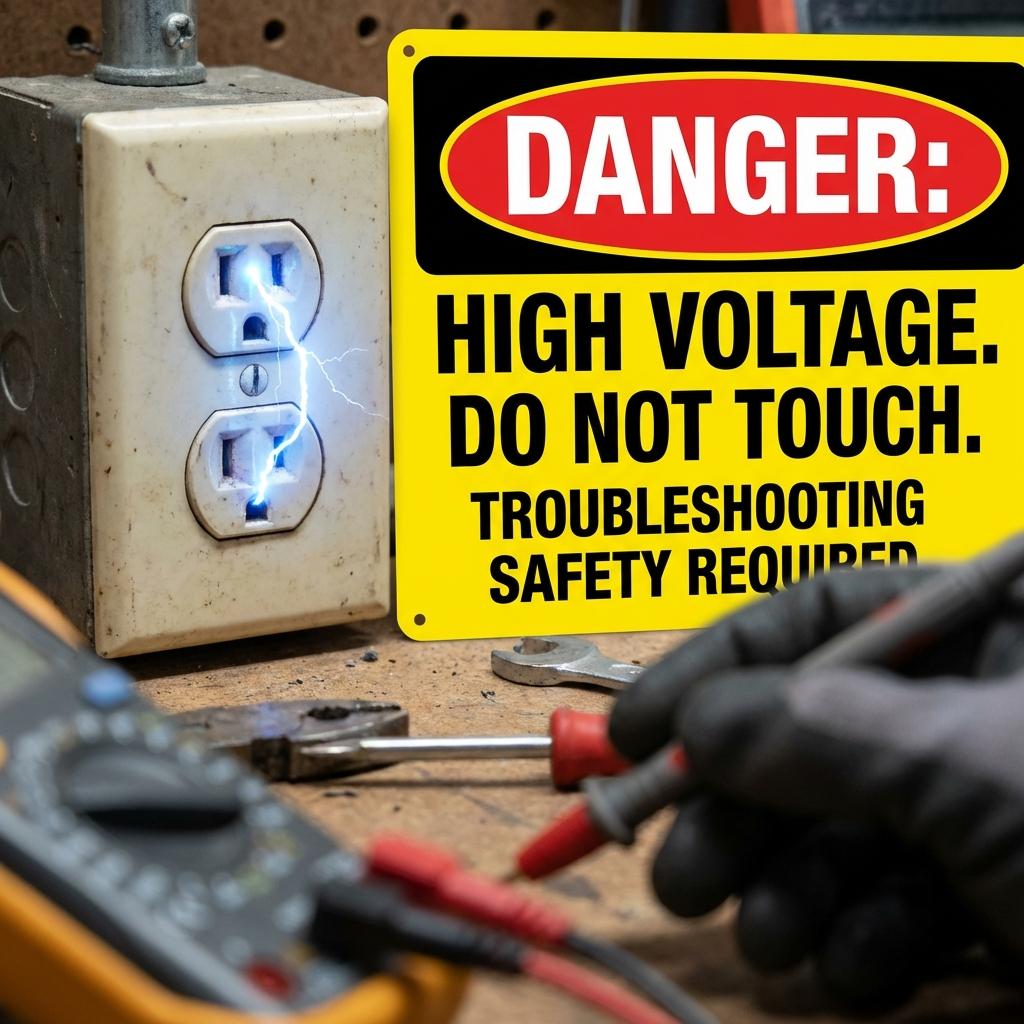
A pop or crack when an outlet sparks indicates a more energetic arc than normal. Repeated popping or crackling sounds from an outlet, even without visible sparking, indicate ongoing arcing inside the outlet box, which is one of the most common precursors to electrical fires.
According to the Electrical Safety Foundation International, arcing faults are responsible for more than 28,000 home fires each year in the United States. This is precisely why the National Electrical Code now requires AFCI protection in virtually all living spaces. If your Northern Virginia home was built before 2008, it likely does not have AFCI breakers, and adding them is one of the most effective fire safety upgrades available.
Causes of Dangerous Outlet Sparking
Loose Wire Connections
The most common cause of dangerous sparking inside an outlet is a loose wire connection. When a wire is not tightly secured to its terminal, current must arc across the gap at the loose point. This creates heat, oxidation, and progressive damage that worsens over time. Backstab connections, where wires are pushed into spring-loaded holes in the back of the outlet, are particularly prone to loosening and are a frequent source of dangerous arcing in homes throughout Northern Virginia.
Worn Outlet Contacts
The internal metal contacts that grip plug prongs wear out with repeated use. When the contacts no longer grip firmly, the plug can wiggle or sit loosely in the outlet, creating intermittent contact points that arc. If your plugs fit loosely in an outlet or tend to slide out under their own weight, the outlet should be replaced. This is a straightforward repair that eliminates the arcing hazard.
Short Circuits
If the hot and neutral wires inside the outlet box are touching or nearly touching, either directly or through damaged insulation, a short circuit can produce dramatic sparking. Short circuits typically trip the breaker quickly, but the initial spark can be intense enough to ignite nearby materials.
Water Damage and Moisture
Moisture inside an outlet box creates conductive paths that can cause arcing between terminals and between hot and ground conductors. This is why GFCI protection is required in wet locations. An outlet that has been exposed to water, whether from a leak, condensation, or flooding, should be inspected before continued use.
Corroded or Oxidized Connections
Over time, especially in humid environments, metal contacts and wire connections can corrode or develop an oxide layer. Oxidation increases electrical resistance, which causes heat buildup and can lead to arcing at the corroded point. This is a gradual process that worsens over years and is more common in coastal areas, though we see it throughout the DMV region in older homes.
When replacing an outlet, upgrade from the standard builder-grade outlet to a commercial-grade or specification-grade outlet. Commercial-grade outlets have heavier-duty contacts that grip plugs more firmly and last significantly longer. They cost only a few dollars more than residential-grade outlets but provide noticeably better performance and durability. Your electrician can recommend the right grade for your needs.
Protecting Your Home From Dangerous Arcing
Install AFCI Protection
Arc-fault circuit interrupter breakers monitor the electrical waveform on each circuit and can distinguish between normal arcing, such as when a switch operates or a plug is inserted, and dangerous arcing from loose connections, damaged wiring, or other faults. When dangerous arcing is detected, the AFCI trips the breaker before the arc can generate enough heat to start a fire. AFCI breakers can be retrofitted into most existing panels and provide whole-circuit protection.
Replace Worn Outlets
If plugs fit loosely in an outlet, if the outlet shows discoloration, or if you have noticed any abnormal sparking, have the outlet replaced. An electrician can also check the connections inside the box during replacement and upgrade from backstab to screw-terminal connections for improved long-term reliability.
Schedule Regular Electrical Maintenance
Having an electrician inspect your outlets, switches, and connections periodically catches developing problems before they become dangerous. This is particularly important in older homes where decades of thermal cycling have had the greatest impact on connection integrity.
What to Do If You See Dangerous Sparking
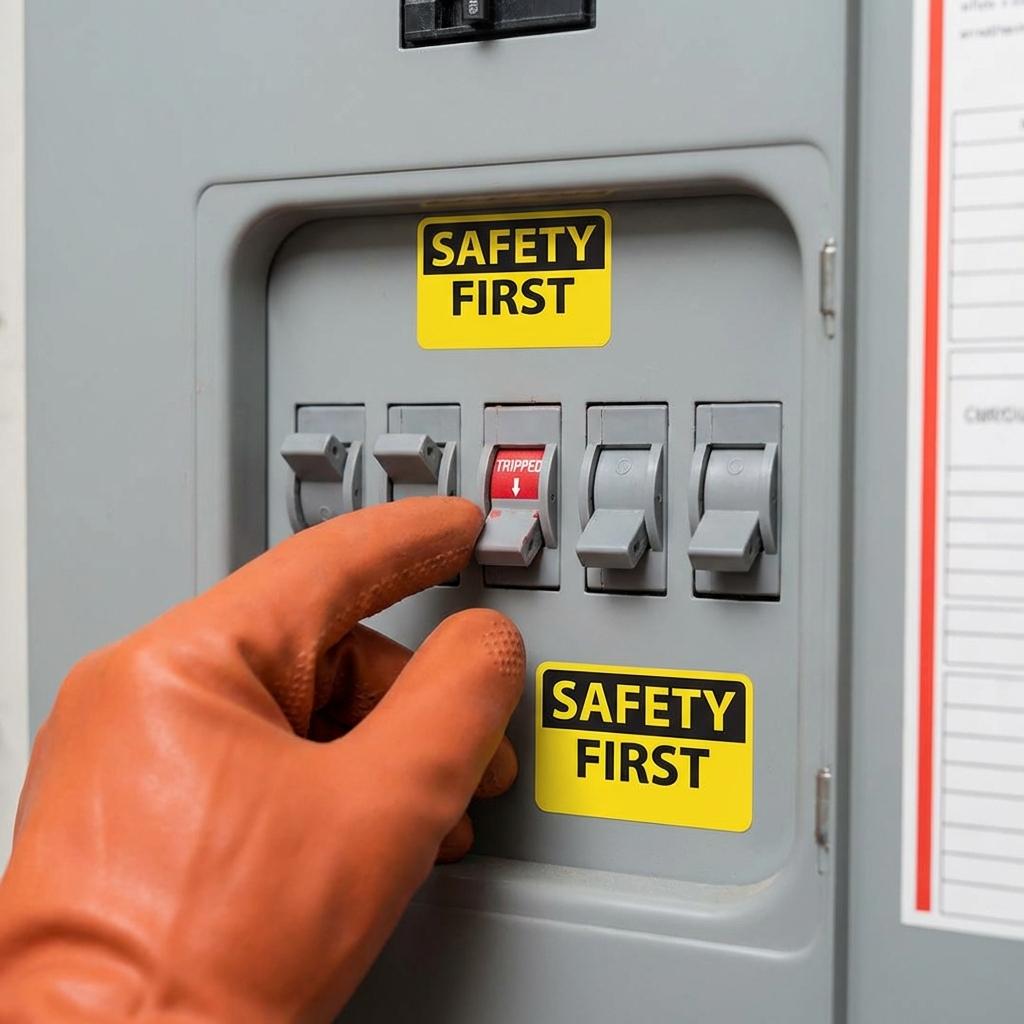
If an outlet produces a large, colored, or persistent spark, stop using it immediately. Turn off the breaker serving that outlet. Do not attempt to investigate or repair the outlet yourself, as the internal components may be damaged in ways that create a shock hazard. Call a licensed electrician to inspect the outlet, check the wiring, and make any necessary repairs.
Outlet sparking is your electrical system telling you something. Usually the message is benign, but when it is not, prompt action prevents serious consequences. If you have concerns about sparking outlets or want to upgrade your home's arc-fault protection, contact AJ Long Electric at (703) 997-0026. We diagnose and resolve outlet issues for homeowners throughout Northern Virginia quickly and safely.
Tags:

Written by
AJ Long Electric Team
Licensed Electricians
Our team of licensed electricians brings over 40 years of combined experience serving Northern Virginia. We're committed to providing expert electrical solutions with a focus on safety, quality, and customer satisfaction.
Reviewed by AJ Long Electric Master Electricians · VA License #2705031092 · View Credentials