You reach for the outlet to plug in your phone charger or coffee maker, and nothing happens. A dead outlet is one of the most frustrating everyday electrical problems, and it is also one of the most common service calls we receive from homeowners throughout Northern Virginia. The good news is that many dead outlet situations have simple explanations and straightforward fixes. The challenge is knowing which situations you can handle yourself and which ones require a licensed electrician to resolve safely.
Key Takeaways
- A tripped GFCI outlet elsewhere in the circuit is the single most common cause of a dead outlet.
- Always check your breaker panel for tripped breakers before assuming the outlet itself is faulty.
- Some outlets are controlled by wall switches that may be in the off position.
- Loose wire connections inside the outlet box are a fire hazard that requires professional repair.
- Multiple dead outlets on the same circuit usually point to a single upstream problem.
Safe Troubleshooting Steps You Can Take
Before calling an electrician, there are several safe checks that any homeowner can perform without opening any electrical boxes or touching any wiring. These steps resolve the majority of dead outlet complaints.
Step 1: Test With a Known Working Device
Before assuming the outlet is dead, verify that the device you are trying to use actually works. Plug it into a different outlet that you know is functioning. It sounds obvious, but a surprising number of service calls turn out to be a dead device rather than a dead outlet. Phone chargers, laptop power supplies, and small appliance cords fail more often than outlets do.
Step 2: Check for Switch-Controlled Outlets
Many homes, particularly those built in the 1980s through 2000s in developments across Fairfax and Loudoun counties, have outlets that are controlled by a wall switch. Builders installed these so that homeowners could plug a floor lamp or table lamp into the outlet and control it from the switch by the door. If the switch is off, the outlet appears dead. Check every switch in the room, including any that do not seem to control anything obvious. Toggle each one while watching the outlet. You may discover that the top half of a duplex outlet is switched while the bottom half is always on, or vice versa.
Step 3: Look for Tripped GFCI Outlets
This is the most common cause of dead outlets, and it catches many homeowners by surprise because the tripped GFCI may not be in the same room as the dead outlet. GFCI outlets protect against ground faults and can be wired to protect multiple downstream outlets. A single GFCI outlet in your garage might protect outlets in the garage, on the exterior of the house, and even in an adjacent bathroom. When the GFCI trips, every outlet it protects goes dead.
Walk through your home and check every GFCI outlet, which are the outlets with the small TEST and RESET buttons on their face. Common GFCI locations include bathrooms, kitchens, garages, basements, laundry rooms, and exterior walls. If you find one where the RESET button is popped out, press it firmly. If it clicks and stays in, check whether your dead outlet has come back to life.
GFCI outlets can also be located in unusual places. In many Northern Virginia homes, the builder installed GFCI protection for outdoor and garage outlets using a single GFCI receptacle in an unfinished area of the basement or utility room. If you cannot find the tripped GFCI, look in these less obvious locations.
Step 4: Check Your Breaker Panel
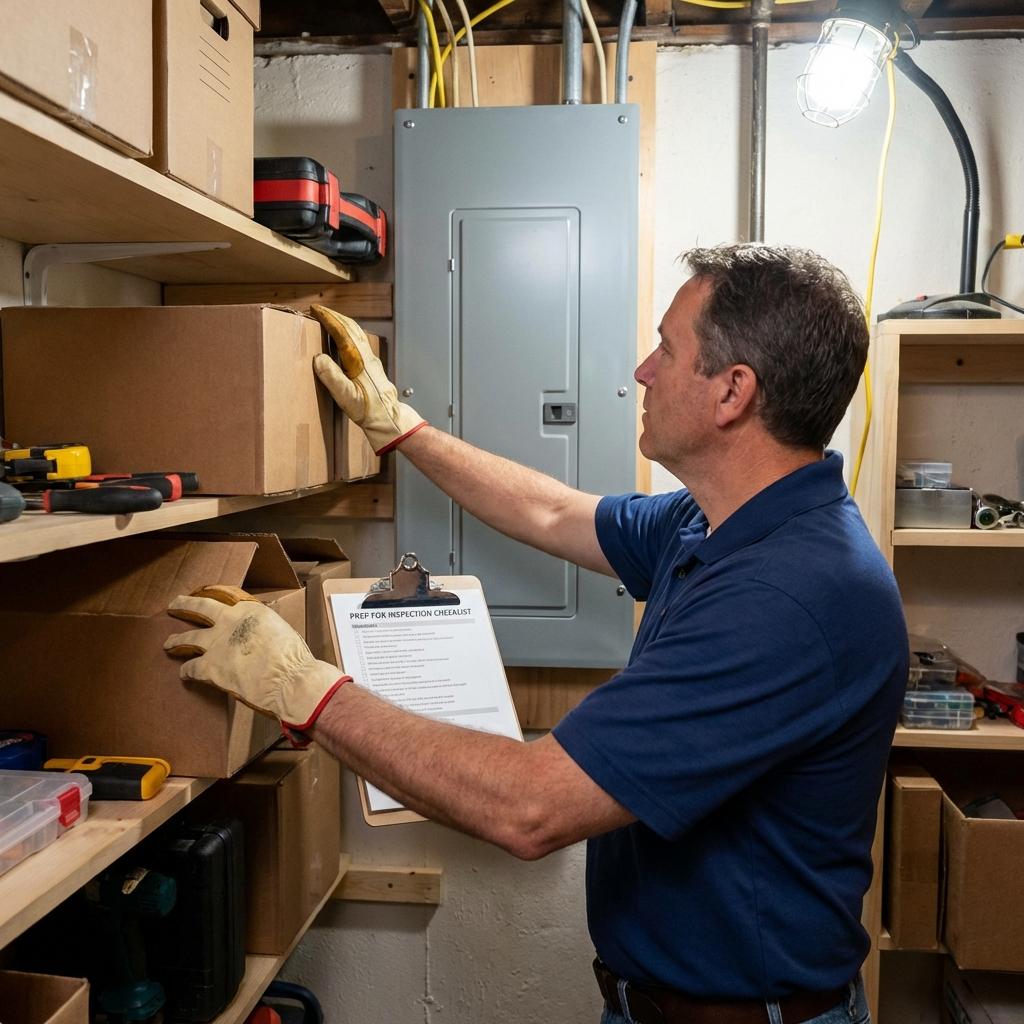
Open your breaker panel and look for any breaker that is not fully in the ON position. A tripped breaker sits in a middle position between ON and OFF and may show a red or orange indicator. To reset it, push the breaker firmly to the full OFF position first, then flip it back to ON. If the breaker trips again immediately or within a few minutes, do not keep resetting it. There is a fault on the circuit that needs professional diagnosis.
Step 5: Test Both Halves of the Outlet
A standard duplex outlet has an upper and a lower receptacle. It is possible for one half to work while the other does not, particularly in a switch-controlled configuration or if one half has a loose connection. Test both halves with your known-working device.
Common Causes of Dead Outlets
Tripped GFCI Protection
As discussed above, this is the most frequent cause. GFCI outlets trip when they detect a current imbalance as small as 4 to 6 milliamps between the hot and neutral conductors, which can be caused by moisture, a faulty appliance, or even normal wear on an appliance cord. Resetting the GFCI restores power to all protected outlets.
Whether it is a simple repair or a major electrical project, our licensed team is ready to help. Serving all of Northern Virginia with transparent pricing and expert workmanship. Call (703) 997-0026 today.
Tripped Circuit Breaker
An overloaded circuit or a short circuit in any device on the circuit will trip the breaker, killing power to every outlet on that circuit. Identify and address the cause of the trip before resetting.
Loose Wire Connections
Over time, wire connections inside outlet boxes can loosen due to thermal cycling, vibration, or improper installation. A loose connection can cause an outlet to work intermittently or stop working entirely. Worse, loose connections create resistance that generates heat, making them a significant fire hazard. This is especially common with backstab connections, where wires are pushed into spring-loaded holes in the back of the outlet rather than being wrapped around screw terminals. Backstab connections are notorious for loosening over time.
Faulty Outlet
The outlet itself can fail. The internal contacts that grip the plug prongs wear out with repeated use, eventually losing their spring tension. When the contacts no longer grip firmly, the connection becomes intermittent or fails entirely. A receptacle that cannot hold a plug securely should be replaced.
Damaged Wiring
Wiring can be damaged by rodents chewing through insulation, nails or screws driven into walls during picture hanging or renovation projects, or simple age-related deterioration of the wire insulation. Damaged wiring can cause a dead outlet, an intermittent outlet, or worse, an arcing fault behind the wall that poses a fire risk.
In homes throughout Arlington, Falls Church, and older neighborhoods of Fairfax, we frequently find outlets wired with the backstab method that have failed after decades of use. If one backstab-connected outlet fails, the others in the home are likely approaching failure as well. We recommend upgrading to screw-terminal connections when replacing outlets in these homes.
Upstream Outlet Failure
Outlets are often wired in a daisy chain, where power flows from the panel to the first outlet, then from the first outlet to the second, and so on down the line. If a connection fails at any outlet in the chain, every outlet downstream of that failure point goes dead. This is why multiple dead outlets on the same circuit usually indicate a single problem at the first dead outlet in the chain.
When to Call an Electrician
Situations That Require Professional Help
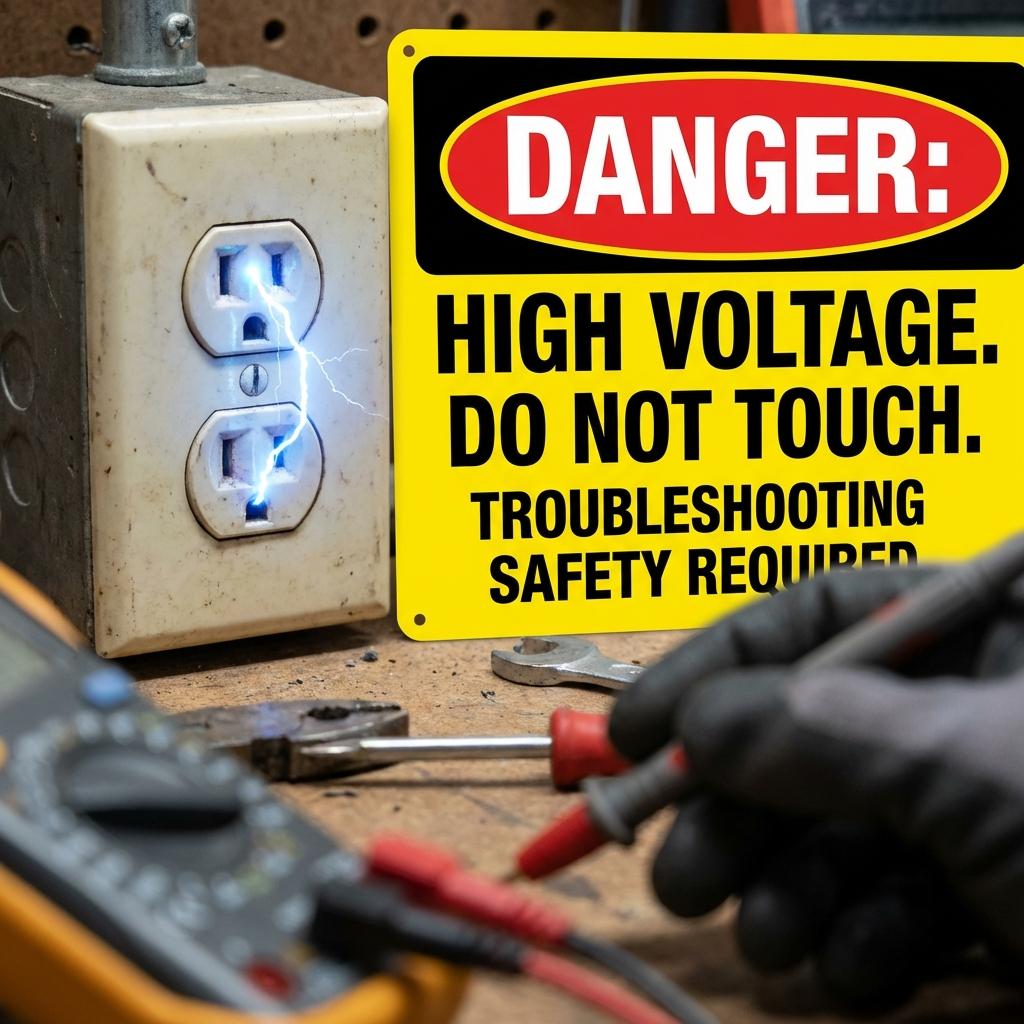
After working through the safe troubleshooting steps above, call a licensed electrician if the outlet remains dead after resetting all GFCIs and breakers, if the breaker trips immediately upon reset, if you notice a burning smell, warmth, or discoloration at the outlet, if multiple outlets on the same circuit are dead, if the outlet sparks when you plug something in, or if you hear buzzing or crackling from the outlet or the wall behind it. These situations indicate wiring faults, loose connections, or other conditions that are unsafe for homeowners to investigate.
What the Electrician Will Do
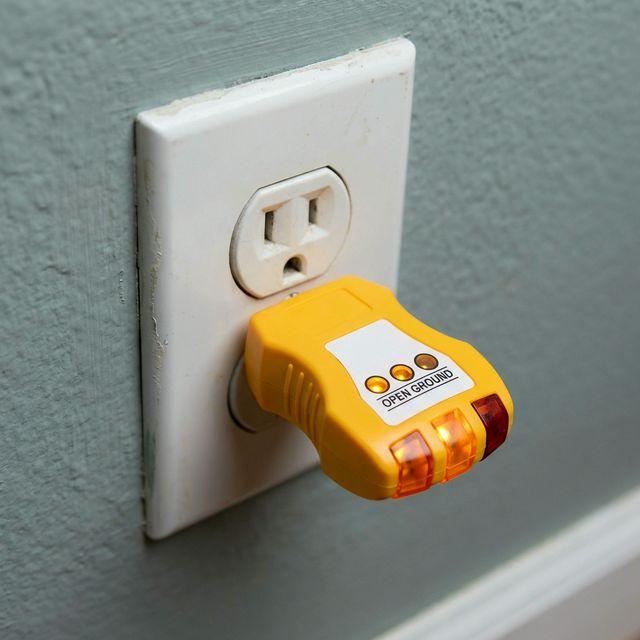
A licensed electrician will use a combination of a non-contact voltage tester, a multimeter, and a receptacle tester to diagnose the problem systematically. They will check for voltage at the dead outlet to determine whether power is reaching it. If no voltage is present, they will work backward along the circuit to find where power stops, which identifies the location of the fault. Once found, the repair might involve tightening a loose connection, replacing a failed outlet, splicing damaged wiring, or replacing a section of wire.
Preventing Outlet Problems
Regular attention to your outlets can prevent failures and catch problems early. Periodically test all GFCI outlets using their built-in test buttons. Replace any outlet where plugs fit loosely or fall out, as this indicates worn contacts. Avoid overloading outlets with multiple high-draw devices. Use outlet covers on unused outlets to keep out dust and debris. And if you notice any outlet that feels warm, smells unusual, or shows discoloration, have it inspected promptly.
Dead outlets are usually fixable, but the fix needs to be done safely and correctly. If your troubleshooting does not restore power, the experienced electricians at AJ Long Electric are ready to help. We serve homeowners throughout Northern Virginia including Fairfax, Loudoun, Arlington, Prince William, and the surrounding communities. Call us at (703) 997-0026 for prompt, professional outlet diagnosis and repair.
Tags:

Written by
AJ Long Electric Team
Licensed Electricians
Our team of licensed electricians brings over 40 years of combined experience serving Northern Virginia. We're committed to providing expert electrical solutions with a focus on safety, quality, and customer satisfaction.
Reviewed by AJ Long Electric Master Electricians · VA License #2705031092 · View Credentials