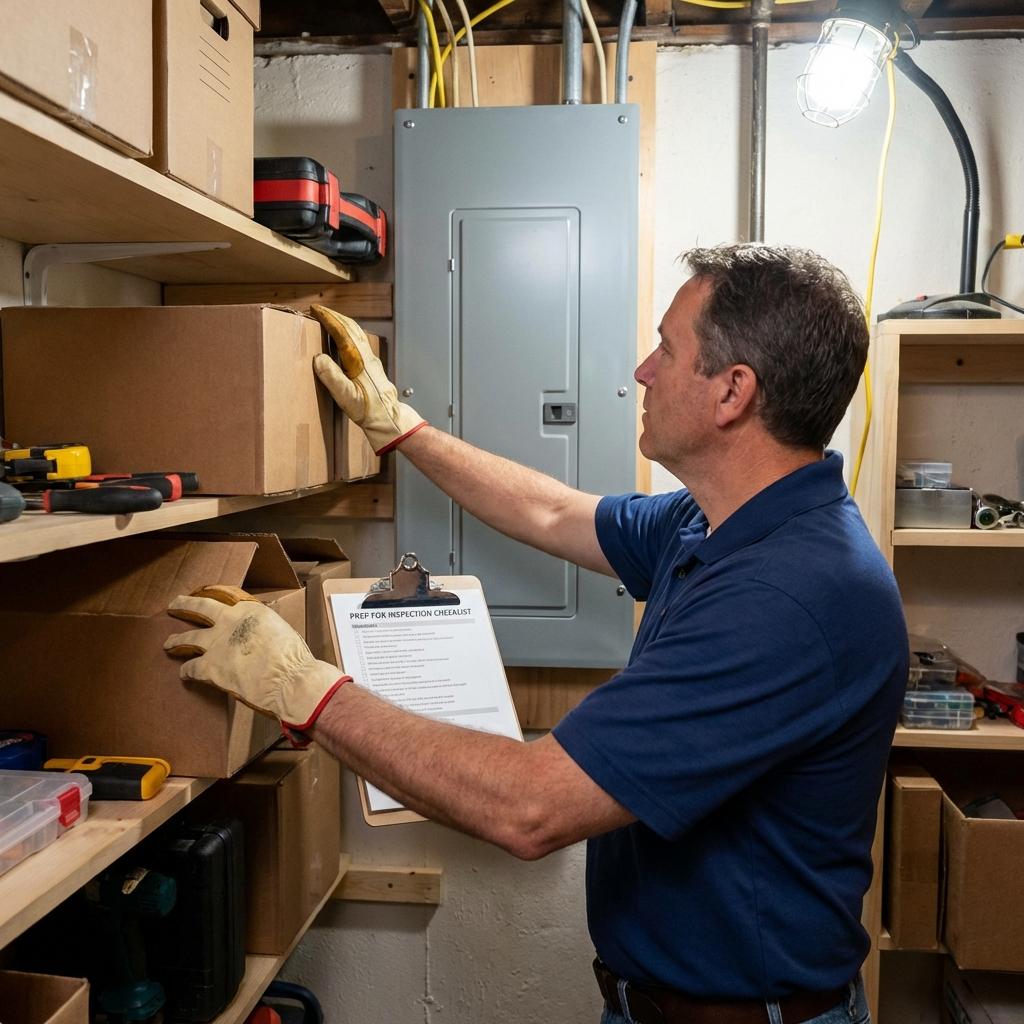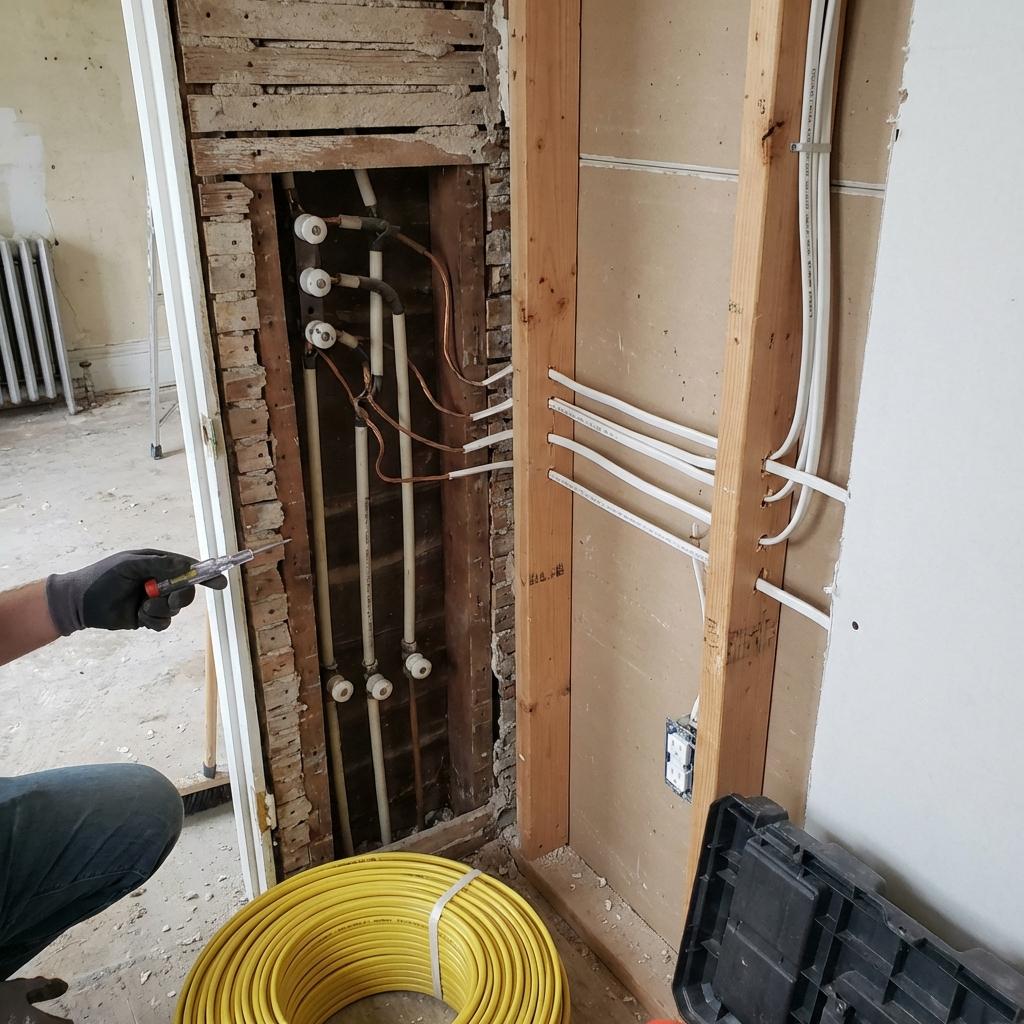
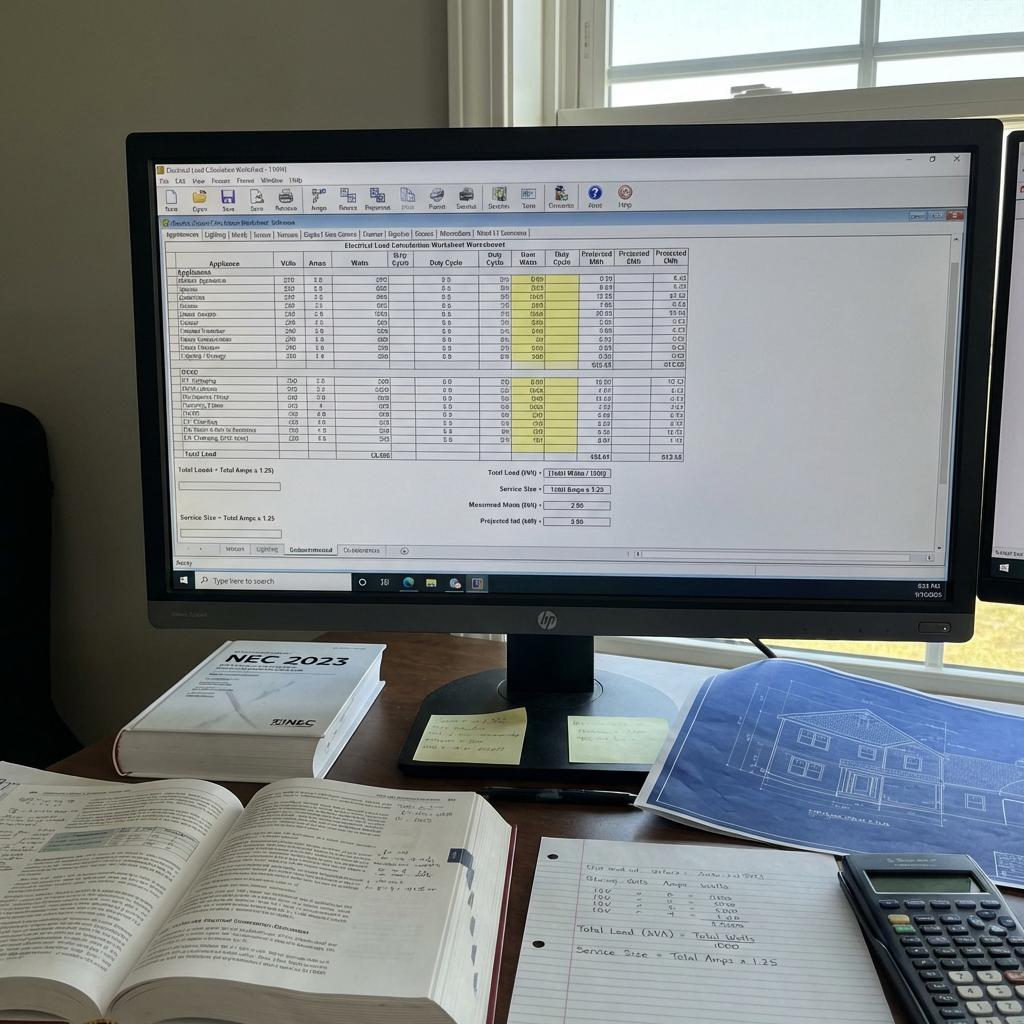
An electrical load calculation is the process of determining how much electrical capacity your home needs based on every device, appliance, and system that draws power. Think of it as a comprehensive inventory of your home's electrical appetite. This calculation is not just an academic exercise; it is a critical step before any major electrical project, from panel upgrades to EV charger installations to home additions. Getting it wrong means either an undersized system that trips breakers and struggles to keep up, or an oversized system that wastes money on unnecessary capacity. Either way, the load calculation is the foundation of a properly designed electrical system.
Key Takeaways
- A load calculation determines whether your electrical panel and service can handle your total power demands.
- The NEC provides standardized formulas that electricians use to calculate demand accurately.
- Load calculations are required before panel upgrades, EV charger installations, and home additions.
- Most homes use only 30 to 50 percent of their total connected load at any given time, which demand factors account for.
- A proper load calculation can prevent costly over-engineering or dangerous under-sizing.
Why Load Calculations Matter
Your electrical panel has a finite capacity measured in amperes. A typical older home in Northern Virginia might have 100-amp service, while newer homes usually have 200-amp service. The load calculation tells you how much of that capacity your home actually needs. Without this information, adding a major new load like an EV charger or a heat pump could push your system past its safe limits, causing chronic breaker trips, overheated wiring, or even fire.
When Load Calculations Are Required
Building codes and practical necessity require load calculations in several situations. Before any panel upgrade, the electrician needs to know what service size to install. Before adding an EV charger, the calculation confirms whether your existing panel can accommodate the 40 to 50 amps a Level 2 charger typically requires. Before a home addition, the calculation ensures the expanded home will not exceed your service capacity. When installing a whole-house generator, the calculation determines what size generator you need. And when converting from gas to electric appliances, the calculation shows whether your service can handle the increased electrical load.
What Goes Into a Load Calculation
General Lighting and Receptacle Loads
The NEC assigns a standard load of 3 volt-amperes per square foot for general lighting and receptacle circuits. For a 2,500-square-foot home, that is 7,500 volt-amperes right from the start. This figure accounts for the typical mix of lights, phone chargers, televisions, and other small devices that plug into general-purpose outlets throughout the home.
Outdated or overloaded electrical panels are a safety risk. Our team specializes in 200-amp upgrades throughout Northern Virginia, with same-day panel assessments available. Call (703) 997-0026 to get started.
Small Appliance and Laundry Circuits
The NEC requires a minimum of two 20-amp small appliance circuits for the kitchen and dining areas, plus at least one 20-amp laundry circuit. Each of these is calculated at 1,500 volt-amperes, adding another 4,500 volt-amperes to the total.
Major Appliances
Each major appliance is added individually at its nameplate rating. Common major appliances and their typical loads include electric ranges at 8,000 to 12,000 watts, electric dryers at 5,000 to 5,500 watts, electric water heaters at 4,500 watts, dishwashers at 1,200 to 1,500 watts, garbage disposals at 600 to 900 watts, and built-in microwaves at 1,200 to 1,800 watts. These numbers come from the data plates on the appliances themselves or from manufacturer specifications.
HVAC Systems
Heating and cooling equipment often represents the single largest electrical load in the home. Central air conditioning systems for a typical Northern Virginia home draw 3,000 to 5,000 watts. Heat pumps draw similar amounts. Electric furnaces or backup heat strips can draw 10,000 to 20,000 watts or more. The NEC has specific rules about how to count heating and cooling loads since they are typically not both running simultaneously.
Special Loads
EV chargers, hot tubs, pool pumps, workshop equipment, saunas, and similar special-purpose loads are each added at their nameplate rating. An EV charger alone can add 7,600 to 11,520 watts to your home's electrical demand, which is why a load calculation is essential before installation.
Many homes in the Fairfax, Arlington, and Loudoun County areas were built with 100-amp panels that were perfectly adequate for the electrical demands of the 1970s or 1980s. Today, with modern HVAC systems, multiple home offices, EV chargers, and electric cooking, these homes often need a service upgrade to 200 amps. A load calculation makes the case objectively and is required documentation for the permit application.
How Demand Factors Work
If you added up the nameplate wattage of every device and appliance in your home, the total would be enormous, far exceeding any residential service size. But in reality, you never run everything at full power simultaneously. The NEC accounts for this through demand factors, which are statistically derived percentages that reduce the calculated load to reflect actual simultaneous usage.
General Lighting Demand Factor
The first 3,000 volt-amperes of general lighting load is counted at 100 percent. The remaining load above 3,000 volt-amperes is counted at only 35 percent. This reflects the reality that you never have every light and receptacle in your home in use at the same time.
Appliance Demand Factor
When a home has four or more fastened-in-place appliances other than the range, dryer, HVAC, and water heater, the combined load of those appliances can be reduced to 75 percent. Again, this reflects the statistical improbability of all appliances running simultaneously.
HVAC Demand Factor
The NEC allows you to use only the larger of the heating load or the cooling load, not both, since they are non-coincident loads in most systems. In Northern Virginia's climate, the cooling load is usually the larger of the two unless the home has electric resistance heating.
The Calculation in Practice
Example for a Typical NoVA Home
Consider a 2,400-square-foot home in Ashburn with an electric range, electric dryer, heat pump with 10kW backup strips, electric water heater, dishwasher, garbage disposal, and a desire to add a 48-amp EV charger. The electrician calculates general lighting at 7,200 VA, adds kitchen and laundry circuits at 4,500 VA, then applies demand factors to reduce this combined load. Major appliances are added at nameplate ratings with applicable demand factors. The HVAC load uses the larger of heating or cooling. The EV charger is added at its full continuous load rating. The total calculated demand tells the electrician whether the existing 100-amp panel can handle the addition or whether a 200-amp upgrade is needed.
If you are considering multiple electrical upgrades, have the load calculation done once with all planned additions included. This ensures your service upgrade is sized for everything you want, rather than discovering six months later that the new panel still cannot handle one more addition. Planning ahead saves both time and money.
Load Calculations and Energy Management
Modern technology offers alternatives to brute-force capacity increases. Load management devices, sometimes called energy management systems or smart panels, can dynamically shift power between loads to stay within your service capacity. For example, a load management device for an EV charger can reduce the charger's power draw when the dryer or HVAC is running, then increase it when those loads shut off. This can sometimes allow a 48-amp EV charger to be installed on a 100-amp service that would otherwise need an upgrade. Your electrician can discuss whether load management is appropriate for your specific situation.
Getting Your Load Calculation
A load calculation is typically performed as part of the planning phase for any major electrical project. At AJ Long Electric, we include a thorough load calculation in our assessment for panel upgrades, EV charger installations, generator sizing, and home additions. The calculation gives both you and us confidence that the solution we propose will meet your needs reliably and safely. Contact us at (703) 997-0026 to schedule your electrical assessment and load calculation. We serve homeowners throughout Northern Virginia and provide straightforward, honest guidance based on the numbers.
Tags:

Written by
AJ Long Electric Team
Licensed Electricians
Our team of licensed electricians brings over 40 years of combined experience serving Northern Virginia. We're committed to providing expert electrical solutions with a focus on safety, quality, and customer satisfaction.
Reviewed by AJ Long Electric Master Electricians · VA License #2705031092 · View Credentials