If you own an older home in Northern Virginia, you likely love its character, established neighborhood, and mature landscaping. What you may not love is its electrical system. Homes built before the 1980s were wired for a world of far fewer electrical demands, and the wiring itself may be reaching the end of its safe service life. The good news is that old wiring can almost always be upgraded, and you have a range of options from targeted, cost-effective improvements to comprehensive rewiring that brings the entire system up to modern standards. Understanding these options helps you make informed decisions that balance safety, functionality, and budget.
Key Takeaways
- Old wiring can be upgraded through several approaches, from adding GFCI protection to complete rewiring.
- The right approach depends on the wiring type, its current condition, your budget, and your future plans for the home.
- Knob-and-tube wiring generally should be replaced, while cloth-covered copper wiring may need only targeted repairs.
- Aluminum branch wiring can be remediated with approved connectors rather than complete replacement.
- A professional inspection is essential to determine the correct approach for your specific situation.
Understanding What You Have
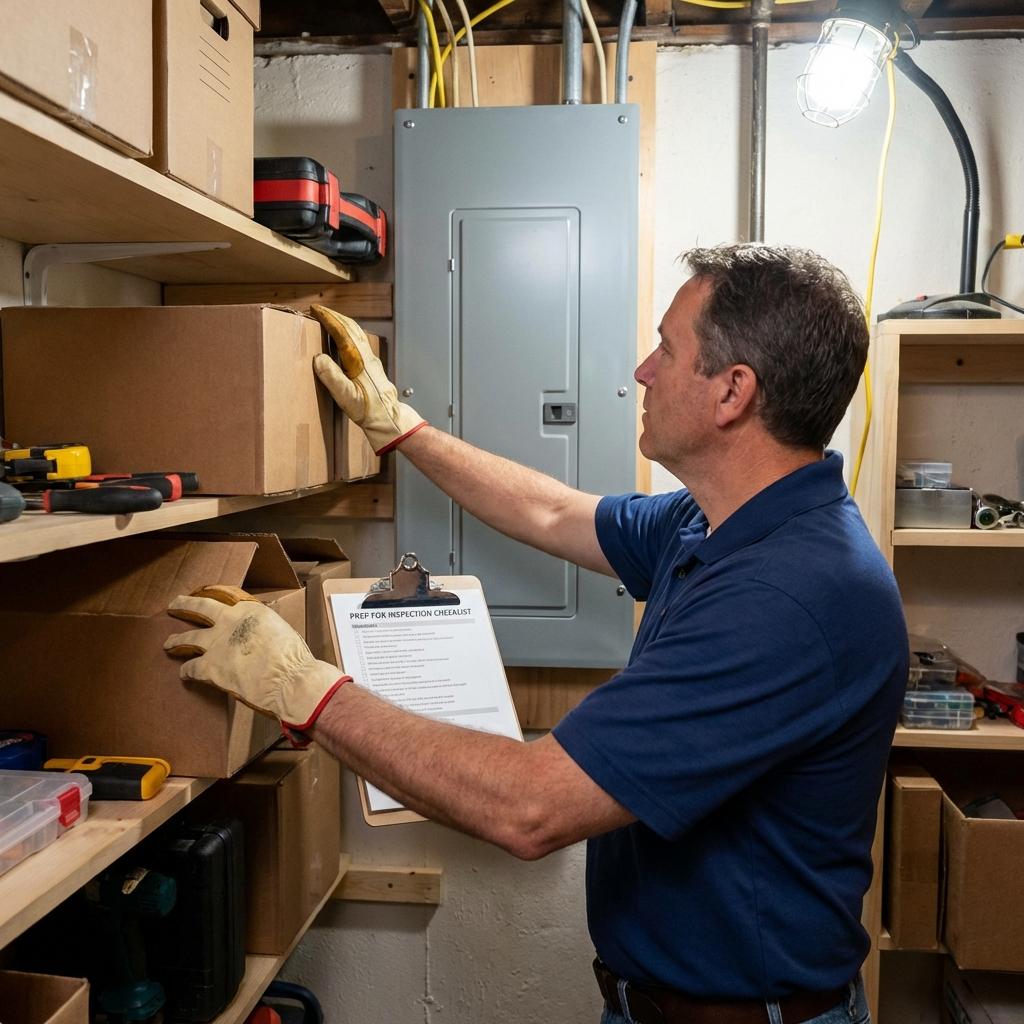
The first step in any wiring upgrade discussion is identifying exactly what type of wiring your home has and what condition it is in. Different wiring types present different risks and call for different solutions. A professional inspection is the only reliable way to make this determination, but knowing the basics helps you understand the electrician's findings and recommendations.
Knob-and-Tube Wiring (1880s to 1940s)
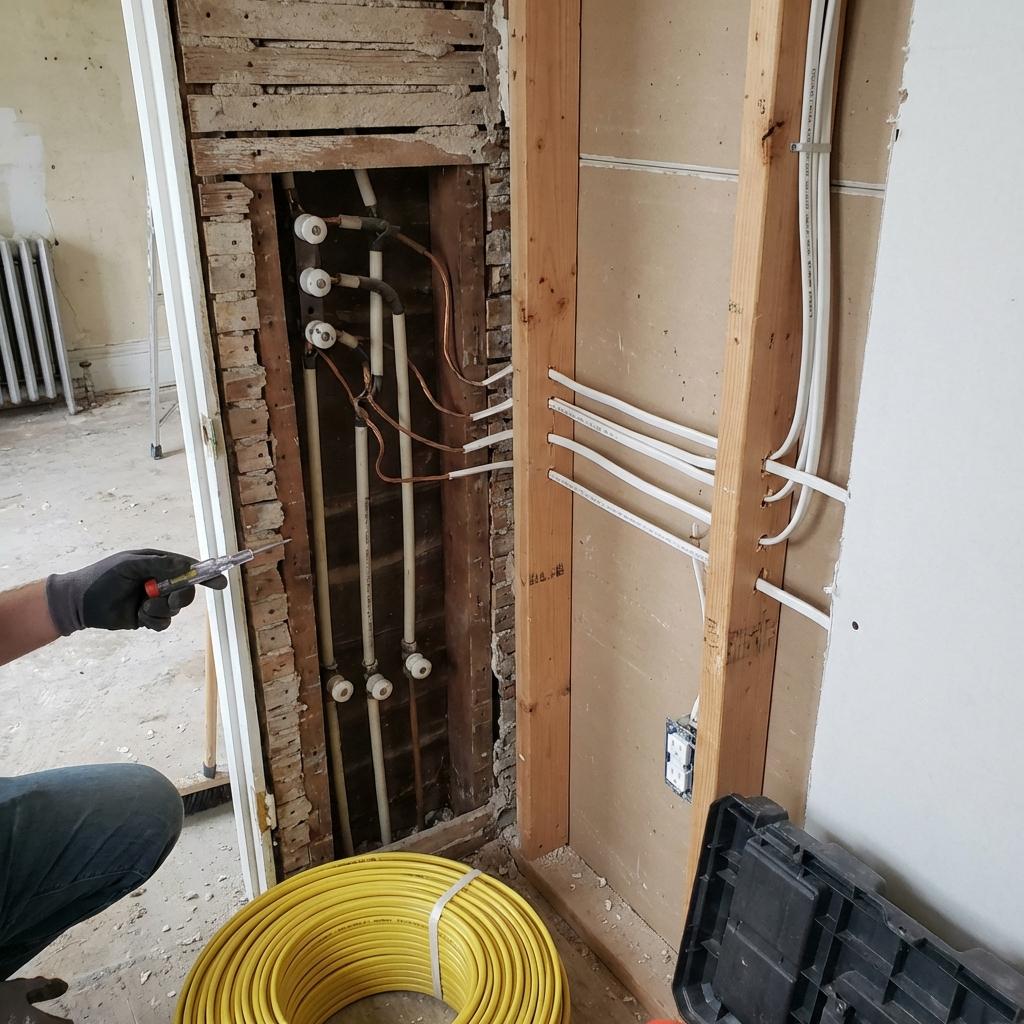
Knob-and-tube wiring is the oldest type of residential wiring still found in occupied homes. It runs individual hot and neutral conductors through porcelain knobs mounted on framing members and through porcelain tubes where the wires pass through structural members. The conductors are insulated with rubber covered by cloth. The system was designed to operate in open air, with the conductors kept well separated from each other and from building materials.
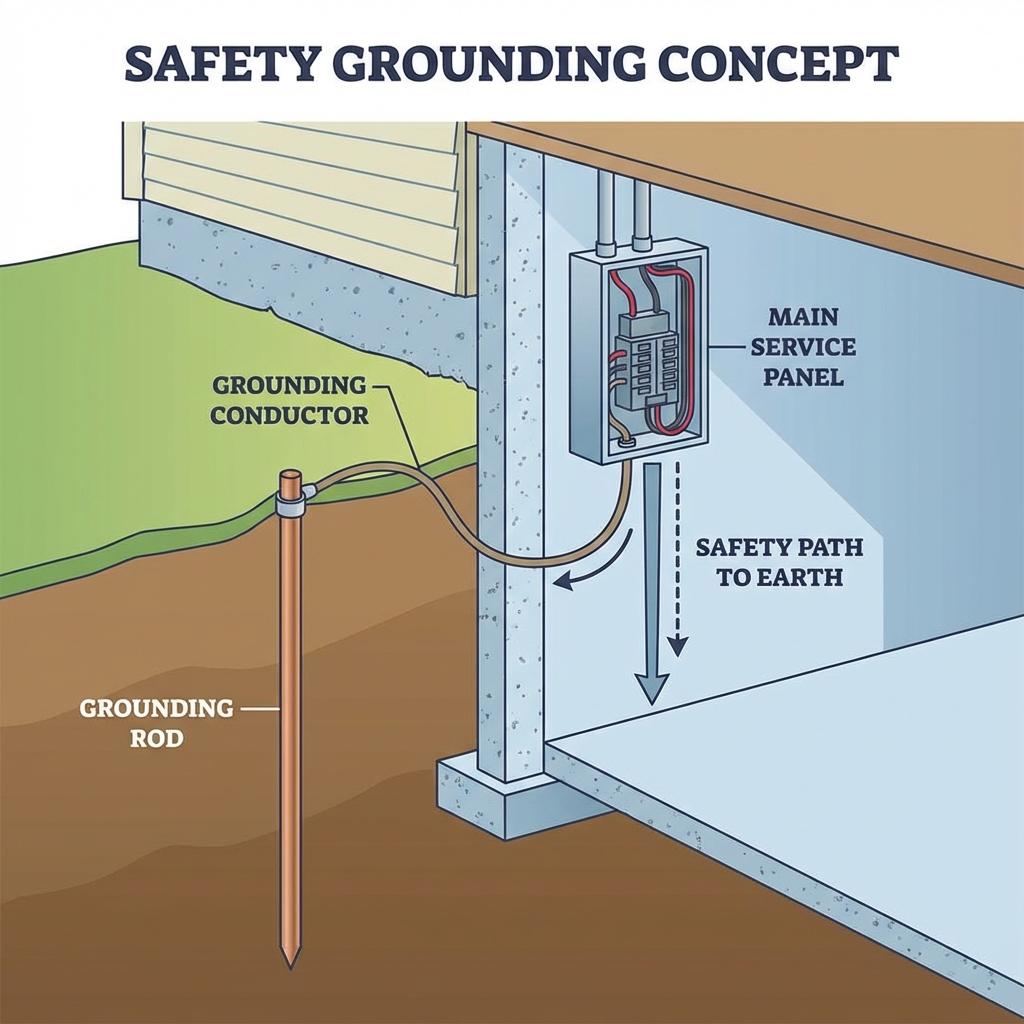
The inherent problems with knob-and-tube wiring include the lack of a ground conductor, which means no equipment grounding and no ability to use three-prong outlets. The rubber insulation deteriorates with age, becoming brittle and crumbling away to expose bare conductors. The system was designed for far lower electrical loads than modern homes require. And critically, blown-in insulation installed during later energy efficiency upgrades can cover the conductors, preventing the air cooling they depend on and causing them to overheat.
Cloth-Covered Wiring (1920s to 1960s)
This wiring type uses rubber-insulated copper conductors covered with a woven cloth sheath, similar to a fabric braid. Early versions lack a ground conductor, while later versions may include one. The rubber insulation and cloth covering both degrade over time, with the rubber becoming brittle and the cloth fraying. In good condition, the copper conductors inside may still be perfectly functional. In poor condition, exposed conductors and crumbling insulation present fire and shock hazards.
Aluminum Branch Circuit Wiring (1965 to 1975)
During a period of high copper prices, builders in many Northern Virginia developments used aluminum conductors for branch circuit wiring. The aluminum itself is a functional conductor, but its physical properties create problems at connection points. Aluminum expands and contracts more than copper with temperature changes, causing connections to loosen over time. Aluminum forms an oxide layer when exposed to air, and this oxide is resistive and generates heat when current flows through it. And aluminum is softer than copper, so over-tightened connections can deform the wire and create further looseness. The combination of these factors makes aluminum wiring connections fire hazards that worsen progressively over time.
Homes built between 1965 and 1975 in Northern Virginia developments including parts of Reston, Herndon, Springfield, and Burke are common locations for aluminum branch circuit wiring. If your home was built during this era, it is worth having the wiring type verified by a professional. The type of wiring is typically visible inside the electrical panel or at any opened outlet or switch box.
Upgrade Options for Each Wiring Type
Knob-and-Tube: Replacement Recommended
Due to the combination of no grounding, aging insulation, limited capacity, and incompatibility with modern insulation, the general recommendation for knob-and-tube wiring is replacement. The approach depends on the extent of the remaining knob-and-tube circuits.
Whether it is a simple repair or a major electrical project, our licensed team is ready to help. Serving all of Northern Virginia with transparent pricing and expert workmanship. Call (703) 997-0026 today.
If only a few circuits remain as knob-and-tube with the rest already updated, replacing just those circuits is straightforward and relatively affordable. If the entire house is knob-and-tube, a complete rewire is the appropriate solution. A complete rewire involves running all new wiring through the home, typically through the attic, basement, and interior walls, and installing a new panel. While this is a significant project, it transforms the entire electrical system to modern standards.
Aluminum Wiring: Remediation Options
Complete replacement of aluminum wiring with copper is one option, but it is also the most expensive and disruptive. Fortunately, approved remediation methods exist that address the connection hazards without replacing all the wire.
COPALUM crimps are the gold standard for aluminum wiring remediation. A licensed electrician uses a specially calibrated tool to cold-weld a short section of copper wire to the aluminum conductor using a special connector. The resulting connection is permanent, reliable, and approved by the Consumer Product Safety Commission. COPALUM connectors must be installed by contractors trained and licensed in the specific method.
AlumiConn connectors are another approved option. These lug-style connectors provide a separation between the aluminum and copper conductors, preventing the galvanic corrosion that occurs when the two metals are in direct contact. AlumiConn connectors are less expensive than COPALUM crimps and can be installed by any licensed electrician.
Cloth-Covered Wiring: Assessment-Based Approach
The appropriate treatment for cloth-covered wiring depends on its condition. If the insulation is intact and the wiring is in good condition, it may continue to function safely with monitoring and periodic re-inspection. If insulation is degraded in some areas, targeted replacement of the affected circuits is appropriate. If degradation is widespread, complete rewiring is the most cost-effective long-term solution. In all cases, adding GFCI protection on circuits that lack grounding provides an important interim safety improvement.
If you are planning a kitchen or bathroom renovation in your older Northern Virginia home, that is the ideal time to address wiring in those areas. With walls open during the renovation, running new wiring is far easier and less expensive than doing it through finished walls. Coordinate with your general contractor to have the electrical work performed during the rough-in phase before new drywall goes up.
Partial vs. Complete Rewiring
When Partial Upgrades Make Sense
A partial approach, upgrading specific circuits or areas rather than the whole house, makes sense when only some circuits have problematic wiring while others are in good condition. When budget constraints require a phased approach, prioritizing the most critical circuits first. When specific areas are being renovated, creating an opportunity to upgrade wiring in those areas with minimal additional cost. Or when adding new circuits for specific needs like EV charging or a home office, which brings modern wiring to those areas while leaving functional existing wiring in place.
When Complete Rewiring Is the Better Choice
Complete rewiring makes more sense when the majority of the home's wiring is in poor condition or is a type that presents ongoing risk. When the home is being gutted as part of a major renovation, eliminating the incremental cost of opening and closing walls. When the homeowner plans to stay in the home long-term and wants the peace of mind of a fully modernized system. Or when insurance requirements or sale conditions demand a complete upgrade. While more expensive upfront, a complete rewire eliminates all legacy wiring risks and provides a modern, high-capacity electrical system that will serve the home for decades.
What a Rewiring Project Involves
Assessment and Planning
The project begins with a thorough assessment of the existing system and a detailed plan for the new installation. The electrician determines routing paths for new wiring, identifies which walls will need to be opened if any, plans the new panel and circuit layout, and accounts for current and anticipated future loads.
Installation
New wiring is typically routed through the attic and basement or crawl space, dropping down or coming up through interior wall cavities to reach outlets and switches. In many cases, the electrician can fish wires through existing wall cavities without opening the walls, minimizing drywall damage. Where wall access is necessary, strategic openings are made that can be patched after the work is complete.
Panel Upgrade
A rewiring project almost always includes a panel upgrade. The new panel is sized for the home's current and projected electrical demands, typically 200 amps for a modern Northern Virginia home. The panel provides ample slots for dedicated circuits, AFCI and GFCI breakers, and future expansion.
Inspection and Completion
All rewiring work requires permits and inspections. The inspector verifies that the new installation meets code in every respect, from wire sizing and routing to connection quality and protection devices. Once the inspection passes, the project is complete and the homeowner has a fully modern electrical system.
Making the Decision
The decision to upgrade, partially rewire, or fully rewire your older home's electrical system is best made with professional input. A qualified electrician can inspect your existing wiring, assess its condition, identify specific hazards, and present options that match your safety needs, your plans for the home, and your budget. At AJ Long Electric, we specialize in working with older homes throughout Northern Virginia. We understand the wiring types, the common issues, and the most effective solutions for each situation. Call us at (703) 997-0026 to schedule a wiring assessment and get honest, expert guidance on your options.
Tags:

Written by
AJ Long Electric Team
Licensed Electricians
Our team of licensed electricians brings over 40 years of combined experience serving Northern Virginia. We're committed to providing expert electrical solutions with a focus on safety, quality, and customer satisfaction.
Reviewed by AJ Long Electric Master Electricians · VA License #2705031092 · View Credentials