Northern Virginia experiences its share of severe weather—from summer derechos and hurricanes to winter ice storms and nor'easters. When these storms knock out power, a backup generator can mean the difference between weathering the storm comfortably and facing a real crisis.
Key Takeaways
- Northern Virginia averages several major storms per year that cause extended power outages.
- A backup power plan should include generator sizing, fuel supply, transfer switch, and emergency supplies.
- Test your entire backup power system annually before storm season to verify everything works properly.
- Consider battery backup systems as a supplement or alternative for critical loads like medical equipment and communications.
Northern Virginia Storm Threats
Summer Storms
- Derechos: Straight-line wind storms that can topple trees and power lines across wide areas. The 2012 derecho left millions without power for up to a week.
- Hurricanes: Remnants from coastal storms often bring sustained high winds and heavy rain.
- Severe thunderstorms: Lightning, wind, and hail can damage power infrastructure.
Winter Storms
- Ice storms: Heavy ice accumulation on trees and power lines causes widespread outages.
- Nor'easters: Can bring heavy snow, ice, and high winds.
- Heavy snow: Wet snow accumulation on lines and trees.
Other Threats
- Falling trees from saturated ground
- Vehicle accidents damaging utility poles
- Transformer failures during high-demand periods
- Grid instability during extreme heat or cold
Annual Test: Each fall, run a full test of your backup power system. Simulate an outage, verify the generator starts, test the transfer switch, and confirm critical circuits receive power. Fix any issues before storms arrive.
What's at Risk During Extended Outages
Summer Outage Risks
- Food spoilage: Refrigerator contents can spoil within 4-6 hours. A freezer may last 24-48 hours if full and unopened.
- Heat exposure: Dangerous for elderly, young children, and those with health conditions. Homes can reach 90°F+ without AC.
- Sump pump failure: Summer storms often bring heavy rain. No power means no sump pump protection.
- Medical equipment: CPAP machines, nebulizers, oxygen concentrators, and medication refrigeration all need power.
- Work disruption: Remote workers cannot function without power and internet.
Winter Outage Risks
- Frozen pipes: Without heat, pipes can freeze and burst within hours in severe cold.
- Hypothermia risk: Home temperatures can drop below 50°F within hours, dangerous for vulnerable family members.
- Well pump failure: No power means no water for homes on well systems.
- Food spoilage: Even in winter, refrigerators can warm up faster than you'd think.
How a Standby Generator Protects You
Automatic Protection
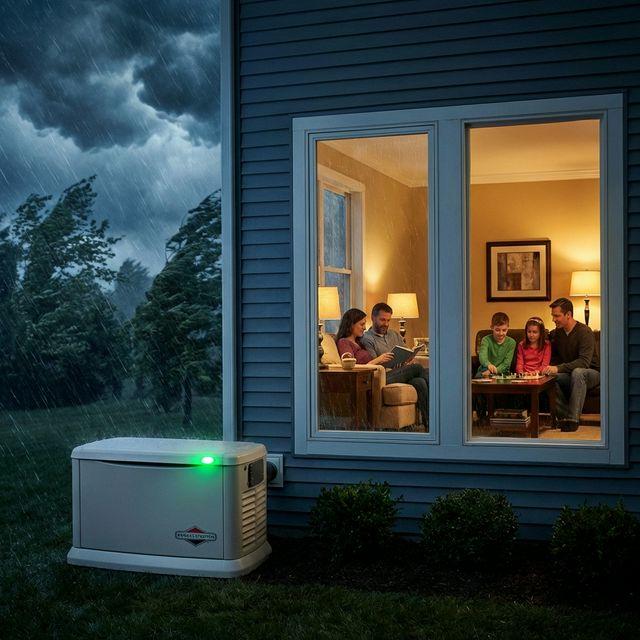
When power fails, your standby generator:
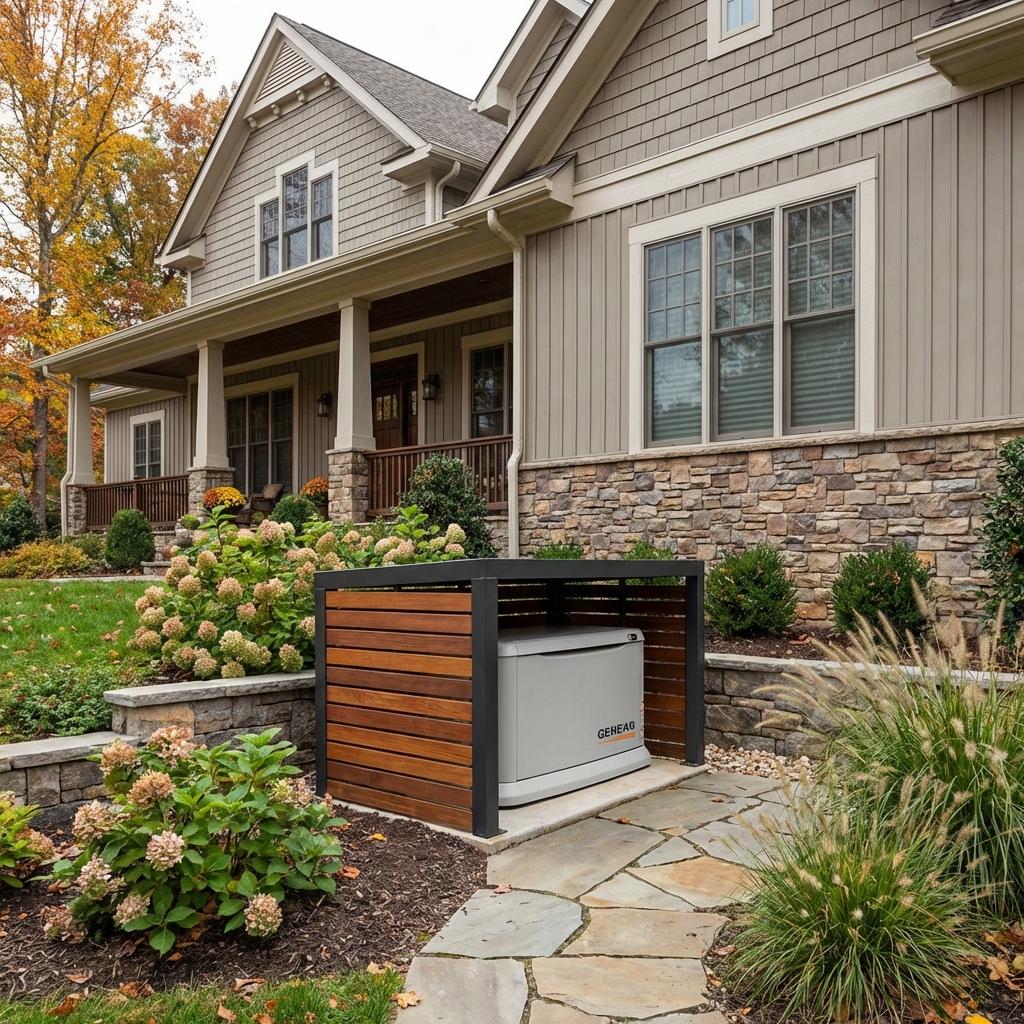
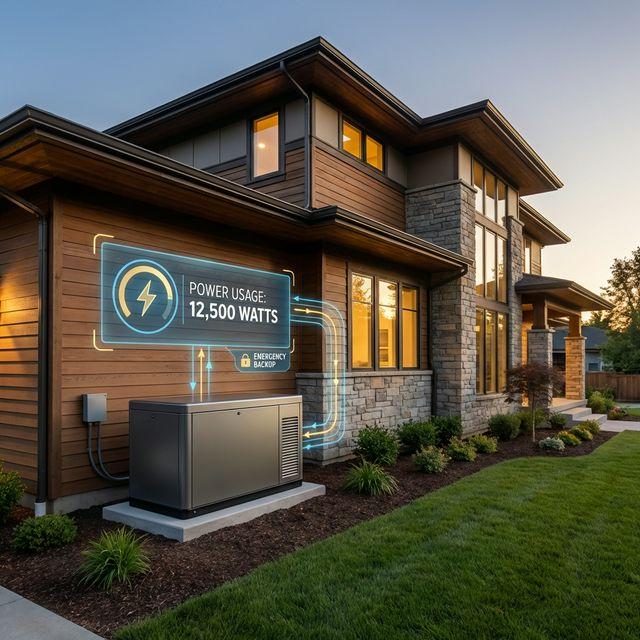
Never lose power again. We are authorized Generac installers serving all of Northern Virginia. From sizing to installation to maintenance, we handle every step. Call (703) 997-0026 for a free in-home assessment.
- Detects the outage within seconds
- Starts automatically (no action needed from you)
- Transfers your home to generator power in 10-30 seconds
- Keeps everything running normally
- Works even when you're away from home
Essential Systems Protected
- HVAC: Heat in winter, air conditioning in summer
- Refrigeration: Food stays safe, medications stay cold
- Sump pump: Basement stays dry during storms
- Well pump: Water keeps flowing
- Lighting: Safety and convenience
- Communications: Wi-Fi router, phones charged
- Security: Alarm systems, cameras, door locks
- Medical equipment: Continuous operation without interruption
Before the Storm: Preparation Checklist
Generator Readiness
- Verify generator is in "Auto" mode
- Check that recent exercise cycles completed successfully
- Confirm fuel supply (propane tank level or natural gas service)
- Clear any debris from around the generator
- Test the generator if you haven't heard it run recently
Home Preparation
- Charge all devices and battery packs
- Fill bathtubs with water (for flushing if on municipal water)
- Have flashlights accessible (even with a generator, you need light for the 10-30 second transfer)
- Prepare non-perishable food (in case generator issues arise)
- Know how to manually operate garage doors
- Have your electrician's emergency number handy
During the Storm
Generator Operating Tips
- Don't open the generator enclosure during operation
- Monitor the generator app for status and any alerts
- Conserve fuel by minimizing unnecessary loads if on propane
- Be aware of how long your propane supply will last
- Don't run high-demand appliances simultaneously if not needed
What to Expect
- Generator will run continuously until utility power returns
- Slight increase in noise compared to normal
- Some sensitive electronics may briefly reset during transfer
- Generator may take short breaks and restart (load shedding)
After the Storm
Post-Storm Generator Check
- After extended operation, check oil level
- Note how many hours the generator ran (for maintenance planning)
- Schedule service if the generator ran more than 24 hours continuously
- Check for any fault codes in the history
- Refill propane tank if depleted
Damage Assessment
- Check generator enclosure for storm damage
- Look for debris accumulation
- Verify exhaust system is undamaged
- Check gas/propane lines for damage
Real Peace of Mind
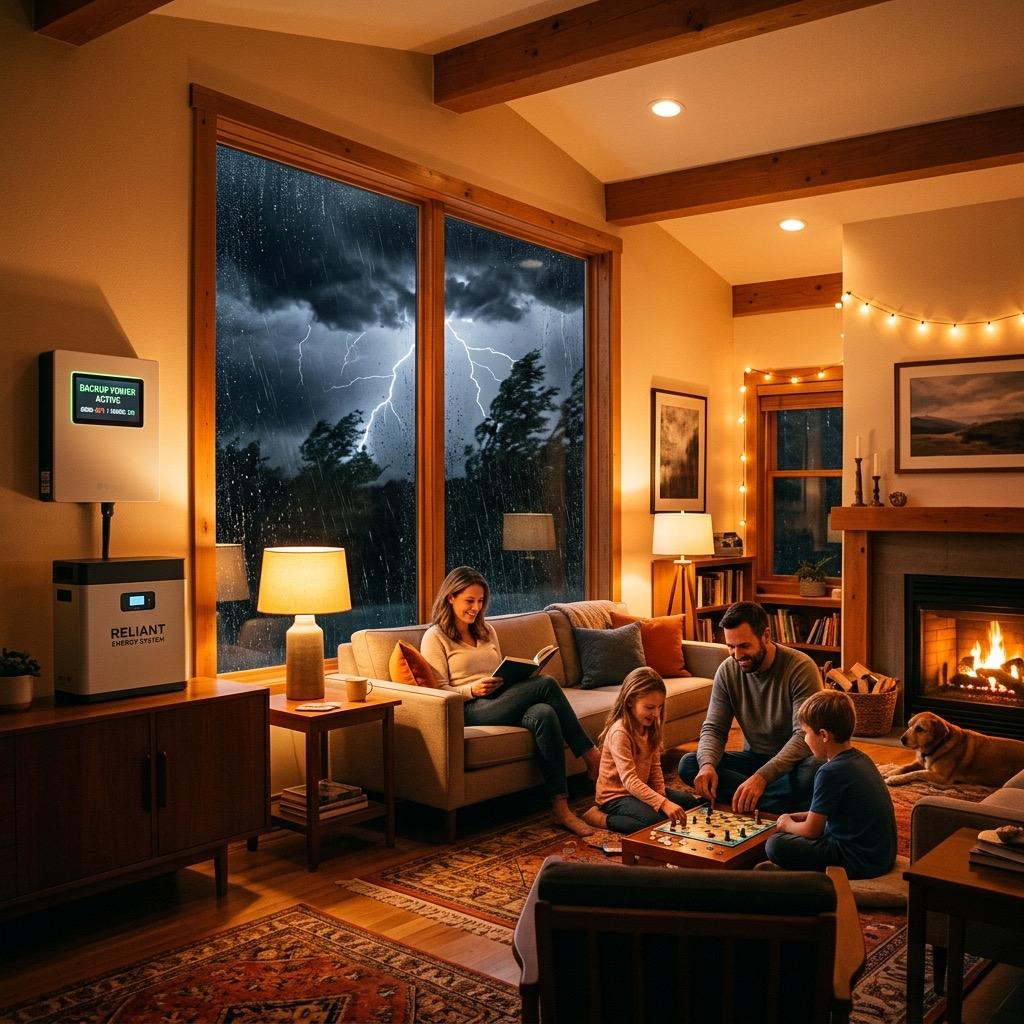
The true value of a standby generator becomes clear when severe weather hits. While neighbors scramble for flashlights and worry about frozen pipes or spoiled food, you can focus on your family's safety and comfort.
At AJ Long Electric, we've helped hundreds of Northern Virginia families prepare for power outages with professionally installed standby generators. Contact us today to discuss how backup power can protect your home.
Tags:

Written by
Matt Long
Master Electrician
Our team of licensed electricians brings over 40 years of combined experience serving Northern Virginia. We're committed to providing expert electrical solutions with a focus on safety, quality, and customer satisfaction.
Reviewed by AJ Long Electric Master Electricians · VA License #2705031092 · View Credentials