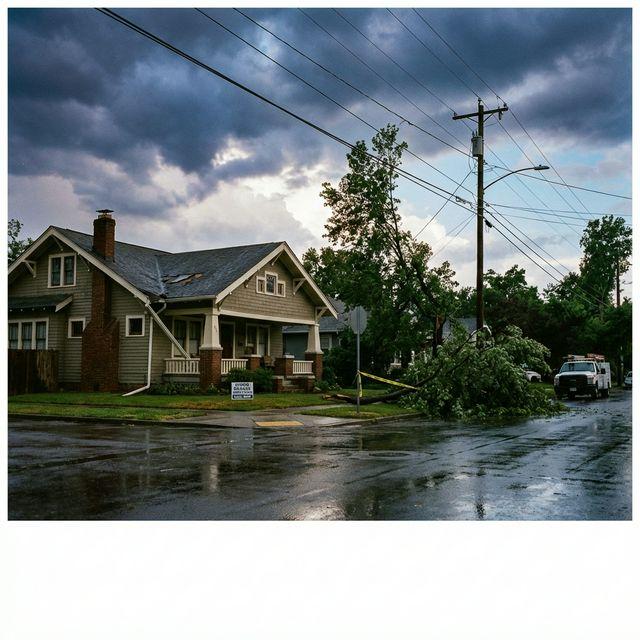
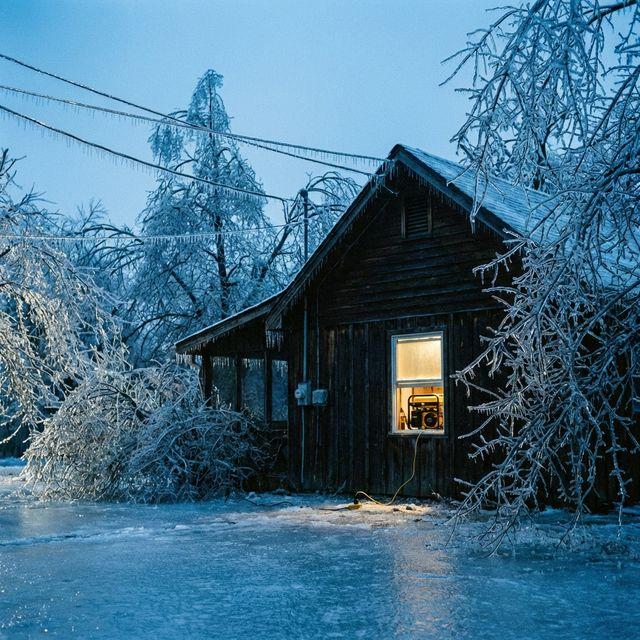
Ice storms pose unique dangers to Northern Virginia's power infrastructure. The weight of ice accumulation brings down trees and power lines, and restoration can take days or even weeks in severe events. Preparing your home before ice storms arrive ensures your family's safety and comfort during extended outages.
Key Takeaways
- Ice storms can cause extended outages lasting days or weeks -- have a backup power plan before the season starts.
- Never run generators indoors, in garages, or in any enclosed space. Carbon monoxide is odorless and can kill in minutes.
- Turn off and unplug major appliances during outages to prevent surge damage when power is restored.
- Keep refrigerator and freezer doors closed to maintain safe food temperatures as long as possible.
Understanding Ice Storm Threats
Power Outage Kit: Keep flashlights with fresh batteries, a battery-powered radio, portable phone chargers, extra blankets, and a manual can opener ready. Avoid candles -- they are a leading cause of house fires during outages.
Ice storms affect electrical systems severely:
- Ice accumulation: Just 1/4 inch of ice can add 500 pounds to power lines between poles
- Tree damage: Ice-laden branches fall onto power lines
- Extended outages: Restoration requires extensive infrastructure repair
- Widespread impact: Large areas lose power simultaneously, straining utility resources
Before the Storm
Home Preparation
- Fully charge all phones, laptops, and battery packs
- Fill vehicles with gas while pumps are operational
- Stock up on essential medications
- Have cash available (ATMs and card readers won't work)
- Fill bathtub with water for toilet flushing if you have well water
- Set refrigerator and freezer to coldest settings
Emergency Supplies
- Flashlights with fresh batteries (multiple)
- Battery-powered or hand-crank radio
- Non-perishable food requiring no cooking
- Manual can opener
- Bottled water (1 gallon per person per day for 3 days minimum)
- First aid kit
- Extra blankets and warm clothing
- Battery-powered carbon monoxide detector
Backup Power Options
Portable Generators
- Size appropriately for your essential loads
- Store fuel safely with stabilizer added
- Have heavy-duty extension cords ready
- NEVER operate indoors or in enclosed spaces
- Test run before storm season
Standby Generators
- Verify proper operation before storm season
- Ensure adequate fuel supply (propane tank level or natural gas service)
- Test automatic transfer switch operation
- Schedule professional maintenance annually
Battery Backup Systems
- Modern battery systems provide clean, silent backup
- Limited duration compared to generators
- Ideal for critical loads during shorter outages
- Can integrate with solar panels
During the Outage
Staying Warm
- Close off unused rooms to conserve heat
- Use layers and blankets rather than unsafe heating alternatives
- NEVER use gas ovens, grills, or camp stoves for indoor heating
- If you have a working fireplace, use it safely with proper ventilation
- Stay together in one room to share body heat
Food Safety
- Keep refrigerator and freezer doors closed
- A full freezer holds temperature for 48 hours; half-full for 24 hours
- Group food in freezer to help maintain temperature
- Move perishables outside if temperatures are below 40°F
- When in doubt, throw it out
Water Considerations
- Well pumps won't work without power
- Use stored water for drinking and cooking
- Reduce toilet flushing to conserve water
- Don't let pipes freeze—see winterization guidelines
Generator Safety During Operation
- Operate generators at least 20 feet from windows and doors
- Point exhaust away from the house
- Never refuel while running or hot
- Connect only essential loads
- Never connect generators directly to house wiring without a transfer switch
When Power Returns
- Wait a few minutes before turning on major appliances
- Check for damage to electronics
- Discard food that has thawed and been above 40°F for over 2 hours
- Reset clocks and timers
- Replenish emergency supplies
Professional Preparation
Before ice storm season, consider:
Never lose power again. We are authorized Generac installers serving all of Northern Virginia. From sizing to installation to maintenance, we handle every step. Call (703) 997-0026 for a free in-home assessment.
- Generator installation with proper transfer switch
- Whole-home surge protection for power restoration surges
- Electrical system inspection to identify vulnerabilities
- Battery backup installation for critical systems
At AJ Long Electric, we help homeowners prepare for the worst winter weather. From generator installations to electrical inspections, we ensure your home can weather any storm. Contact us to discuss your storm preparation needs.
Tags:

Written by
AJ Long Electric Team
Licensed Electricians
Our team of licensed electricians brings over 40 years of combined experience serving Northern Virginia. We're committed to providing expert electrical solutions with a focus on safety, quality, and customer satisfaction.
Reviewed by AJ Long Electric Master Electricians · VA License #2705031092 · View Credentials