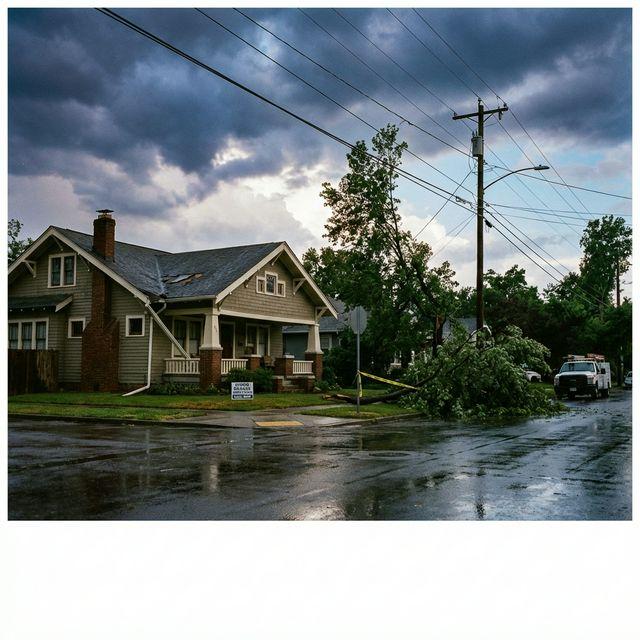
Spring in Northern Virginia brings beautiful weather—but also severe thunderstorms, high winds, and occasional tornadoes. While visible storm damage is obvious, electrical damage often lurks unseen, creating dangerous conditions in your home. Understanding when professional inspection is necessary can prevent fires, electrocution, and costly repairs.
Key Takeaways
- After a major storm, do not restore power until you have visually inspected the panel, meter base, and service entrance.
- Flooding that contacts any part of your electrical system requires a professional inspection before power restoration.
- Lightning strikes can cause hidden damage to wiring inside walls that may not be apparent until a fire starts.
- Document all storm damage with photos before cleanup for insurance purposes.
How Storms Damage Electrical Systems
After the Storm: If you see visible damage to your meter base, service mast, or panel, or if any part of your electrical system was submerged, do not attempt to restore power yourself. Call your utility company and a licensed electrician.
Severe weather affects your electrical system in multiple ways:
Lightning Strikes
Even nearby lightning can damage electrical systems:
- Direct strikes: Can destroy electrical panels, wiring, and every connected device
- Indirect strikes: Induce surges through power lines, ground, or even plumbing
- Ground current: Lightning striking nearby can energize the ground around your home
- Side flash: Lightning can jump from struck objects to electrical systems
Power Surges
Storm-related surges come from multiple sources:
- Lightning-induced surges on utility lines
- Grid switching as utilities reroute power
- Transformer damage causing voltage irregularities
- Power restoration surges after outages
Physical Damage
Wind and debris cause visible and hidden damage:
- Fallen trees damaging service entrance equipment
- Wind-damaged outdoor fixtures and wiring
- Shifted electrical masts and meter bases
- Water intrusion into electrical components
Warning Signs After a Storm
Watch for these indicators of electrical damage:
A professional electrical inspection identifies hidden hazards before they become emergencies. Our licensed electricians provide thorough safety inspections throughout Northern Virginia. Call (703) 997-0026 to schedule yours.
Immediate Red Flags
- Burning smells: Any burning odor near outlets, panels, or appliances
- Visible sparks: Sparking from outlets or fixtures
- Buzzing sounds: New buzzing from electrical components
- Smoke or scorch marks: Any discoloration around electrical equipment
- Tripped breakers: Multiple breakers that won't reset
Subtle Signs
- Flickering lights that weren't flickering before the storm
- Appliances behaving erratically
- GFCI outlets that won't reset
- Warm outlets or switch plates
- Electronics that stopped working
Exterior Damage Assessment
Before calling for inspection, safely assess exterior damage:
Service Entrance
Look for damage to:
- The weatherhead (point where utility lines connect)
- Service mast and mounting
- Meter base and meter
- Service entrance cable
- Ground rod and grounding electrode conductor
Outdoor Equipment
Check for damage to:
- AC unit and disconnect
- Pool equipment
- Landscape lighting
- Outdoor outlets and fixtures
- Garage and outbuilding electrical
When to Call an Electrician Immediately
Contact a licensed electrician immediately if you observe:
- Any burning smell from electrical components
- Visible damage to your electrical service entrance
- Water in your electrical panel or near major electrical equipment
- Sparking from any electrical device or outlet
- Main breaker that won't stay on
- Any signs of fire damage near electrical components
Post-Storm Safety Precautions
Until professional inspection is complete:
- Don't touch any damaged electrical equipment
- Stay away from downed power lines—assume all are energized
- Don't enter flooded areas with electrical equipment
- Avoid using damaged outlets or fixtures
- Consider shutting off main power if damage is suspected
Professional Inspection Process
A thorough post-storm inspection includes:
- Visual inspection of service entrance components
- Electrical panel examination for damage or moisture
- Testing of circuits and breakers
- GFCI and AFCI device testing
- Outlet and switch inspection
- Surge protector evaluation
- Grounding system verification
Insurance Considerations
Document damage for insurance claims:
- Photograph all visible damage
- Keep damaged items for adjuster inspection
- Get written inspection reports from electricians
- Document the timeline of the storm and damage discovery
- Contact your insurance company promptly
At AJ Long Electric, we provide emergency storm damage assessments and repairs. Our licensed electricians can evaluate your system, document damage for insurance, and restore safe operation. Contact us immediately if you suspect storm damage to your electrical system.
Tags:

Written by
AJ Long Electric Team
Licensed Electricians
Our team of licensed electricians brings over 40 years of combined experience serving Northern Virginia. We're committed to providing expert electrical solutions with a focus on safety, quality, and customer satisfaction.
Reviewed by AJ Long Electric Master Electricians · VA License #2705031092 · View Credentials