Most homeowners have their HVAC systems serviced annually, their gutters cleaned seasonally, and their roofs inspected periodically, but very few think about scheduling regular electrical inspections. This oversight is understandable since your electrical system works silently behind the walls, but it is also risky. Electrical problems develop gradually and invisibly, and by the time you notice symptoms like flickering lights, tripping breakers, or burning smells, the underlying condition may have been deteriorating for years. A professional electrical inspection is the only reliable way to evaluate the hidden components of your electrical system and catch problems before they become hazardous or costly.
Key Takeaways
- Most occupied homes should have a professional electrical inspection every 10 years at minimum.
- Homes older than 40 years, homes with aluminum wiring, and homes with known-hazardous panel brands should be inspected more frequently.
- Always get an electrical inspection before buying a home, before selling, and after any major renovation or storm damage.
- A professional inspection goes far beyond what a general home inspector checks.
- The cost of an inspection is minimal compared to the cost of the problems it can prevent.
Recommended Inspection Schedules
Standard Occupied Homes
For a home in good electrical condition with modern wiring, a properly sized panel, and no known issues, a professional electrical inspection every 10 years is a reasonable baseline. This interval is sufficient to catch gradual deterioration of connections, insulation, and components before they reach a dangerous state. However, several circumstances warrant more frequent inspections or an immediate one regardless of when the last inspection occurred.
Before Buying a Home
A pre-purchase electrical inspection is one of the most important steps you can take as a homebuyer. The standard home inspection performed during most real estate transactions includes a basic check of electrical function, but it is not a thorough electrical evaluation. A licensed electrician performs a much more detailed assessment, checking wiring type and condition, panel brand and capacity, grounding integrity, GFCI and AFCI protection, and overall code compliance. The findings can influence your purchase decision, inform your negotiation, and help you budget for any necessary electrical improvements after closing.
The Northern Virginia real estate market moves quickly, and buyers sometimes feel pressure to waive inspections. We strongly recommend against waiving the electrical inspection, especially for homes built before 1980. A home in Fairfax or Arlington that looks beautifully updated on the surface may still have original wiring, a hazardous panel brand, or unpermitted electrical work hidden behind the renovated walls. The inspection cost, typically a few hundred dollars, is a small price for the peace of mind and leverage it provides.
Before Selling a Home
A pre-sale electrical inspection allows you to identify and address any issues before they appear on the buyer's inspection report. Addressing problems proactively is almost always cheaper and less stressful than negotiating repairs after a buyer's inspector flags them. It also positions your home favorably by demonstrating responsible maintenance.
After Major Renovations
Any significant renovation should include an electrical inspection, both of the new work performed during the renovation and of the existing system. Renovations can disturb existing wiring, create new loads that stress the existing system, and sometimes involve electrical work by general contractors or handymen who may not be electrical specialists. A post-renovation inspection ensures everything is safe and up to code.
After Storm Damage
Lightning strikes, even those that hit nearby rather than directly, can damage your electrical system, particularly surge protection devices, GFCI outlets, and sensitive electronics. Flooding can compromise wiring insulation, outlets, and panels. High winds can damage the service entrance and meter. After any significant storm, a visual check of your electrical system is wise, and a professional inspection is warranted if you notice any changes in electrical behavior.
After Any Electrical Issues
If you have experienced repeated breaker trips, flickering lights, burning smells, shocks, or any other electrical symptom, an inspection is warranted even if the immediate symptom has resolved. Electrical problems rarely fix themselves, and a resolved symptom may simply mean the condition is intermittent rather than corrected.
Homes Needing More Frequent Inspections
Homes Over 40 Years Old
A home built before the mid-1980s has wiring that is now 40 or more years old. The insulation materials used during this period, including rubber and cloth coverings, have a finite lifespan and may be degrading. Connections made decades ago may have loosened through thousands of thermal cycles. And the electrical code has evolved significantly since these homes were wired, meaning they likely lack safety features like GFCI and AFCI protection that are standard in newer construction. These homes benefit from inspections every 5 years.
A professional electrical inspection identifies hidden hazards before they become emergencies. Our licensed electricians provide thorough safety inspections throughout Northern Virginia. Call (703) 997-0026 to schedule yours.
Homes With Aluminum Wiring
Homes wired with aluminum branch circuits, common in the 1965 to 1975 period, have an elevated fire risk due to the expansion and oxidation characteristics of aluminum. These homes should be inspected every 3 to 5 years and should have their connections evaluated for signs of overheating. If your home has aluminum wiring that has not been remediated with approved connectors, this should be addressed promptly.
Homes With Hazardous Panel Brands
Federal Pacific, Zinsco, and Pushmatic panels have documented safety defects. If your home still has one of these panels, it should be replaced, not just inspected. However, if replacement is not immediately feasible, annual inspections can monitor the panel's condition and catch deterioration early.
Rental Properties
If you own rental properties in Northern Virginia, regular electrical inspections protect both your tenants and your investment. Tenants may not report minor electrical issues until they become major problems. An inspection every 3 to 5 years, and at every tenant turnover, helps ensure the property remains safe and code-compliant. Some Virginia localities are beginning to require periodic inspections of rental properties.
What a Professional Electrical Inspection Covers
Electrical Panel Assessment
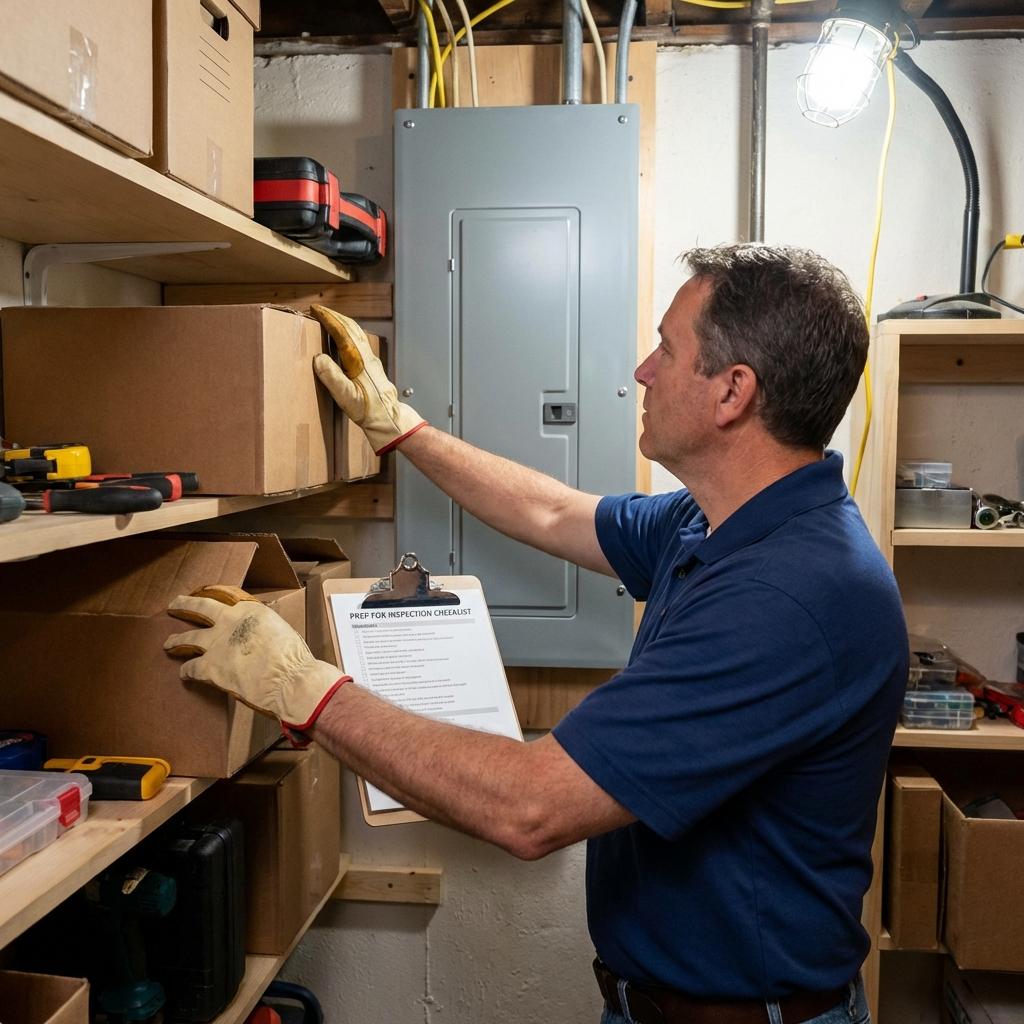
The inspection begins at the electrical panel, the heart of your system. The electrician examines the panel for signs of overheating, including discoloration, melted plastic, and scorch marks. They check that all breakers are properly rated for the wire gauges they protect. They verify that connections at the bus bars and breaker terminals are tight. They assess the panel's brand, age, and overall condition. And they check for proper grounding and bonding.
Wiring Evaluation
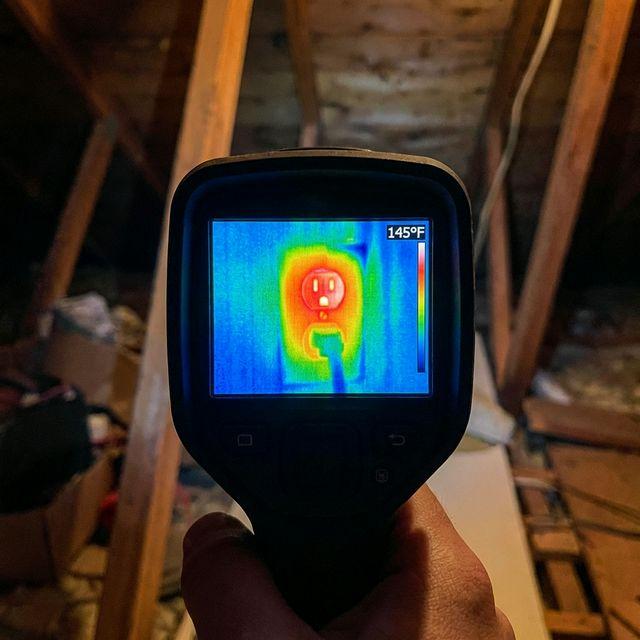
The electrician evaluates the type and condition of your home's wiring at accessible points including the attic, basement, crawl space, and inside the panel. They look for deteriorated insulation, improper splices, damage from rodents or renovation work, and wiring type identification. While they cannot see every inch of wire inside the walls, sampling at accessible points provides a reliable picture of overall wiring condition.
Outlet and Switch Testing
Using a receptacle tester and a multimeter, the electrician checks outlets for proper wiring, correct polarity, solid grounding, and adequate voltage. They test GFCI outlets for proper trip function and timing. They check switches for proper operation and look for signs of wear or overheating. They also verify that outlet and switch installations meet current code for the areas where they are located.
Keep a record of your electrical inspections, including the date, the electrician who performed them, and the findings. This record is valuable for insurance purposes, for future home sales, and for tracking changes in your system's condition over time. At AJ Long Electric, we provide detailed written inspection reports that you can keep in your home maintenance file.
GFCI and AFCI Protection Assessment
The electrician evaluates whether your home has appropriate GFCI protection in all required locations including kitchens, bathrooms, garages, basements, laundry rooms, and outdoor areas. They also assess AFCI protection in bedrooms and living spaces. Gaps in GFCI or AFCI coverage are noted as recommendations for upgrade.
Grounding System Evaluation
Proper grounding is essential for safety. The electrician checks the grounding electrode system, including ground rods and bonding to water pipes. They verify that the grounding and bonding connections at the panel are correct and tight. They also check for proper equipment grounding throughout the home.
The Inspection Report
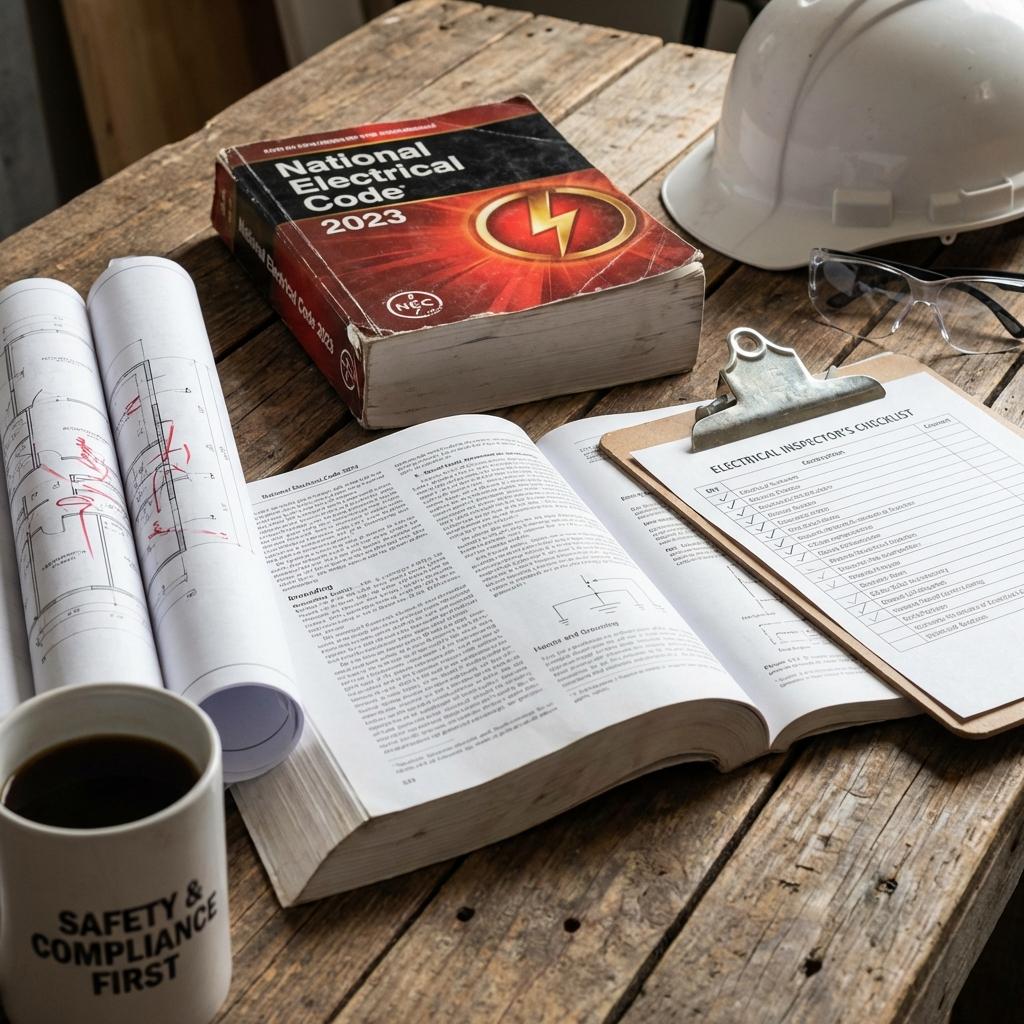
A thorough inspection concludes with a detailed report that categorizes findings into three levels: safety hazards that need immediate attention, code deficiencies that should be addressed in the near term, and recommendations for improvement that enhance safety and convenience. This report gives you a clear roadmap for maintaining and improving your electrical system based on professional assessment rather than guesswork.
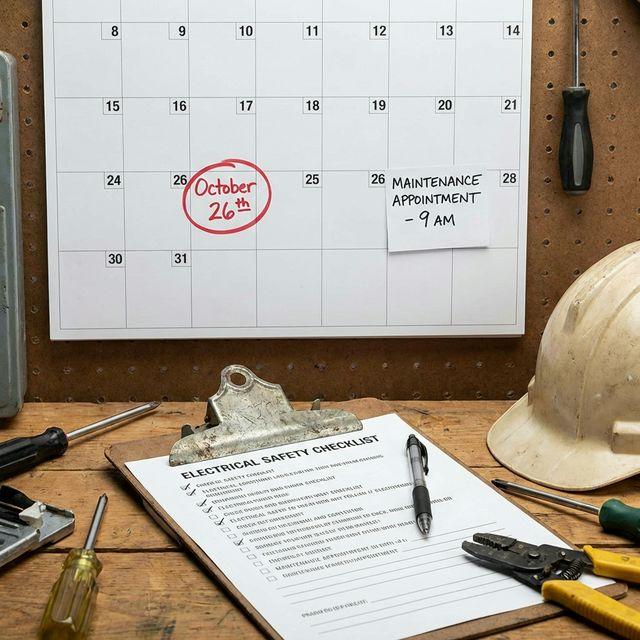
Do not wait for a problem to tell you that your electrical system needs attention. Proactive inspections are the most cost-effective way to maintain electrical safety in your home. At AJ Long Electric, we perform comprehensive electrical inspections for homeowners throughout Northern Virginia, providing honest assessments and clear guidance. Call us at (703) 997-0026 to schedule your electrical inspection today.
Tags:

Written by
AJ Long Electric Team
Licensed Electricians
Our team of licensed electricians brings over 40 years of combined experience serving Northern Virginia. We're committed to providing expert electrical solutions with a focus on safety, quality, and customer satisfaction.
Reviewed by AJ Long Electric Master Electricians · VA License #2705031092 · View Credentials