Ground Fault Circuit Interrupter (GFCI) outlets are one of the most important electrical safety innovations of the past 50 years. Since their introduction in 1971, GFCIs have reduced electrocutions by approximately 83%. Understanding where these life-saving devices are required--and ensuring they function properly--is essential for every homeowner.
Key Takeaways
- GFCIs detect tiny current imbalances (4-6 milliamps) and trip in 1/40th of a second, preventing fatal shocks.
- Current NEC code requires GFCI protection in bathrooms, kitchens, outdoors, garages, basements, laundry areas, and all wet locations.
- GFCI outlets should be tested monthly -- press TEST, then RESET. Replace immediately if the outlet fails to trip.
- Protection can be provided via GFCI receptacles at the outlet or GFCI breakers in the panel.
What Is a GFCI and How Does It Work?
A GFCI constantly monitors the flow of electricity through a circuit. Under normal conditions, the current flowing through the hot wire equals the current returning through the neutral wire. If the GFCI detects even a tiny imbalance--as little as 4-6 milliamps--it assumes current is flowing through an unintended path (possibly through a person) and trips the circuit in 1/40th of a second.
To put this in perspective, it takes about 100 milliamps to cause a fatal shock under certain conditions. A GFCI trips at less than 5% of that threshold, providing critical protection before serious injury can occur.
Current NEC GFCI Requirements (2023 Code)
The National Electrical Code (NEC) has expanded GFCI requirements significantly over the years. Here's where GFCI protection is currently required:
Our licensed electricians have installed hundreds of EV chargers across Northern Virginia. We handle everything from panel evaluation to permit filing. Call (703) 997-0026 or request your free estimate online.
Bathrooms
All 125-volt receptacles in bathrooms must have GFCI protection. This requirement has been in place since 1975 and applies to all bathroom outlets, not just those near water sources.
Kitchens
All 125-volt, 15- and 20-amp receptacles serving countertop surfaces must have GFCI protection. This includes outlets behind appliances like refrigerators if they're located in the countertop area. The 2020 NEC extended this to dishwasher circuits as well.
Outdoor Areas
All outdoor receptacles must have GFCI protection, regardless of height. This includes outlets on decks, patios, porches, and anywhere outside the building envelope.
Garages and Accessory Buildings
All 125-volt, 15- and 20-amp receptacles in garages and accessory buildings require GFCI protection. The only exception is for receptacles that aren't readily accessible, such as those for garage door openers.
Crawl Spaces and Unfinished Basements
All outlets in these areas require GFCI protection. Many homeowners are surprised to learn their basement workshop should have GFCI-protected outlets.
Laundry Areas
Since the 2014 NEC, all laundry area outlets within 6 feet of a sink require GFCI protection. The 2020 code extended this requirement to include all laundry area receptacles.
Indoor Wet Locations
Any indoor area where water may be present requires GFCI protection. This includes utility sinks, wet bars, indoor pools and spas, and similar areas.
Did You Know? A single GFCI outlet can protect multiple downstream outlets on the same circuit when wired to its "load" terminals. This means one GFCI receptacle near the panel can protect an entire run of standard outlets.
GFCI Options: Outlets vs. Breakers
GFCI protection can be provided in two ways:
GFCI Receptacles
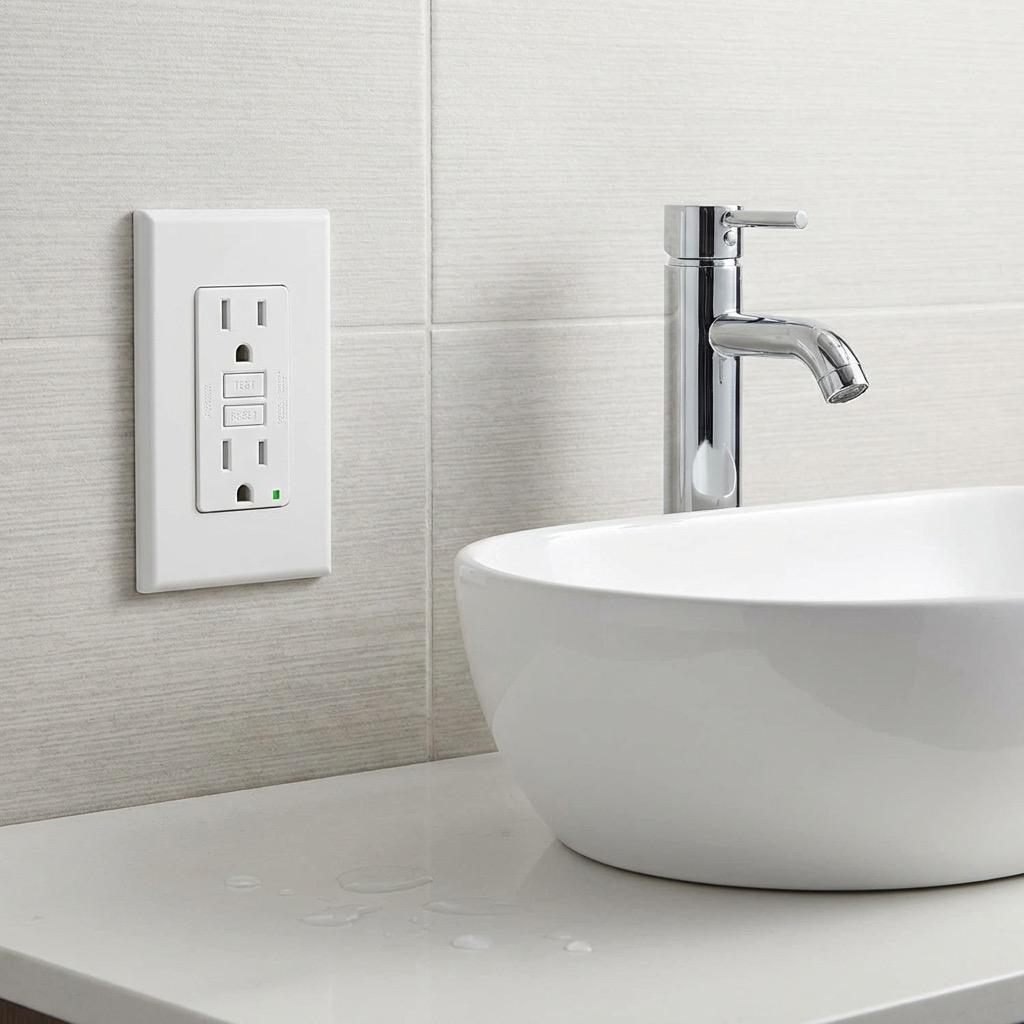
These are the outlets with the TEST and RESET buttons. They provide protection at the point of use and can also protect downstream outlets wired to their "load" terminals. GFCI receptacles are ideal for:
- Retrofitting protection into existing homes
- Areas where breaker panel access is limited
- Situations where you want easy reset access
GFCI Circuit Breakers
These are installed in your electrical panel and protect the entire circuit. They're often preferred for:
- New construction
- Circuits with multiple outlets requiring protection
- Hard-wired appliances like dishwashers and garbage disposals
How to Test Your GFCI Outlets
GFCI devices should be tested monthly to ensure they're functioning properly. Here's the correct procedure:
- Plug a lamp or radio into the GFCI outlet and turn it on.
- Press the TEST button firmly. You should hear a click, and the device plugged in should turn off.
- Press the RESET button. The device should turn back on.
- If the outlet doesn't trip when tested, or won't reset, it needs to be replaced.
Pro Tip: Mark your calendar to test GFCI outlets on the first of every month. Outdoor GFCIs are especially prone to failure from moisture and temperature extremes and should be checked after every major storm.
Common GFCI Problems and Solutions
GFCI Won't Reset
If your GFCI won't reset, check for:
- A ground fault somewhere on the circuit (unplug all devices and try again)
- Tripped circuit breaker in the panel
- Faulty GFCI device requiring replacement
- Wiring issues at the outlet
GFCI Trips Frequently
Frequent tripping may indicate:
- Moisture in an outdoor outlet box
- A faulty appliance creating ground faults
- Worn insulation on wiring
- An overloaded circuit (though this is more typically a breaker issue)
GFCI Doesn't Trip During Testing
If your GFCI doesn't trip when you press TEST, it has failed and must be replaced immediately. A non-functioning GFCI provides no protection.
Upgrading Your Home with GFCI Protection
Older homes often lack adequate GFCI protection. While you're not typically required to update to current code unless you're renovating, adding GFCI protection is one of the most cost-effective safety upgrades you can make.
Professional installation ensures:
- Proper wiring of line and load connections
- Appropriate protection of downstream outlets
- Correct coordination with other protective devices
- Compliance with local code requirements
Get Professional GFCI Installation
If your home is missing GFCI protection in required areas, or if your existing GFCIs are failing tests, contact AJ Long Electric. We can assess your home's needs and install GFCI protection throughout, ensuring your family is protected from electrical shock hazards.
Tags:

Written by
AJ Long Electric Team
Licensed Electricians
Our team of licensed electricians brings over 40 years of combined experience serving Northern Virginia. We're committed to providing expert electrical solutions with a focus on safety, quality, and customer satisfaction.
Reviewed by AJ Long Electric Master Electricians · VA License #2705031092 · View Credentials