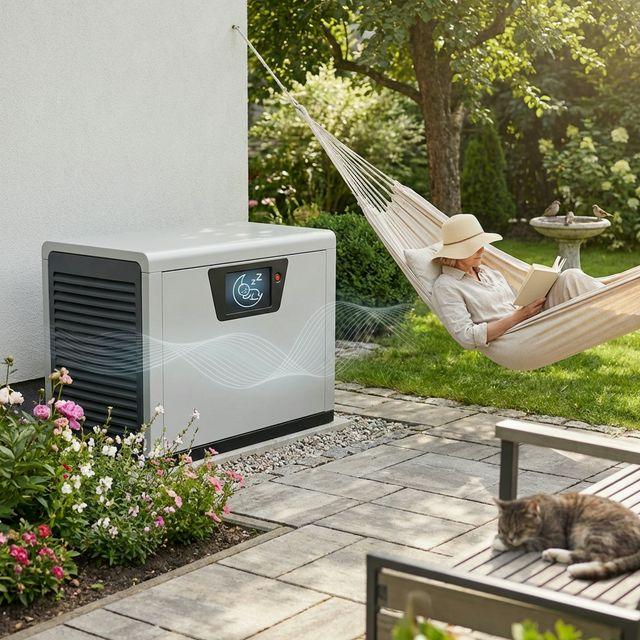
One common concern about standby generators is noise. Will it disturb your sleep? Annoy the neighbors? Violate HOA rules? The good news is that modern generators are much quieter than their predecessors, and there are many ways to minimize noise even further.
Key Takeaways
- Most residential standby generators operate at 60-70 decibels -- comparable to a normal conversation or dishwasher.
- Setback distance from property lines and neighbors is the most effective noise reduction strategy.
- Sound-attenuating enclosures and barriers can reduce perceived noise by 5-10 decibels.
- Local noise ordinances may restrict generator operation hours or set maximum decibel limits at property lines.
How Loud Are Modern Generators?
Generator noise is measured in decibels (dB). For perspective:
- Normal conversation: 60 dB
- Vacuum cleaner: 70 dB
- Lawn mower: 90 dB
- Motorcycle: 95 dB
Modern Standby Generator Noise Levels
- Air-cooled generators (under 26kW): 66-72 dB at full load
- Liquid-cooled generators (22kW+): 62-68 dB at full load
- At partial load: 3-6 dB quieter
- At 25 feet distance: Approximately 10 dB lower than at generator
Most modern standby generators operate at about the same volume as a normal conversation—you can talk over them without raising your voice.
Good Neighbor Tip: Position your generator as far from neighboring homes as possible. Every doubling of distance reduces noise by about 6 decibels. Sound barriers like fences or landscaping can further reduce perceived noise.
Cost Savings: A 16kW generator with load management can often serve a home that would otherwise require a 24kW unit. The savings on the smaller generator typically exceed the cost of the load management system.
Factors Affecting Generator Noise
Engine Type
- Air-cooled: Generally louder due to cooling fan noise
- Liquid-cooled: Quieter operation, better for noise-sensitive areas
Generator Size
Larger generators aren't necessarily louder. A properly sized generator running at partial load is often quieter than an undersized unit working hard at full capacity.
Never lose power again. We are authorized Generac installers serving all of Northern Virginia. From sizing to installation to maintenance, we handle every step. Call (703) 997-0026 for a free in-home assessment.
Load Level
Generators are loudest at full load. During normal operation (usually 40-60% load), they run quieter.
Enclosure Design
Modern generators feature sound-attenuating enclosures with:
- Sound-absorbing insulation
- Vibration-dampening mounts
- Baffled air intake and exhaust
- Composite materials to reduce resonance
Quiet Generator Models
Generac Quiet-Test
Generac's Quiet-Test technology runs the weekly exercise cycle at reduced speed with lower noise output. This is particularly appreciated by neighbors during early morning test runs.
Kohler Sound Shield
Kohler's enclosure design and engine mounting system reduces operational noise. Their liquid-cooled models are among the quietest available.
Quietest Options
If noise is a primary concern:
- Choose liquid-cooled over air-cooled
- Look for models with sound ratings under 65 dB
- Consider premium enclosure upgrades
Strategic Placement
Distance from Living Areas
Sound decreases with distance. Every doubling of distance reduces sound by about 6 dB:
- At 10 feet: 68 dB
- At 20 feet: 62 dB
- At 40 feet: 56 dB
Building Shielding
Place the generator where the house or garage blocks sound from reaching neighbors' homes and your own bedroom windows.
Direction Matters
Generator enclosures direct sound primarily out the exhaust side. Orient this side away from your home and neighbor's windows.
Sound Barriers and Landscaping
Fencing
A solid fence between the generator and sensitive areas can reduce noise:
- 6-foot solid wood fence: 5-10 dB reduction
- Masonry wall: 10-15 dB reduction
- Gap-free construction is essential
Landscaping
- Dense evergreen hedges provide modest noise reduction
- Primarily psychological benefit—they block the sight line
- Keep plants 3+ feet from generator for airflow
Purpose-Built Enclosures
Aftermarket sound-reduction enclosures can reduce noise by 10+ dB but:
- Must not restrict airflow
- Require proper clearances
- May void warranty if not approved
- Cost $500-$2,000 installed
Exercise Cycle Timing
Weekly exercise runs can be scheduled for convenient times:
- Mid-day (10 AM - 2 PM) when ambient noise is higher
- When you're typically away from home
- Avoid early morning, late evening, or weekends
- Consider neighbor schedules (work-from-home situations)
HOA Noise Compliance
Many HOAs have noise restrictions. To comply:
- Review HOA rules before installation
- Choose quieter generator models
- Use strategic placement
- Schedule exercise during permitted hours
- Document decibel levels if challenged
Noise During Extended Outages
During actual emergencies, noise is usually less of a concern—everyone understands the necessity. However:
- Your generator won't be the only one running
- Background noise (wind, rain) often masks generator sound
- Modern generators are still quieter than many portable units neighbors may be using
Professional Consultation
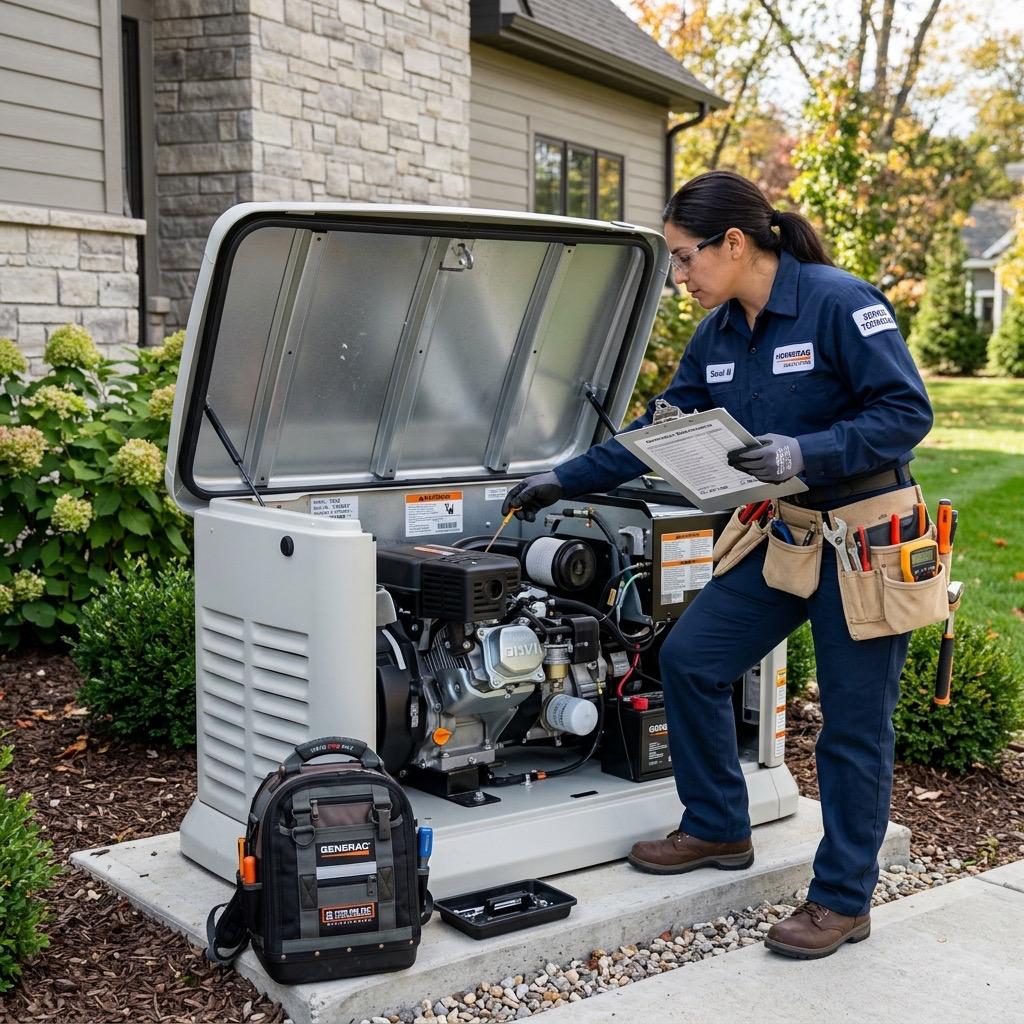
At AJ Long Electric, we consider noise in every installation:
- Optimal placement recommendations
- Quiet model suggestions for your needs
- HOA compliance guidance
- Sound barrier options
Contact us to discuss your concerns about generator noise. We'll help you find a solution that provides reliable backup power while keeping the peace with family and neighbors.
Tags:

Written by
Matt Long
Master Electrician
Our team of licensed electricians brings over 40 years of combined experience serving Northern Virginia. We're committed to providing expert electrical solutions with a focus on safety, quality, and customer satisfaction.
Reviewed by AJ Long Electric Master Electricians · VA License #2705031092 · View Credentials