Older homes have character and charm, but they often come with electrical systems that were never designed for modern power demands. A home built in 1950 might have been wired for a few lights, a radio, and a refrigerator -- far from today's reality of multiple TVs, computers, HVAC systems, and countless charging devices. Understanding how to assess and safely upgrade older electrical systems is essential for anyone living in or buying an older home.
Key Takeaways
- Common issues in older homes include knob-and-tube wiring, aluminum wiring, inadequate 60-100 amp service, and hazardous panels.
- Priority 1 upgrades: replace hazardous panels, add GFCI to wet areas, and address visibly damaged wiring.
- Priority 2 upgrades: service capacity increase, aluminum/K&T wiring replacement, and AFCI protection.
- Electrical upgrades can be phased over time -- address safety hazards first, then upgrade room by room during renovations.
Common Electrical Issues in Older Homes
Outdated Wiring Methods
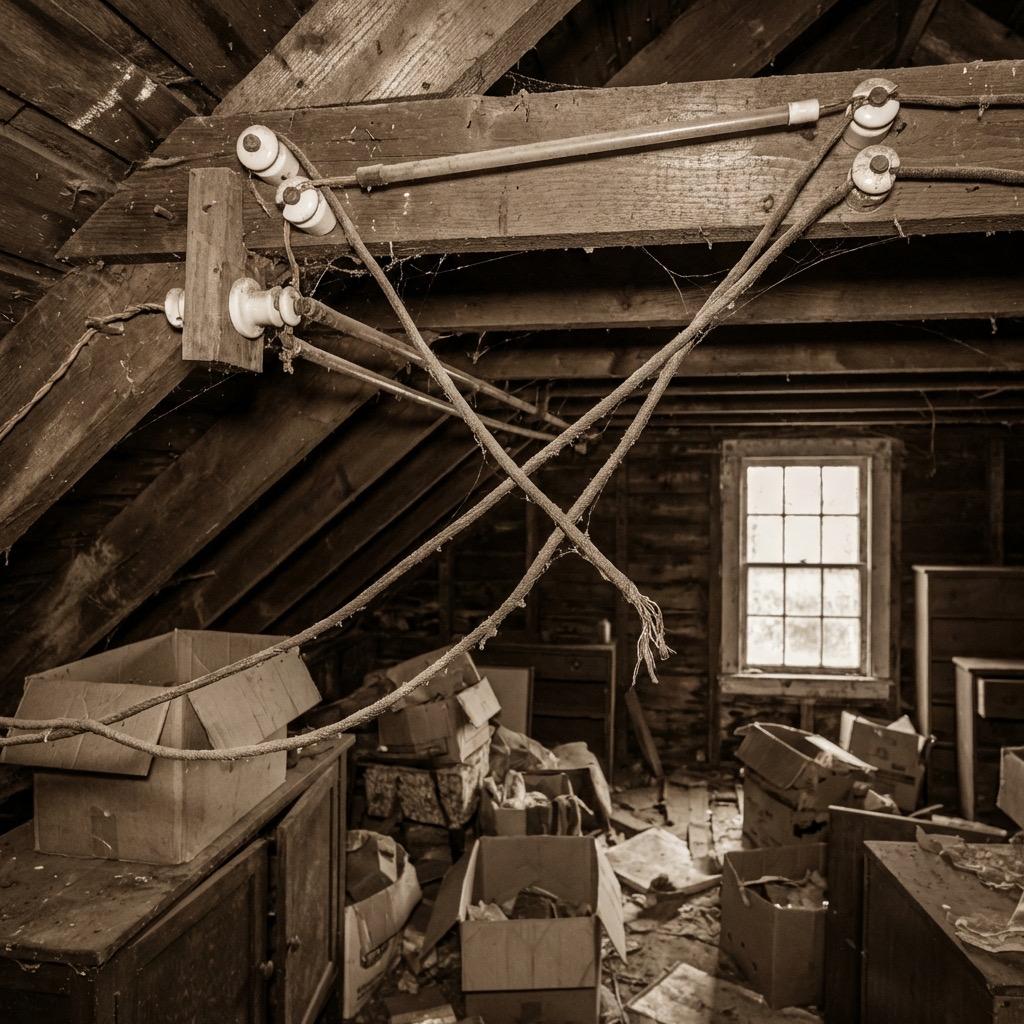
- Knob and tube (pre-1950): Individual conductors on ceramic supports, no grounding, deteriorating insulation
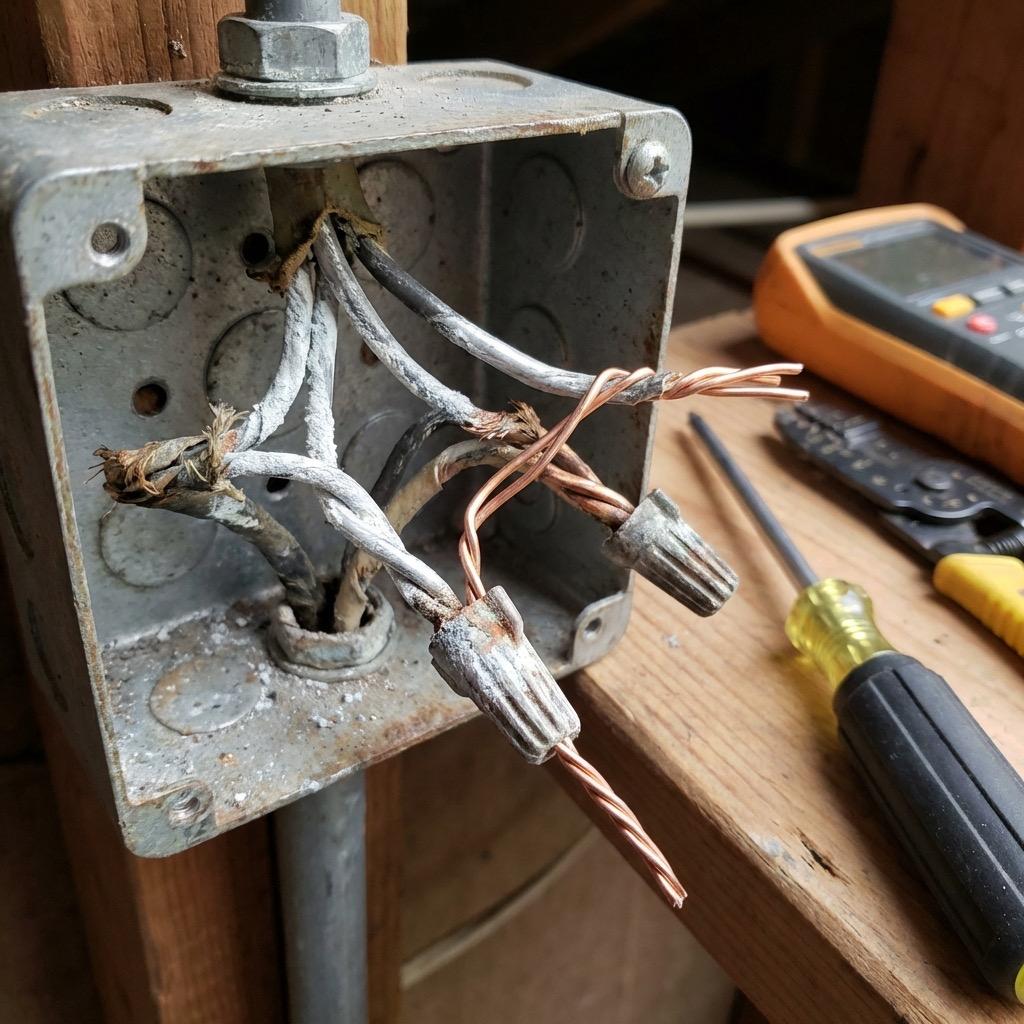
- Cloth-wrapped wiring (1920s-1960s): Wiring insulated with rubberized cloth that degrades over time
- Aluminum wiring (1965-1973): Creates fire hazards at connections
- Two-wire systems: No ground wire, limiting safe appliance use
Inadequate Service Capacity
Many older homes have only 60 or 100 amp service - insufficient for modern needs:
- 60 amp service: Original in many pre-1950 homes, barely adequate for basic lighting
- 100 amp service: May be adequate for smaller homes without central AC or electric heat
- 200 amp service: Current standard for most homes
- 400 amp service: Needed for large homes with high-demand appliances
Obsolete or Hazardous Panels
- Fuse boxes instead of circuit breakers
- Federal Pacific or Zinsco panels (fire hazards)
- Undersized panels with no room for additional circuits
- Damaged or corroded panels
Insufficient Outlets
Older homes typically have fewer outlets than modern code requires:
- Outlets may be 12 or more feet apart (modern code: 6 feet maximum)
- Few or no outlets in kitchens and bathrooms
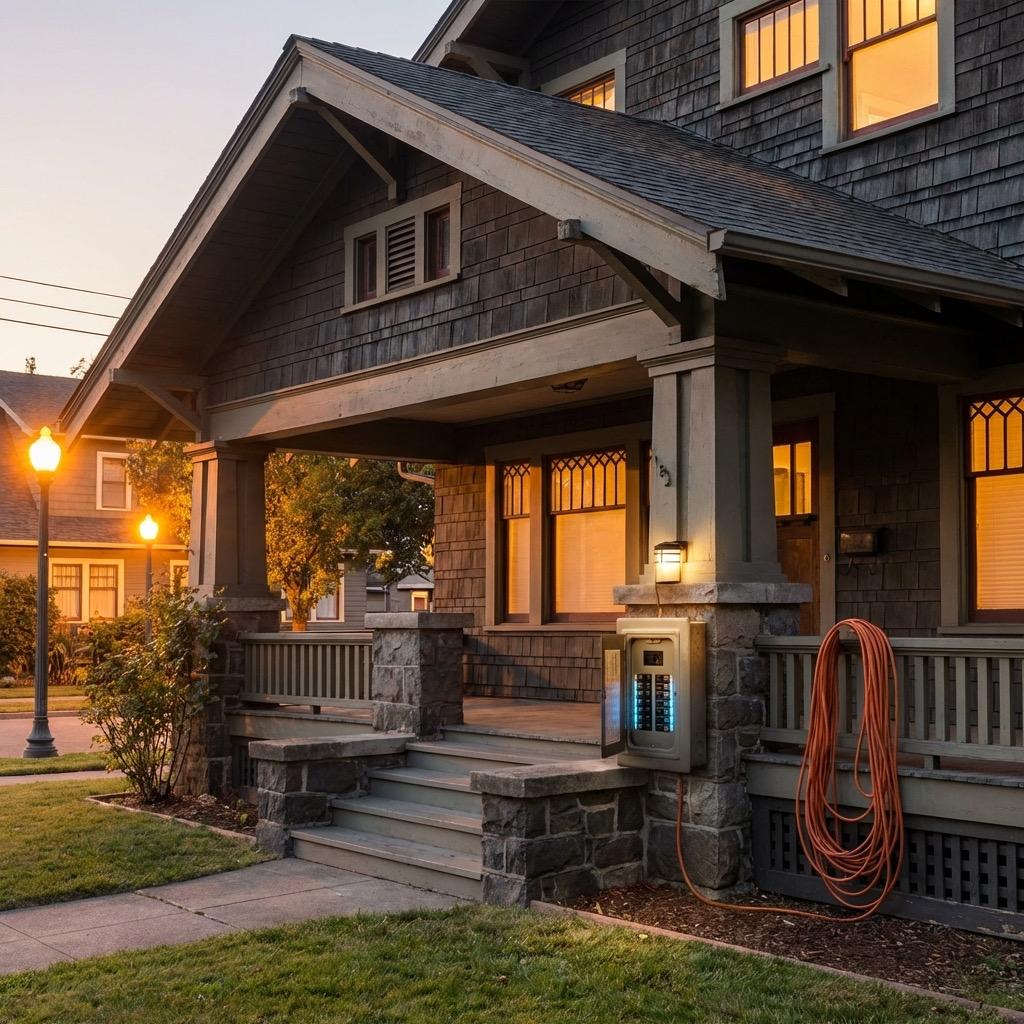
- Leads to heavy extension cord use (fire hazard)
No Safety Devices
- No GFCI protection in wet areas
- No AFCI protection in bedrooms
- Ungrounded outlets throughout
- No whole-home surge protection
How to Assess Your Older Home
Visual Inspection
Start with a visual inspection of accessible electrical components:
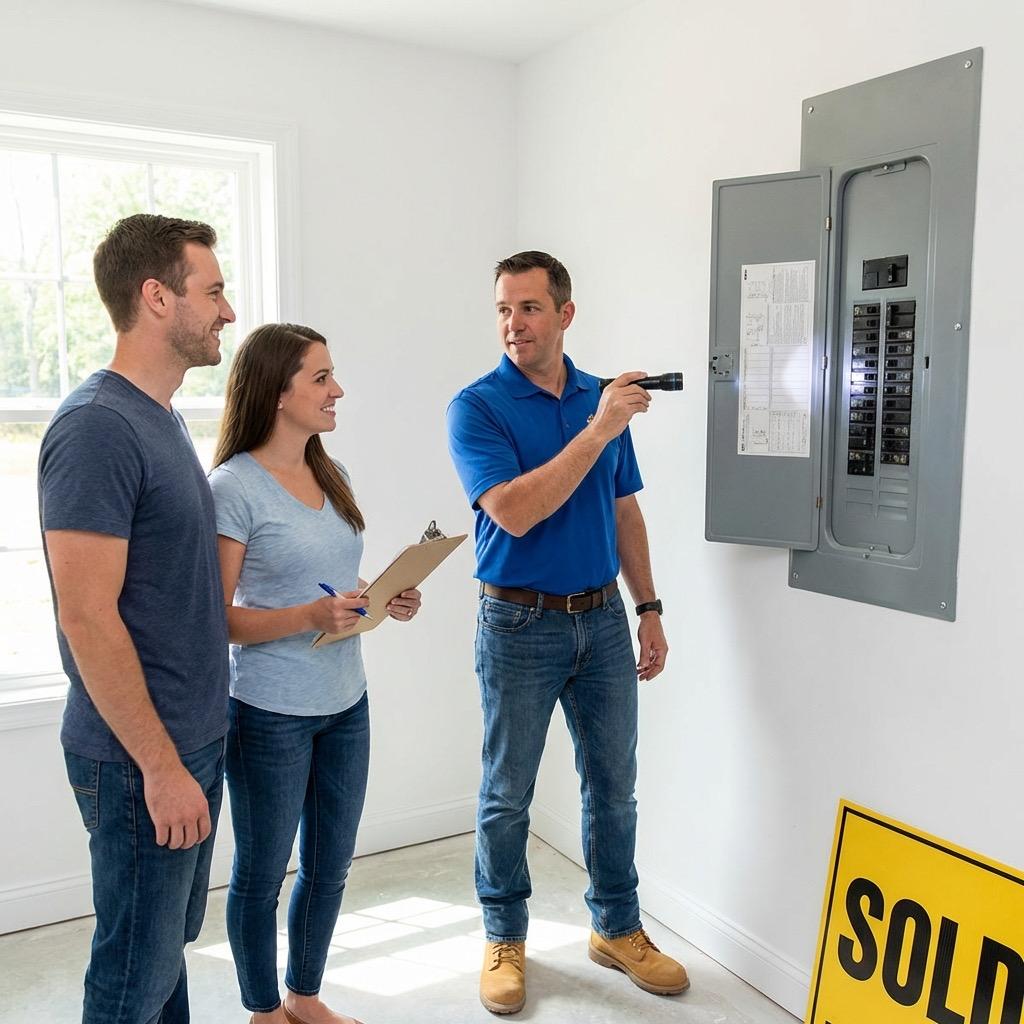
A professional electrical inspection identifies hidden hazards before they become emergencies. Our licensed electricians provide thorough safety inspections throughout Northern Virginia. Call (703) 997-0026 to schedule yours.
Electrical Panel
- Check for fuses (indicates old system needing upgrade)
- Look for rust, scorch marks, or burning smell
- Note the service amperage (listed on main breaker or panel)
- Check brand name (FPE, Zinsco, and Pushmatic are concerning)
Outlets and Switches
- Two-prong outlets indicate ungrounded circuits
- Warm or discolored covers indicate problems
- Loose or worn outlets need replacement
- Check for GFCI protection in kitchens and bathrooms
Visible Wiring
In basements, attics, and crawl spaces, look for:
- Knob and tube wiring (ceramic knobs holding individual wires)
- Frayed or cracking insulation
- Exposed conductors
- Improper splices (electrical tape wrapped wires without junction boxes)
Functional Testing
- Test all GFCI outlets monthly
- Note circuits that trip frequently
- Check for flickering lights or dimming when appliances run
- Listen for buzzing or crackling sounds
Quick Check: Two-prong outlets indicate ungrounded circuits. Warm or discolored covers indicate problems. A fuse panel instead of breakers means the system is outdated. Any of these findings warrant a professional electrical inspection.
Prioritizing Upgrades
Not all upgrades need to happen at once. Prioritize based on safety and need:
Immediate Safety Concerns (Priority 1)
- Replace hazardous panels (FPE, Zinsco)
- Address visible electrical damage or burning
- Add GFCI protection to bathrooms and kitchens
- Replace visibly damaged wiring
High Priority Upgrades (Priority 2)
- Service upgrade if capacity is insufficient
- Replace knob and tube or aluminum wiring
- Add AFCI protection to bedrooms
- Install grounded outlets where needed
Recommended Improvements (Priority 3)
- Add outlets to reduce extension cord use
- Install whole-home surge protection
- Update lighting fixtures
- Add dedicated circuits for high-draw appliances
Working with Your Budget
Electrical upgrades can be phased over time:
- Safety first: Address fire and shock hazards immediately
- Room by room: Upgrade during renovations
- Plan ahead: Install panel with capacity for future needs
- Combine projects: Run wire for multiple improvements at once
When Buying an Older Home
Before purchasing an older home:
- Get a professional electrical inspection (beyond the general home inspection)
- Request repair estimates for identified issues
- Negotiate repairs or credits based on findings
- Check insurance requirements for the electrical system
- Factor upgrade costs into your budget
Professional Assessment
A professional electrical inspection goes far beyond what homeowners can assess:
- Load calculations to determine if service is adequate
- Thermal imaging to detect hidden hot spots
- Circuit testing for proper wiring and grounding
- Code compliance review
- Prioritized recommendations and cost estimates
AJ Long Electric specializes in older home electrical systems throughout Northern Virginia. We understand the unique challenges of historic and older properties and can provide comprehensive assessments and phased upgrade plans that work with your budget.
Buying an Older Home? Get a dedicated electrical inspection beyond the general home inspection. Request repair estimates, negotiate credits based on findings, and factor upgrade costs into your budget before closing.
Contact us today to schedule your older home electrical assessment.
Tags:

Written by
AJ Long Electric Team
Licensed Electricians
Our team of licensed electricians brings over 40 years of combined experience serving Northern Virginia. We're committed to providing expert electrical solutions with a focus on safety, quality, and customer satisfaction.
Reviewed by AJ Long Electric Master Electricians · VA License #2705031092 · View Credentials