One of the most common questions we hear from homeowners in Northern Virginia is whether they need a permit for their electrical project. The short answer is that most electrical work beyond simple like-for-like replacements does require a permit in Virginia. Permits exist to ensure that electrical work is performed safely and in compliance with the current building code, protecting you, your family, and future occupants of your home. While the permit process may seem like a bureaucratic hurdle, it is actually one of the most important consumer protections available to homeowners.
Key Takeaways
- Virginia requires permits for most electrical work that involves new wiring, circuits, or equipment.
- Simple like-for-like replacements of fixtures, switches, and outlets typically do not require permits.
- Unpermitted work can void insurance coverage, complicate home sales, and create safety hazards.
- Permit requirements vary slightly between Fairfax County, Loudoun County, Arlington, and Alexandria.
- A reputable electrician handles the entire permit and inspection process for you.
Why Electrical Permits Exist
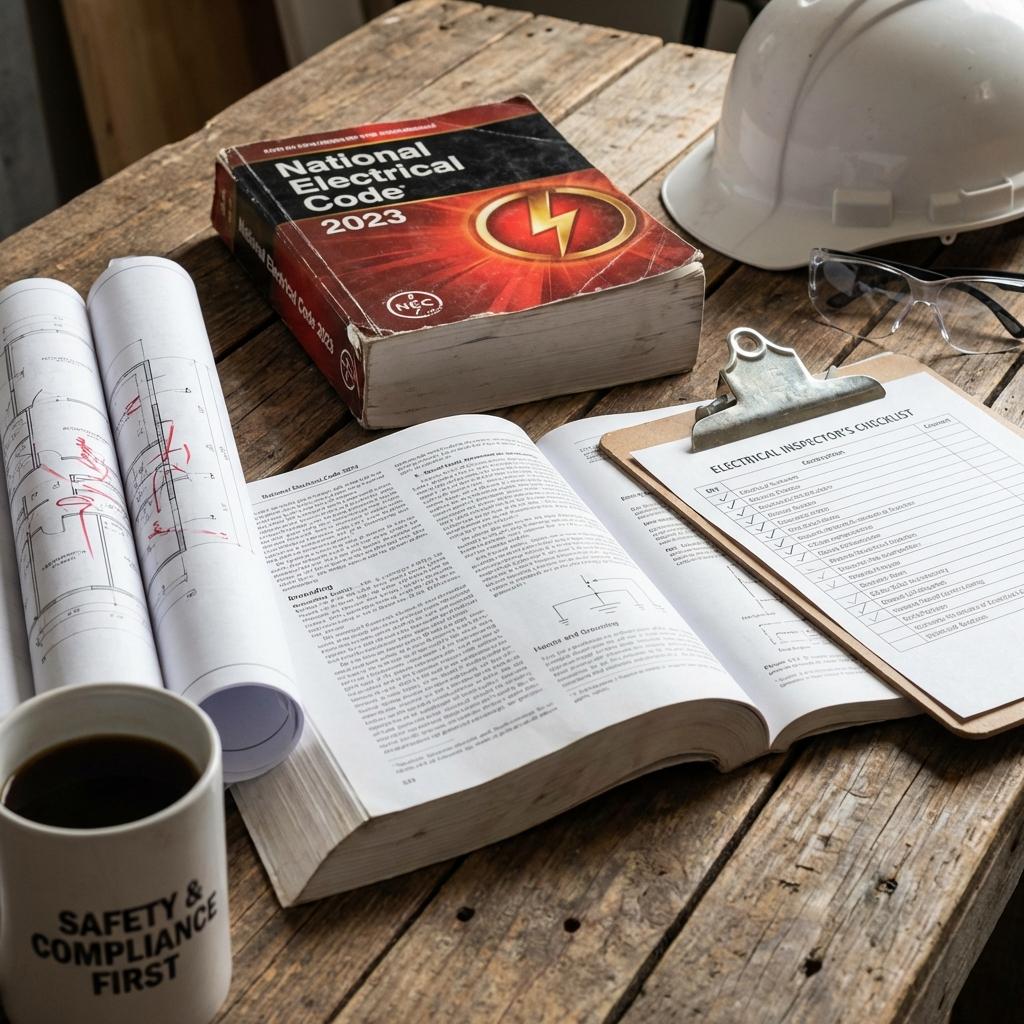
Electrical permits serve a dual purpose. First, they create a record that work was performed, establishing accountability. Second, they trigger an inspection by a county or city electrical inspector who verifies that the work meets the Virginia Uniform Statewide Building Code, which adopts the National Electrical Code (NEC) with Virginia-specific amendments. This independent verification catches installation errors, code violations, and safety hazards before they can cause harm.
The Real Cost of Skipping Permits
Homeowners sometimes avoid permits to save time or money, but this short-term savings can create serious long-term consequences. Unpermitted electrical work can void your homeowner's insurance coverage for any fire or damage related to the electrical system. When you sell your home, unpermitted work discovered during the buyer's inspection can derail the sale, reduce the purchase price, or require you to have the work torn out and redone with proper permits. In some jurisdictions, unpermitted work discovered by the county can result in fines and a requirement to open walls for inspection even years after the work was completed.
Work That Requires Permits in Virginia
Panel and Service Work
Any work on your electrical panel or service entrance always requires a permit. This includes panel upgrades or replacements, service upgrades from 100 to 200 amps, sub-panel installations, meter base replacements, and generator transfer switch installations. These are high-stakes projects where errors can cause catastrophic failures, so the inspection requirement is especially important.
A professional electrical inspection identifies hidden hazards before they become emergencies. Our licensed electricians provide thorough safety inspections throughout Northern Virginia. Call (703) 997-0026 to schedule yours.
New Circuits and Wiring
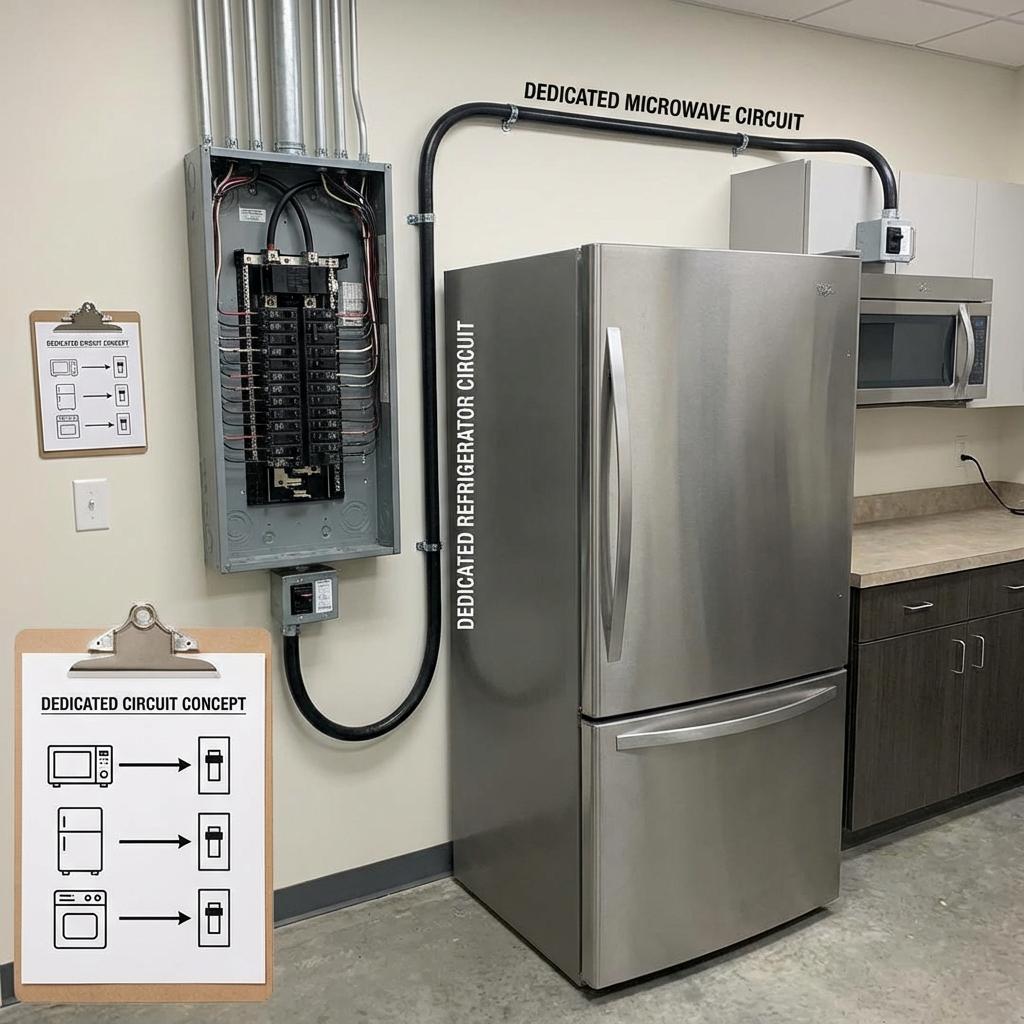
Adding any new electrical circuit to your home requires a permit. This includes new outlets or receptacles on new circuits, dedicated circuits for appliances, EV charger installations, hot tub or pool wiring, outdoor lighting circuits with new wiring, and wiring for home additions, finished basements, or garage conversions. Essentially, any project that involves running new wire requires a permit.
Heavy-Up and Major Equipment
Installing major electrical equipment such as whole-house generators, solar panel systems, battery storage systems, and commercial-grade kitchen equipment in a residence all require permits and often require coordination with the utility company as well.
In Fairfax County, electrical permits can be applied for online through the county's Building Development portal. Loudoun County and Arlington County have similar online systems. The City of Alexandria uses its own permitting system. Your licensed electrician will know the specific process for your jurisdiction and handle the application as part of the project.
Work That Usually Does Not Require Permits
Like-for-Like Replacements
Replacing existing devices and fixtures with comparable replacements on existing wiring generally does not require a permit. This includes replacing light fixtures with similar fixtures on existing junction boxes, swapping out outlets and switches, replacing a ceiling fan where a fan-rated box already exists, replacing a garbage disposal on an existing dedicated circuit, and replacing a water heater with the same type and capacity. The key qualifier is like for like. If you are changing the type, capacity, or location, a permit may be required.
Minor Maintenance
Basic maintenance tasks like replacing light bulbs, replacing fuses in a fuse panel, resetting breakers, and testing GFCI outlets do not require permits. These are routine homeowner tasks that do not alter the electrical system.
The Permit and Inspection Process
Application
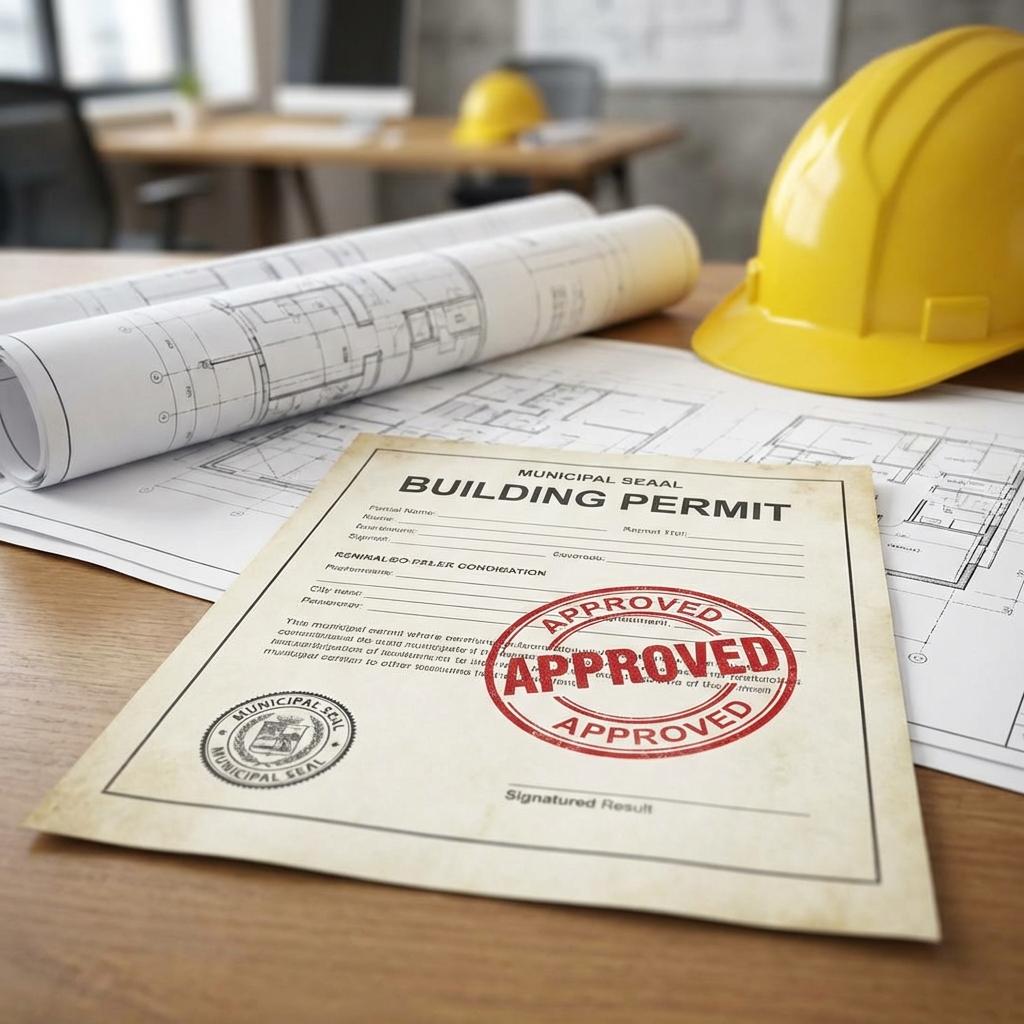
The licensed electrician or homeowner submits a permit application to the local building department, describing the scope of work. Some jurisdictions require a site plan or electrical drawings for larger projects. The permit fee varies by jurisdiction and project scope but is typically between fifty and a few hundred dollars for residential work.
Performing the Work
Once the permit is issued, work can begin. The permit card must be posted at the job site or kept available for the inspector. The work must conform to the approved scope described in the permit application.
Inspection
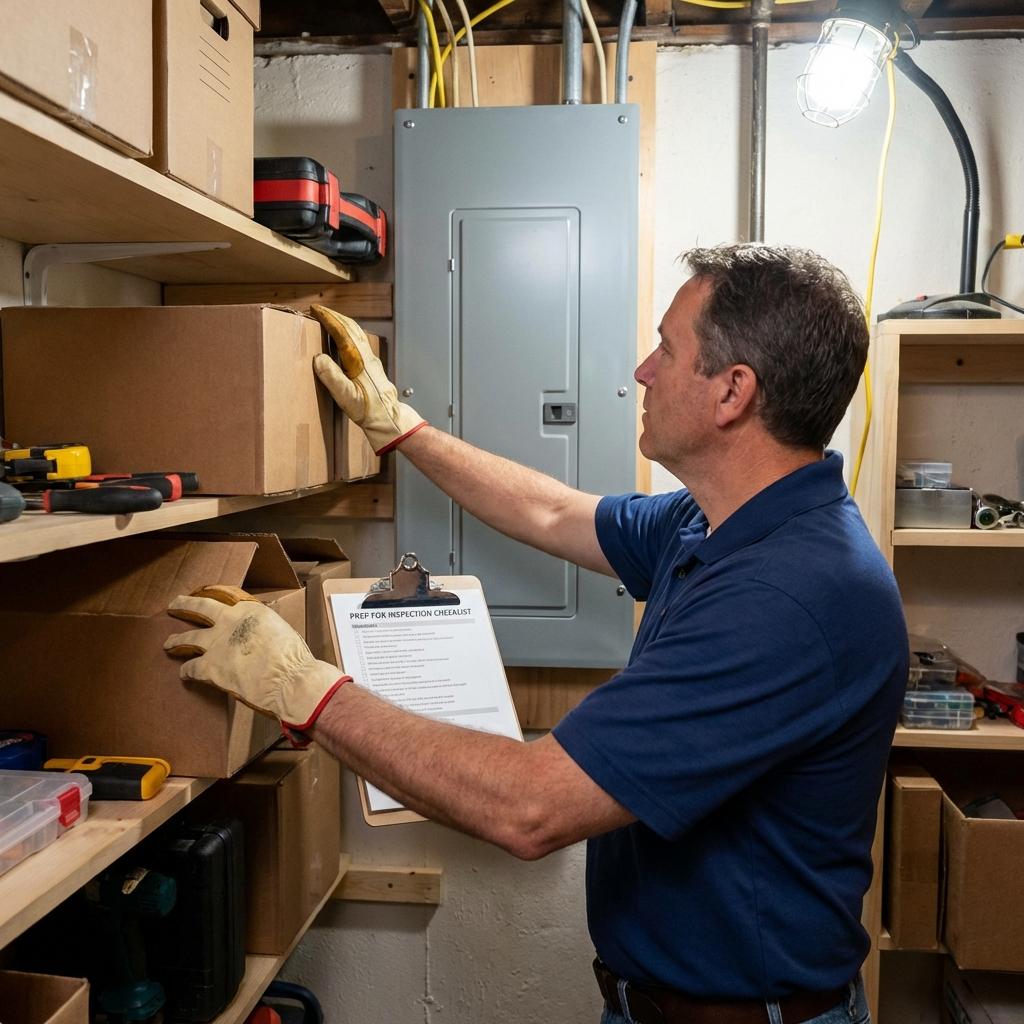
After the work is complete, the electrician or homeowner requests an inspection. A county or city electrical inspector visits the site, examines the work, and either approves it or notes corrections that must be made. If corrections are required, the electrician makes them and requests a re-inspection. Once the work passes inspection, the permit is closed and becomes part of the property's public record.
Rough-In vs. Final Inspections
Larger projects may require two inspections. A rough-in inspection occurs after wiring is installed but before walls are closed up, allowing the inspector to verify wire routing, box fill, and connections. A final inspection occurs after everything is complete, checking finished installations, GFCI and AFCI operation, and labeling.
When hiring an electrician, always ask whether the quote includes permit fees and whether they handle the entire permit process. A reputable electrician includes this in their service. If a contractor suggests skipping the permit to save money, that is a major red flag. Walk away and find a licensed professional who does things by the book.
Homeowner Permits vs. Contractor Permits
Virginia law allows homeowners to pull permits for electrical work on their own primary residence. However, this comes with important caveats. The homeowner assumes full responsibility for code compliance. The work must still pass the same inspection that professional work undergoes. Homeowner permits do not cover rental properties or homes being built for sale. And from a practical standpoint, the inspection requirements are the same whether you do the work yourself or hire a professional, so the permit does not reduce the standard of quality expected.
When Homeowner Permits Make Sense
For a knowledgeable homeowner doing straightforward work like adding a few outlets in a workshop or running a circuit to a detached shed, a homeowner permit can be a reasonable approach. For anything involving the panel, service entrance, or complex branch circuit work, hiring a licensed electrician is strongly recommended both for safety and for the warranty protection that comes with professional installation.
Local Jurisdiction Specifics
While Virginia has a statewide building code, local jurisdictions have some latitude in how they administer permits and inspections. Fairfax County, the largest jurisdiction in our service area, has a well-organized online permitting system and typically schedules inspections within two to three business days. Loudoun County has seen rapid growth and their building department workload can mean slightly longer inspection wait times. Arlington County and the City of Alexandria each have their own departments with their own processes and fee schedules.
At AJ Long Electric, we handle every aspect of the permit and inspection process as part of our standard service. We know the requirements and the inspectors in every Northern Virginia jurisdiction we serve. You never have to worry about paperwork, scheduling, or showing up for inspections. We take care of everything so you can focus on enjoying your completed project. Call us at (703) 997-0026 to discuss your project and get a complete quote that includes all permit fees and inspections.
Tags:

Written by
AJ Long Electric Team
Licensed Electricians
Our team of licensed electricians brings over 40 years of combined experience serving Northern Virginia. We're committed to providing expert electrical solutions with a focus on safety, quality, and customer satisfaction.
Reviewed by AJ Long Electric Master Electricians · VA License #2705031092 · View Credentials