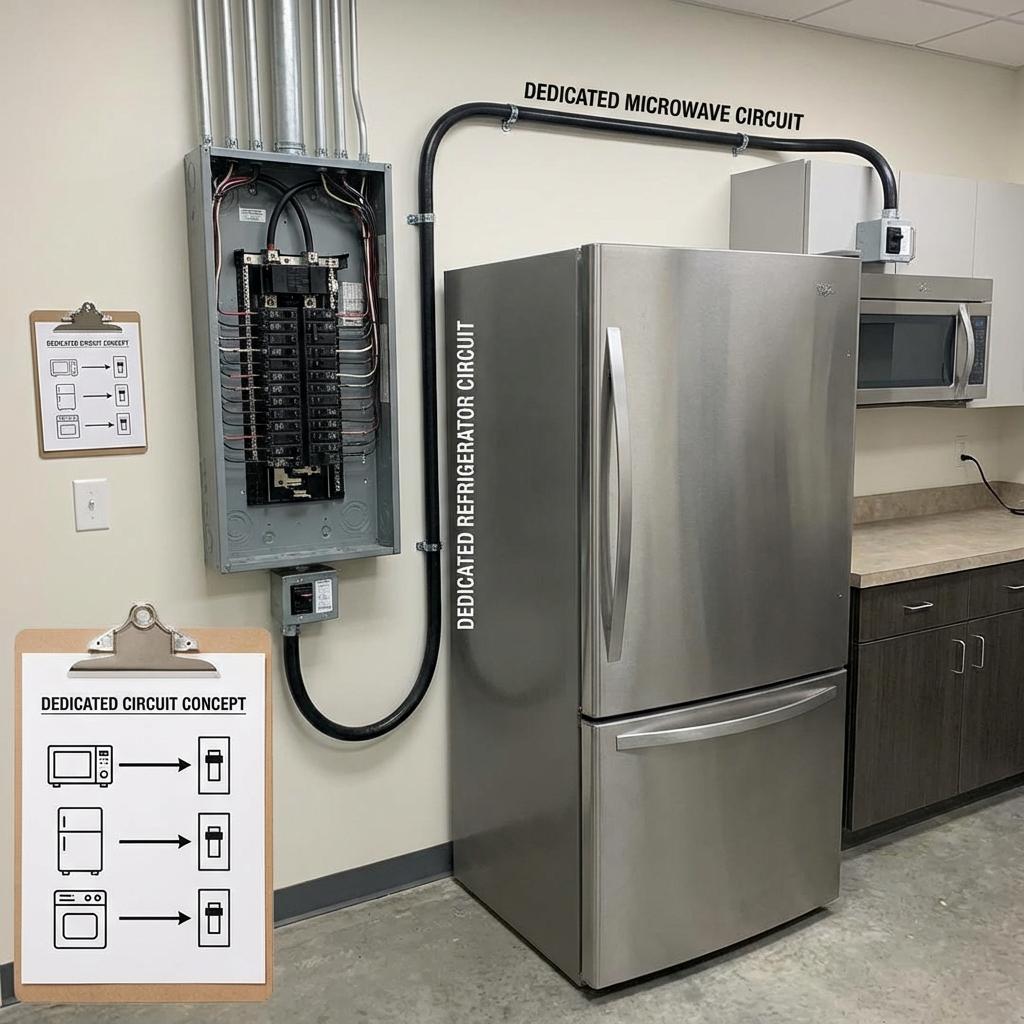
A dedicated circuit is an electrical circuit that serves only one appliance or outlet, running directly from your electrical panel to that single point of use without sharing the circuit with any other outlets, lights, or devices. Dedicated circuits are not a luxury or an over-engineering choice; they are a code requirement for many appliances and an essential safety measure that prevents overloading, ensures reliable appliance operation, and reduces fire risk. If you have ever wondered why your microwave dims the kitchen lights or why your bathroom outlets share a breaker with the hallway, the answer often comes down to dedicated circuits, or rather, the lack of them.
Key Takeaways
- The NEC requires dedicated circuits for most major appliances including refrigerators, dishwashers, and HVAC equipment.
- A dedicated circuit prevents a high-draw appliance from overloading a shared circuit and tripping the breaker.
- Adding a dedicated circuit requires running new wiring from the panel and installing a new breaker.
- EV chargers always require a dedicated circuit, typically 240V at 40 to 50 amps.
- Homes built before the 1980s often lack the dedicated circuits that modern codes require.
Why Dedicated Circuits Exist
Every electrical circuit has a maximum current capacity determined by its wire gauge and breaker rating. A typical general-purpose circuit is rated for 15 amps on 14-gauge wire or 20 amps on 12-gauge wire. High-draw appliances can consume most or all of a circuit's capacity by themselves. When such an appliance shares a circuit with other devices, the combined load can exceed the circuit's rating, causing the breaker to trip or, worse, causing the wiring to overheat.
A dedicated circuit solves this by reserving the circuit's full capacity for a single appliance. The appliance gets all the power it needs without competition, the breaker is sized specifically for that appliance's requirements, and nothing else on the circuit can create an overload condition.
Code Requirements
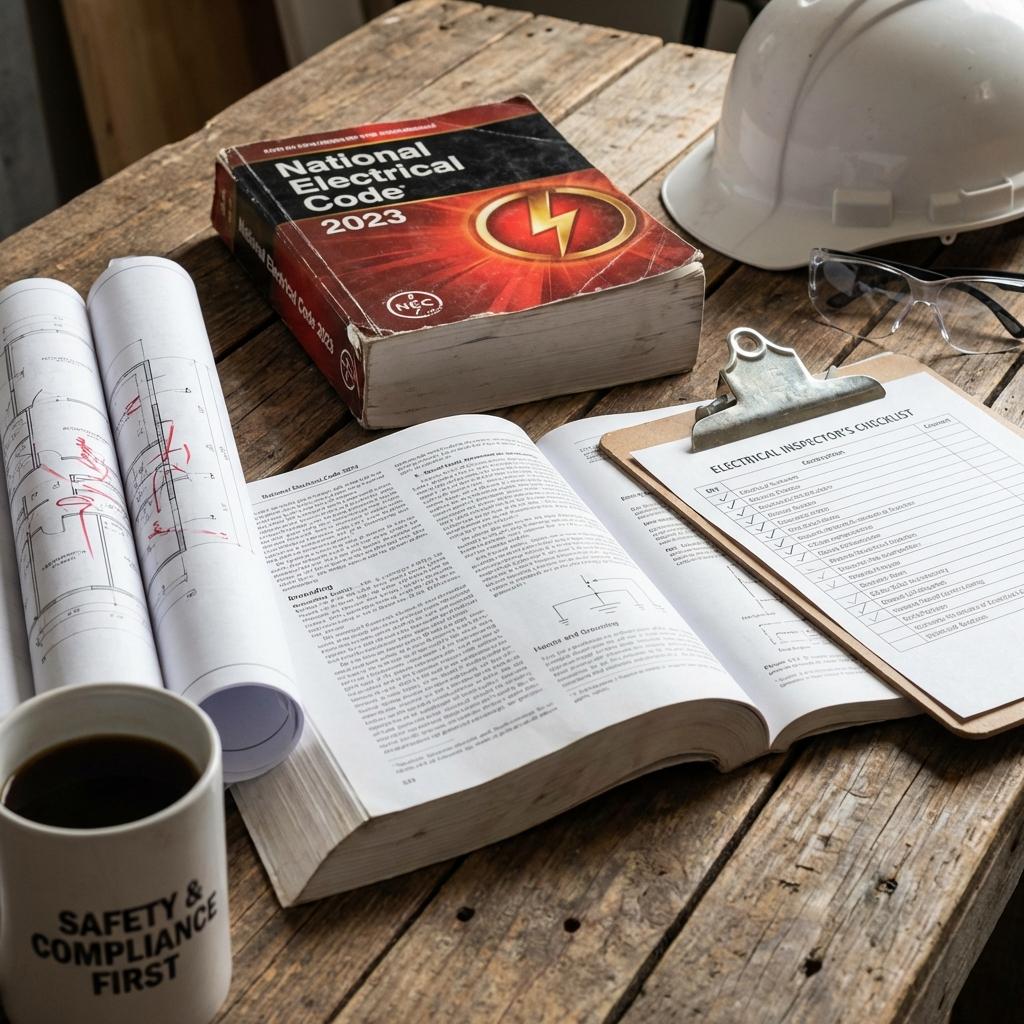
The National Electrical Code requires dedicated circuits for specific appliances and locations. These requirements have expanded with each code cycle as homes have added more high-draw equipment. Your local jurisdiction in Northern Virginia adopts the NEC with Virginia-specific amendments, and inspectors will verify dedicated circuit compliance during any permitted work.
Appliances That Require Dedicated Circuits
Kitchen Appliances
The kitchen is the most circuit-intensive room in most homes. The NEC requires dedicated circuits for refrigerators, dishwashers, garbage disposals, built-in microwaves, electric ranges and ovens, and any other permanently installed kitchen appliance. Additionally, the NEC requires at least two 20-amp small appliance circuits for kitchen countertop outlets. These are not dedicated in the single-appliance sense, but they are reserved exclusively for countertop use and cannot serve lighting or outlets in other rooms.
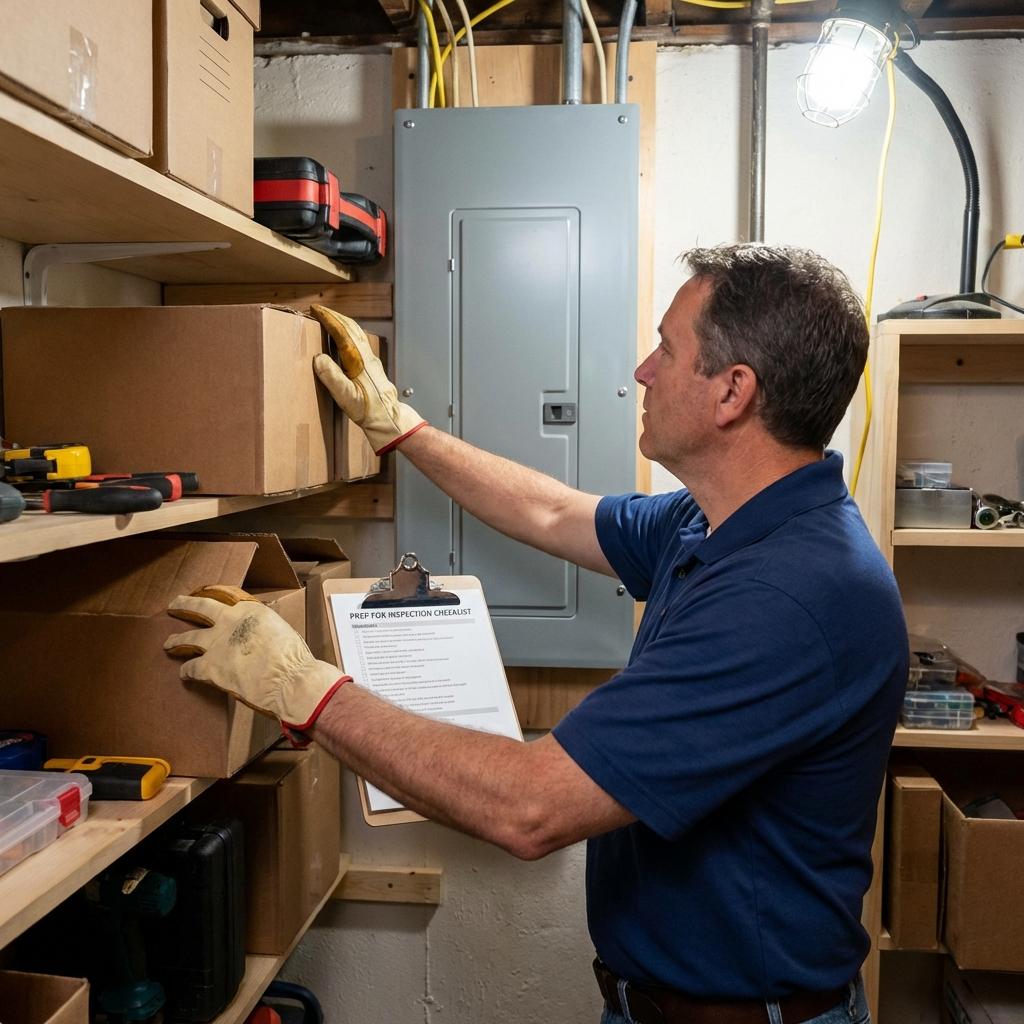
A professional electrical inspection identifies hidden hazards before they become emergencies. Our licensed electricians provide thorough safety inspections throughout Northern Virginia. Call (703) 997-0026 to schedule yours.
Laundry Appliances
Washing machines require their own 20-amp dedicated circuit. Electric dryers require a dedicated 240V, 30-amp circuit. Gas dryers still require a dedicated 120V circuit for the motor and controls. The laundry room must also have at least one 20-amp circuit for the laundry receptacle, separate from the washer circuit.
HVAC Equipment
Central air conditioners, heat pumps, furnaces, and air handlers each require their own dedicated circuit. These are typically 240V circuits for the compressor and condenser, with a separate 120V circuit for the air handler or furnace. Window and wall AC units rated above a certain amperage also require dedicated circuits.
Water Heaters
Electric water heaters require a dedicated 240V circuit, typically 30 amps. Tankless electric water heaters may require multiple dedicated circuits depending on the unit's capacity, sometimes drawing 100 amps or more total.
Many homes in the Fairfax, Arlington, and Loudoun County areas that were built in the 1970s and 1980s were wired with the minimum number of circuits required by the code of that era, which was far less demanding than today's NEC. These homes frequently have the refrigerator, dishwasher, and garbage disposal sharing circuits with kitchen lighting or adjacent room outlets. While this may have been code-compliant when installed, it does not meet current standards and often results in nuisance tripping as modern appliances draw more power than their predecessors.
EV Chargers
Level 2 EV chargers always require a dedicated circuit. A 40-amp charger needs a 50-amp, 240V dedicated circuit on 6-gauge copper wiring. A 48-amp charger, the most common residential unit, requires a 60-amp circuit. The circuit serves only the charger and nothing else. This is typically one of the largest single-circuit additions a homeowner makes to their electrical system.
Other Equipment Requiring Dedicated Circuits
Bathroom exhaust fans with heaters, sump pumps, well pumps, hot tubs and spas, garage door openers with significant horsepower ratings, and whole-house humidifiers all require or strongly benefit from dedicated circuits. Home offices with significant computing equipment also benefit from dedicated circuits to prevent power quality issues.
Signs You Need Additional Dedicated Circuits
Frequent Breaker Trips
If a breaker trips regularly when you use a particular appliance, that appliance may be sharing a circuit with too many other loads. The solution is often a dedicated circuit for the offending appliance rather than simply redistributing existing loads.
Lights Dimming When Appliances Start
When your kitchen lights dim every time the microwave runs or the refrigerator compressor kicks on, the appliance is drawing enough current to affect voltage on the shared circuit. A dedicated circuit isolates the appliance's power draw from your lighting.
Appliance Performance Issues
Some appliances, particularly those with motors or sensitive electronics, perform poorly when voltage drops due to shared circuit loading. A washing machine that struggles during the spin cycle or a microwave that heats slowly may be on a circuit that cannot provide adequate power when other devices are active.
If you are renovating your kitchen, that is the ideal time to bring your kitchen circuits up to current code requirements. While your countertops and cabinets are being replaced, the walls may be open, making it far easier and less expensive for an electrician to run the additional dedicated circuits that modern code requires. Coordinate with your general contractor to schedule the electrical work during the rough-in phase.
Adding Dedicated Circuits to Your Home
The Process
Adding a dedicated circuit involves running new cable from your electrical panel to the appliance location, installing a new breaker in the panel, and installing the appropriate outlet or connection at the appliance end. The complexity and cost depend primarily on the distance from the panel to the appliance, the accessibility of the routing path for the cable, whether the cable must pass through finished walls, and whether your panel has available breaker slots.
Panel Capacity Considerations
Before adding dedicated circuits, your electrician will verify that your panel has available slots for new breakers and that your service has sufficient amperage capacity to handle the additional load. Older 100-amp panels with limited slots may need to be upgraded to a larger panel before dedicated circuits can be added. A load calculation, as discussed in our separate guide, determines whether the overall service capacity is adequate.
Permits and Inspections
Adding a dedicated circuit involves new wiring, which requires a permit in all Northern Virginia jurisdictions. The electrician applies for the permit, performs the work, and schedules the inspection. The inspector verifies proper wire sizing, breaker rating, connection quality, and code compliance.
The Investment in Dedicated Circuits
The cost of adding a dedicated circuit varies based on the factors described above, but it is generally a modest investment relative to the safety and performance benefits it provides. A dedicated circuit eliminates breaker trips, ensures your appliance receives reliable, full-power electricity, meets code requirements, and reduces fire risk from overloaded wiring. It is one of the most practical and impactful electrical improvements a homeowner can make.
If your home's circuits are struggling to keep up with your appliances, or if you are adding new equipment that requires dedicated power, contact AJ Long Electric at (703) 997-0026. We install dedicated circuits for homeowners throughout Northern Virginia, handling everything from the load calculation and panel assessment to the final inspection. Let us make sure your appliances get the power they need, safely and reliably.
Tags:

Written by
AJ Long Electric Team
Licensed Electricians
Our team of licensed electricians brings over 40 years of combined experience serving Northern Virginia. We're committed to providing expert electrical solutions with a focus on safety, quality, and customer satisfaction.
Reviewed by AJ Long Electric Master Electricians · VA License #2705031092 · View Credentials