In an era of YouTube tutorials and DIY culture, many homeowners wonder what electrical work they can tackle themselves. While there's certainly electrical work suitable for handy homeowners, panel work sits firmly in the "hire a professional" category. Here's why, along with guidance on what electrical tasks are appropriate for DIY.
Key Takeaways
- Whole-home surge protectors install at the panel and protect every circuit from damaging voltage spikes.
- Adding surge protection during a panel upgrade costs far less than installing it as a separate project.
- The layered approach (whole-home at panel plus point-of-use strips) provides the most comprehensive protection.
- Surge protection typically costs $300-$600 added to a panel upgrade -- a small investment to protect thousands in equipment.
Why Panel Work Requires Professionals
Life Safety Risks:
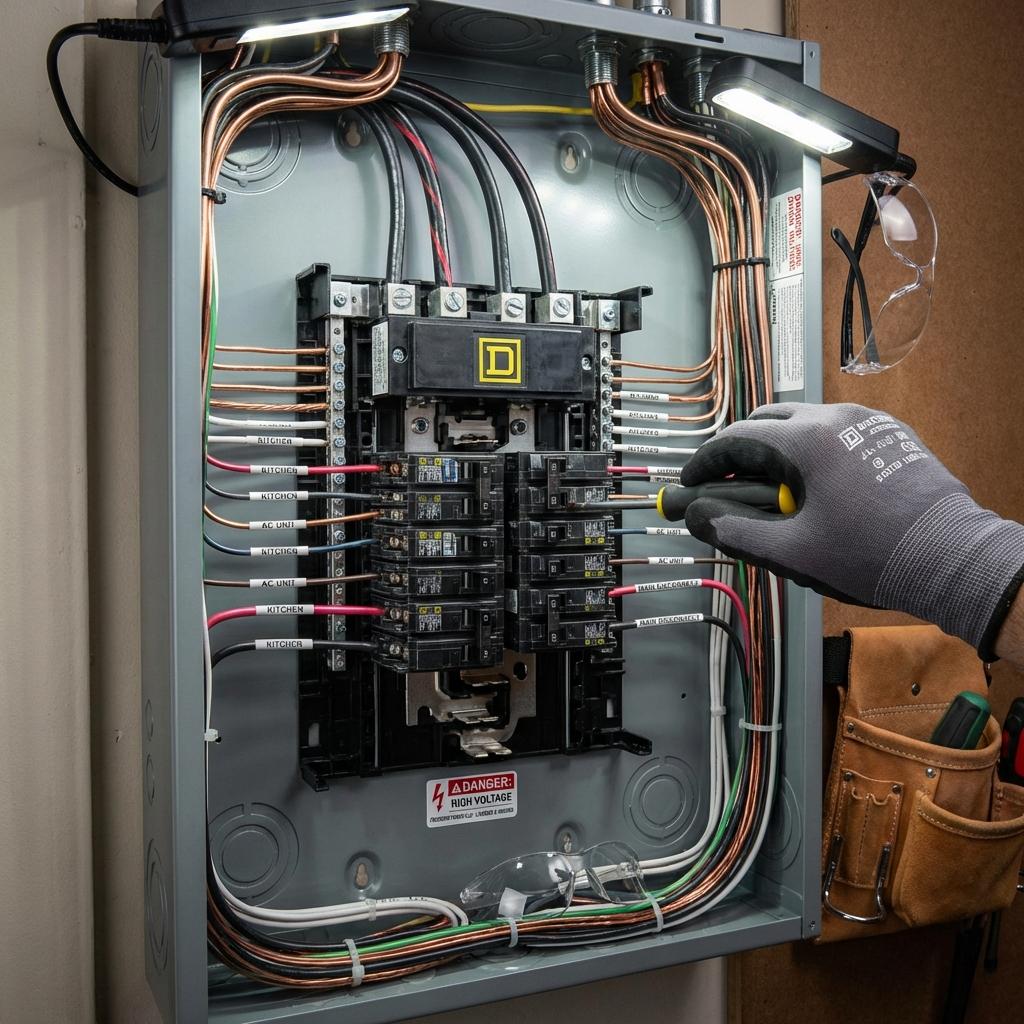
Working in an electrical panel is inherently dangerous:
- Main lugs remain energized even with main breaker off
- 240 volts can cause cardiac arrest
- Arc flash can cause severe burns
- Mistakes can cause house fires
- Professional training teaches safe practices
Legal Requirements:
Virginia law and local codes require:
- Licensed electricians for panel work
- Permits for all panel modifications
- Inspections of completed work
- Homeowners cannot pull electrical permits in Virginia
Insurance Implications:
- DIY electrical work may void insurance coverage
- Claims can be denied for unpermitted work
- Fire from DIY electrical could mean no payout
- Liability for damage to other properties
Technical Complexity:
- Proper load calculations required
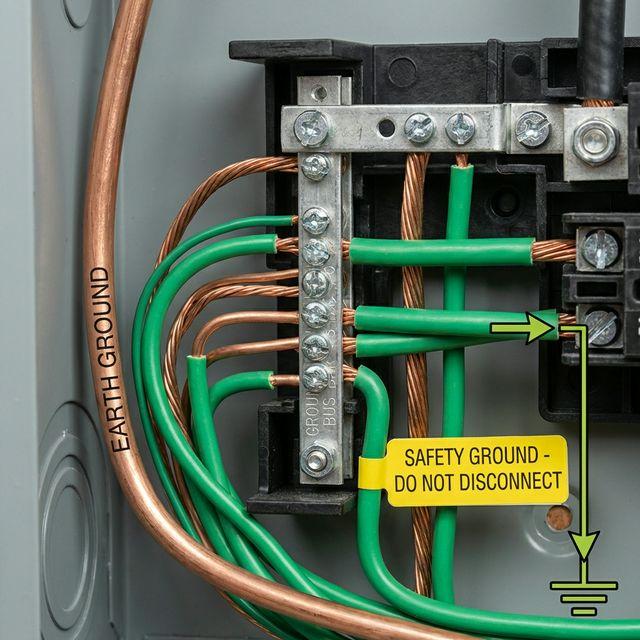
- Grounding and bonding must be correct
- Wire sizing must match breaker and load
- Code requirements are extensive and nuanced
- Mistakes aren't always immediately apparent
Add It During Upgrade: Adding whole-home surge protection during a panel upgrade costs only $200-$400 in additional materials and minimal extra labor. As a standalone project, it would cost $300-$600 or more.
Real Consequences of DIY Panel Work
Safety Examples:
- DIYer electrocuted touching live bus bars
- House fire from improper wire connection
- Arc flash causing severe facial burns
- Child shocked due to improper grounding
Financial Examples:
- Insurance claim denied after electrical fire: $200,000+
- Home sale delayed for unpermitted work correction: months
- Professional fix of DIY mistakes: often more than proper installation
- Fine from county for unpermitted work: $500+
What Homeowners CAN Do Safely
Some electrical tasks are appropriate for knowledgeable homeowners:
Outdated or overloaded electrical panels are a safety risk. Our team specializes in 200-amp upgrades throughout Northern Virginia, with same-day panel assessments available. Call (703) 997-0026 to get started.
Generally Safe DIY Tasks:
- Replacing switches with same-type switches
- Replacing outlets with same-type outlets
- Replacing light fixtures (same wiring)
- Installing dimmer switches (following instructions)
- Replacing ceiling fans (with proper support)
- Testing outlets and circuits
- Resetting tripped breakers
- Labeling panel circuits
Tasks Requiring Permits But Sometimes DIY-Possible (In Some States):
- Adding outlets to existing circuits
- Installing new light fixtures with new boxes
- Running new circuits from panel
Note: In Virginia, homeowners cannot pull their own electrical permits. Even "DIY-possible" tasks legally require licensed electricians if permits are needed.
Always Hire a Professional For:
- Any work inside the panel
- Adding or replacing breakers
- Panel upgrades or replacements
- Service entrance work
- Subpanel installation
- Generator connections
- EV charger installation (typically)
- Any 240V circuit work
- Troubleshooting complex issues
How to Identify Quality Electrical Work
Whether evaluating your existing work or considering a contractor:
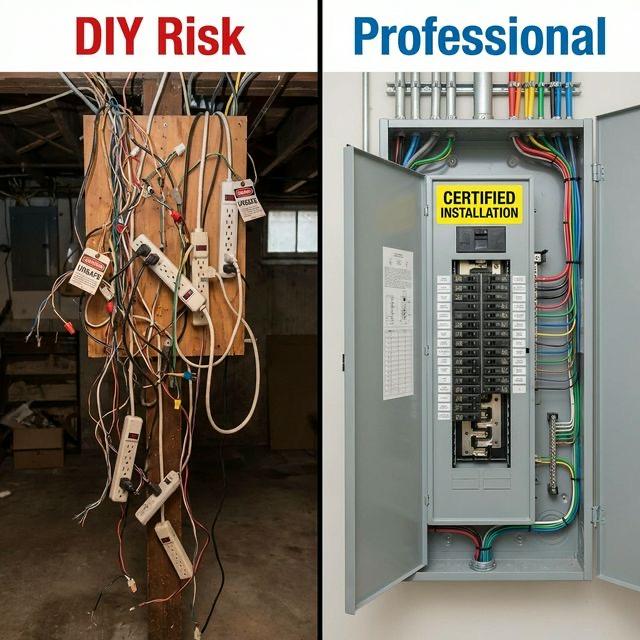
Signs of Professional Work:
- Permit stickers or documentation
- Neat, organized wiring
- Proper circuit labeling
- Consistent workmanship throughout
- Appropriate wire sizes and breakers
- AFCI/GFCI where required
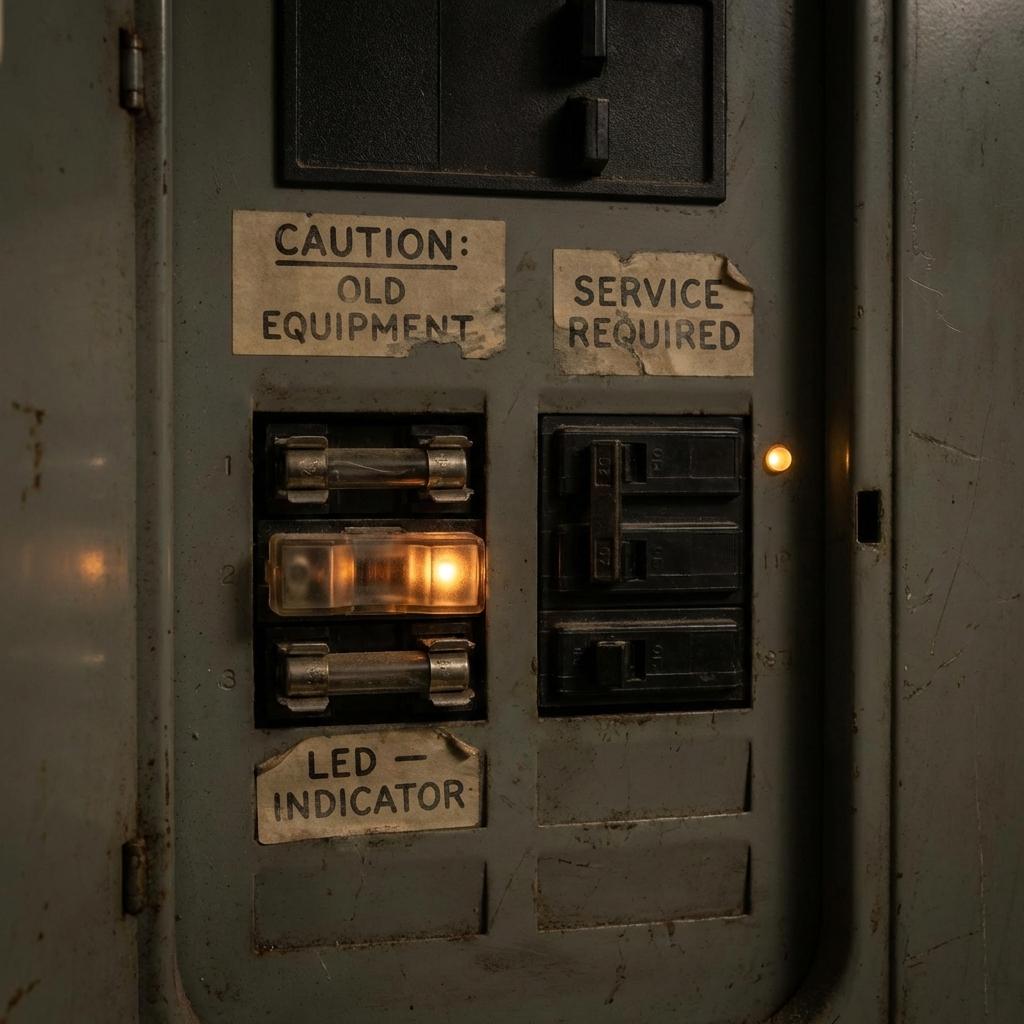
Red Flags of Amateur Work:
- Double-tapped breakers
- Tangled, disorganized wiring
- Wrong wire colors used
- No circuit labels
- Exposed wire or improper connections
- Multiple ground/neutral wires per terminal
- Extension cords used as permanent wiring
Finding the Right Professional
Verify Credentials:
- Virginia contractor license (check DPOR website)
- Business insurance and bond
- Master electrician on staff
- Good standing with local jurisdictions
Get Multiple Quotes:
- Compare at least 3 written quotes
- Ensure quotes include same scope
- Verify permits and inspections are included
- Check references and reviews
Avoid Red Flags:
- Cash-only demands
- Suggesting to skip permits
- Unable to provide license number
- Significantly lower than all other quotes
- Pressure to decide immediately
The True Cost Comparison
Perceived DIY Savings:
- Panel and materials: $300-$600
- Breakers: $200-$400
- Your time: "free"
- Total: "Under $1,000"
Actual DIY Costs:
- Materials: $300-$600
- Tools if not owned: $100-$300
- Risk of fire or injury: priceless
- Professional to fix mistakes: $1,000-$3,000
- Insurance claim denial: entire home value
- Fine for unpermitted work: $500+
Professional Cost:
- Complete service: $2,500-$4,500
- Includes materials, labor, permits, inspection
- Warranty on work
- Insurance coverage maintained
- Peace of mind: included
Bottom Line
Some skills translate well to DIY projects. Electrical panel work isn't one of them. The risks—to your life, your home, and your finances—far outweigh any potential savings. Professional electricians spend years learning their trade and follow strict safety protocols for good reasons.
At AJ Long Electric, we provide safe, code-compliant, permitted, and inspected electrical work throughout Northern Virginia. Contact us at (703) 555-0123 for panel work done right.
Tags:

Written by
Matt Long
Master Electrician
Our team of licensed electricians brings over 40 years of combined experience serving Northern Virginia. We're committed to providing expert electrical solutions with a focus on safety, quality, and customer satisfaction.
Reviewed by AJ Long Electric Master Electricians · VA License #2705031092 · View Credentials