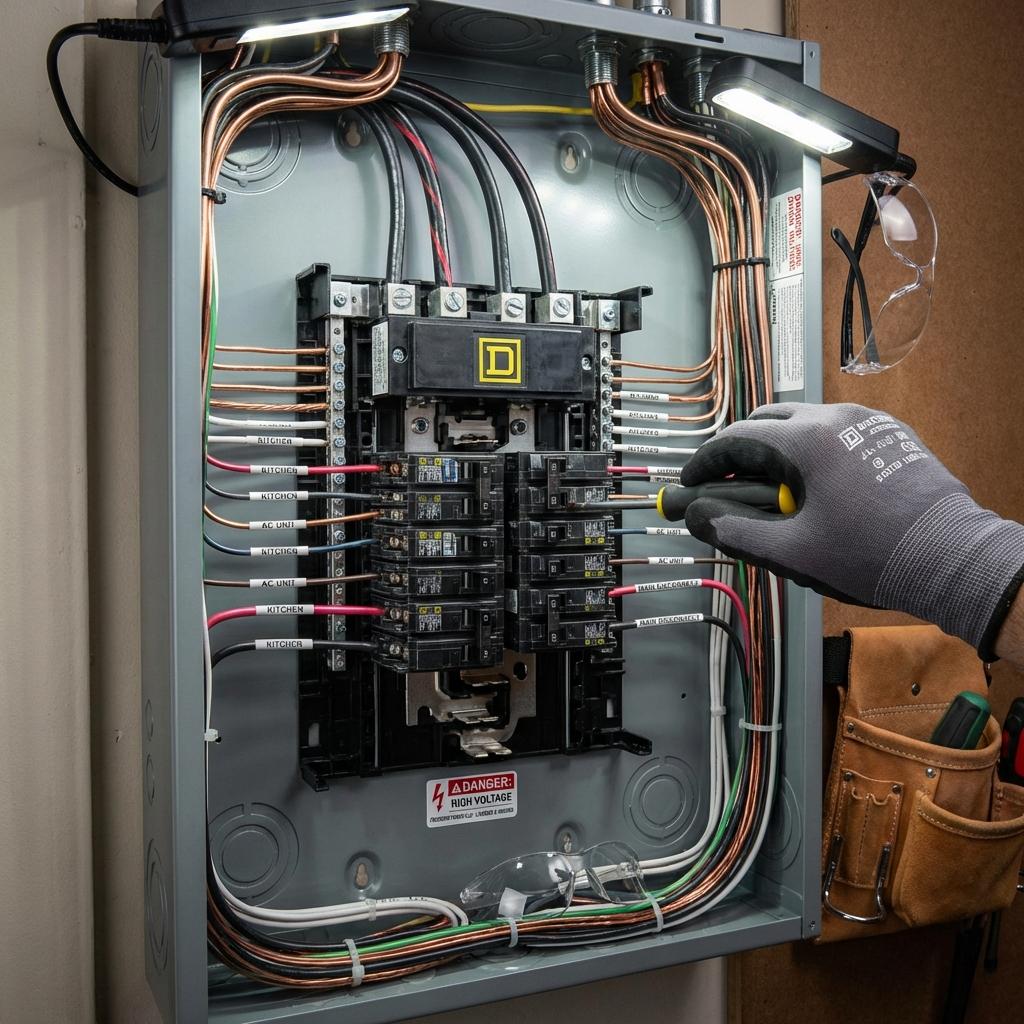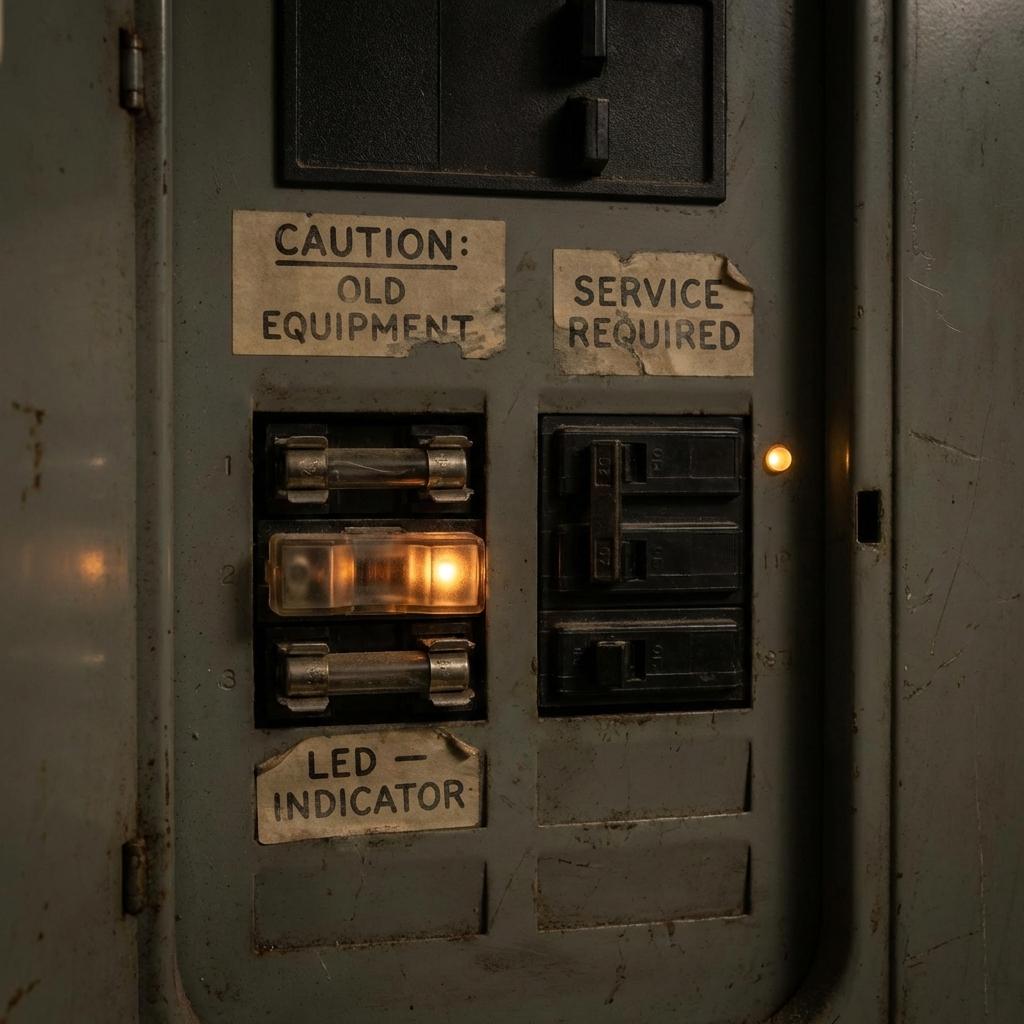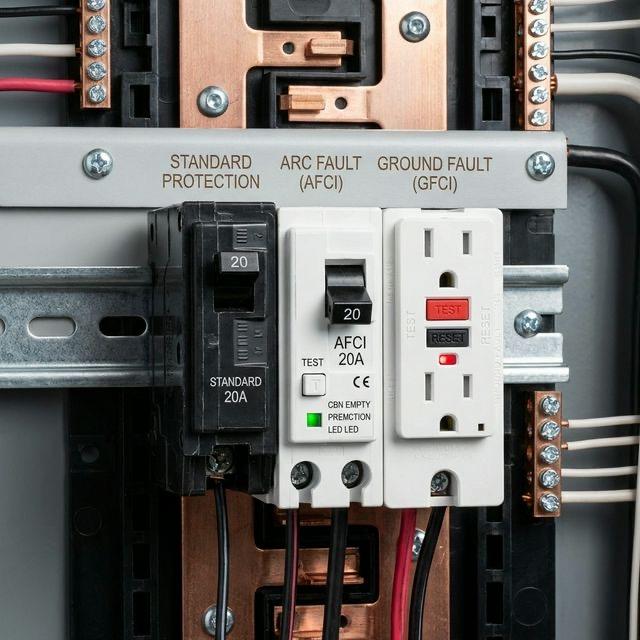
Grounding and bonding are among the most critical—yet least understood—aspects of your electrical system. While breakers protect against overloads and GFCIs protect against shock, proper grounding provides the foundation for all electrical safety. Understanding these concepts helps you appreciate why they matter and recognize when problems exist.
Key Takeaways
- Reputable brands include Square D (Schneider Electric), Siemens, Eaton, and Leviton.
- Square D QO and Homeline series are the most widely installed residential panels in the U.S.
- Choose panels with plug-on neutral bus bars for easier AFCI and GFCI breaker installation.
- Avoid unknown brands and verify UL listing on any panel you consider.
What is Electrical Grounding?
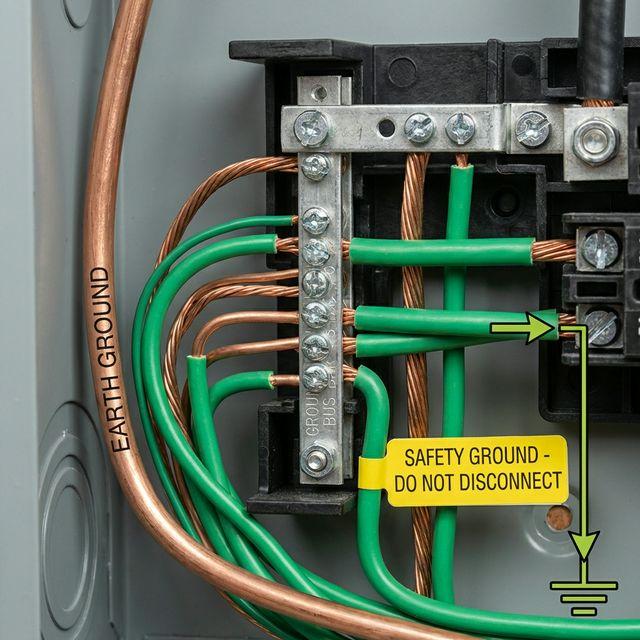
Grounding creates a safe path for electricity to follow in case of a fault condition. It connects your electrical system to the earth, providing a low-resistance path that diverts dangerous current away from people and sensitive equipment.
The Ground Connection
Your electrical panel is connected to ground through one or more of these methods:
- Ground rod: An 8-foot copper or copper-clad steel rod driven into the earth
- Ground plate: A metal plate buried underground
- Ufer ground: Connection to rebar in your foundation
- Metal water pipe: Connection to metallic underground water pipe (where available)
Modern code typically requires at least two ground electrodes—usually a ground rod and either a Ufer ground or water pipe connection.
Brand Selection Tip: Choose a brand with wide local availability of replacement breakers. Square D and Siemens breakers are stocked at most hardware stores, making future additions and replacements convenient and affordable.
What is Bonding?
While grounding connects your system to earth, bonding connects all metallic parts of your electrical system together. This ensures everything is at the same electrical potential, preventing shock hazards.
Outdated or overloaded electrical panels are a safety risk. Our team specializes in 200-amp upgrades throughout Northern Virginia, with same-day panel assessments available. Call (703) 997-0026 to get started.
Bonded Components Include:
- Electrical panel enclosure
- Metal conduit and raceways
- Equipment grounding conductors
- Metal water pipes
- Gas piping (in some cases)
- HVAC equipment
- Structural steel
The Main Bonding Jumper
At your main electrical panel, the neutral and ground systems are connected through the main bonding jumper. This is the only point where these systems should be connected; in subpanels, they must remain separate.
Why This Matters:
- Provides a fault current path back to the transformer
- Ensures breakers trip quickly during ground faults
- Stabilizes voltage in the system
- Prevents dangerous voltage on metal parts
Common Grounding Problems
Missing or Inadequate Ground Rod
Older homes may have no ground rod or one that has corroded over time. Symptoms include:
- Tingling when touching appliances
- GFCIs that trip frequently without apparent cause
- Interference on audio/video equipment
- Surge protectors that fail prematurely
Improper Neutral-Ground Connection
If neutral and ground are connected in a subpanel (they shouldn't be), dangerous current can flow on equipment grounds, creating shock hazards.
Broken Grounding Conductor
The ground wire from outlets to the panel can be broken, improperly connected, or missing entirely, leaving devices ungrounded despite having three-prong outlets.
Corroded Connections
Ground connections can corrode over time, increasing resistance and reducing protection. This is especially common at ground rods and water pipe connections.
Signs of Grounding Problems
Watch for these indicators of potential grounding issues:
- Tingling sensation when touching appliances
- Shocks when touching metal fixtures
- Appliances that seem to have a "charge"
- Flickering lights during electrical storms
- Computer or electronic equipment problems
- Outlet testers showing "open ground"
- GFCIs that won't reset or trip constantly
Grounding During Panel Upgrades
When we upgrade your electrical panel, we verify and upgrade your grounding system to meet current code. This includes:
Ground Electrode System:
- Installing new ground rod(s) if needed
- Adding second ground electrode if only one exists
- Connecting to Ufer ground if available
- Bonding to water pipe where present
Bonding:
- Installing proper main bonding jumper
- Bonding water pipes within 5 feet of panel
- Verifying gas pipe bonding
- Ensuring proper separation in subpanels
Grounding Conductor:
- Installing proper size grounding electrode conductor
- Using appropriate connections (no splices except as allowed)
- Proper routing and protection of conductor
Testing Ground Systems
Professional electricians use specialized equipment to verify grounding:
Ground Resistance Testing:
Measures the resistance of the ground electrode system. Values should typically be below 25 ohms, with lower being better for sensitive equipment.
Impedance Testing:
Verifies the fault loop impedance is low enough for breakers to trip quickly during faults.
Visual Inspection:
Checks connections, wire sizes, routing, and compliance with code requirements.
Ground Fault Protection
While grounding provides the path for fault current, ground fault protection detects when current is going where it shouldn't:
GFCI (Ground Fault Circuit Interrupter):
- Compares current on hot and neutral wires
- Trips if difference exceeds 4-6 milliamps
- Protects against shock from current flowing through a person
- Required in wet/damp locations
GFPE (Ground Fault Protection of Equipment):
- Used in commercial systems
- Higher threshold than GFCI (30mA to several amps)
- Protects equipment rather than people
- Required for larger services
Special Grounding Situations
Generator Grounding:
Backup generators require proper grounding, but the configuration depends on whether it's a separately derived system or not. Transfer switches affect how grounding is handled.
Solar System Grounding:
PV systems have specific grounding requirements for both DC and AC components, including grounding electrode conductors and equipment grounding.
Swimming Pools and Hot Tubs:
These require extensive bonding of all metallic components within a certain distance, plus GFCI protection for all circuits.
The Bottom Line
Proper grounding is invisible when working correctly but critical for safety. When we perform panel upgrades at AJ Long Electric, we always verify and correct grounding issues, ensuring your electrical system has the foundation it needs for safe operation.
If you're experiencing any symptoms of grounding problems or haven't had your electrical system professionally evaluated, contact us at (703) 555-0123 for an assessment. Your family's safety is worth the peace of mind.
Tags:

Written by
Matt Long
Master Electrician
Our team of licensed electricians brings over 40 years of combined experience serving Northern Virginia. We're committed to providing expert electrical solutions with a focus on safety, quality, and customer satisfaction.
Reviewed by AJ Long Electric Master Electricians · VA License #2705031092 · View Credentials