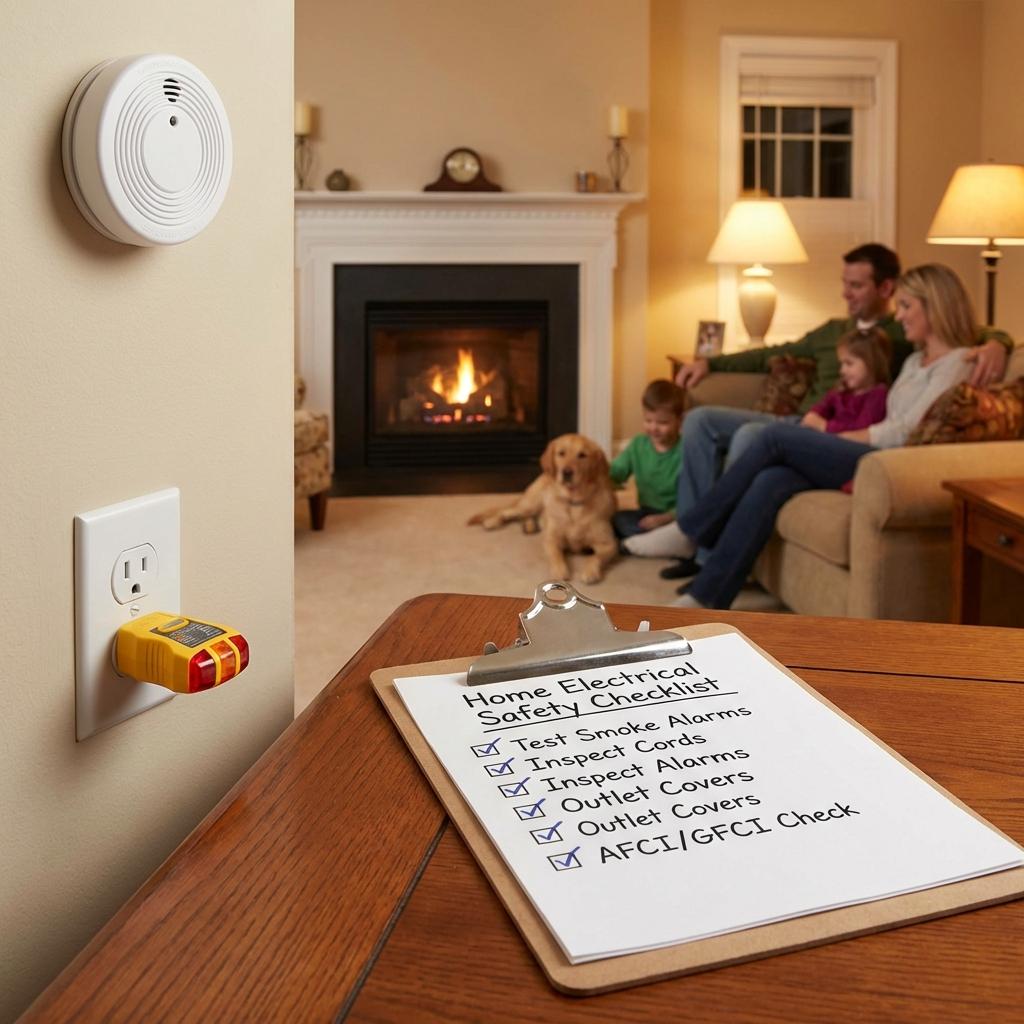
Electrical safety is one of the most important aspects of home maintenance, yet it's often overlooked until a problem arises. According to the National Fire Protection Association (NFPA), electrical failures or malfunctions are the second leading cause of home fires in the United States. The good news? Most electrical hazards are preventable with regular inspections and proper maintenance.
Key Takeaways
- Electrical failures are the second leading cause of home fires -- most are preventable with regular inspections.
- Every room has specific electrical safety checks, from GFCI outlets in kitchens and bathrooms to AFCI protection in bedrooms.
- Warning signs like burning smells, warm outlets, and frequently tripping breakers require immediate professional attention.
- Homes over 40 years old, recently purchased homes, and homes before major renovations all need professional electrical inspections.
At AJ Long Electric, we've helped thousands of Northern Virginia homeowners identify and correct electrical safety issues before they become dangerous. This comprehensive checklist will help you perform a thorough assessment of your home's electrical system.
Why Regular Electrical Safety Inspections Matter
Your home's electrical system works silently behind the walls, powering everything from your refrigerator to your home office. Over time, connections can loosen, insulation can deteriorate, and outdated components can become hazardous. Regular inspections help you:
- Identify potential fire hazards before they cause damage
- Prevent electrical shock accidents
- Reduce energy waste from faulty connections
- Extend the lifespan of your electrical system
- Maintain compliance with current electrical codes
Kitchen Electrical Safety Checklist
The kitchen is one of the most electrically demanding rooms in your home, with multiple high-wattage appliances operating simultaneously. Here's what to check:
Our licensed electricians have installed hundreds of EV chargers across Northern Virginia. We handle everything from panel evaluation to permit filing. Call (703) 997-0026 or request your free estimate online.
- GFCI Protection: All outlets within 6 feet of the sink must have GFCI protection. Test monthly by pressing the TEST button—the RESET button should pop out.
- Dedicated Circuits: Major appliances (refrigerator, dishwasher, microwave, garbage disposal) should each have dedicated circuits.
- Outlet Condition: Check for discoloration, warmth, or burning smells around outlets.
- Cord Management: Ensure appliance cords aren't frayed, pinched, or running under rugs.
- Lighting: Verify all fixtures are properly rated for the bulb wattage you're using.
Pro Tip: Test your kitchen GFCI outlets monthly. Simply press the TEST button -- the outlet should lose power. Press RESET to restore it. If it does not trip, the GFCI has failed and needs immediate replacement.
Bathroom Electrical Safety Checklist
Water and electricity are a dangerous combination. Bathrooms require special attention:
- GFCI Outlets: All bathroom outlets must have GFCI protection—this is code in all jurisdictions.
- Outlet Placement: Outlets should be at least 3 feet from the bathtub or shower.
- Exhaust Fans: Check that exhaust fans operate properly and are vented to the outside.
- Light Fixtures: Fixtures in wet areas should be rated for damp or wet locations.
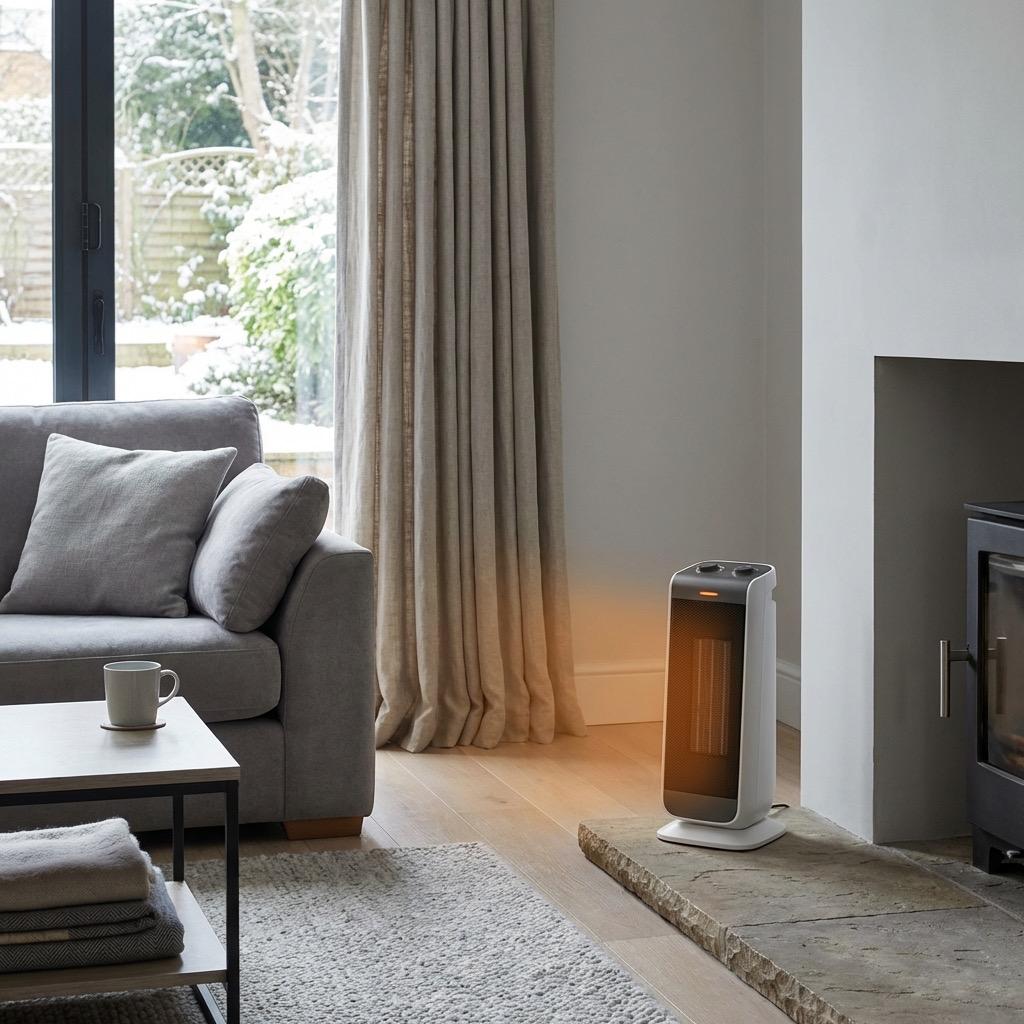
- Space Heaters: Never use portable heaters in bathrooms unless specifically rated for bathroom use.
Living Room and Bedroom Safety
These high-use areas often accumulate electrical hazards over time:
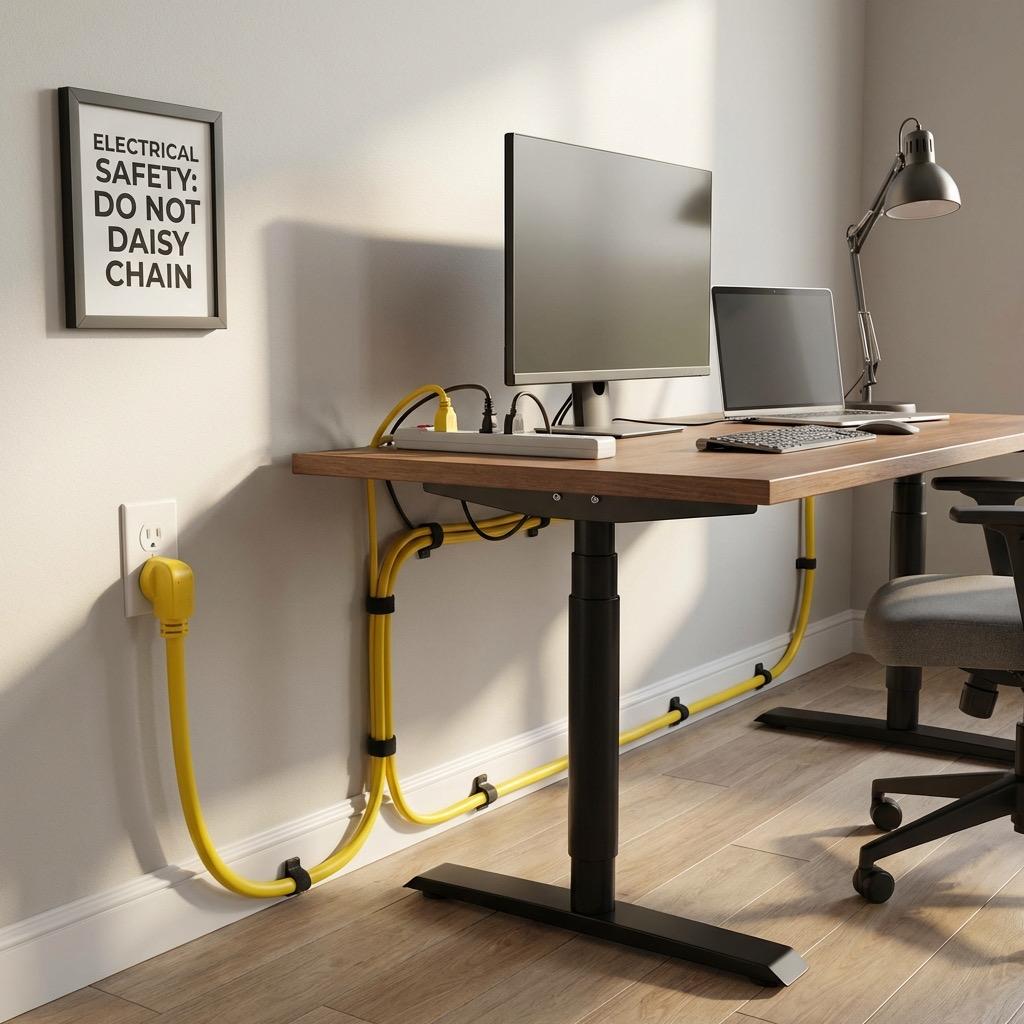
- Outlet Loading: Count how many devices are plugged into each outlet. Avoid daisy-chaining power strips.
- Extension Cords: Extension cords should be temporary solutions, not permanent wiring.
- Arc-Fault Protection: Modern code requires AFCI protection in bedrooms. Consider upgrading older homes.
- Furniture Placement: Ensure cords aren't pinched behind furniture or under carpet.
- Smoke Detectors: Test monthly and replace batteries annually (or use 10-year sealed units).
Garage and Outdoor Areas
These areas face unique challenges from moisture, temperature extremes, and power tools:
- GFCI Protection: All garage and outdoor outlets must have GFCI protection.
- Weatherproof Covers: Outdoor outlets need in-use weatherproof covers.
- Extension Cord Ratings: Only use outdoor-rated extension cords outside.
- Power Tool Safety: Inspect power tool cords before each use.
- EV Charger Installation: If you have an EV charger, verify it was professionally installed with proper circuit protection.
Electrical Panel Inspection
Your electrical panel is the heart of your home's electrical system:
- Panel Access: Maintain 3 feet of clear space in front of the panel.
- Panel Condition: Look for rust, scorch marks, or unusual odors.
- Breaker Function: Breakers should flip firmly—loose or hard-to-move breakers need replacement.
- Labeling: All circuits should be clearly labeled.
- Panel Age: If your panel is over 25 years old, schedule a professional inspection.
Did You Know? Federal Pacific Electric (FPE) and Zinsco panels, common in homes built between the 1950s and 1980s, have documented safety defects. If your home has one of these panels, contact a licensed electrician for an immediate assessment.
Warning Signs That Require Immediate Attention
If you notice any of these signs, contact a licensed electrician immediately:
- Frequently tripping breakers or blown fuses
- Flickering or dimming lights
- Buzzing sounds from outlets or switches
- Burning smells with no identifiable source
- Warm or discolored outlet covers
- Sparks when plugging in devices
- Tingling sensation when touching appliances
- Two-prong outlets throughout the home (no grounding)
When to Call a Professional
While regular visual inspections are valuable, certain situations require professional expertise:
- Homes over 40 years old that haven't been rewired
- After purchasing a new home
- Before major renovations
- After any flood or water damage
- When adding major appliances or EV chargers
- If you notice any warning signs listed above
Schedule Your Professional Electrical Safety Inspection
A professional electrical safety inspection goes far beyond what homeowners can assess visually. Our licensed electricians use specialized equipment to test circuit integrity, check for hidden hazards, and ensure your system meets current safety codes.
Contact AJ Long Electric today to schedule your comprehensive electrical safety inspection. We serve homeowners throughout Northern Virginia, including Fairfax, Arlington, Alexandria, and Loudoun County.
Tags:

Written by
AJ Long Electric Team
Licensed Electricians
Our team of licensed electricians brings over 40 years of combined experience serving Northern Virginia. We're committed to providing expert electrical solutions with a focus on safety, quality, and customer satisfaction.
Reviewed by AJ Long Electric Master Electricians · VA License #2705031092 · View Credentials