The rise of home improvement shows and online tutorials has inspired many homeowners to tackle projects themselves, and electrical work is no exception. In Virginia, homeowners do have the legal right to perform certain electrical work on their own primary residence, but the rules around what requires permits, what requires a licensed electrician, and what risks you assume when doing electrical work yourself are more nuanced than most people realize. Understanding Virginia's laws and the practical realities of DIY electrical work can help you make informed decisions about which projects to tackle yourself and which ones to leave to a professional.
Key Takeaways
- Virginia law allows homeowners to perform electrical work on their own primary residence, but permits and inspections are still required for most projects.
- Simple like-for-like replacements of outlets, switches, and fixtures generally do not require permits.
- Any work involving new circuits, panel modifications, or service changes requires both a permit and an inspection.
- DIY electrical mistakes can void your insurance, reduce your home's value, and create life-threatening hazards.
- The cost difference between DIY and professional work is often much smaller than homeowners assume when accounting for materials, tools, permits, and time.
What Virginia Law Actually Says
Virginia's contractor licensing laws, administered by the Department of Professional and Occupational Regulation (DPOR), generally require that electrical work be performed by or under the supervision of a licensed electrical contractor. However, there is a specific homeowner exemption that allows individual homeowners to perform electrical work on their own primary residence without holding an electrical license. This exemption comes with important conditions.
The Homeowner Exemption
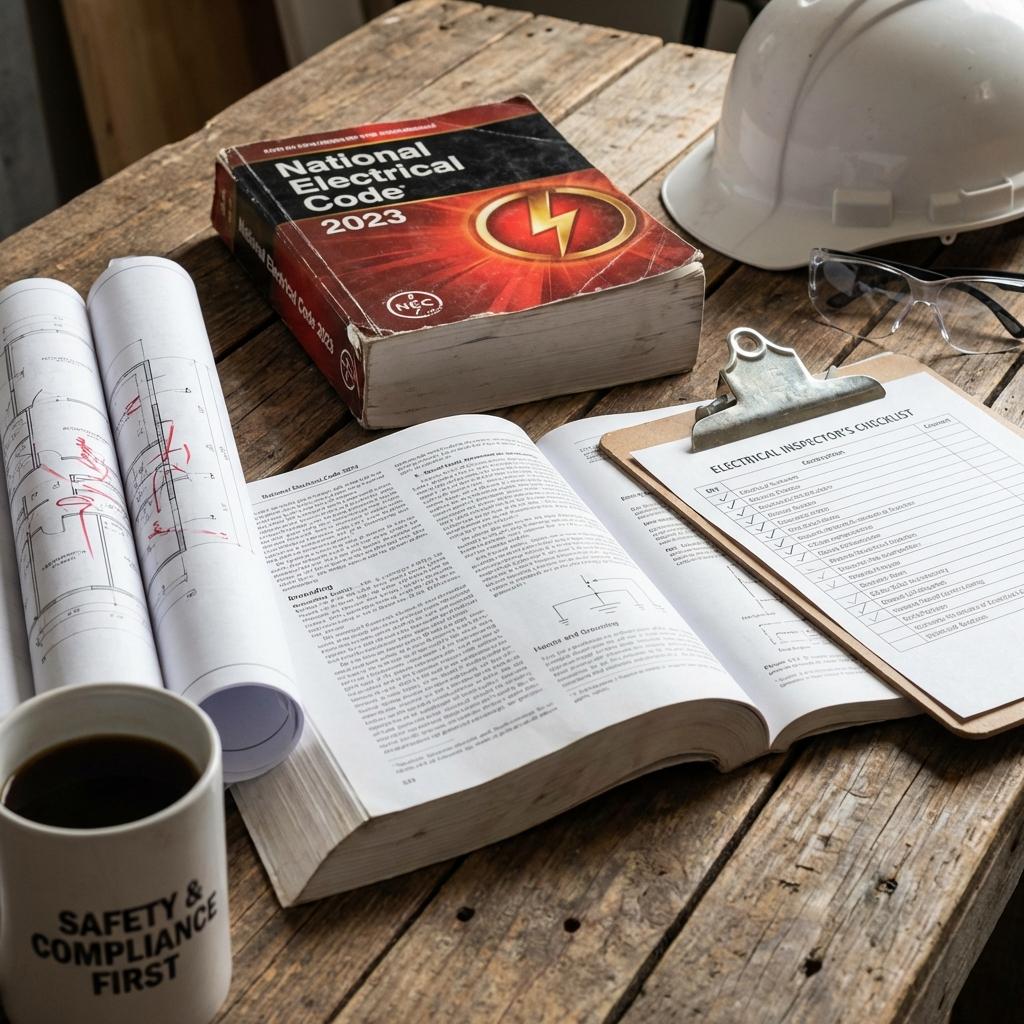
The exemption applies only to your primary residence, the home where you actually live. It does not cover rental properties you own, vacation homes, or properties you are building for sale. The work must be performed by the homeowner personally, not by an unlicensed friend, handyman, or family member on your behalf. And crucially, the exemption from licensing does not exempt you from the permit and inspection requirements of the Virginia Uniform Statewide Building Code. If the work requires a permit when done by a licensed electrician, it requires a permit when done by a homeowner.
What You Can Do Without a Permit
Like-for-Like Replacements
The simplest electrical tasks involve replacing existing devices and fixtures with equivalent replacements on existing wiring. These generally do not require permits in Virginia jurisdictions. Replacing a light fixture with a similar fixture on an existing junction box is allowed, as is replacing outlets and switches, replacing a ceiling fan where a fan-rated box already exists, replacing a garbage disposal on an existing dedicated circuit, swapping out a thermostat on existing wiring, and replacing light bulbs or ballasts in existing fixtures. The key is that you are not adding new wiring, changing the circuit, or altering the electrical system in any way. You are simply swapping one component for an equivalent one.
Whether it is a simple repair or a major electrical project, our licensed team is ready to help. Serving all of Northern Virginia with transparent pricing and expert workmanship. Call (703) 997-0026 today.
Basic Safety Precautions for DIY Work
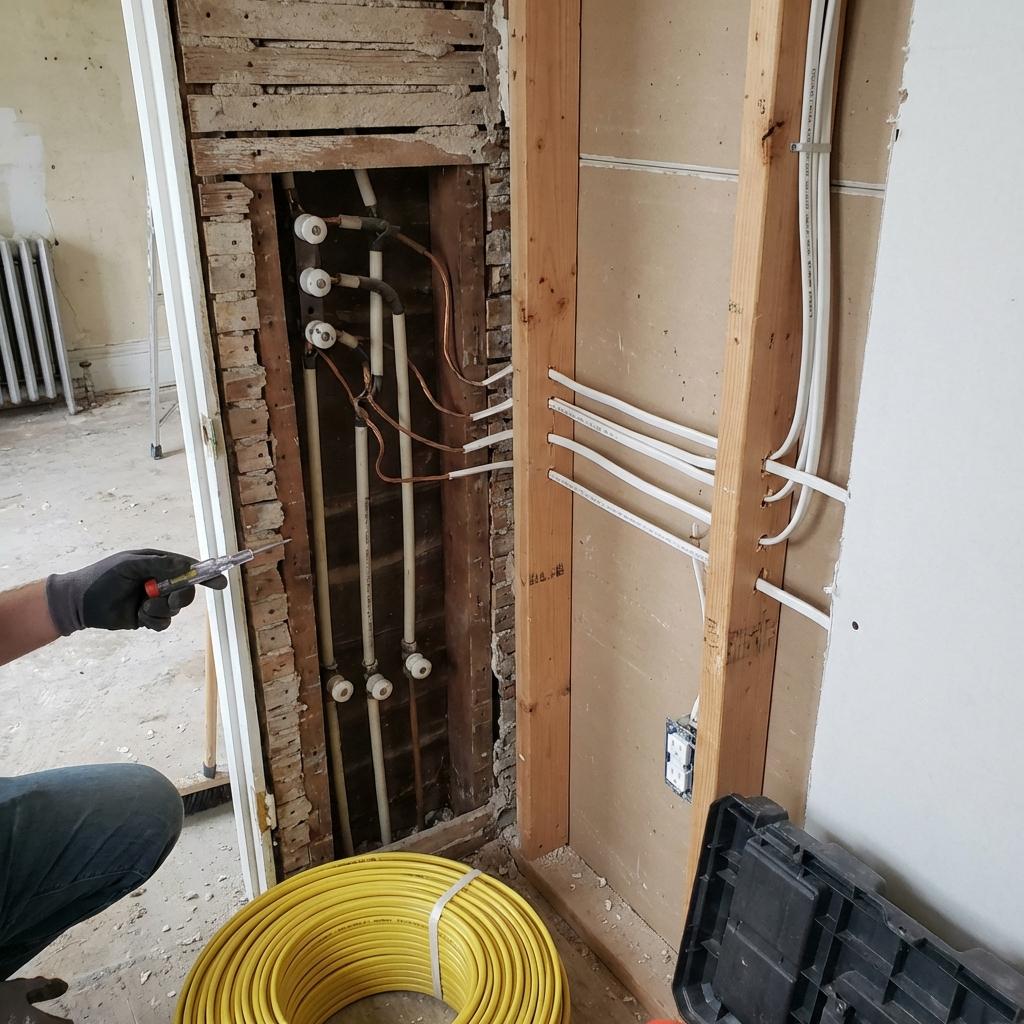
Even for simple replacements, safety is paramount. Always turn off the circuit breaker serving the circuit you will be working on and verify that power is off using a non-contact voltage tester before touching any wiring. Lock out the breaker or tape it in the off position so no one accidentally turns it back on while you are working. Use insulated tools. Never work on electrical components while standing in water or on a wet surface. And if anything about the wiring looks wrong, damaged, or confusing once you open the box, stop and call a professional.
A non-contact voltage tester is the single most important safety tool for any homeowner doing even minor electrical work. These battery-powered devices detect the presence of voltage without requiring you to touch any wires. They cost less than twenty dollars at any hardware store and can prevent a potentially fatal mistake. Hold the tester near each wire in the box to confirm power is off before proceeding.
What Requires Permits and Inspections
New Circuits and Wiring
Adding any new electrical circuit to your home requires a permit in all Northern Virginia jurisdictions. This includes adding new outlets or receptacles on new wiring, running a new circuit for an appliance, wiring a new room or addition, adding outdoor lighting on new circuits, and installing an EV charger. Whether you do this work yourself under the homeowner exemption or hire a licensed electrician, the permit and inspection process is the same.
Panel and Service Work
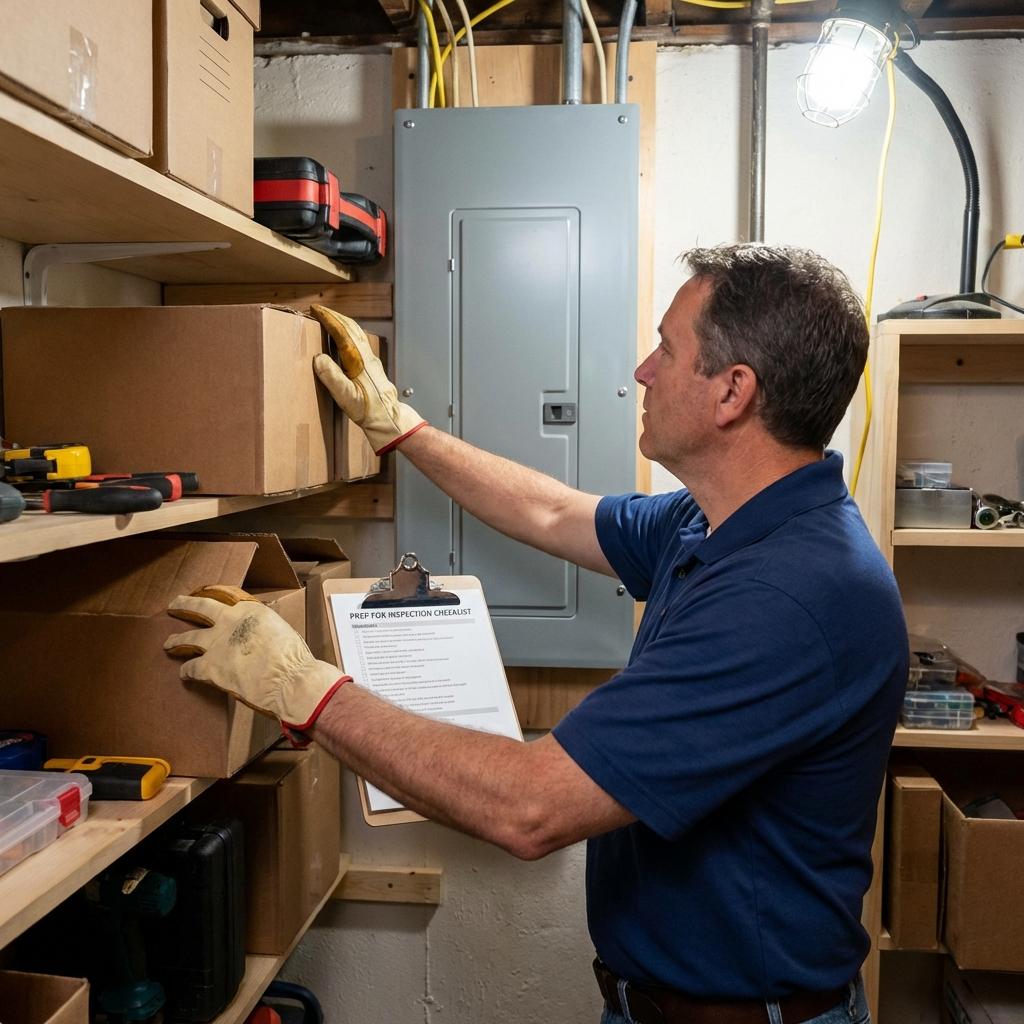
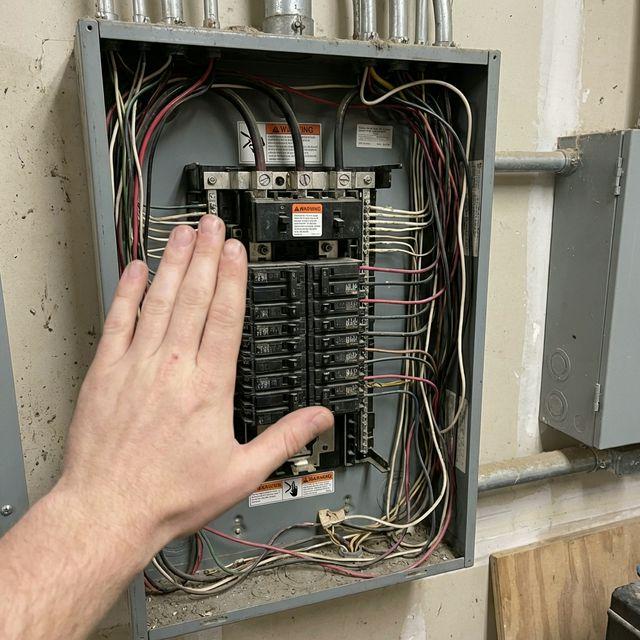
Any work on your electrical panel or service entrance requires a permit. This includes breaker replacement, panel upgrades, sub-panel installations, service upgrades, and generator transfer switches. While technically a homeowner can pull a permit for this work in Virginia, panel work involves direct exposure to live bus bars carrying your home's full service amperage. The risk of electrocution or creating a dangerous condition inside the panel is extremely high for anyone without specific training and experience. We strongly advise against homeowner panel work.
How to Pull a Homeowner Permit
If you decide to do permit-required work yourself, you will need to visit or contact your local building department. In Fairfax County, this is the Department of Land Development Services. In Loudoun County, it is the Department of Building and Development. Arlington County and the City of Alexandria each have their own building departments. You will complete a permit application describing the work, pay a permit fee, perform the work to code, and then schedule an inspection. The inspector will evaluate your work against the same standards applied to professional installations.
Risks of DIY Electrical Work
Safety Hazards
Electrical work done incorrectly can kill. Electrocution is the immediate risk, but the longer-term risk is fire. A connection that looks fine but is slightly loose, a wire that is the wrong gauge for the circuit, a junction box that is missing a cover, or a ground wire that is not connected can all create conditions that lead to a fire months or years after the work is done. Professional electricians spend years in apprenticeship learning not just how to make connections, but how to make connections that will remain safe for decades.
Insurance Implications
Homeowner's insurance policies typically require that work be performed in compliance with applicable codes and that required permits and inspections be obtained. If a fire or damage results from unpermitted or improperly installed electrical work, your insurance company can deny the claim. This can leave you personally responsible for hundreds of thousands of dollars in damage and liability. Even if your DIY work was not the cause of the fire, unpermitted electrical work discovered during the investigation can complicate or invalidate your claim.
When selling a home in Northern Virginia, the buyer's home inspector will check the electrical panel for signs of unpermitted work, and the buyer's title company may pull permit records for the property. Unpermitted electrical work discovered during the sale process can require you to have the work removed and redone with proper permits, or it can reduce the sale price significantly. The money you saved doing it yourself may cost you many times over at closing.
Code Violations and Fines
If your local building department discovers unpermitted electrical work, they can require you to obtain a retroactive permit, open walls for inspection, bring the work up to current code, and pay fines. In some cases, they can require you to have the unpermitted work removed entirely and redone by a licensed electrician. The cost of remediation typically exceeds the cost of having the work done properly in the first place.
Resale Value Impact
Even if unpermitted work does not cause safety issues, its mere presence can reduce your home's appeal to buyers. Savvy buyers and their agents look for permit records and are wary of homes with evidence of DIY electrical work. In a competitive market like Northern Virginia, this can put your home at a disadvantage.
When DIY Makes Sense and When It Does Not
Reasonable DIY Projects
Replacing a standard outlet with a new outlet, swapping a light switch for a similar switch, changing out a light fixture, and replacing a ceiling fan where the mounting hardware is already in place are all reasonable projects for a careful, mechanically inclined homeowner who follows safety precautions and does research beforehand.
Projects to Leave to Professionals
Anything involving the electrical panel, new circuit wiring, service entrance work, 240-volt circuits, aluminum wiring, or outdoor and wet-location wiring should be left to licensed electricians. The safety stakes are too high, the code requirements are too complex, and the consequences of errors are too severe for these to be appropriate DIY projects.
If you are unsure whether a project is appropriate for DIY or whether it requires a permit, contact your local building department or a licensed electrician. At AJ Long Electric, we are always happy to answer questions and help homeowners understand what their projects involve. For work that does require a professional, we provide fair, transparent pricing and handle all permits and inspections. Call us at (703) 997-0026 to discuss your project.
Tags:

Written by
AJ Long Electric Team
Licensed Electricians
Our team of licensed electricians brings over 40 years of combined experience serving Northern Virginia. We're committed to providing expert electrical solutions with a focus on safety, quality, and customer satisfaction.
Reviewed by AJ Long Electric Master Electricians · VA License #2705031092 · View Credentials