The garage door is the largest moving component in your home and often the most frequently used entry point. For many Northern Virginia families, the garage door opens and closes more times per day than the front door. Adding smart control to your garage door gives you the ability to check its status from anywhere, receive alerts when it opens unexpectedly, close it remotely if you forgot, and integrate it with your broader home automation system. But smart garage door control involves more than just sticking a sensor on the ceiling. Proper electrical setup, safety sensor alignment, WiFi connectivity in what is often the worst-covered area of your home, and thoughtful automation design make the difference between a frustrating gadget and a genuinely useful upgrade. This guide covers everything from choosing the right smart garage solution to electrical requirements and home automation integration.
Key Takeaways
- Smart garage controllers like MyQ and Tailwind add smart capabilities to your existing opener without requiring a full replacement.
- A standard 120V GFCI-protected outlet near the garage door opener is required for both the opener and any add-on smart controller.
- WiFi coverage in the garage is often inadequate and may require a dedicated access point or WiFi extender for reliable smart garage operation.
- Safety photo-eye sensors must remain functional and properly aligned with any smart control system to prevent injury or property damage.
- Smart garage automation enables powerful routines like automatic closing at a set time and integration with arrival and departure sequences.
Smart Garage Control Options
There are two main approaches to making your garage door smart: adding a controller to your existing opener or replacing the opener with a smart-enabled unit. The right choice depends on the age and condition of your current opener.
Add-On Smart Garage Controllers
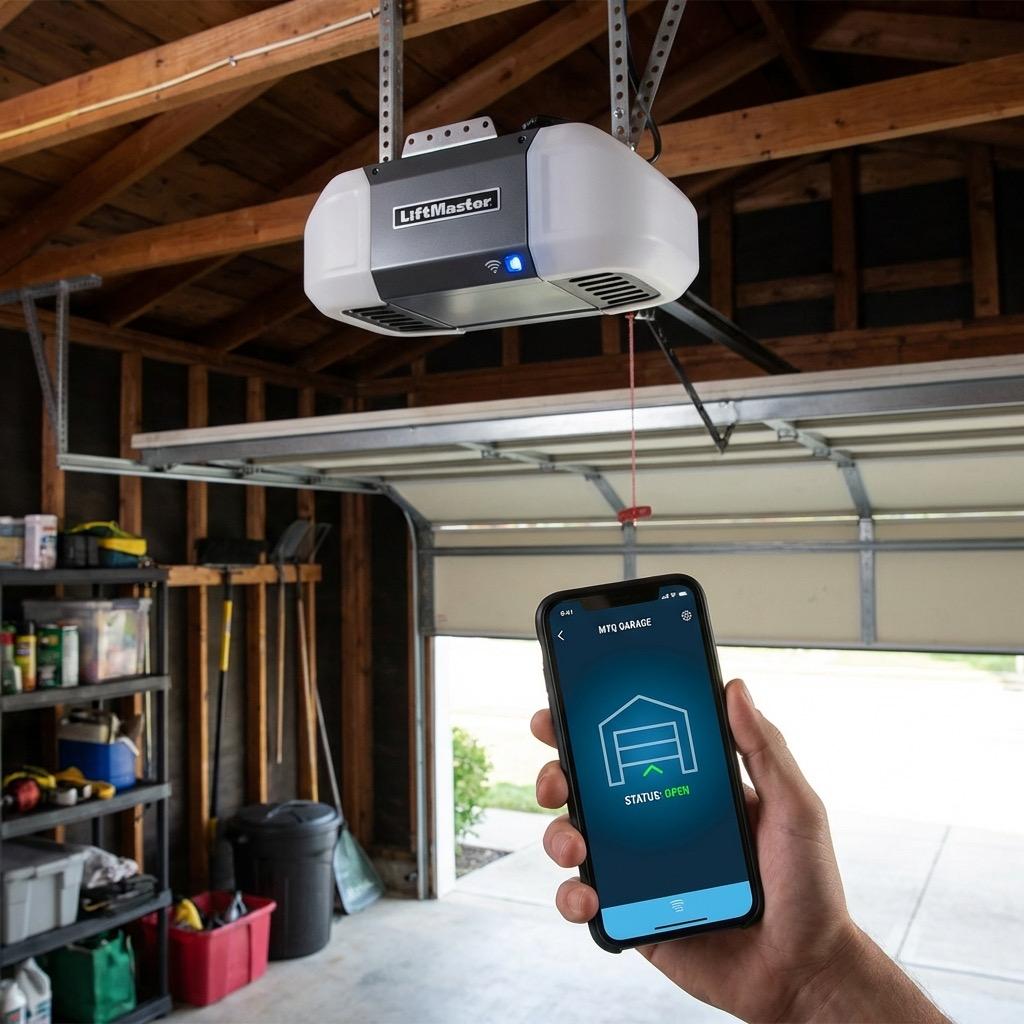
Devices like the Chamberlain MyQ, Tailwind iQ3, Meross Smart Garage Door Opener, and Ratgoo WiFi Garage Controller attach to your existing garage door opener and add smart capabilities. These controllers work by simulating the press of your wall-mounted button through a wired connection to the opener's terminals. A separate tilt or magnetic sensor mounted on the garage door detects whether the door is open or closed.
The MyQ system is the most widely installed, with native integration into the Chamberlain and LiftMaster ecosystem. However, MyQ has faced criticism for restricting third-party integrations and requiring paid subscriptions for some features. Tailwind and Meross offer more open integrations with platforms like Home Assistant and Google Home without subscription fees.
Smart Garage Door Openers
If your existing opener is aging or lacks modern safety features, replacing it with a smart-enabled opener combines the upgrade with built-in smart capabilities. LiftMaster and Chamberlain offer openers with built-in MyQ technology. Overhead Door and Genie also offer smart-capable models. These integrated units provide a cleaner installation since the smart features are built into the opener itself rather than added as a separate device.
Electrical Requirements
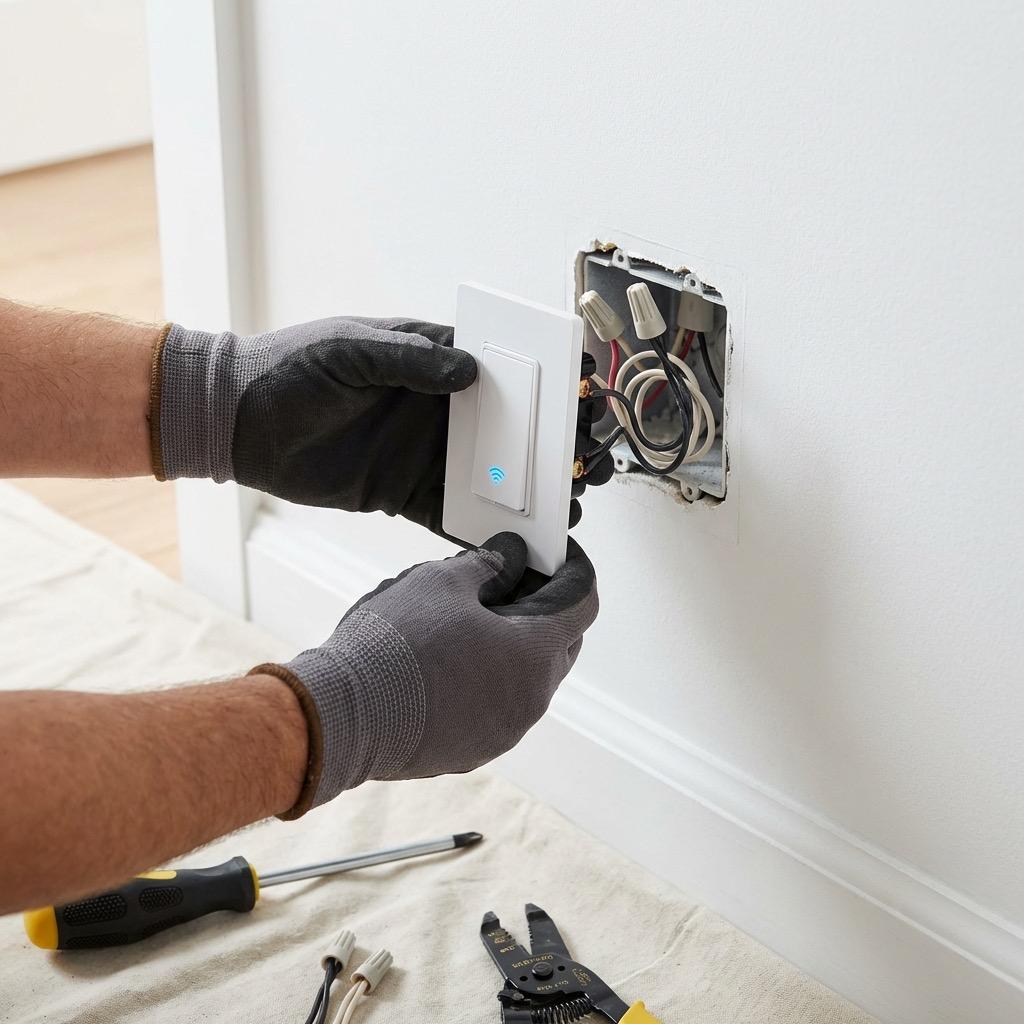
Garage door openers and their smart controllers have specific electrical needs that some older Northern Virginia garages may not meet without upgrades.
Whether it is a simple repair or a major electrical project, our licensed team is ready to help. Serving all of Northern Virginia with transparent pricing and expert workmanship. Call (703) 997-0026 today.
Outlet Requirements
Garage door openers require a standard 120V outlet, typically located on the ceiling near the opener unit. Modern electrical code requires this outlet to be GFCI-protected, as garages are considered wet or damp locations. Many older homes in Arlington, Falls Church, Springfield, and other established neighborhoods have garages with non-GFCI outlets or even hard-wired openers without accessible outlets. Upgrading to a GFCI-protected outlet is both a code requirement and a safety improvement that a licensed electrician can handle quickly.
Circuit Considerations
Garage circuits often serve multiple outlets and lighting in addition to the opener. Ensure the circuit has adequate capacity for the opener's motor draw (typically 5 to 8 amps during operation) plus any other loads on the circuit. If your garage also houses a chest freezer, power tools, or an EV charger, a dedicated circuit for the opener may be warranted to prevent breaker trips during simultaneous use.
Code Requirement: Virginia electrical code requires GFCI protection for all garage outlets. If your garage has older, non-GFCI outlets, upgrading them is required for any new electrical work and is strongly recommended for safety regardless. A GFCI outlet or GFCI breaker protects against electric shock in the damp garage environment.
WiFi Connectivity Challenges
The garage is often the worst-served area of a home's WiFi network. It is typically at the far end of the house, separated from the router by multiple walls and sometimes an attached or detached structure. Smart garage controllers need a stable WiFi connection to send notifications, respond to app commands, and integrate with voice assistants.
Solutions for Garage WiFi
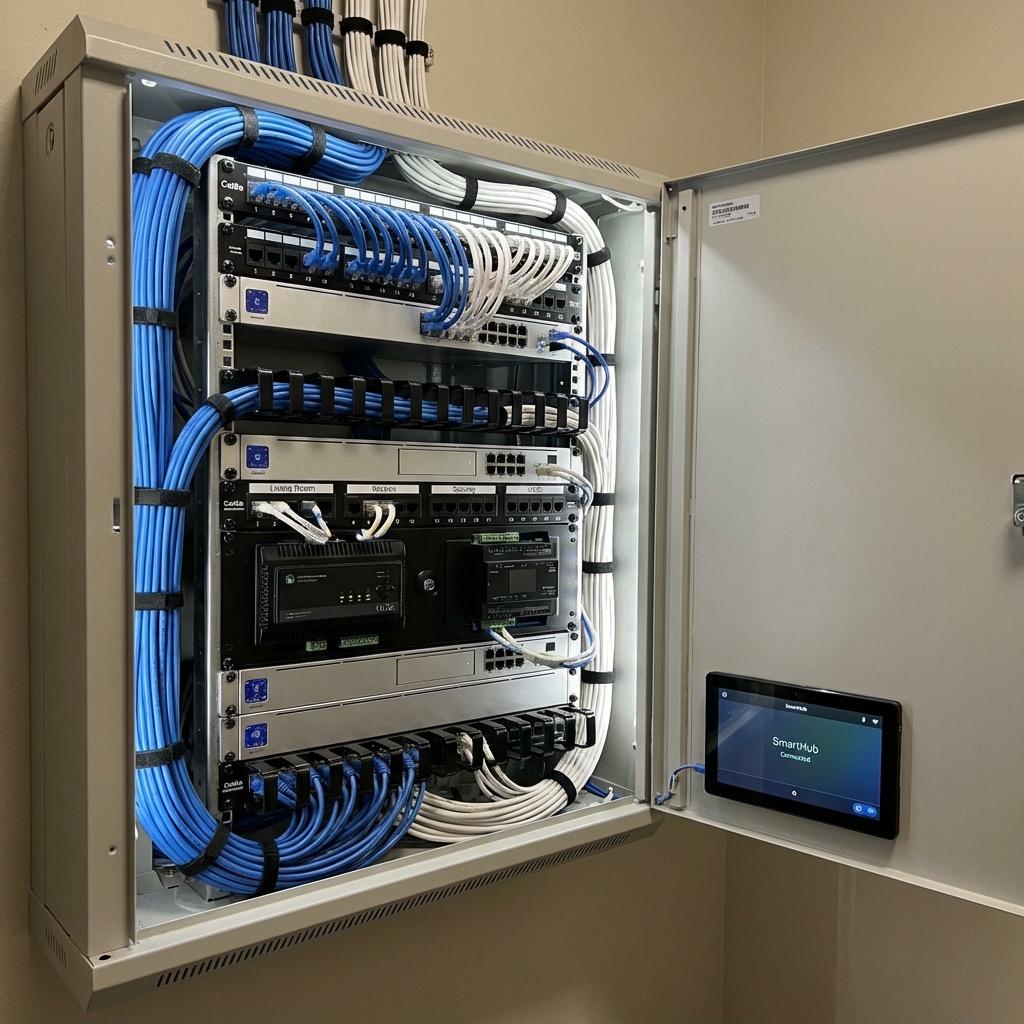
If your garage has weak or unreliable WiFi, several solutions can help. A WiFi range extender placed in the room nearest the garage can boost signal into the space. A hardwired WiFi access point in the garage provides the most reliable solution, especially if ethernet has been run to the garage or can be run through the attic or basement. Powerline adapters that use your electrical wiring to carry network data can bridge the gap if ethernet is not available, though performance varies depending on the age and condition of your wiring.
Safety Sensor Alignment and Integration
Garage door safety photo-eye sensors, mandated for all garage door openers manufactured since 1993, prevent the door from closing on a person, pet, or object. These sensors project an infrared beam across the door opening at approximately six inches above the floor. If the beam is broken, the door reverses.
Smart Control and Safety Compliance
Any smart garage control system must work with, not around, these safety features. Smart controllers trigger the opener through the same mechanism as the wall button, so all safety features remain active. The door will not close via app command or automation if the safety sensors detect an obstruction. Some smart controllers also monitor sensor status and alert you if sensors become misaligned or malfunction, which is a valuable early warning that prevents you from discovering the problem when you are trying to close the door remotely.
Maintaining Safety Sensors
Garage door safety sensors can become misaligned from vibration, accidental bumps, or settling of the structure. Northern Virginia's freeze-thaw cycles can shift concrete garage floors enough to affect sensor alignment over time. Regularly verify that the sensors are aligned (both indicator lights should be solid, not blinking) and clean the lenses periodically since dust, cobwebs, and garage debris can interfere with the beam.
Pro Tip: When installing a smart garage controller, test the safety sensors thoroughly. Open the door via the app, then interrupt the sensor beam while closing to verify the door reverses properly. Do this test before relying on remote control, especially if you have pets or children who may be near the door when you close it from your phone.
Home Automation Integration
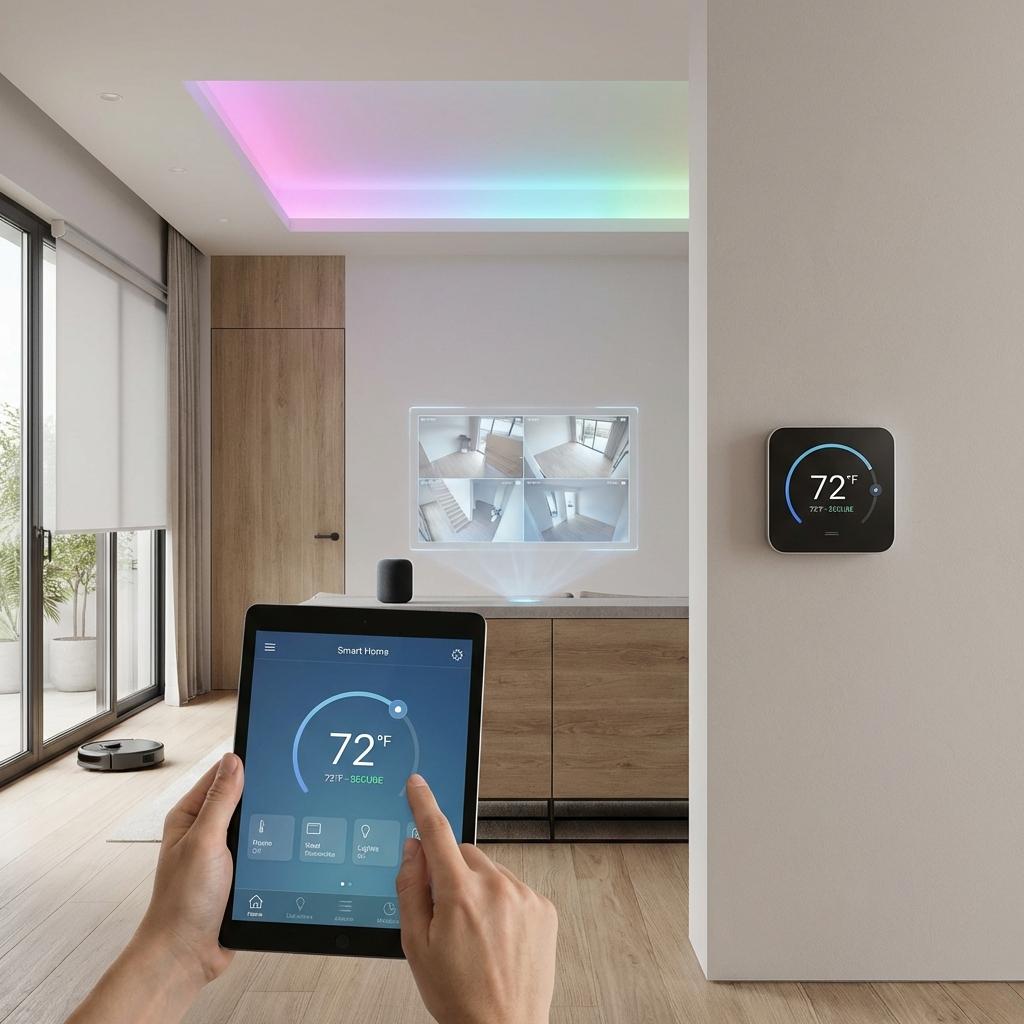
A smart garage door becomes most valuable when it is integrated into your broader home automation system. The automations available depend on your smart home platform, but common and practical examples include the following.
Automatic Closing
Set an automation to close the garage door automatically if it has been open for more than 30 minutes, or close all garage doors at a specific time each night, such as 10 PM. This eliminates the nagging worry of whether you remembered to close the garage, which is one of the most common reasons people install smart garage controllers in the first place.
Arrival and Departure Sequences
Geofencing can trigger the garage door to open as you approach your home and close after you park. Combine this with interior lighting: when the garage opens after sunset, the mudroom and kitchen lights turn on automatically. When you leave and the garage closes, interior lights set to away mode and the security system arms.
Security Integration
Link your garage door status to your security system. If the garage door opens while the alarm is in away mode, you receive an immediate high-priority notification. If the garage door is open when you try to arm the security system, you get a warning prompt before arming.
Electrical Upgrades for Older Garages
Many older garages in Northern Virginia need electrical upgrades beyond just the opener outlet. If your garage serves as a workshop, EV charging location, or storage area with a freezer, the original electrical infrastructure may be undersized. Common upgrades include adding GFCI outlets throughout the garage, installing a subpanel for additional circuits, adding dedicated circuits for EV chargers or workshop equipment, and upgrading lighting from fluorescent shop lights to LED fixtures with smart control.
Ready to add smart control to your garage door? AJ Long Electric handles the complete installation, from electrical upgrades and GFCI outlet installation to smart controller setup and WiFi connectivity solutions. Serving homeowners throughout Northern Virginia, our licensed electricians ensure your smart garage system is safe, reliable, and fully integrated with your home automation. Contact us today to schedule your installation.
Tags:

Written by
Matt Long
Master Electrician
Our team of licensed electricians brings over 40 years of combined experience serving Northern Virginia. We're committed to providing expert electrical solutions with a focus on safety, quality, and customer satisfaction.
Reviewed by AJ Long Electric Master Electricians · VA License #2705031092 · View Credentials