Smart video doorbells have become one of the most popular home security upgrades in Northern Virginia. Seeing who is at your door from your phone, receiving package delivery alerts, and having recorded footage of your front porch activity provides security and convenience that traditional doorbells simply cannot match. But the technology behind that sleek camera and touchscreen is more demanding than a simple doorbell chime, and many Northern Virginia homeowners discover during installation that their existing doorbell wiring is not up to the task. This guide covers the electrical requirements for popular smart doorbells including Ring, Google Nest, and Eufy, explains transformer upgrades, and helps you decide between hardwired and battery-powered options.
Key Takeaways
- Smart doorbells typically require 16 to 24 VAC from the doorbell transformer, while many older homes have only 10 to 16 VAC transformers.
- Upgrading your doorbell transformer is the most common electrical requirement for smart doorbell installation.
- Hardwired smart doorbells provide uninterrupted power and consistent performance without battery maintenance.
- Battery-powered doorbells drain faster in cold Northern Virginia winters, sometimes requiring monthly charging.
- Long wire runs from the transformer to the doorbell location can cause voltage drop that affects performance.
How Smart Doorbells Differ from Traditional Doorbells
A traditional doorbell is a simple electromechanical system. When you press the button, it completes a circuit through a low-voltage transformer and a chime mechanism, producing the familiar ding-dong sound. The transformer converts your 120V household power to 10 to 16 VAC, and the system draws minimal current only when the button is pressed.
A smart video doorbell is a miniature computer with a camera, microphone, speaker, motion sensor, WiFi radio, and often a touchscreen or LED ring. These components need continuous power to stream video, process motion events, maintain the WiFi connection, and respond instantly when someone rings. The power demand is dramatically higher than a traditional doorbell, which is why transformer requirements are more stringent.
Power Specifications by Brand
Ring Video Doorbell Pro and Pro 2 require 16 to 24 VAC with a minimum of 30 VA transformer rating. The standard Ring Video Doorbell (battery with optional wired power) works with 8 to 24 VAC but operates best at 16 VAC or higher. Google Nest Doorbell (wired) requires 16 to 24 VAC with at least 10 VA. Eufy Video Doorbell wired models typically require 16 to 24 VAC. Always check the specific model's requirements, as they can differ between generations and variants within a brand.
Evaluating Your Existing Doorbell Wiring
Before purchasing a smart doorbell, you need to assess your current doorbell infrastructure. Most homes in Northern Virginia have doorbell wiring, but the transformer output and wire condition vary significantly based on the age of the home.
Whether it is a simple repair or a major electrical project, our licensed team is ready to help. Serving all of Northern Virginia with transparent pricing and expert workmanship. Call (703) 997-0026 today.
Finding and Testing Your Transformer
The doorbell transformer is a small device typically mounted on or near your electrical panel, on the side of a junction box in the basement or utility room, or occasionally inside the chime unit itself. It looks like a small box with two low-voltage wires coming out of it and is connected to a 120V circuit on its input side.
Use a multimeter set to AC voltage to test the output terminals of the transformer. If it reads below 16 VAC under load, it likely needs to be upgraded for a smart doorbell. Many homes built in the 1970s through 1990s across Fairfax, Arlington, and Alexandria have 10 VA or 16 VA transformers that are insufficient for modern smart doorbells.
Safety Note: The input side of a doorbell transformer is connected to 120V household power. While the low-voltage output side is safe to touch and test, never attempt to disconnect or replace the transformer without turning off the breaker that powers it. If you are unsure which breaker controls the transformer, contact a licensed electrician.
Wire Condition and Gauge
Doorbell wiring is typically 18-gauge or 20-gauge thermostat-style wire. Over decades, the connections at the transformer, chime, and doorbell button can corrode, loosen, or degrade. If your existing doorbell has been intermittent or non-functional, the wiring may need repair or replacement. Check for corroded terminals, loose connections, and damaged insulation, particularly where wires pass through exterior walls and are exposed to moisture.
Transformer Upgrade Process
If your existing transformer does not meet your smart doorbell's requirements, upgrading is typically straightforward for a licensed electrician.
Selecting a New Transformer
Choose a transformer rated at 16 to 24 VAC output with at least 30 VA capacity. A 24 VAC, 40 VA transformer provides ample power for any consumer smart doorbell and accommodates future upgrades. Higher capacity transformers cost only a few dollars more than minimal units but provide significant headroom.
Professional Installation
Transformer replacement involves disconnecting the 120V input wires, removing the old transformer, mounting the new transformer, reconnecting the 120V wiring, and verifying the output voltage. Because the input side involves line voltage, this work should be performed by a licensed electrician. The process typically takes 30 to 45 minutes and is often combined with the doorbell installation itself.
Voltage Drop on Long Runs
Doorbell wire runs from the transformer to the front door can be 50, 75, or even 100 feet in larger homes. At these distances, the thin gauge of doorbell wire causes voltage drop, meaning the voltage arriving at the doorbell is lower than what the transformer outputs. If your transformer puts out 16 VAC but you have a 75-foot wire run, the voltage at the doorbell might be only 14 VAC, below the minimum for some smart doorbells. A higher-output transformer (24 VAC) compensates for voltage drop on long runs.
Pro Tip: When upgrading the transformer, measure the voltage at the doorbell location under load, not at the transformer. This accounts for any voltage drop in the wiring and gives you the true operating voltage your smart doorbell will receive.
Hardwired vs Battery-Powered Smart Doorbells
Most smart doorbell brands offer both hardwired and battery-powered options. The choice affects not just installation complexity but daily living experience and long-term reliability.
Advantages of Hardwired Installation
Hardwired smart doorbells receive constant power, which means continuous recording capability without battery conservation compromises, faster motion detection and video processing since the device is always fully powered, no need to periodically remove and charge the doorbell, integration with existing chime mechanisms so you hear the doorbell ring throughout the house, and consistent performance regardless of temperature.
Battery-Powered Considerations
Battery-powered doorbells offer flexibility for homes without existing doorbell wiring, rental properties where permanent installation is not practical, and secondary entry locations where running new wire is impractical. However, batteries have significant limitations. In Northern Virginia's cold winters, lithium battery performance drops substantially. A battery that lasts three months during summer may last only four to six weeks during January and February. Frequent motion events, such as a busy street or active neighborhood, drain batteries faster because the camera is activating more often.
Chime Compatibility and Installation
Smart doorbells interact with your existing mechanical or digital chime in different ways. Some smart doorbells are compatible with existing chimes and will ring them when the button is pressed. Others require bypassing the existing chime and using only phone notifications or the company's plug-in chime accessory.
Ring doorbells include a chime compatibility list and may require a diode or pro power kit installed at the existing chime to work correctly. Nest doorbells work with many existing chimes but also offer the Nest Chime accessory. During installation, verify chime compatibility and install any required adapters to ensure you hear the doorbell ring throughout your home, not just on your phone.
Installation for Homes Without Existing Doorbell Wiring
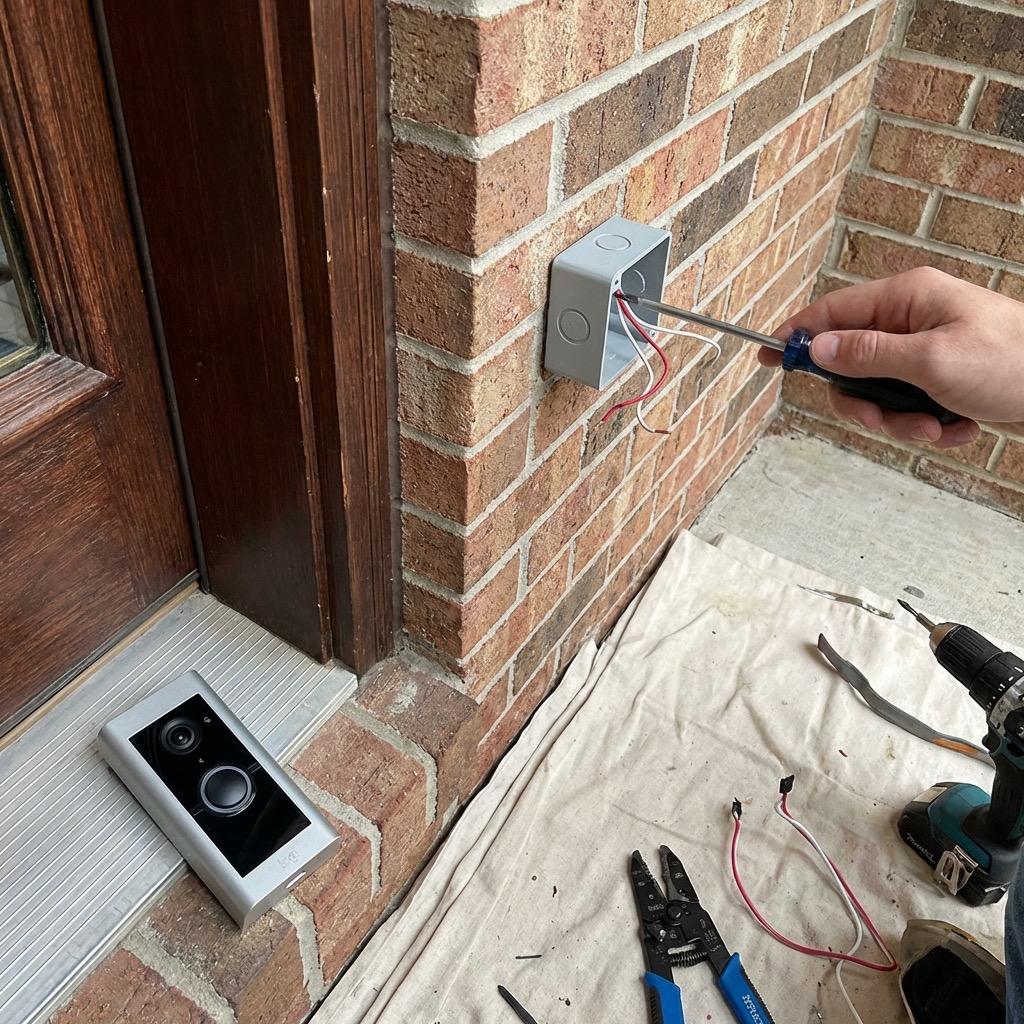
Some Northern Virginia homes, particularly newer townhomes and condos, lack traditional doorbell wiring entirely. In these cases, you have two options: install a battery-powered smart doorbell that requires no wiring, or hire an electrician to run new low-voltage doorbell wiring from a transformer location to the front door. Running new wire provides all the benefits of hardwired operation and is the better long-term investment. The work involves mounting a transformer near the electrical panel, routing low-voltage wire through the wall cavity to the doorbell location, and installing a chime unit along the way.
Need a smart doorbell installed or a transformer upgraded? AJ Long Electric has installed hundreds of smart doorbells in homes throughout Northern Virginia. From simple transformer upgrades to complete doorbell wiring installation in homes without existing infrastructure, our licensed electricians ensure your smart doorbell has the reliable power it needs to protect your home around the clock. Call us today to schedule your smart doorbell installation.
Tags:

Written by
Matt Long
Master Electrician
Our team of licensed electricians brings over 40 years of combined experience serving Northern Virginia. We're committed to providing expert electrical solutions with a focus on safety, quality, and customer satisfaction.
Reviewed by AJ Long Electric Master Electricians · VA License #2705031092 · View Credentials