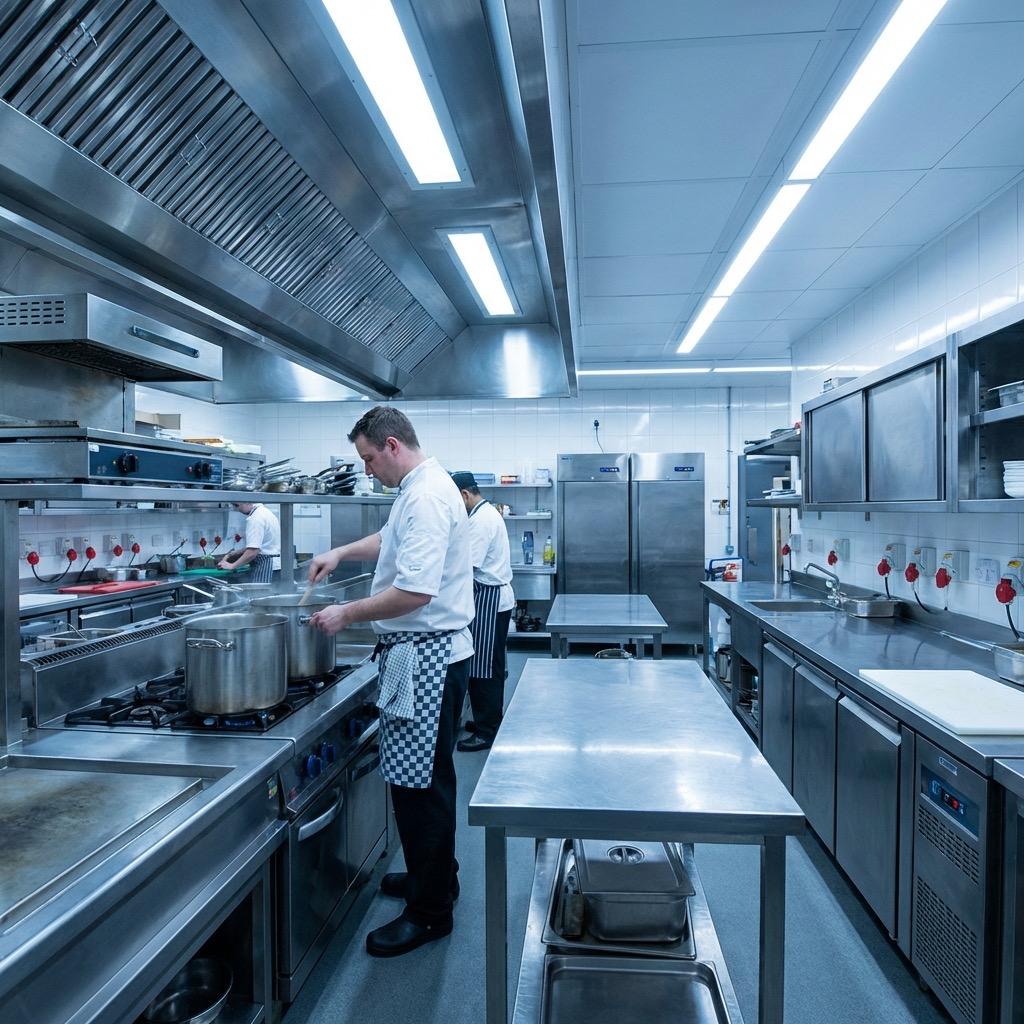
Restaurant kitchens present unique electrical challenges that demand specialized knowledge and careful planning. High-powered cooking equipment, demanding ventilation systems, refrigeration units, and constant exposure to moisture require specialized electrical installations that meet strict code requirements. Whether you are opening a new restaurant in Northern Virginia's booming food scene or upgrading an existing kitchen in the DMV area, understanding these requirements is essential for safety, code compliance, and passing health inspections.
Key Takeaways
- A typical full-service restaurant kitchen requires 150-400 kW of electrical capacity, necessitating substantial three-phase electrical service.
- GFCI protection is required for all 125V receptacles within 6 feet of sinks, dishwasher receptacles, countertop receptacles, and all outdoor receptacles.
- Major kitchen equipment requires individual branch circuits with lockable disconnect switches within sight of the equipment.
- Exhaust systems must interlock with makeup air units and fire suppression systems per code.
- All wiring methods in commercial kitchens must be rated for wet locations, and equipment frames must be properly grounded.
Understanding Commercial Kitchen Electrical Loads
Commercial kitchen equipment draws significantly more power than residential appliances. Here is a breakdown of typical power requirements:
- Commercial Range: 15,000-60,000 watts (often requires 208V or 480V three-phase)
- Convection Oven: 5,000-12,000 watts
- Deep Fryer: 5,000-15,000 watts per vat
- Walk-in Cooler: 1,500-5,000 watts
- Walk-in Freezer: 2,000-8,000 watts
- Commercial Dishwasher: 10,000-25,000 watts
- Exhaust Hood System: 1,000-5,000 watts
- Ice Machine: 1,000-3,000 watts
A typical full-service restaurant kitchen may require 150-400 kW of electrical capacity, necessitating substantial three-phase electrical service.
Three-Phase Power Requirements
Most commercial kitchens require three-phase electrical service for several reasons:
- High-powered equipment operates more efficiently on three-phase power
- Three-phase motors are smaller, more reliable, and last longer
- Power distribution is more balanced, reducing wire sizes and costs
- Many commercial appliances are only available in three-phase configurations
Common three-phase voltages include 208V (wye configuration) and 480V for larger equipment. Your electrical contractor will work with the utility to ensure adequate service is available at your location.
Important for NoVA Restaurant Owners: If your restaurant space is in an older shopping center or strip mall -- common in areas like Burke, Herndon, or Woodbridge -- the existing electrical service may not support a full commercial kitchen. Requesting a load study before signing your lease can save you from discovering a $50,000+ service upgrade requirement after you have already committed to the space.
NEC Requirements for Commercial Kitchens
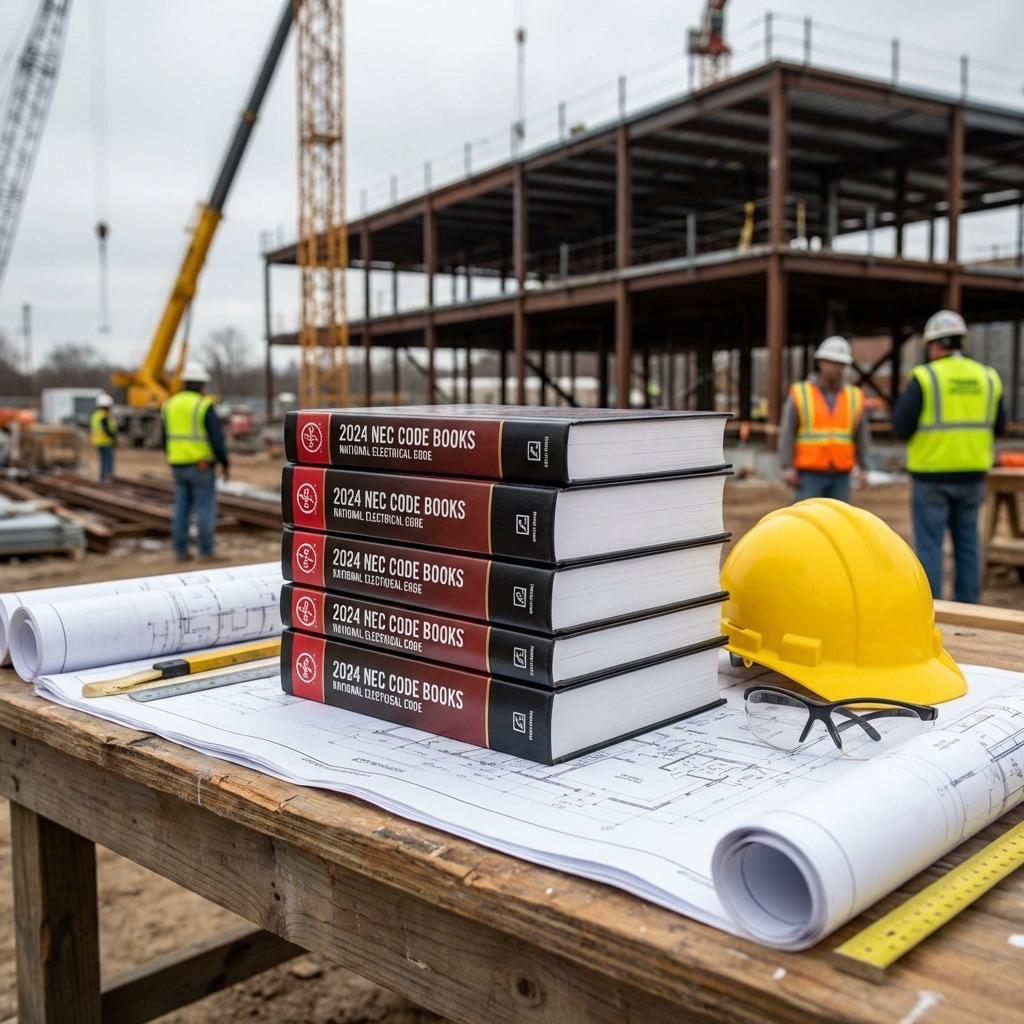
The National Electrical Code contains specific requirements for commercial kitchen installations that every restaurant owner and operator must understand:
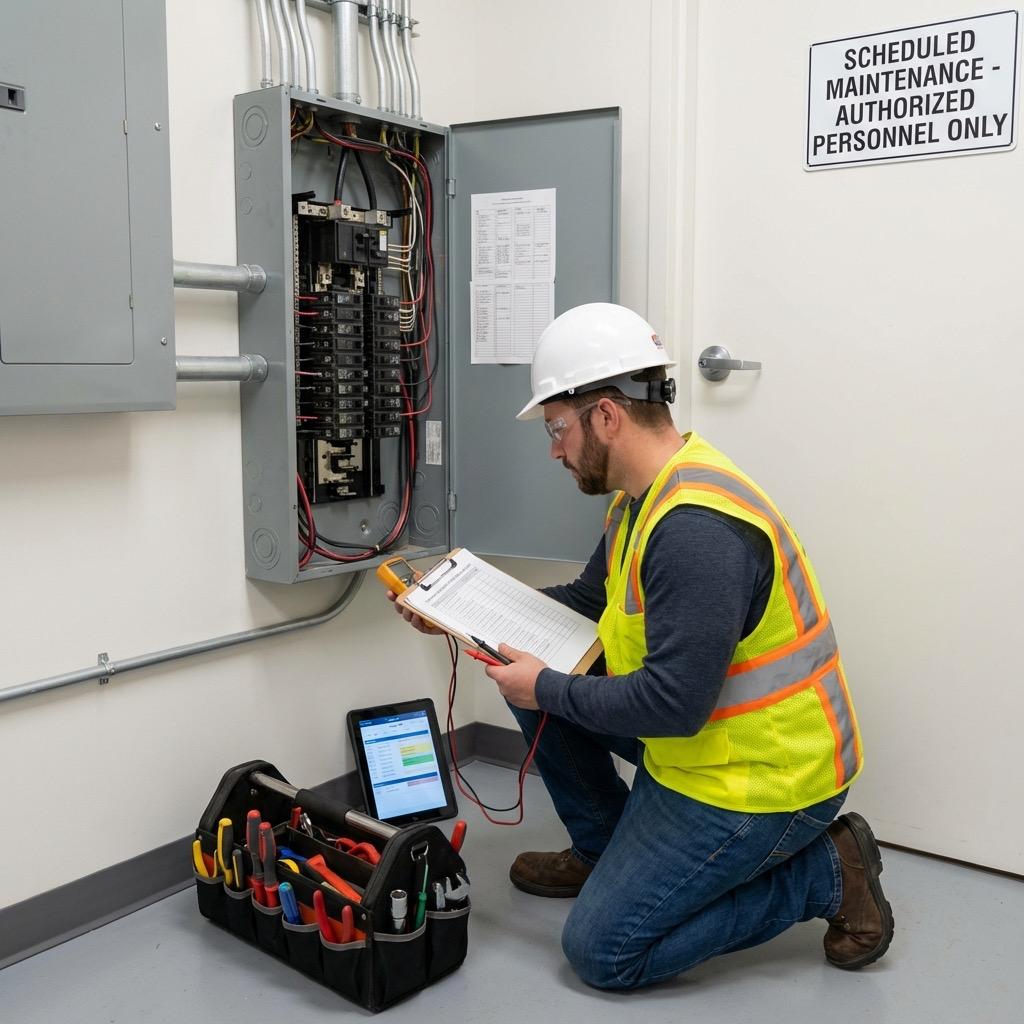
A professional electrical inspection identifies hidden hazards before they become emergencies. Our licensed electricians provide thorough safety inspections throughout Northern Virginia. Call (703) 997-0026 to schedule yours.
GFCI Protection (NEC 210.8)
Ground fault circuit interrupter protection is required for:
- All 125V, 15A and 20A receptacles within 6 feet of a sink
- Dishwasher receptacles regardless of location
- Receptacles serving countertop surfaces
- Outdoor receptacles
Dedicated Circuits
Major kitchen equipment requires individual branch circuits. This prevents a single tripped breaker from shutting down multiple pieces of equipment and ensures adequate power for each appliance.
Disconnect Requirements
Equipment rated over a specified amperage must have a lockable disconnect switch within sight of the equipment. This allows safe maintenance and emergency shutdown.
Motor Requirements
Motors in commercial kitchens (exhaust fans, compressors, mixers) must meet specific starting current, protection, and disconnect requirements per NEC Article 430.
Ventilation, Refrigeration, and Emergency Systems
Ventilation and Exhaust System Electrical
Commercial kitchen exhaust systems have specific electrical requirements:
- Interlocked Systems: Makeup air units must be interlocked with exhaust hoods so both operate together
- Fire Suppression Integration: Exhaust fans must shut down when fire suppression activates
- Variable Speed Drives: Many modern systems use VFDs for energy-efficient fan speed control
- Emergency Power: Some jurisdictions require exhaust systems on emergency power to clear smoke during fires
Refrigeration System Electrical
Walk-in coolers and freezers require careful electrical planning:
- Dedicated circuits sized for compressor starting current (typically 2-3x running current)
- Separate circuits for evaporator fans, door heaters, and lighting
- Alarm systems to notify staff of temperature excursions
- Consider UPS or generator backup to protect food inventory
Emergency and Standby Power
Many restaurants benefit from emergency or standby power systems:
- Emergency Power: Required for exit signs, emergency lighting, and fire alarm systems per code
- Standby Power: Optional generator backup for refrigeration, POS systems, and essential equipment prevents food spoilage and allows continued operation during outages
Proper transfer switch installation ensures seamless switchover and code-compliant separation of emergency and normal power systems.
Pro Tip: Northern Virginia experiences severe thunderstorms and occasional ice storms that can cause multi-hour power outages. A standby generator that keeps your walk-in cooler and freezer running can pay for itself after a single extended outage by preventing food spoilage. Many NoVA restaurants have adopted backup power after learning this lesson the hard way.
Electrical Safety in Wet Locations
Commercial kitchens are considered wet locations due to constant cleaning and food preparation activities:
- All wiring methods must be suitable for wet locations
- Receptacles must be weatherproof types with in-use covers
- Equipment must be rated for washdown or protected from direct water spray
- Metal equipment frames must be properly grounded
- Equipotential bonding may be required in some areas
Front-of-House Electrical and Energy Efficiency
Point-of-Sale and Front-of-House Electrical
While the kitchen demands the most power, front-of-house areas also require attention:
- POS stations need dedicated, protected circuits
- Display cases and warming equipment require appropriate circuits
- Decorative and ambient lighting creates dining atmosphere
- Music and AV systems need clean power to prevent interference
- Outdoor dining areas require weatherproof installations
Energy Efficiency Considerations
Restaurant electrical costs can be substantial. Consider these efficiency measures:
- Energy Star Equipment: Choose high-efficiency cooking and refrigeration equipment
- LED Lighting: Replace incandescent and fluorescent fixtures with LED
- Demand-Controlled Ventilation: Variable speed exhaust systems that adjust to actual cooking activity
- Power Factor Correction: Large motors benefit from power factor correction to reduce demand charges
- Energy Management Systems: Automated controls optimize equipment operation
The Permitting Process
Restaurant electrical work requires permits and inspections in all Northern Virginia jurisdictions. The process includes:
- Electrical plans prepared by a licensed professional
- Plan review by the building department
- Coordination with health department requirements
- Rough-in inspection before walls are closed
- Final electrical inspection
- Health department inspection before opening
In Fairfax County and Loudoun County, restaurant electrical plans typically require additional health department coordination that can add 1-2 weeks to the permitting timeline. Planning for this early keeps your opening date on track.
AJ Long Electric Restaurant Experience
AJ Long Electric has completed electrical installations for restaurants throughout Northern Virginia, from fast-casual concepts in Ashburn to fine dining establishments in Old Town Alexandria and bustling kitchens in the Mosaic District. We understand the unique demands of food service electrical systems and work closely with kitchen designers, equipment suppliers, and health inspectors to ensure successful projects.
Contact AJ Long Electric early in your restaurant project for electrical planning that supports your culinary vision while meeting all code requirements.
Tags:

Written by
Matt Long
Master Electrician
Our team of licensed electricians brings over 40 years of combined experience serving Northern Virginia. We're committed to providing expert electrical solutions with a focus on safety, quality, and customer satisfaction.
Reviewed by AJ Long Electric Master Electricians · VA License #2705031092 · View Credentials