Commercial electrical systems must adhere to strict codes and regulations that differ significantly from residential requirements. For business owners and property managers across Northern Virginia, Fairfax County, Loudoun County, and the broader DMV region, understanding the National Electrical Code (NEC) and local amendments is not optional -- it is a legal and safety obligation that protects your employees, customers, and investment.
Key Takeaways
- The 2024 NEC introduces expanded arc-fault protection, surge protection mandates, and updated EV charging infrastructure requirements for commercial buildings.
- Virginia typically adopts NEC updates within 12-18 months of publication, so businesses should plan ahead for compliance.
- Common violations include overloaded circuits, missing GFCI protection, inadequate working space around panels, and outdated emergency lighting.
- Non-compliance can result in fines, insurance voidance, forced shutdowns, and increased liability exposure.
- Partnering with a licensed commercial electrician ensures your property meets all federal, state, and local code requirements.
Understanding the National Electrical Code (NEC) for Commercial Buildings
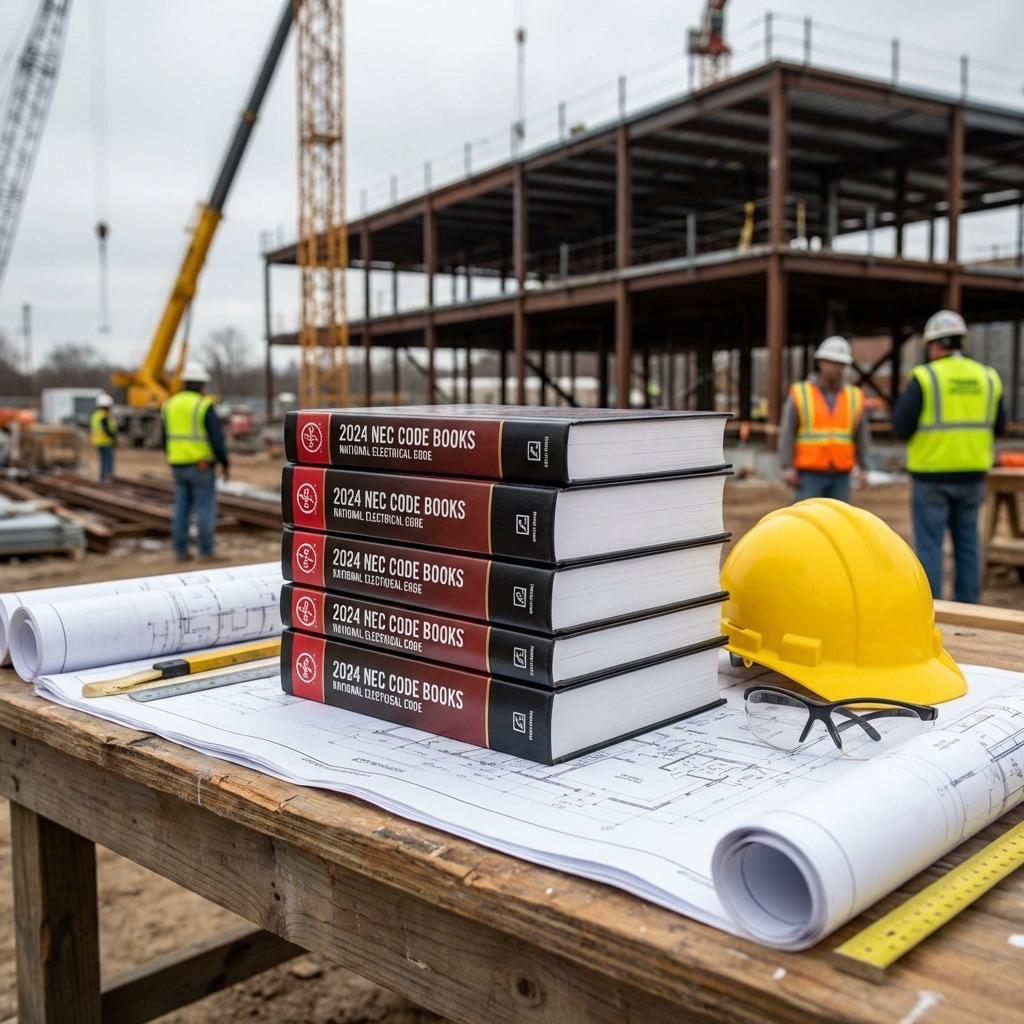
The NEC is updated every three years, with the 2024 edition introducing several important changes for commercial properties. These updates reflect advances in technology, lessons learned from electrical incidents, and evolving best practices in the industry. Virginia typically adopts NEC updates within 12-18 months of publication, meaning businesses need to stay informed about upcoming changes.
Key NEC articles that apply specifically to commercial installations include Article 210 (Branch Circuits), Article 220 (Branch-Circuit, Feeder, and Service Load Calculations), Article 230 (Services), and Article 250 (Grounding and Bonding). Each article contains detailed requirements that must be followed during installation, renovation, and maintenance.
How Virginia Adopts the NEC
Virginia adopts the NEC through the Virginia Uniform Statewide Building Code (VUSBC). Individual jurisdictions within Northern Virginia -- including Fairfax County, Arlington County, Prince William County, and Loudoun County -- may impose additional requirements beyond the state-adopted code. For example, Fairfax County often requires supplemental documentation for commercial electrical plan submissions. Working with a contractor who understands these local nuances is essential for a smooth permitting process.
Commercial vs. Residential Code Differences
Commercial electrical codes are generally more stringent than residential codes due to higher occupancy loads, increased electrical demands, and greater fire safety concerns. Some key differences include:
A professional electrical inspection identifies hidden hazards before they become emergencies. Our licensed electricians provide thorough safety inspections throughout Northern Virginia. Call (703) 997-0026 to schedule yours.
- Service Entrance Requirements: Commercial buildings typically require three-phase power and larger service entrance equipment rated for 200 amps to several thousand amps.
- Circuit Protection: Commercial installations often require ground fault protection on services over 1000 amps, arc-fault protection in specific areas, and more comprehensive overcurrent protection.
- Wiring Methods: Commercial buildings frequently require conduit systems (EMT, rigid, or flexible) rather than the NM cable commonly used in homes.
- Emergency Systems: Commercial buildings must have emergency lighting, exit signs, and often backup power systems that meet specific code requirements.
Did You Know? In Fairfax County, commercial buildings over 5,000 square feet are required to submit sealed electrical plans prepared by a licensed professional engineer or a master electrician. This requirement exceeds the base NEC and catches many out-of-state contractors off guard.
Key 2024 NEC Updates Affecting Commercial Properties
The 2024 NEC includes several updates that directly impact commercial electrical installations across the DMV region:
Enhanced Arc-Fault Protection
Arc-fault circuit interrupter (AFCI) requirements have expanded to include more commercial spaces. This technology helps prevent electrical fires by detecting dangerous arc faults that standard circuit breakers might miss. For businesses in older Northern Virginia buildings with aging wiring, AFCI upgrades are especially important.
Surge Protection Requirements
New requirements mandate surge protective devices (SPDs) at service equipment for commercial buildings. This protects sensitive electronic equipment and reduces the risk of equipment damage from power surges -- a common issue during the severe thunderstorms that frequently affect the Northern Virginia and DC metro area.
Electric Vehicle Charging Infrastructure
Updated requirements for EV charging stations in commercial parking areas include specifications for circuit sizing, load management systems, and accessibility standards. With the rapid growth of EV adoption in the DMV region, these provisions affect virtually every new commercial project.
Common Commercial Code Violations
During our commercial electrical inspections across Northern Virginia, we frequently encounter these code violations:
- Overloaded Circuits: Adding equipment without upgrading electrical capacity is a common issue in older commercial buildings, particularly in Tysons Corner, Reston, and other rapidly evolving business corridors.
- Missing Ground Fault Protection: GFCI requirements for commercial kitchens, bathrooms, and outdoor areas are often overlooked.
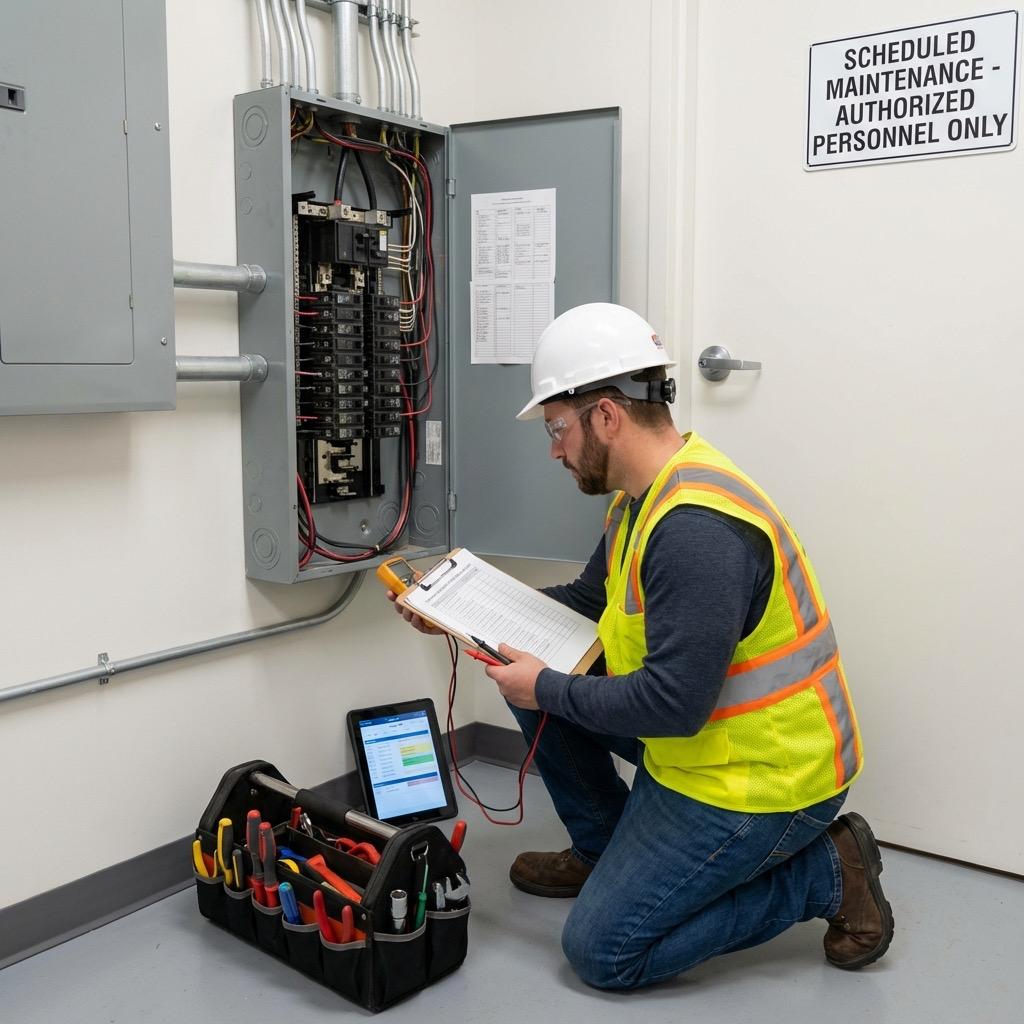
- Inadequate Working Space: NEC Article 110.26 requires specific clearances around electrical panels that are frequently violated by storage or equipment placement.
- Improper Wiring Methods: Using residential-grade wiring methods in commercial applications violates code and creates safety hazards.
- Outdated Exit and Emergency Lighting: Many businesses fail to maintain these critical life safety systems.
Pro Tip: Schedule an annual walk-through of your electrical rooms and closets. Remove any storage that has crept within 36 inches of electrical panels. This is the single most common violation we find during commercial inspections in the NoVA area, and it is also one of the easiest to prevent.
The Permit and Inspection Process
Any significant commercial electrical work in Northern Virginia requires permits and inspections. The process typically involves:
- Plan Submission: Detailed electrical plans must be submitted to the local building department for review.
- Plan Review: Officials verify the proposed work meets all applicable codes.
- Permit Issuance: Once approved, a permit is issued authorizing the work.
- Rough-In Inspection: Wiring is inspected before walls are closed.
- Final Inspection: Completed work is inspected to ensure code compliance.
In Fairfax County, plan review for commercial projects typically takes 2-4 weeks. Loudoun County and Prince William County generally have comparable timelines, though processing times vary by season and project complexity.
Industry-Specific Code Requirements
Different commercial sectors have unique electrical code requirements:
Healthcare Facilities
Hospitals and medical offices must meet Article 517 requirements, including essential electrical systems, isolated power systems, and specific grounding requirements for patient care areas. Northern Virginia's growing healthcare corridor, including Inova and Virginia Hospital Center facilities, demands strict adherence to these specialized codes.
Assembly Occupancies
Restaurants, theaters, and other assembly spaces must comply with Article 518, which addresses emergency systems, dimmable lighting controls, and portable equipment requirements.
Hazardous Locations
Businesses handling flammable materials must follow Articles 500-516, which specify explosion-proof equipment and special wiring methods.
Maintaining Code Compliance
Staying compliant requires ongoing attention:
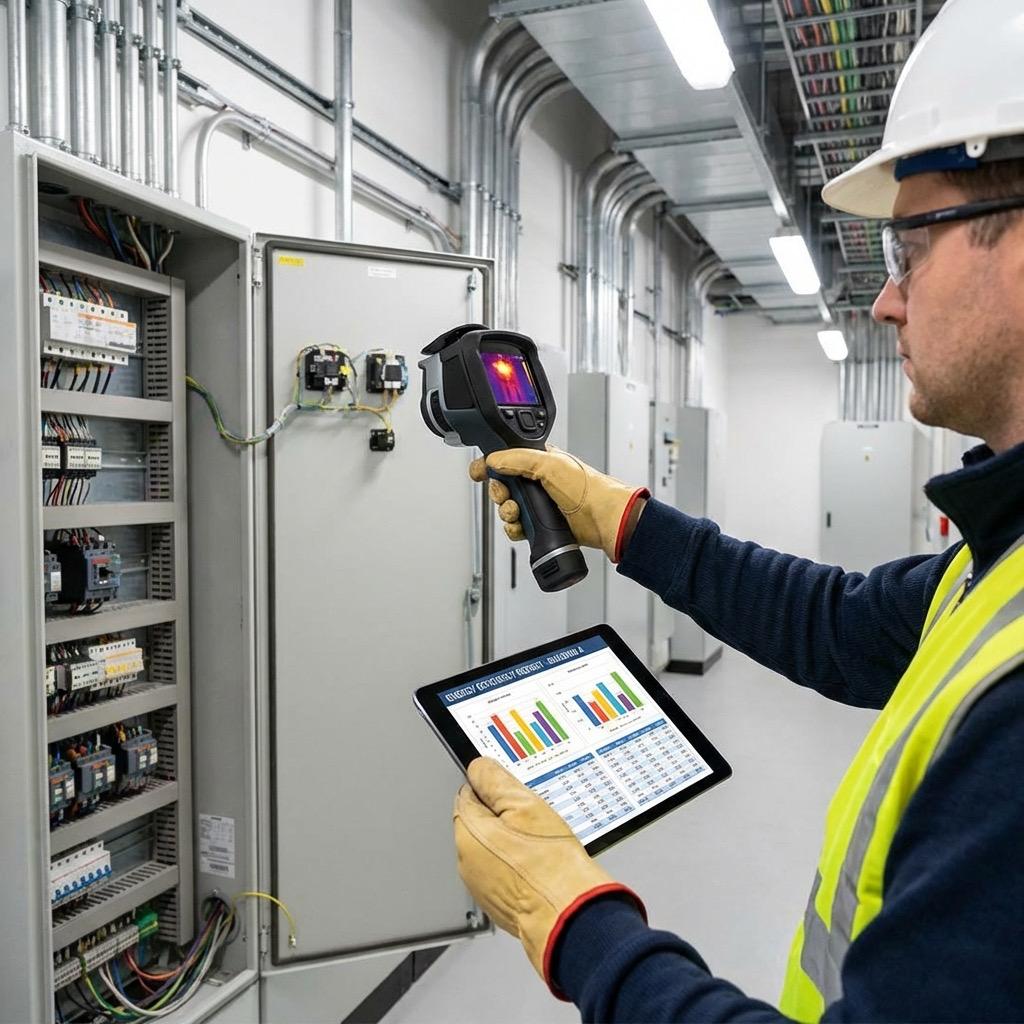
- Schedule annual electrical inspections with a licensed commercial electrician
- Document all electrical work and keep permits on file
- Train staff to report electrical issues promptly
- Update systems when codes change or equipment ages
- Work only with licensed, insured electrical contractors familiar with commercial codes
Consequences of Non-Compliance
Failing to meet electrical codes can result in serious consequences:
- Fire Hazards: Electrical issues are a leading cause of commercial fires.
- Liability Issues: Non-compliant electrical systems can void insurance coverage and expose owners to lawsuits.
- Business Interruption: Inspectors can shut down operations until violations are corrected.
- Fines and Penalties: Local jurisdictions impose substantial fines for code violations.
Partner with Commercial Electrical Experts
At AJ Long Electric, we specialize in commercial electrical code compliance throughout Northern Virginia, including Fairfax, Loudoun, Prince William, and Arlington counties. Our master electricians stay current on NEC updates and local requirements, ensuring your business meets all applicable codes. Whether you need a compliance audit, new installation, or system upgrade, we provide professional service that protects your business and keeps you operating safely.
Contact AJ Long Electric today to schedule a commercial electrical inspection and ensure your property meets current code requirements. Call us or fill out our online form to get started.
Tags:

Written by
Matt Long
Master Electrician
Our team of licensed electricians brings over 40 years of combined experience serving Northern Virginia. We're committed to providing expert electrical solutions with a focus on safety, quality, and customer satisfaction.
Reviewed by AJ Long Electric Master Electricians · VA License #2705031092 · View Credentials