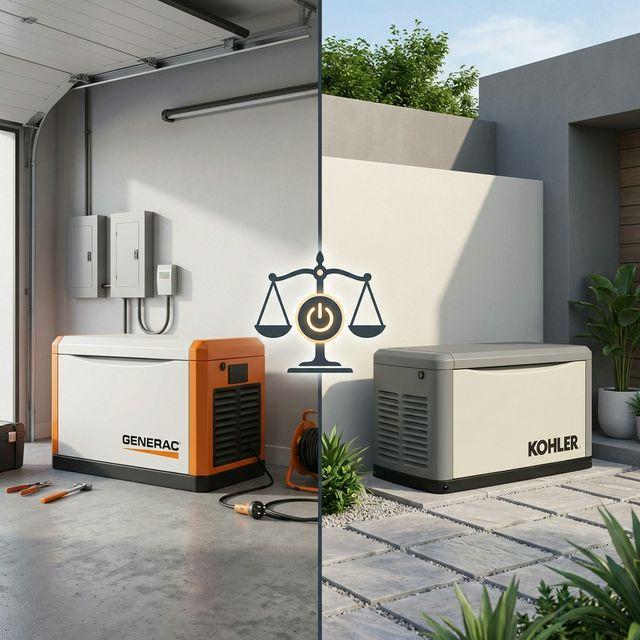
When power outages hit Northern Virginia, having backup power can make all the difference. But should you invest in a permanently installed standby generator or stick with a portable unit? Let's compare these two options across every factor that matters.
Key Takeaways
- Portable generators cost $500-$2,000 but require manual setup, fuel storage, and extension cords.
- Standby generators cost $5,000-$15,000+ installed but start automatically and power your whole home.
- Portables produce carbon monoxide and must be placed 20+ feet from the home with exhaust pointing away.
- Standby generators add home value and may reduce insurance premiums in storm-prone areas.
Understanding the Basics
Portable Generators
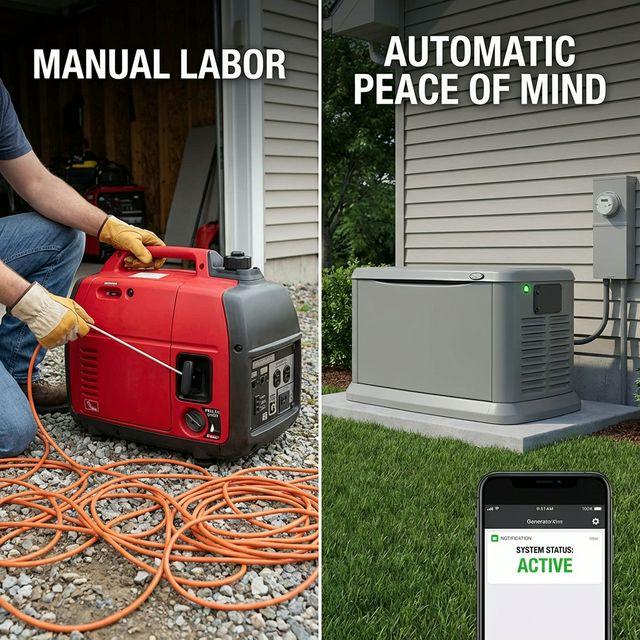
Portable generators are standalone units that run on gasoline (some on propane). You wheel them out during an outage, start them manually, and connect appliances via extension cords or through a manual transfer switch.
Standby Generators
Standby generators are permanently installed outside your home, connected to natural gas or propane. They start automatically when power fails and power your entire home (or selected circuits) through an automatic transfer switch.
Key Consideration: If anyone in your household depends on medical equipment, a standby generator with automatic transfer switch provides life-saving protection that a portable generator cannot match.
Power Capacity Comparison
Portable Generator Power
- Typical range: 3,000-12,000 watts
- Best for: Refrigerator, sump pump, some lights, phone charging
- Limitations: Cannot power central AC, whole-house coverage
Standby Generator Power
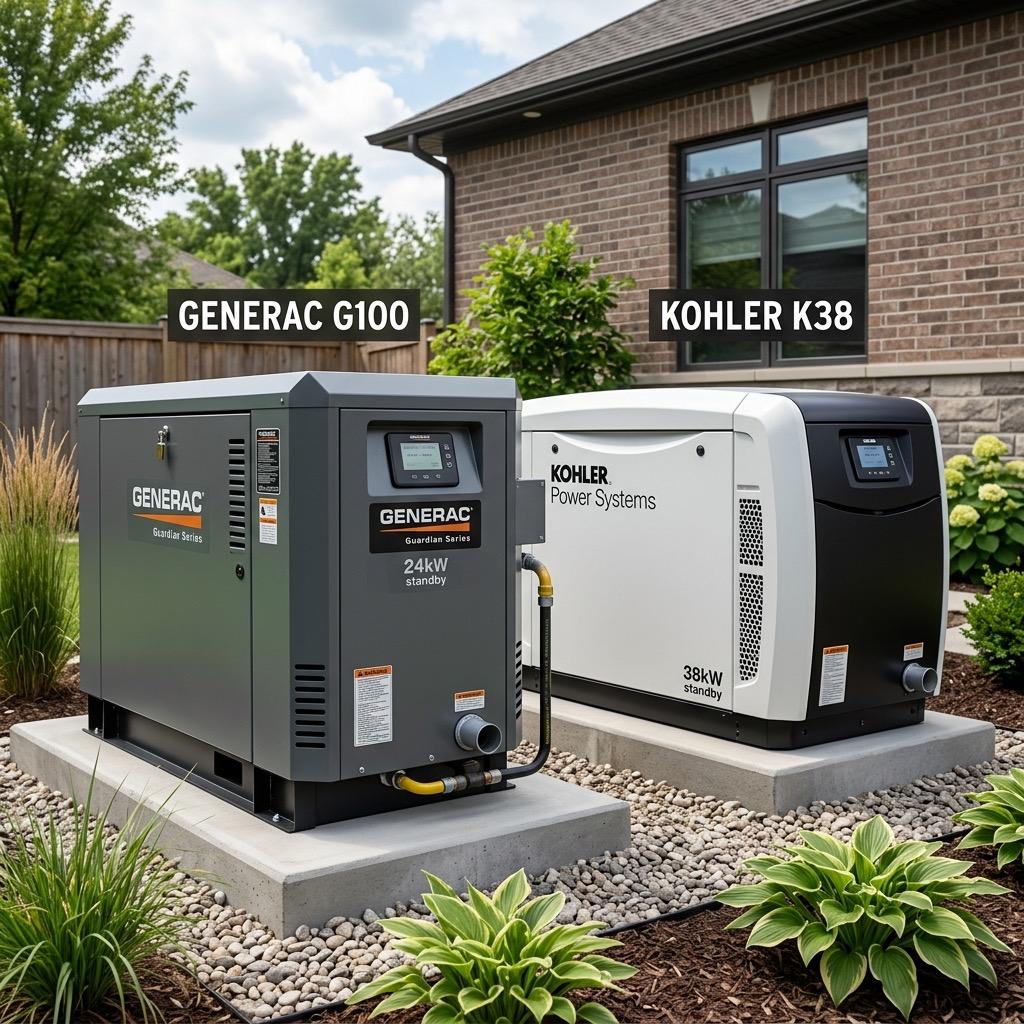
- Typical range: 10,000-48,000 watts
- Best for: Entire home including HVAC, all appliances
- Capability: Can power everything simultaneously
Convenience and Automation
Portable Generator Operation
When the power goes out, you must:
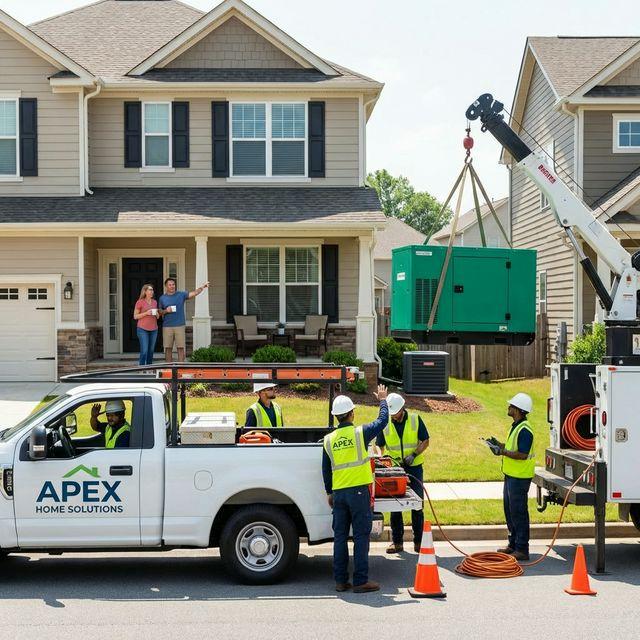
Never lose power again. We are authorized Generac installers serving all of Northern Virginia. From sizing to installation to maintenance, we handle every step. Call (703) 997-0026 for a free in-home assessment.
- Go outside (in any weather)
- Roll out and position the generator
- Ensure you have fresh gasoline
- Start the generator manually (pull cord or electric start)
- Run extension cords to appliances
- Or flip a manual transfer switch
- Refuel every 6-12 hours
- Secure generator from theft
Standby Generator Operation
When the power goes out:
- Transfer switch detects outage automatically
- Generator starts within 10-30 seconds
- Your home has power—you might not even notice the outage
- Works when you're away from home
- Runs as long as needed (natural gas) or until tank empty (propane)
- Transfers back automatically when utility returns
Safety Considerations
Portable Generator Risks
- Carbon monoxide poisoning: Leading cause of generator-related deaths. Must run outdoors, away from windows and doors
- Backfeed danger: Improper connection can electrocute utility workers
- Fuel handling: Storing gasoline, refueling hot generators
- Electrocution: Operating in wet conditions
- Theft: Portable units are targets during extended outages
Standby Generator Safety
- Automatic transfer switch: Prevents backfeed completely
- Outdoor installation: Exhaust is never near living spaces
- No fuel handling: Connected to gas line or large propane tank
- Professional installation: Code-compliant, inspected
- Permanently secured: Cannot be stolen
Cost Comparison
Portable Generator Costs
- Generator purchase: $500-$3,000
- Manual transfer switch (optional): $500-$1,500 installed
- Extension cords: $50-$200
- Fuel storage: $50-$100
- Total initial cost: $600-$5,000
Standby Generator Costs
- Generator and ATS: $4,000-$15,000
- Installation: $3,000-$10,000
- Permits: $200-$500
- Total installed cost: $8,000-$25,000+
Long-Term Costs
- Portable maintenance: DIY oil changes, carburetor cleaning
- Standby maintenance: $200-$500/year professional service
- Portable fuel: Gasoline degrades, requires stabilizer
- Standby fuel: Natural gas/propane doesn't degrade
Reliability and Lifespan
Portable Generators
- Lifespan: 1,000-2,000 hours of operation (5-10 years typical)
- Reliability: May not start after sitting unused for months
- Common issues: Carburetor problems, stale fuel, dead battery
Standby Generators
- Lifespan: 10,000-30,000 hours (20-30 years with maintenance)
- Reliability: Weekly exercise ensures readiness
- Common issues: Battery failure (easily addressed in maintenance)
Home Value Impact
Portable Generator
A portable generator adds no value to your home—it goes with you when you move.
Standby Generator
A professionally installed standby generator typically adds $5,000-$15,000 to home value, often recovering 50-75% of installation cost at resale. It's a selling feature in Northern Virginia's competitive market.
When Portable Makes Sense
- Tight budget (under $2,000)
- Renting your home
- Planning to move soon
- Only need to power essentials briefly
- Have ability to manage refueling and operation
- No natural gas available and limited propane options
When Standby Is the Better Choice
- You want whole-house backup power
- Someone in the home has medical needs
- You work from home
- You travel frequently
- You have a sump pump protecting a finished basement
- You want set-it-and-forget-it reliability
- Power outages are common in your area
- You plan to stay in your home long-term
Make the Right Choice
Both portable and standby generators have their place. At AJ Long Electric, we help Northern Virginia homeowners evaluate their specific needs and make the right choice. If you decide a standby generator is right for you, we provide complete turnkey installation with transparent pricing.
Contact us for a free consultation. We'll assess your home, discuss your priorities, and help you decide which backup power solution makes the most sense for your situation.
Tags:

Written by
Matt Long
Master Electrician
Our team of licensed electricians brings over 40 years of combined experience serving Northern Virginia. We're committed to providing expert electrical solutions with a focus on safety, quality, and customer satisfaction.
Reviewed by AJ Long Electric Master Electricians · VA License #2705031092 · View Credentials