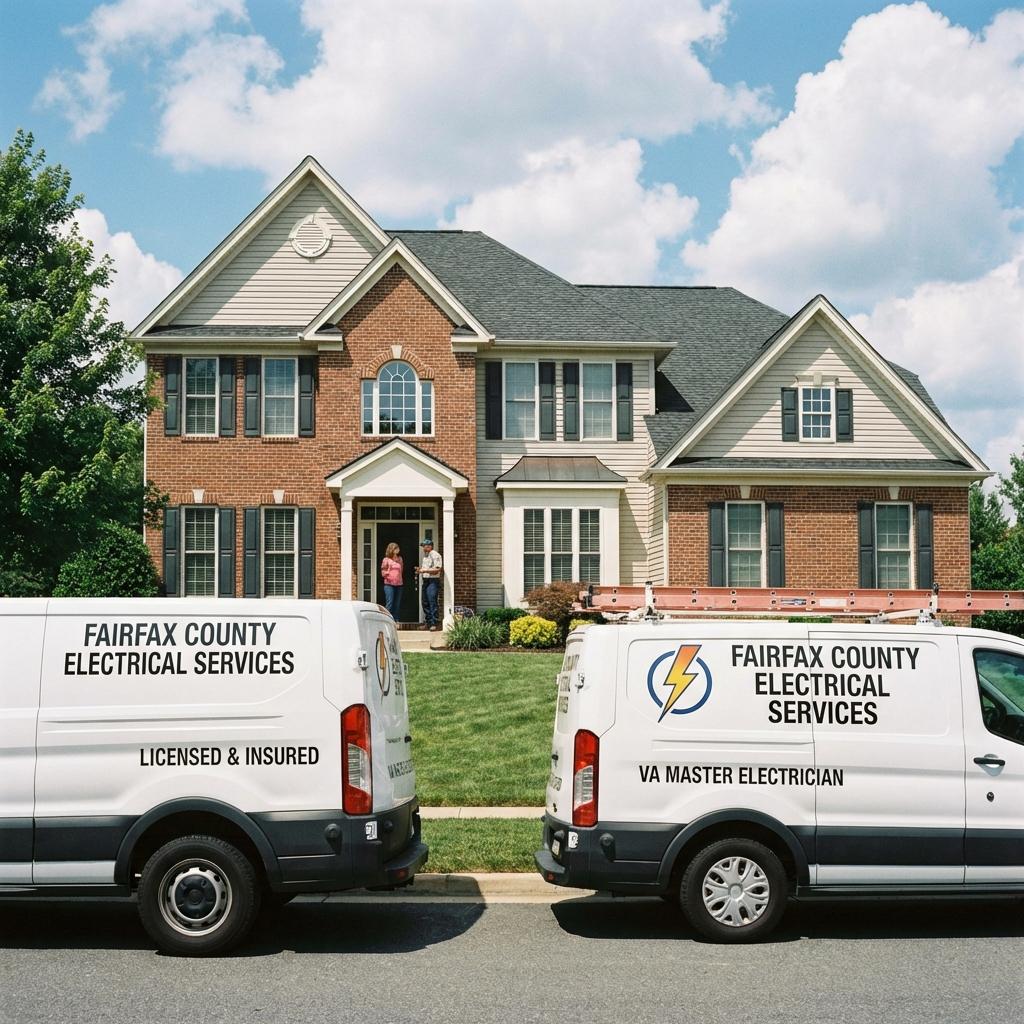
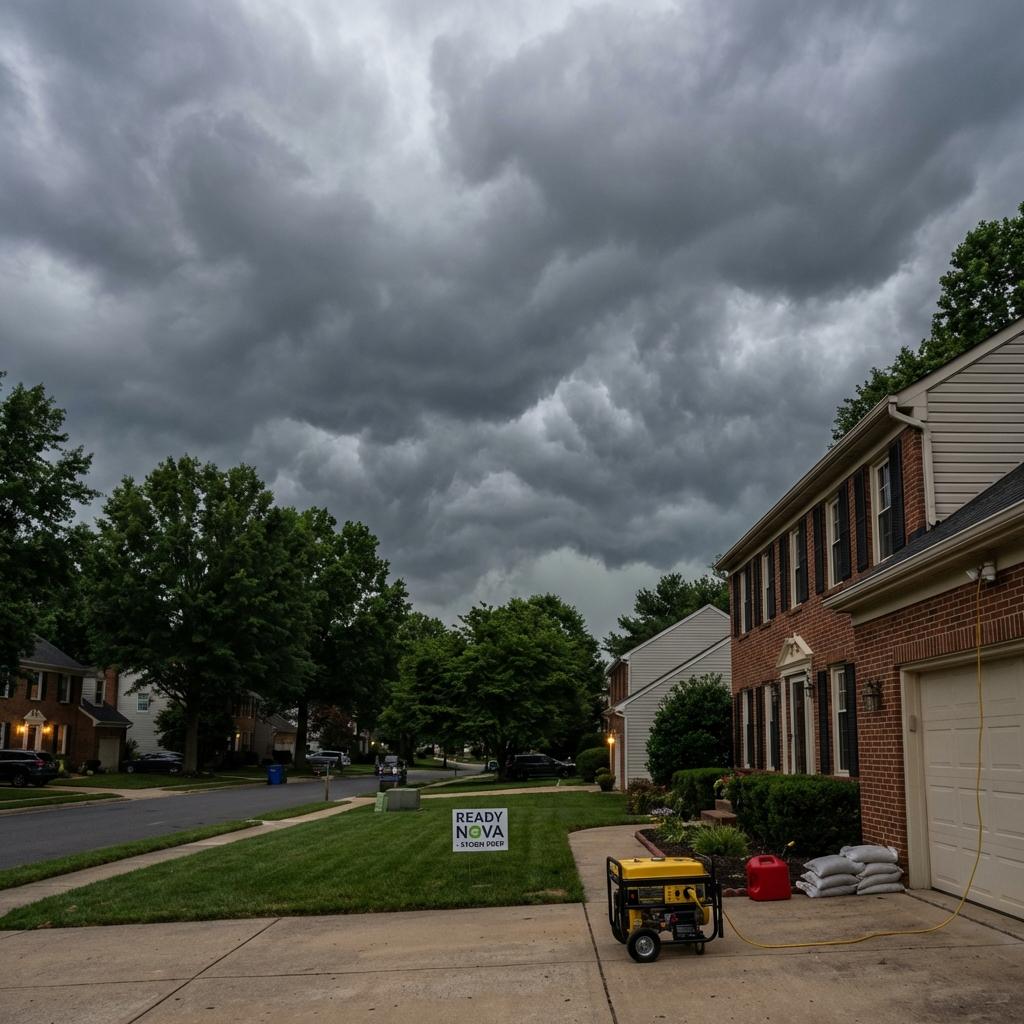
Northern Virginia's lush tree canopy, rolling terrain, and proximity to major weather systems moving up the East Coast create a perfect storm, quite literally, for power outages that can last anywhere from a few hours to well over a week. The devastating derecho of June 2012 left more than a million Dominion Energy customers without power, with some Northern Virginia homes dark for ten days or more. Since then, summer thunderstorms, remnants of tropical systems, winter ice storms, and even the occasional northeaster have repeatedly demonstrated that extended power outages are not rare events but a regular feature of life in the DMV region. For Northern Virginia homeowners, storm preparedness is not just about flashlights and bottled water; it is about having a comprehensive electrical strategy that protects your family, your home, and your investment through generator systems, battery backup solutions, whole-home surge protection, and proper maintenance of your electrical infrastructure.
Key Takeaways
- Northern Virginia homeowners experience an average of two to four significant power outages per year, with some storms causing outages lasting days or even weeks.
- Whole-home standby generators provide automatic backup power within seconds of an outage, running on natural gas or propane for unlimited duration.
- Battery backup systems like Tesla Powerwall offer silent, emission-free backup power that can be paired with solar panels for extended independence from the grid.
- Whole-home surge protection prevents damage to electronics and appliances from voltage spikes caused by lightning strikes and utility switching during storms.
- Generator installations require permits from your local jurisdiction (Fairfax County, Loudoun County, Arlington County, etc.) and must comply with setback, noise, and fuel line requirements.
Understanding Northern Virginia's Storm Risk
Northern Virginia sits at the intersection of several weather patterns that produce frequent and sometimes severe storm events. Understanding these risks helps homeowners make informed decisions about backup power investments.
Summer Thunderstorms and Derechos
The warm, humid summer months from June through September produce frequent thunderstorms that can generate high winds, heavy rain, and lightning. Most of these storms cause brief outages lasting minutes to hours, but occasionally a severe thunderstorm complex or derecho produces straight-line winds exceeding 70 miles per hour that topple trees across power lines throughout the region. The 2012 derecho remains the benchmark event, but smaller-scale storms cause multi-day outages in Northern Virginia neighborhoods with regularity every summer.
Tropical Storm Remnants
The remnants of tropical systems that move up the East Coast periodically affect Northern Virginia with sustained heavy rain and wind. While Northern Virginia rarely experiences full hurricane-force conditions, tropical storm-strength winds combined with saturated soil cause extensive tree damage and prolonged outages. These events are particularly dangerous because they often arrive when the ground is already saturated from earlier rainfall, making trees more susceptible to uprooting.
Winter Ice Storms
Ice storms are among the most destructive events for Northern Virginia's power infrastructure. Even a quarter inch of ice accumulation adds enormous weight to trees and power lines, causing branches to snap and lines to sag or break. Ice storm outages can be especially prolonged because the same conditions that cause the damage also make repair work dangerous and slow. Winter outages add the urgency of heating, making backup power even more critical than during summer events.
Whole-Home Standby Generators
A whole-home standby generator is the most comprehensive backup power solution available to Northern Virginia homeowners. These permanently installed units provide automatic backup power within seconds of an outage, requiring no homeowner intervention whatsoever.
Never lose power again. We are authorized Generac installers serving all of Northern Virginia. From sizing to installation to maintenance, we handle every step. Call (703) 997-0026 for a free in-home assessment.
How Standby Generators Work
A standby generator consists of the generator unit itself, installed on a concrete or composite pad adjacent to the home, connected to the home's electrical system through an automatic transfer switch installed at the main electrical panel. When the transfer switch detects a loss of utility power, it automatically starts the generator and transfers the home's electrical load from the utility to the generator. The entire process takes 10 to 30 seconds. When utility power is restored, the transfer switch automatically transfers the load back to the utility and shuts down the generator.
Generator Sizing for Northern Virginia Homes
Proper generator sizing is critical for reliable whole-home backup. An undersized generator will overload when multiple major loads start simultaneously, while an oversized generator wastes fuel and increases cost unnecessarily. For a typical Northern Virginia home of 2,000 to 3,000 square feet with central air conditioning, a standard kitchen, a few large appliances, and typical lighting and electronics loads, a generator in the 20 to 24 kilowatt range provides comfortable whole-home coverage. Larger homes of 3,500 to 5,000 square feet, homes with multiple HVAC systems, or properties with swimming pools and extensive outdoor electrical loads may require 30 to 48 kilowatt generators.
Load management systems allow smaller generators to provide whole-home coverage by automatically shedding non-critical loads when demand exceeds generator capacity. For example, a load management system might temporarily delay the air conditioner compressor from starting when the electric dryer is running, then restore the air conditioning once the dryer cycle reduces its demand. These systems enable effective whole-home coverage with a more moderately sized generator.
Fuel Options
Natural gas is the most popular fuel choice for Northern Virginia generators, as Washington Gas serves most of the region's developed areas. Natural gas provides an unlimited fuel supply with no on-site storage requirements, making it the most convenient option during extended outages when propane deliveries might be delayed. For homes without natural gas service, propane generators with on-site storage tanks provide reliable backup. Propane tanks range from 250 to 1,000 gallons for residential installations, with a 500-gallon tank providing several days of continuous generator operation for a typical home.
When selecting a generator fuel source, consider your home's existing utility connections. If you have natural gas for heating or cooking, natural gas is the obvious choice for your generator, requiring only a new gas line from the meter to the generator location. If your home uses propane for any appliance, you may already have a propane supply that can be upgraded to serve a generator. Starting with an existing fuel infrastructure saves installation cost and simplifies the project.
Battery Backup Systems
Battery backup systems have emerged as a compelling alternative to traditional generators, particularly for Northern Virginia homeowners who value silent operation, environmental sustainability, and the ability to pair backup power with solar energy systems.
How Battery Systems Work
Home battery systems like the Tesla Powerwall, Enphase IQ Battery, and Generac PWRcell store electricity from either the grid or rooftop solar panels in lithium-ion battery packs installed in the garage, basement, or on an exterior wall. During a power outage, the battery system automatically disconnects from the grid and powers the home from stored energy. The transition is instantaneous, with no interruption to power delivery.
Capacity and Limitations
A single Tesla Powerwall provides approximately 13.5 kilowatt-hours of usable energy storage, enough to power essential loads like refrigeration, lighting, internet equipment, and phone charging for approximately 12 to 24 hours depending on usage. Multiple batteries can be stacked to increase capacity, with two Powerwalls providing roughly double the backup duration. For homeowners with rooftop solar panels, batteries recharge during daylight hours, potentially extending backup duration indefinitely for essential loads as long as solar production is sufficient.
Battery systems cannot match generators for powering large loads like central air conditioning during extended outages. A typical battery installation supports essential circuits rather than whole-home coverage. However, for outages lasting less than 24 hours, which represent the majority of Northern Virginia outage events, battery backup provides comfortable coverage for essential needs.
Solar Integration
Northern Virginia homeowners with existing or planned rooftop solar panels should strongly consider battery backup as a complement to their solar investment. Without batteries, grid-tied solar systems shut down during power outages as a safety requirement, meaning your solar panels produce zero power precisely when you need it most. Adding battery storage allows the solar system to continue generating and storing electricity during outages, creating a self-sustaining power island that can maintain essential loads for extended periods.
The federal Investment Tax Credit applies to battery storage systems installed alongside or connected to solar panel systems, providing a significant tax credit on the total installation cost. Virginia state incentives may also be available. These incentives can offset a substantial portion of the battery system investment. Consult with your electrician and tax advisor about current incentive programs when planning your battery backup installation.
Whole-Home Surge Protection
Storms do not just cause outages; they also produce voltage surges that can damage or destroy electronics and appliances. Lightning strikes, even those hitting power lines miles from your home, can send voltage spikes through the electrical system that overwhelm the delicate circuits in modern electronics. Utility switching during and after storms creates additional surge events as sections of the power grid are energized and de-energized.
How Whole-Home Surge Protection Works
A whole-home surge protection device is installed at the main electrical panel and monitors the incoming power for voltage spikes. When a surge is detected, the device diverts the excess energy to ground before it can reach your home's branch circuits. Quality surge protection devices from manufacturers like Eaton, Siemens, and Leviton provide protection levels measured in thousands of joules of surge absorption capacity and can handle multiple surge events before replacement is needed.
Layered Protection
For maximum protection, combine whole-home surge protection at the panel with point-of-use surge protectors at sensitive equipment locations. The panel-mounted device handles the large surges, while point-of-use devices provide additional filtering for the smaller surges and electrical noise that can degrade electronics performance over time. This layered approach provides comprehensive protection for everything from your HVAC system to your home theater equipment.
Permit Requirements Across Northern Virginia Jurisdictions
Generator installations in Northern Virginia require permits from the jurisdiction where the property is located. Fairfax County, Loudoun County, Arlington County, the City of Alexandria, and other jurisdictions each have their own permit processes, setback requirements, and noise ordinance considerations. Additionally, gas line connections require separate mechanical or plumbing permits. Our team handles all permit applications and coordination for every Northern Virginia jurisdiction we serve, ensuring full compliance and smooth project execution.
AJ Long Electric: Your Northern Virginia Storm Preparedness Partner
AJ Long Electric has helped hundreds of Northern Virginia homeowners prepare for storms with generator installations, battery backup systems, surge protection, and comprehensive electrical system maintenance. We serve every community in the region, from Fairfax and Arlington to Loudoun County and beyond, bringing deep familiarity with local permit processes, utility coordination requirements, and the specific storm vulnerabilities of each area. Do not wait for the next major storm to discover your home is unprepared. Contact AJ Long Electric today for a storm preparedness assessment and learn which backup power solution is right for your Northern Virginia home.
Tags:

Written by
AJ Long Electric Team
Licensed Electricians
Our team of licensed electricians brings over 40 years of combined experience serving Northern Virginia. We're committed to providing expert electrical solutions with a focus on safety, quality, and customer satisfaction.
Reviewed by AJ Long Electric Master Electricians · VA License #2705031092 · View Credentials