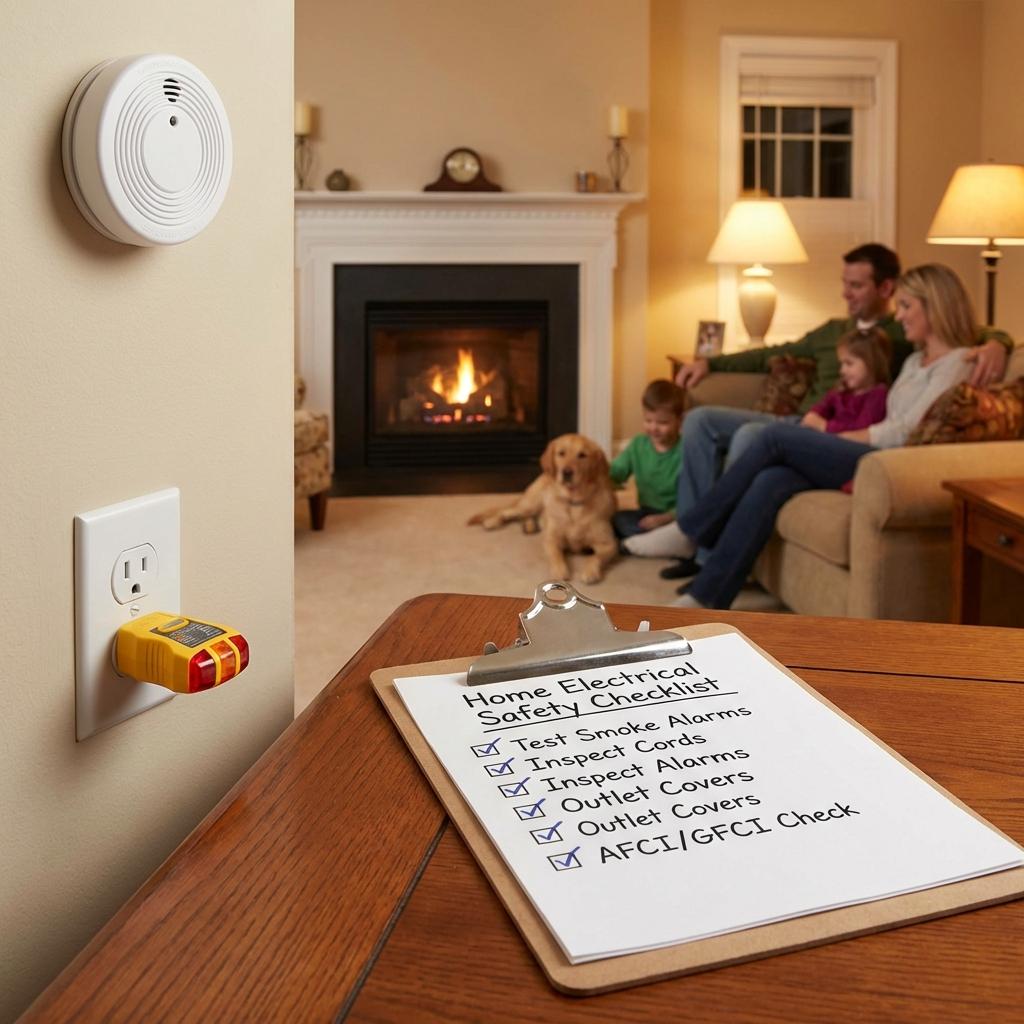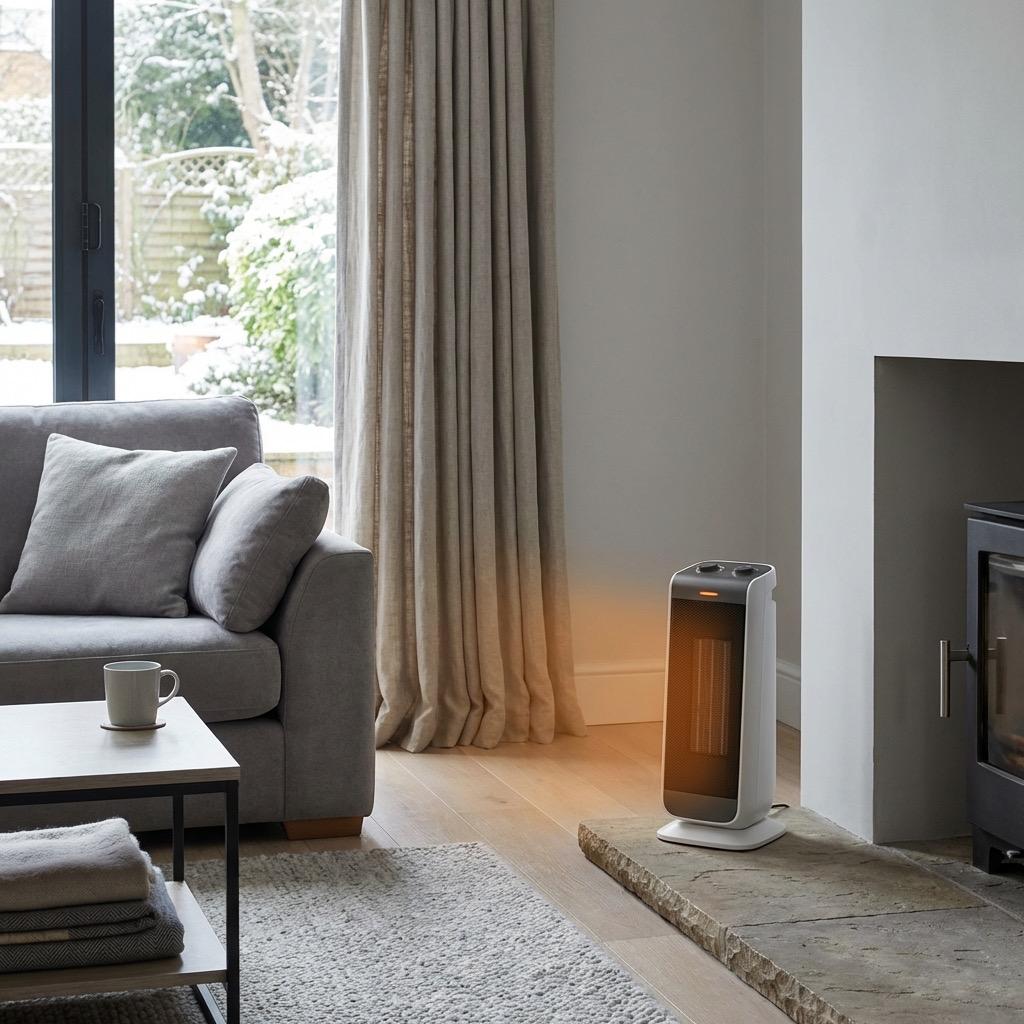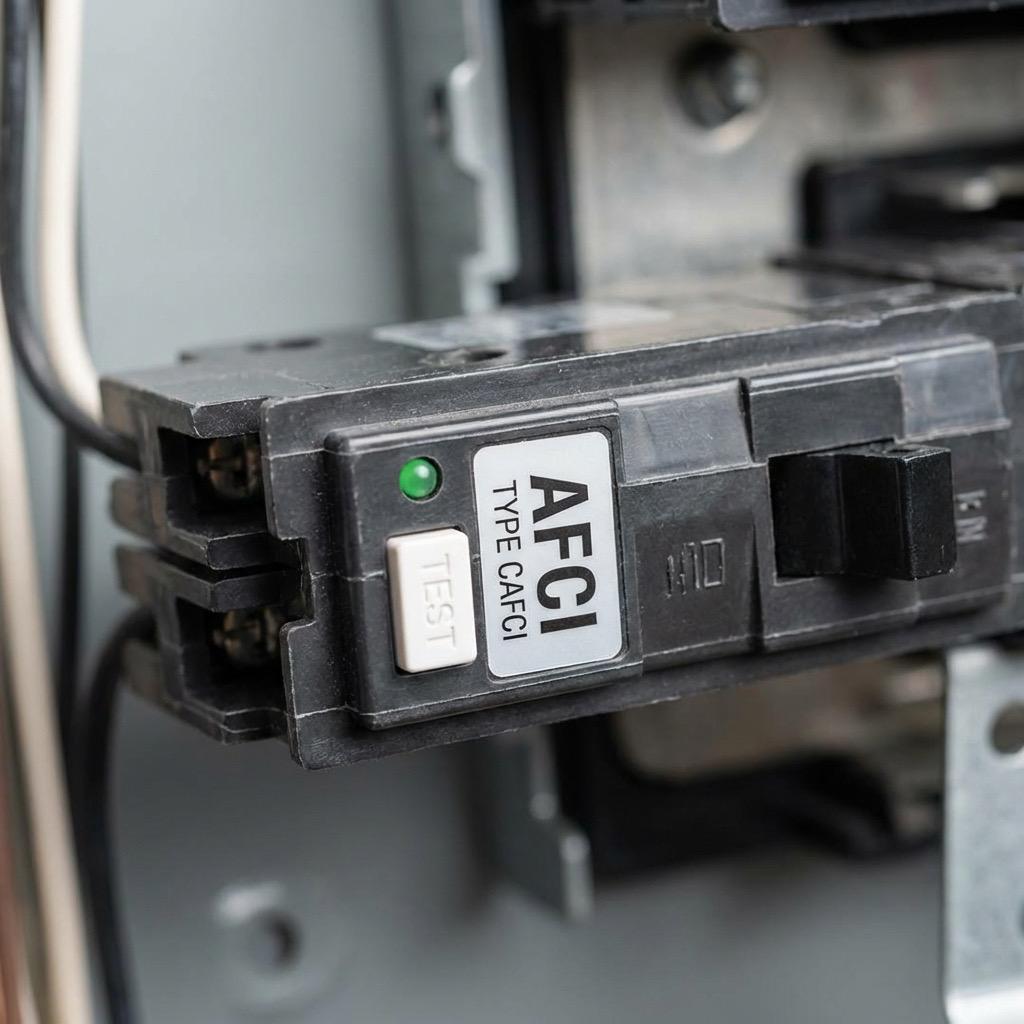
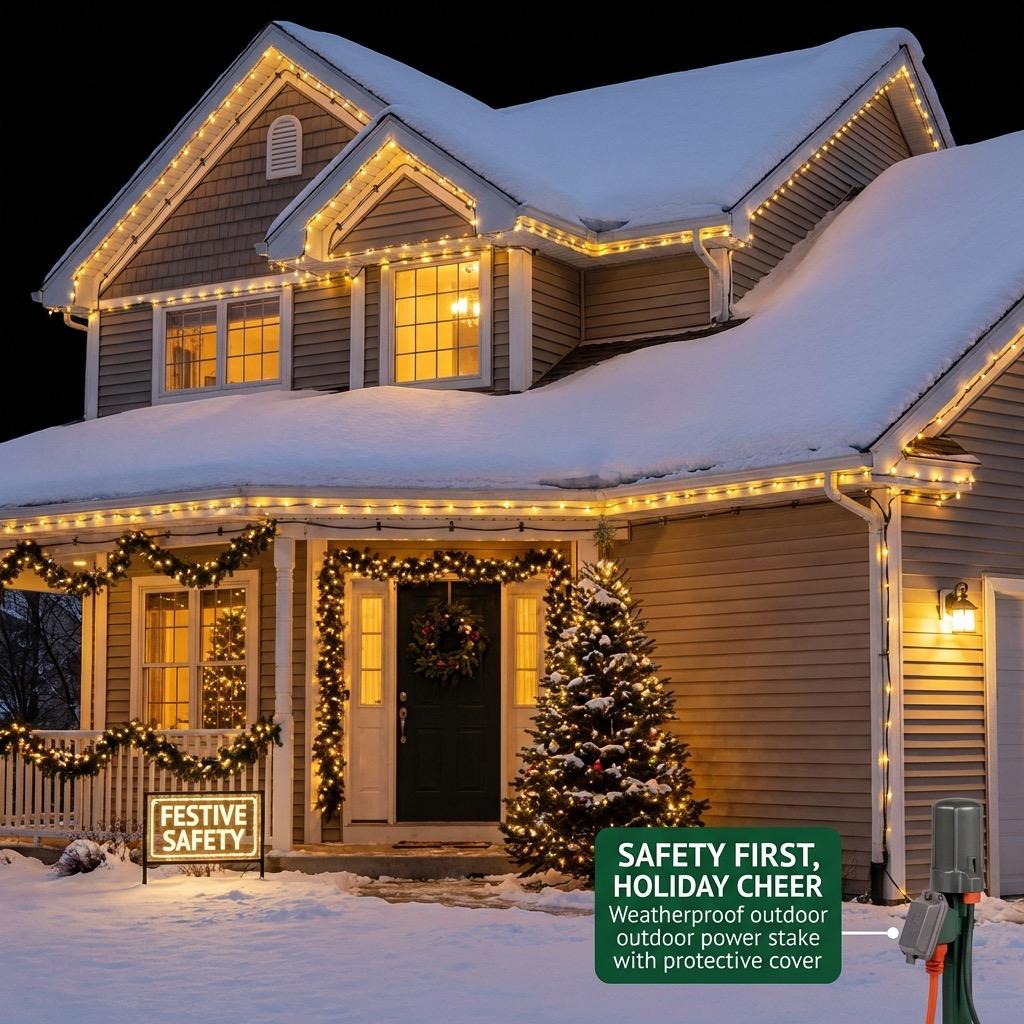
The holiday season brings beautiful light displays, but it also brings increased fire risk. The U.S. Fire Administration reports that holiday lights and decorations cause an average of 770 home fires each year. Most of these fires are preventable with proper safety practices. Here is everything you need to know about decorating safely.
Key Takeaways
- Holiday lights cause an average of 770 home fires each year -- inspect all lights before installation.
- LED lights are significantly safer than incandescent: less heat, lower fire risk, less circuit load, and longer lasting.
- Never daisy-chain extension cords and stay below 80% of circuit capacity (1,440 watts on a 15-amp circuit).
- Use timers or smart plugs to ensure lights are not left on indefinitely, and always turn off lights when sleeping or leaving home.
Choosing Safe Holiday Lights
Look for Safety Certifications
Only use lights tested by recognized laboratories:
- UL (Underwriters Laboratories)
- ETL (Intertek)
- CSA (Canadian Standards Association)
Uncertified lights may not meet safety standards and can pose fire and shock risks.
Indoor vs. Outdoor Ratings
Use lights appropriate for their location:
- Indoor-only lights should never be used outside
- Outdoor-rated lights can be used anywhere
- Check packaging for ratings - do not assume
LED vs. Incandescent
LED lights are significantly safer:
- Produce far less heat than incandescent bulbs
- Lower fire risk from contact with decorations or materials
- Use less energy, reducing circuit load
- Last longer, reducing replacement frequency
- More durable - less breakage
Inspecting Lights Before Use
Before installing any holiday lights, inspect them carefully:
Our licensed electricians have installed hundreds of EV chargers across Northern Virginia. We handle everything from panel evaluation to permit filing. Call (703) 997-0026 or request your free estimate online.
- Check for cracked or damaged sockets
- Look for frayed or exposed wires
- Test for burned-out bulbs (especially important with incandescent strings)
- Check that plugs are intact without bent or loose prongs
- Discard any damaged strings - do not attempt repair
Pro Tip: Switching to LED holiday lights is one of the simplest safety upgrades you can make. LEDs produce far less heat, use less energy (reducing circuit load), last longer, and are more durable than incandescent strings.
Safe Installation Practices
Outdoor Installation
- Use only outdoor-rated lights and extension cords
- Keep connections off the ground and out of water
- Use plastic clips designed for lights - never nails or staples that could damage wires
- Ensure GFCI protection for all outdoor outlets
- Do not pull lights taut - allow some slack for temperature changes
- Avoid overloading circuits - check total wattage
Indoor Installation
- Keep lights away from curtains, furniture, and combustibles
- Never run cords under rugs or carpets
- Avoid pinching cords in doors or windows
- Keep lights away from heating vents and radiators
- Use battery-powered candles instead of real candles
Tree Lighting Safety
- Water live trees daily - dry trees ignite easily
- Keep lights away from the trunk and main branches
- Never use electric lights on metallic artificial trees
- Use miniature lights that produce less heat
- Check lights before placing on tree
Extension Cord Safety
Proper Selection
- Use outdoor-rated cords for outdoor use
- Choose cords rated for the total wattage of connected lights
- Use the shortest cord that reaches - longer cords lose efficiency
- Heavy-gauge cords (lower AWG number) handle more load
Proper Use
- Never daisy-chain extension cords together
- Do not overload cords - check the amp rating
- Keep connections elevated and dry
- Inspect cords before each season's use
Avoiding Overloaded Circuits
Calculate Your Load
Most household circuits are 15 or 20 amps. To calculate your load:
- Add up the wattage of all lights and decorations on the circuit
- Divide by 120 (voltage) to get amps
- Stay below 80% of circuit capacity for continuous loads
- A 15-amp circuit should not exceed 1,440 watts of holiday lights
Signs of Overload
- Breakers tripping when lights are on
- Lights dimming when other devices are used
- Warm outlets or extension cords
- Burning smell from outlets or cords
Timing and Control
Use Timers
Timers reduce fire risk by ensuring lights are not left on indefinitely:
- Outdoor-rated timers for outdoor use
- Smart plugs allow remote control and scheduling
- Turn off lights when sleeping or leaving home
- Limit on-time to reduce wear and fire risk
Smart Controls
Modern smart plugs and switches offer additional benefits:
- Control lights from your phone
- Set schedules easily
- Turn off remotely if you forget
- Monitor energy usage
When to Replace Holiday Lights
Replace light strings that show:
- Any damage to wires, sockets, or plugs
- Discoloration from overheating
- Broken or cracked bulbs that cannot be replaced
- Loose connections
- Strings that flicker or dim
- Age over 10 years (consider upgrading to LED)
Post-Season Storage
Proper storage extends the life and safety of your lights:
- Store in a cool, dry location
- Avoid crushing or compressing wires
- Wind loosely on reels or in original packaging
- Label strings by location for easier installation next year
- Store outdoor and indoor lights separately
When to Call an Electrician
Contact an electrician if:
- Outdoor outlets lack GFCI protection
- You need additional outdoor circuits for displays
- Circuits trip when lights are connected
- You want permanent outdoor lighting installed
- Outlets feel warm or show damage
AJ Long Electric helps Northern Virginia homeowners prepare for safe holiday decorating. We install GFCI outlets, add outdoor circuits, and ensure your electrical system can handle your holiday display safely.
Quick Circuit Math: Add up the total wattage of all lights on a circuit, divide by 120 to get amps, and stay below 80% of circuit capacity. For a standard 15-amp circuit, that means no more than 1,440 watts of holiday lights.
Contact us today to prepare your home for safe holiday decorating.
Tags:

Written by
AJ Long Electric Team
Licensed Electricians
Our team of licensed electricians brings over 40 years of combined experience serving Northern Virginia. We're committed to providing expert electrical solutions with a focus on safety, quality, and customer satisfaction.
Reviewed by AJ Long Electric Master Electricians · VA License #2705031092 · View Credentials