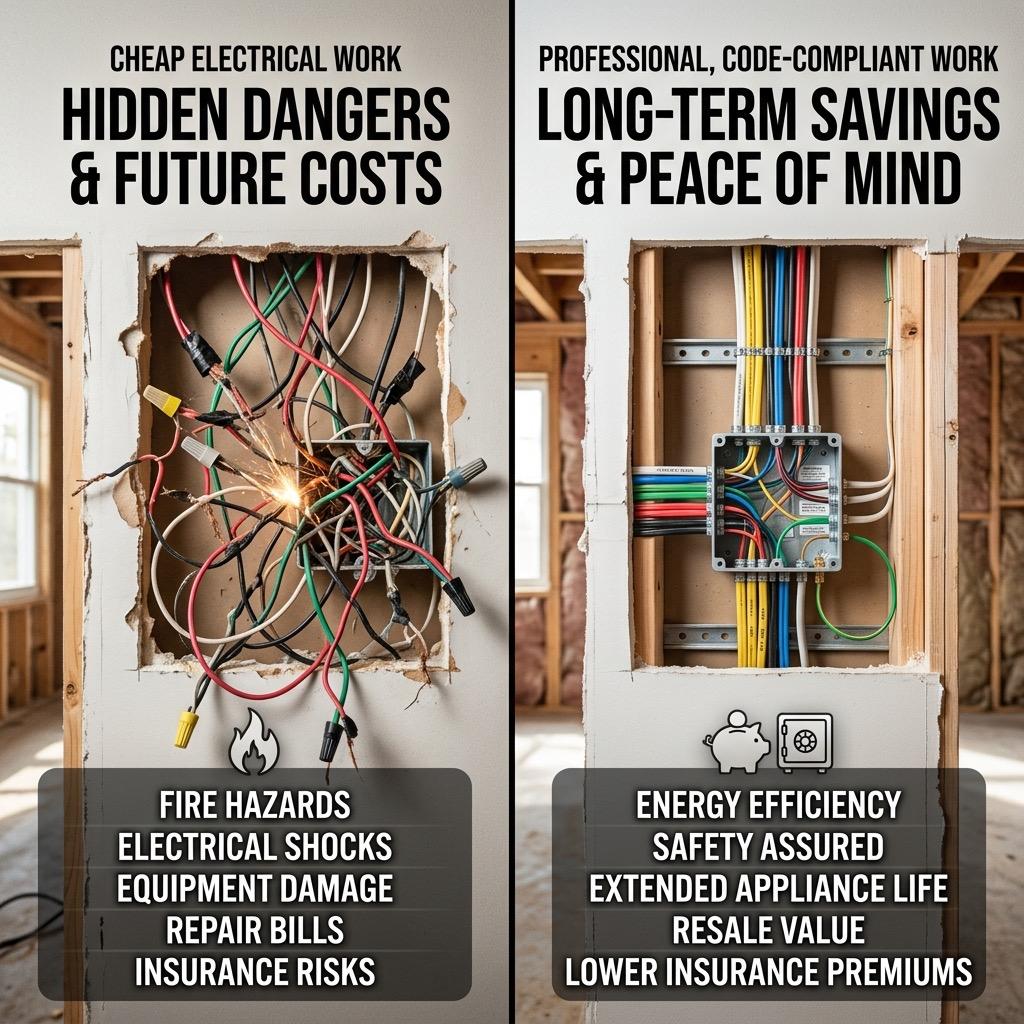

Hidden costs can add 10-30% to electrical project estimates if you are not prepared for them. Understanding these potential additions helps you budget accurately and avoid the frustrating surprises that turn a straightforward project into an over-budget headache. Northern Virginia homeowners, particularly those in older homes across Fairfax, Arlington, and Falls Church, are especially susceptible to discovery costs that surface once work begins. This guide exposes every common hidden cost so you can plan ahead.
Key Takeaways
- Hidden costs can add 10-30% to your original electrical project estimate
- The most common surprise costs come from discovery issues behind walls, code upgrade requirements, and excluded permit fees
- Always maintain a 15-20% contingency budget above the quoted price for major electrical projects
- Drywall repair, painting, and cleanup are frequently excluded from electrical quotes
- Getting detailed written quotes that address potential additional costs is your best protection
Common Hidden Costs in Electrical Projects
Discovery Issues Behind Walls
This is the single most common source of unexpected costs in electrical work. When an electrician opens a wall, ceiling, or junction box, they may discover conditions that were invisible before work began. Common discoveries in Northern Virginia homes include:
- Outdated wiring: Cloth-covered wiring, knob-and-tube wiring, or deteriorated insulation that must be replaced for safety. This is especially common in homes built before 1960 in Arlington, Falls Church, and older Fairfax County neighborhoods.
- Improper previous work: Unlicensed electrical work by previous homeowners or handymen is surprisingly common. Improper wire splices, missing junction box covers, undersized wiring, and makeshift connections must be corrected when discovered.
- Water damage: Moisture damage to wiring, junction boxes, or panels from roof leaks, plumbing issues, or basement moisture. Corroded connections and damaged insulation cannot be left in place.
- Pest damage: Rodents chewing through wire insulation is a frequent find in attics and crawl spaces throughout Northern Virginia. Damaged sections must be replaced to prevent arcing and fire hazards.
- Missing or inadequate grounding: Older homes may have ungrounded circuits that must be updated when new work is performed on those circuits.
Quality contractors acknowledge the possibility of discovery issues in their estimates. Look for language such as "Quote is based on visible conditions. Additional costs may apply if concealed conditions require remediation." This honest disclosure is a sign of a professional contractor who has experience with older homes.
Code Upgrade Requirements
When updating electrical systems, current National Electrical Code (NEC) requirements apply to the new work. This can trigger additional costs that were not part of the original project scope. Common code-driven additions include:
- AFCI breakers: Arc-fault circuit interrupters are now required for bedrooms, living rooms, dining rooms, hallways, and most other living spaces. At $30-$50 per breaker, adding AFCI protection to multiple circuits can add $200-$500 to a project.
- GFCI protection: Ground-fault circuit interrupter outlets or breakers are required in kitchens, bathrooms, garages, outdoor areas, laundry rooms, and within 6 feet of sinks. Upgrading existing standard outlets to GFCI adds $100-$200 per location.
- Tamper-resistant receptacles: All new or replaced outlets must be tamper-resistant, which costs slightly more than standard outlets.
- Additional grounding: Current code requires two ground rods for the grounding electrode system. If your home has only one or none, adding grounding adds $150-$400.
- Smoke and CO detector requirements: Some jurisdictions require updated smoke and carbon monoxide detection when electrical permits are pulled, especially during panel upgrades and rewiring projects.
Permit Costs
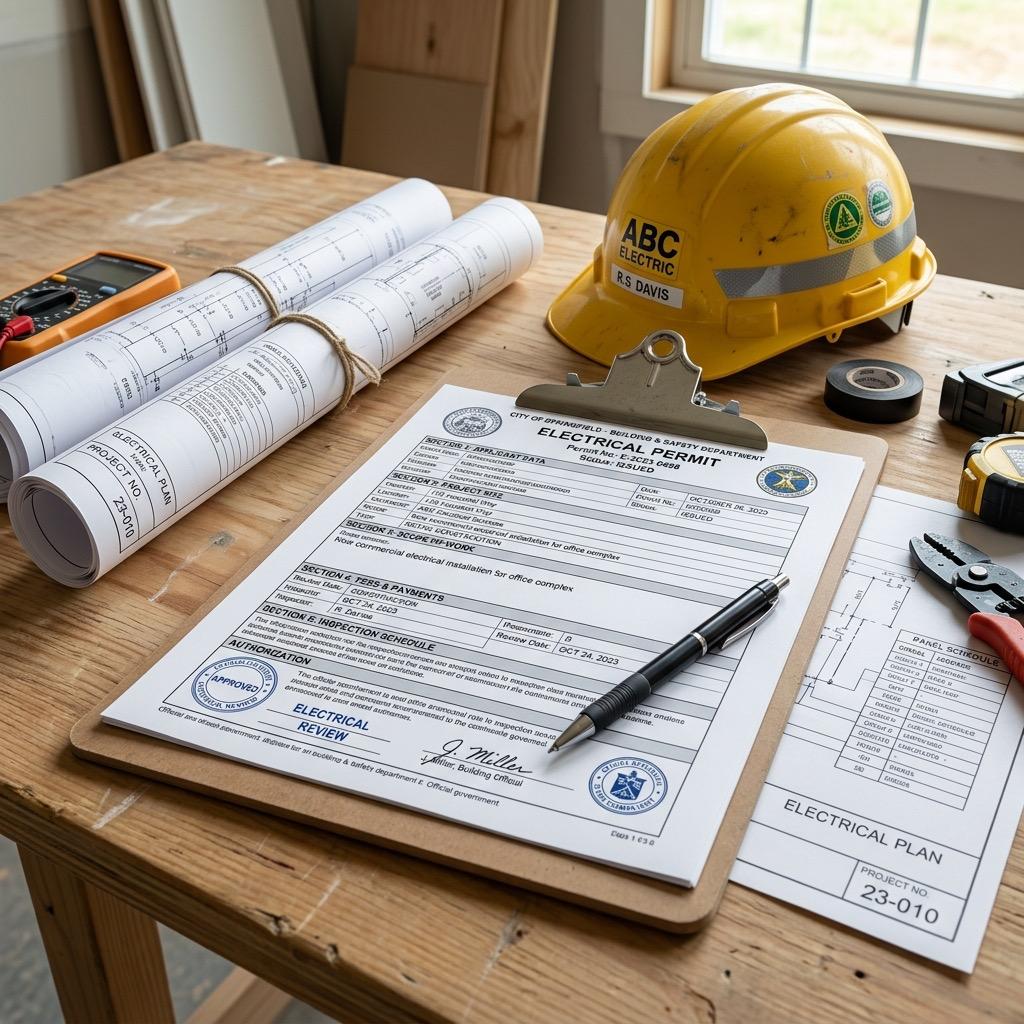
Some contractors deliberately exclude permit fees from their quotes to appear less expensive when compared to competitors who include them. This practice is misleading and should be considered a red flag. In Northern Virginia, electrical permits for common projects cost $75-$300 depending on the jurisdiction and project scope. When comparing quotes, always confirm whether permit fees are included.
Beyond the permit fee itself, some contractors cut corners by not pulling permits at all. This creates enormous risk for homeowners. Unpermitted work can void your homeowner's insurance if damage occurs, create complications when selling your home, and result in fines if the county discovers the violation. Always insist on permitted work and verify that the permit has been pulled before work begins.
Drywall Repair and Patching
Electrical work frequently requires opening walls and ceilings to route wiring. While experienced electricians minimize damage by using strategic access points and fishing wires through cavities, some drywall cuts are unavoidable, particularly for rewiring projects and long circuit runs through finished spaces.
Clarify whether your electrical quote includes drywall repair, taping, mudding, sanding, and painting, or whether that work is excluded and must be handled separately. Many electrical contractors do not perform drywall and painting work, so this cost must be budgeted separately. Depending on the extent of access holes, drywall repair can add $200-$1,000 or more to the total project cost. In homes with textured ceilings or specialty wall finishes, matching the existing texture adds further expense.
Cleanup and Debris Removal
Most reputable electricians include basic cleanup in their service, but verify this in writing. Removing old panels, scrap wire, packaging, and construction debris should be the contractor's responsibility. Some less professional operators leave behind a mess that requires your time and effort to clean up.
Less Obvious Hidden Costs
Temporary Power Arrangements
Major electrical work like panel upgrades and rewiring requires your power to be shut off for extended periods. If you need to work from home, keep a medical device running, or maintain sump pump operation during the project, temporary power arrangements may be necessary. Discuss this with your electrician during the planning phase.
Whether it is a simple repair or a major electrical project, our licensed team is ready to help. Serving all of Northern Virginia with transparent pricing and expert workmanship. Call (703) 997-0026 today.
Follow-Up Visits
Some projects require multiple visits. An initial inspection may reveal the need for materials that must be ordered, or a follow-up may be needed after the county inspection identifies corrections. Quality contractors include reasonable follow-up visits in their project pricing, but clarify this expectation upfront.
Landscaping Restoration
Projects involving underground wiring (outdoor lighting, detached garage circuits, generator installations) require trenching that disrupts landscaping. The cost to restore grass, mulch beds, and walkways may or may not be included in the electrical quote. In Prince William and Loudoun County homes with extensive landscaping, this can be a meaningful additional expense.
HOA Approval Requirements
If you live in a community with a homeowner's association, exterior electrical work such as generator installations, outdoor lighting, and EV charger mounting may require HOA approval. While there is no direct cost for the approval process, delays can impact project scheduling and potentially increase costs if labor rates change or equipment prices fluctuate during the waiting period.
How to Protect Yourself from Hidden Costs
You cannot eliminate every possible surprise, but you can minimize their impact with proactive planning.
- Get detailed written quotes: The more specific the quote, the less room for surprise charges. Every line item should be clearly defined.
- Ask about potential additional costs: Have an explicit conversation about what could increase the price and under what circumstances.
- Request a not-to-exceed price: For defined projects, ask if the contractor will cap the total price. Many will agree to a maximum for straightforward work.
- Keep a 15-20% contingency budget: For any major electrical project, set aside 15-20% above the quoted price for unexpected discoveries. If you do not need it, consider it a bonus. If you do need it, you will be glad you planned ahead.
- Get change orders in writing: If additional work is discovered during the project, insist on a written change order describing the additional scope and cost before the work is performed. Never authorize verbal additions.
The AJ Long Electric Approach to Transparent Pricing
At AJ Long Electric, we have built our reputation on honest, transparent pricing since 1996. Our quotes are detailed, our scope descriptions are thorough, and we proactively discuss potential additional costs during every assessment. We believe surprises belong at birthday parties, not on your electrical bill. When we encounter discovery issues during a project, we stop, document the finding, and discuss your options before proceeding. Contact AJ Long Electric at (703) 997-0026 to experience the difference transparent pricing makes. We proudly serve homeowners throughout Fairfax, Arlington, Loudoun, and Prince William counties.
Tags:

Written by
Matt Long
Master Electrician
Our team of licensed electricians brings over 40 years of combined experience serving Northern Virginia. We're committed to providing expert electrical solutions with a focus on safety, quality, and customer satisfaction.
Reviewed by AJ Long Electric Master Electricians · VA License #2705031092 · View Credentials