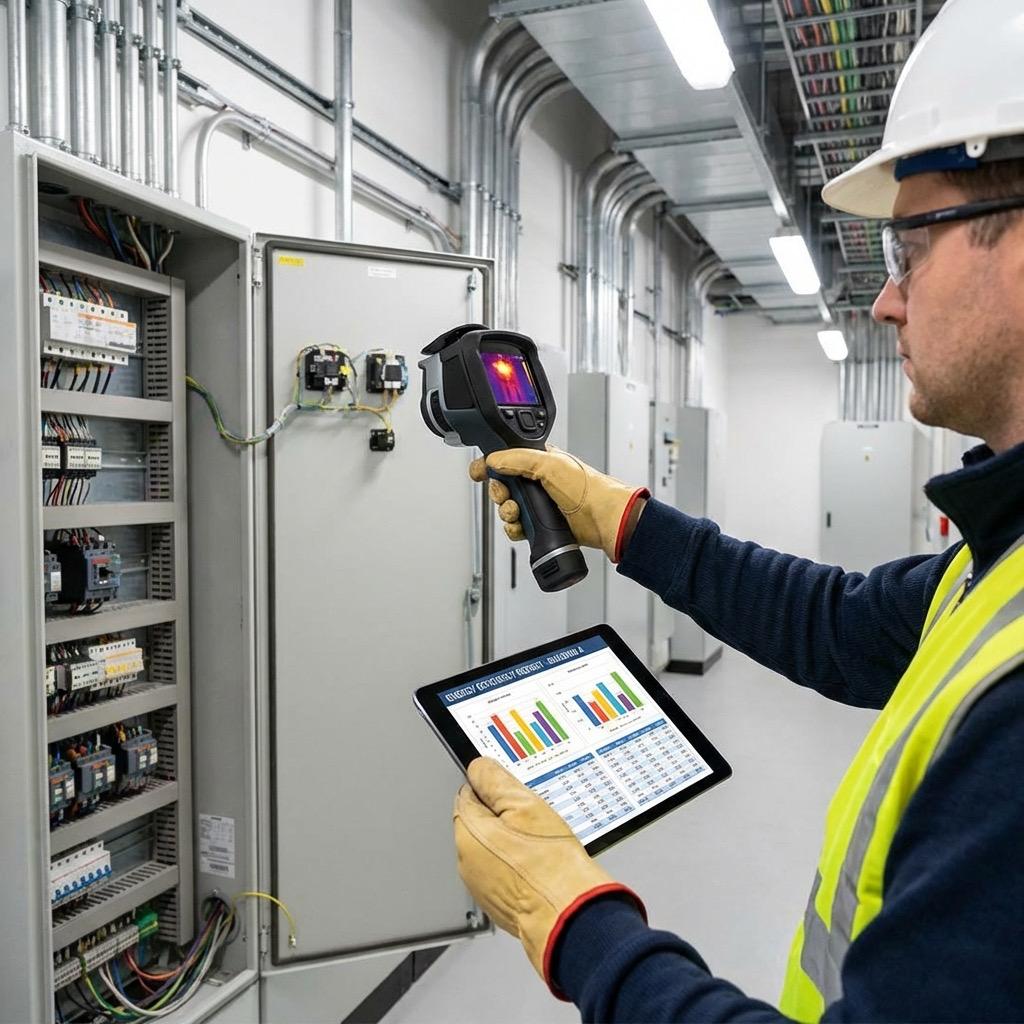
Energy costs represent a significant operating expense for most businesses across Northern Virginia and the DMV region. Yet many companies pay more than necessary due to inefficient equipment, poor controls, and missed optimization opportunities. A professional energy audit identifies these opportunities and provides a prioritized roadmap for reducing costs while improving comfort and productivity -- and the savings can be substantial for businesses operating in the NoVA market's competitive commercial landscape.
Key Takeaways
- Energy audits range from simple walk-throughs (Level 1) to comprehensive engineering analyses (Level 3), with costs and depth increasing at each level.
- Lighting upgrades to LED typically reduce lighting energy by 50-75% with payback periods of 2-4 years; combined with controls, savings can exceed 80%.
- HVAC optimization through thermostat scheduling and controls adjustments often saves 10-30% with minimal investment.
- Dominion Energy and other Virginia utilities offer significant rebates for energy-efficient upgrades, including free or subsidized audits for qualifying customers.
- Demand charge management and power factor correction can produce immediate utility bill reductions for businesses on commercial rate structures.
What Is a Commercial Energy Audit?
An energy audit is a systematic analysis of how your building uses energy. It identifies where energy is being wasted and recommends improvements. Audits range from simple walk-throughs to comprehensive engineering studies:
Level 1: Walk-Through Audit
A preliminary assessment that identifies major inefficiencies and estimates potential savings. Typically takes a few hours and provides a quick overview of opportunities.
Level 2: Energy Survey and Analysis
A more detailed study including utility bill analysis, equipment inventory, and engineering calculations. Provides specific recommendations with estimated costs and savings.
Level 3: Detailed Engineering Analysis
A comprehensive study including monitoring, energy modeling, and detailed engineering for major capital projects. Typically reserved for large facilities or major renovations.
Benefits Beyond Cost Savings
Beyond identifying savings, energy audits provide multiple benefits:
- Reduced Operating Costs: Lower utility bills improve profitability and competitiveness
- Equipment Reliability: Identifying aging or stressed equipment prevents failures
- Improved Comfort: Better controls and balanced systems improve occupant comfort
- Environmental Responsibility: Reduced energy use lowers carbon footprint
- Utility Incentives: Many utilities offer rebates for audit-recommended improvements
- Capital Planning: Audits inform equipment replacement planning
Local Resource: Dominion Energy, the primary electric utility for most of Northern Virginia, offers free or subsidized energy audits for qualifying commercial customers. Even if your business does not qualify for a free audit, the utility's rebate programs for recommended improvements can offset much of the audit cost. Ask your electrician or contact Dominion directly to learn about current program availability.
Key Areas Examined in Commercial Energy Audits
A comprehensive energy audit examines all building systems that consume electricity:
Whether it is a simple repair or a major electrical project, our licensed team is ready to help. Serving all of Northern Virginia with transparent pricing and expert workmanship. Call (703) 997-0026 today.
Lighting Systems
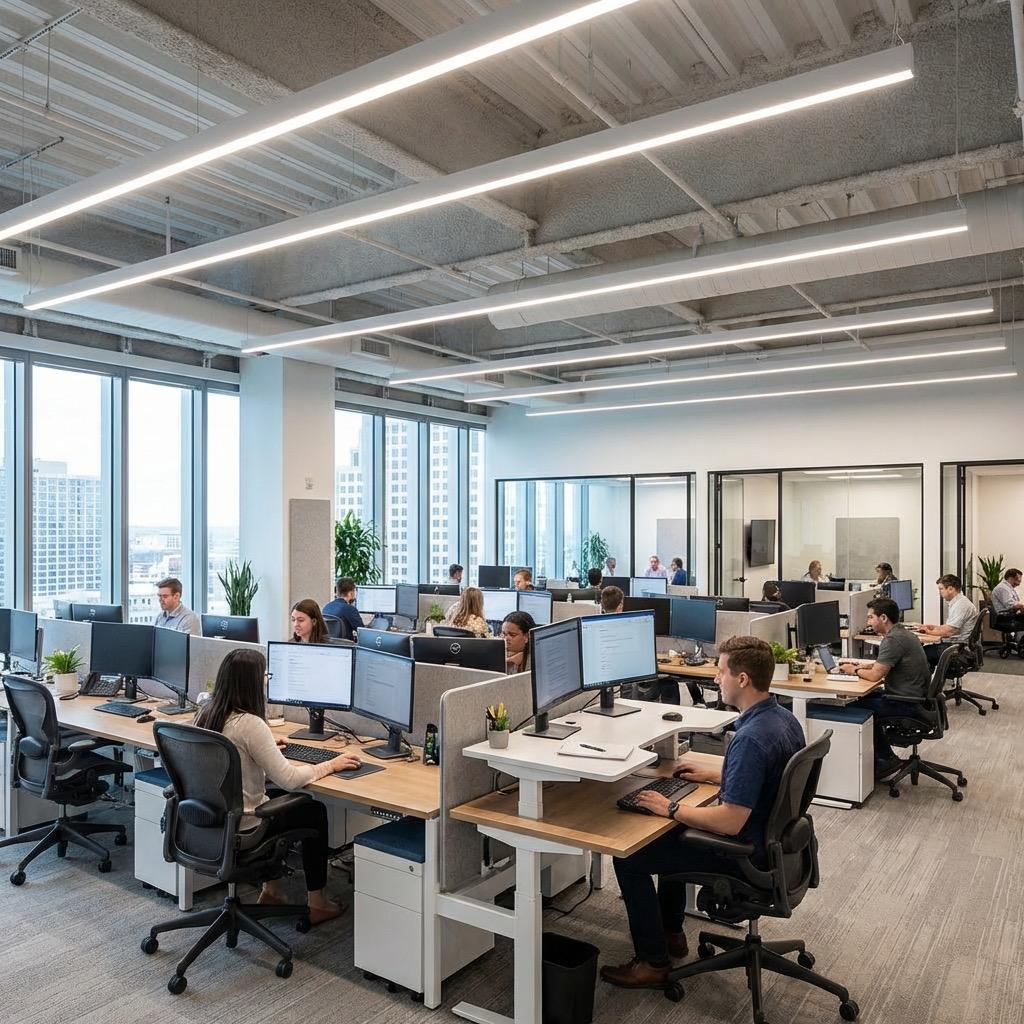
Lighting typically represents 20-40% of commercial electricity use:
- Fixture types and efficiency (LED vs. fluorescent vs. incandescent)
- Lighting levels versus actual needs
- Occupancy sensors and daylight harvesting opportunities
- Exterior lighting efficiency and controls
- Exit sign and emergency lighting efficiency
HVAC Systems
Heating and cooling often represent the largest energy use:
- Equipment efficiency ratings and condition
- Thermostat settings and programming
- Distribution system efficiency (ductwork, pumps)
- Ventilation rates versus requirements
- Economizer and heat recovery opportunities
Building Envelope
The building shell affects heating and cooling loads:
- Insulation levels in walls, roof, and foundation
- Window performance and solar gain
- Air leakage through gaps and penetrations
- Door and loading dock sealing
Plug Loads, Equipment, and Motors
Office equipment, computers, specialty equipment, and motors power fans, pumps, compressors, and machinery:
- Computer and server efficiency and power management
- Vending machine and break room equipment
- Process and production equipment efficiency
- Motor efficiency ratings and variable frequency drive opportunities
- Motor sizing versus actual loads
Common Findings and Opportunities
Based on hundreds of commercial energy audits across the Northern Virginia region, these opportunities appear frequently:
Lighting Upgrades
Converting to LED lighting typically reduces lighting energy use by 50-75% with payback periods of 2-4 years. Combined with controls, savings can exceed 80%.
HVAC Optimization
Thermostat scheduling, economizer repair, and controls optimization often save 10-30% on heating and cooling with minimal investment.
Demand Management
Many commercial utility rates include demand charges based on peak usage. Load scheduling and demand limiting can significantly reduce these charges.
Power Factor Correction
Low power factor causes utility penalties and system losses. Correction equipment pays for itself through reduced penalties and improved efficiency.
Plug Load Management
Smart power strips, computer power management, and equipment scheduling reduce after-hours waste from equipment left on.
Pro Tip: Start with your utility bills. Compare your electricity cost per square foot to industry benchmarks. For a typical office in Northern Virginia, electricity costs should run $1.50-$2.50 per square foot annually. If your costs are significantly higher, an energy audit will almost certainly identify substantial savings opportunities. We routinely find 15-30% savings for businesses that have never had an audit.
The Energy Audit Process
A typical commercial energy audit follows these steps:
- Utility Analysis: Review 12-24 months of utility bills to understand consumption patterns and identify anomalies
- Building Documentation: Gather floor plans, equipment schedules, and operating information
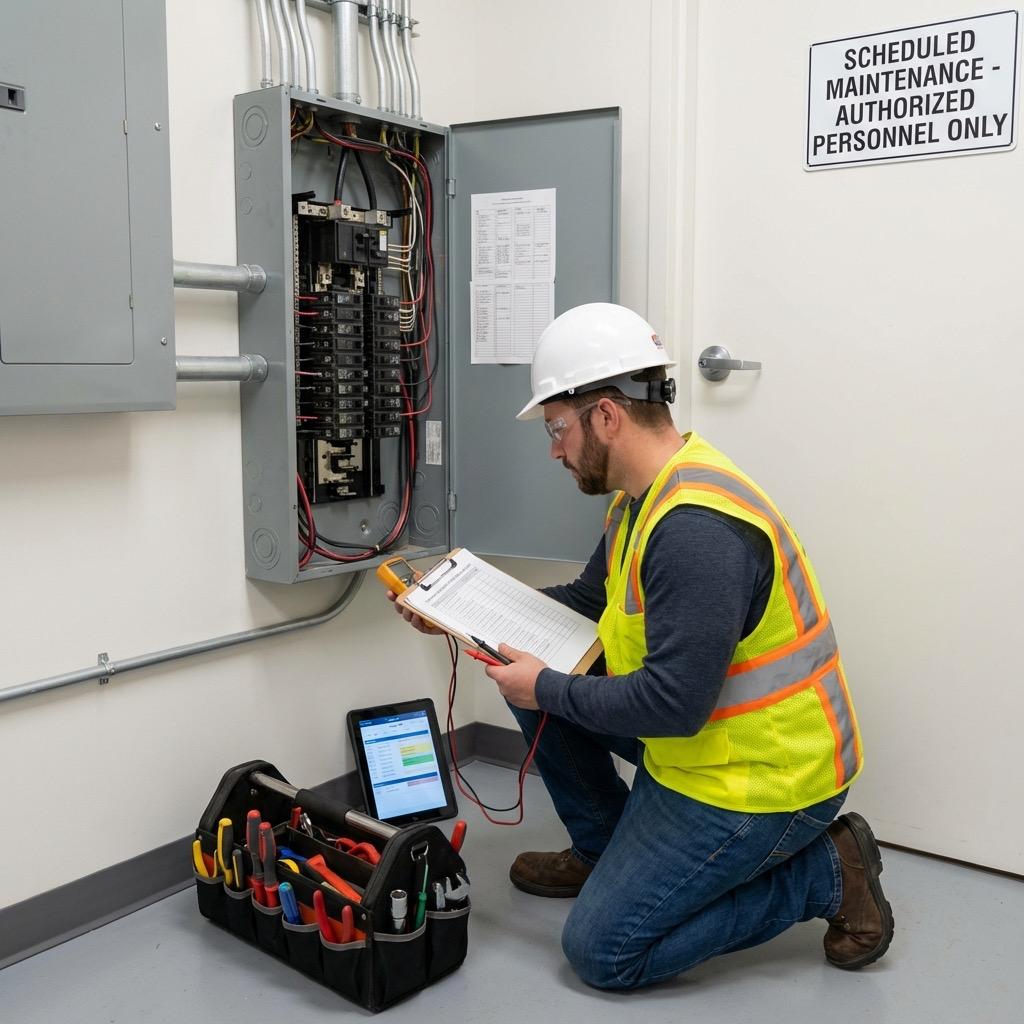
- On-Site Survey: Physical inspection of all building systems, equipment inventory, and operating condition assessment
- Data Analysis: Engineering calculations comparing actual performance to efficient baselines
- Opportunity Identification: Develop list of improvement opportunities with estimated costs and savings
- Report Preparation: Detailed report with prioritized recommendations, costs, savings, and payback calculations
- Presentation: Review findings and recommendations with building owner or manager
Prioritizing Improvements and Accessing Rebates
Energy audits typically identify more opportunities than can be implemented immediately. Prioritization considers:
- Payback Period: Quick-payback measures provide fast returns and fund longer-term projects
- Available Capital: Match recommendations to budget constraints
- Utility Incentives: Take advantage of rebates while available
- Equipment Condition: Address failing equipment before emergency replacement is required
- Operational Factors: Consider business disruption and implementation timing
Virginia Utility Rebate Programs
Virginia utilities offer significant incentives for energy efficiency improvements:
- LED lighting rebates (often $10-100+ per fixture)
- HVAC equipment rebates
- Variable frequency drive incentives
- Custom incentives for larger projects
- Free or subsidized energy audits for qualifying customers
These incentives significantly improve project economics and shorten payback periods.
Tracking Results
After implementing improvements, tracking results verifies savings:
- Compare utility bills before and after (weather-normalized)
- Monitor key equipment performance
- Document actual costs versus estimates
- Identify additional opportunities revealed by initial improvements
AJ Long Electric Energy Services
AJ Long Electric offers comprehensive commercial energy audits throughout Northern Virginia, serving businesses in Fairfax, Loudoun, Prince William, and Arlington counties. Our electricians analyze your electrical systems, identify efficiency opportunities, and provide clear recommendations with realistic cost and savings estimates. We can also implement recommended improvements and help you access utility rebates.
Contact AJ Long Electric to schedule your commercial energy audit and start reducing your operating costs today.
Tags:

Written by
Matt Long
Master Electrician
Our team of licensed electricians brings over 40 years of combined experience serving Northern Virginia. We're committed to providing expert electrical solutions with a focus on safety, quality, and customer satisfaction.
Reviewed by AJ Long Electric Master Electricians · VA License #2705031092 · View Credentials