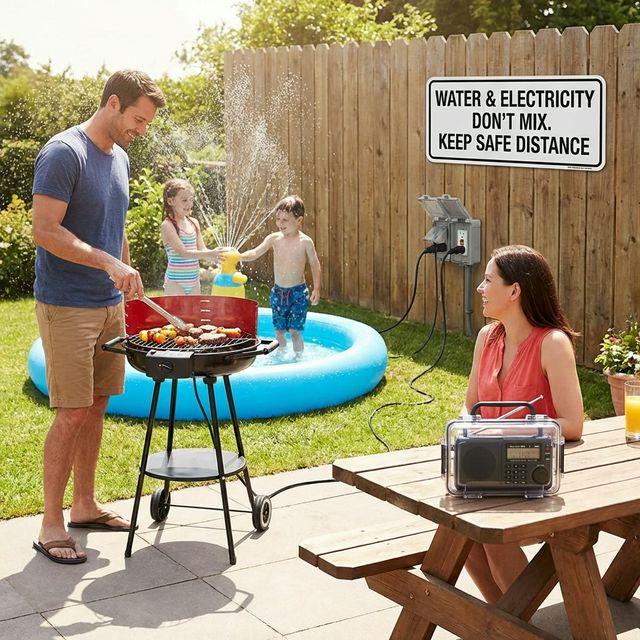
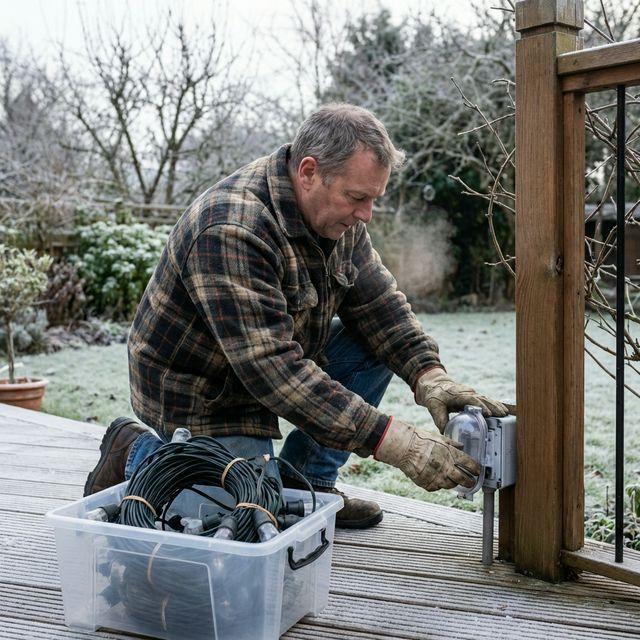
As temperatures drop in Northern Virginia, outdoor electrical systems face unique challenges. Freezing temperatures, ice accumulation, and increased moisture can damage outlets, lighting, and equipment if not properly protected. Taking time to winterize your outdoor electrical components prevents costly repairs and ensures everything works when spring arrives.
Key Takeaways
- Inspect and test all outdoor GFCI outlets before winter -- cold weather and moisture increase the risk of failure.
- Remove and store outdoor-rated extension cords rather than leaving them exposed to freezing temperatures.
- Check all weatherproof outlet covers for cracks or damage that could allow moisture intrusion during winter storms.
- Holiday lights should be outdoor-rated, UL-listed, and installed with plastic clips -- never nails or staples.
Why Winterizing Matters
Why It Matters: Water expands when it freezes. Moisture that enters outdoor electrical boxes, conduit, or fixture housings during fall rains can freeze and crack components, creating shock and fire hazards throughout winter.
Outdoor electrical components weren't designed for the harsh conditions winter brings:
- Moisture penetration: Rain, snow, and ice can enter poorly sealed enclosures
- Freeze damage: Water inside fixtures and enclosures expands when frozen
- Corrosion: Salt and moisture accelerate metal corrosion
- Brittle materials: Cold temperatures make plastics and rubber more brittle
- Weight stress: Ice accumulation stresses fixtures and wiring
Outdoor Outlets and Receptacles
Protect your outdoor outlets from winter damage:
Whether it is a simple repair or a major electrical project, our licensed team is ready to help. Serving all of Northern Virginia with transparent pricing and expert workmanship. Call (703) 997-0026 today.
Inspect Weatherproof Covers
- Check that all outdoor outlets have weatherproof covers
- Verify covers close completely and seal properly
- Replace any cracked or damaged covers
- Upgrade to "in-use" covers if current covers don't protect when cords are plugged in
Test GFCI Protection
- Test all outdoor GFCI outlets before winter
- GFCI devices are more likely to fail in cold, wet conditions
- Replace any devices that don't trip or reset properly
Seal and Protect
- Apply dielectric grease to outlet terminals to prevent corrosion
- Check caulking around outlet boxes and repair gaps
- Consider outlet covers with integrated insulation for added protection
Outdoor Lighting Systems
Landscape Lighting
- Inspect all fixtures for damage or deterioration
- Check wire connections for corrosion
- Verify fixtures are sealed against moisture
- Replace damaged lenses before ice can enter
- Consider removing delicate fixtures for winter storage
Permanent Exterior Fixtures
- Clean fixtures to remove debris that holds moisture
- Check gaskets and seals on all fixtures
- Replace bulbs with fresh ones less likely to fail in cold weather
- Tighten any loose fixtures that could be damaged by winter wind
Motion Sensors and Photocells
- Test motion sensors and photocells before winter
- Clean sensors for proper operation
- Adjust sensitivity if needed for winter conditions
- Some sensors may need recalibration for shorter winter days
Pool and Spa Electrical
Pool Closing Procedures
- Follow proper procedures to disconnect and winterize pool equipment
- Protect motor electrical connections from moisture
- Consider weatherproof covers for pool equipment
- Verify main pool disconnect is properly secured
Hot Tub/Spa Electrical
- If the spa will remain operating, ensure heating elements and controls function properly
- Check GFCI protection for spa circuits
- Inspect wiring for damage before winter
- If shutting down, follow manufacturer winterizing procedures
Outdoor Equipment
AC Units and Heat Pumps
- Clear debris from around outdoor units
- Cover AC condensers with breathable covers (not plastic)
- For heat pumps that run in winter, ensure proper drainage
- Check disconnect boxes for proper sealing
Outdoor Kitchens and Grills
- Disconnect and store portable electrical appliances
- Cover permanent outlets with weatherproof covers
- Protect lighting fixtures from moisture
- Consider turning off circuits to unused outdoor areas
Irrigation System Electrical
- Properly shut down irrigation controllers
- If the controller is outdoors, verify weatherproofing
- Disconnect power if system is being fully winterized
- Check for and repair any damage before spring startup
Extension Cords and Temporary Connections
- Bring all extension cords indoors for winter storage
- Cold weather makes cord insulation brittle and prone to cracking
- If cords must remain outside temporarily, use outdoor-rated cords and protect connections
- Never leave extension cords in standing water or snow
Preventive Measures
Weather Sealing
- Apply fresh caulk around all outdoor electrical boxes
- Check and replace worn gaskets on weatherproof fixtures
- Ensure conduit penetrations are properly sealed
Drainage
- Verify outdoor fixtures have proper drainage holes
- Clear any debris blocking drainage
- Grade soil away from outdoor electrical installations
Professional Winter Preparation
Consider professional assistance for:
- Pool electrical winterization
- Inspection of outdoor panels and disconnects
- GFCI circuit testing and replacement
- Installation of additional weatherproof protection
- Addressing any outdoor electrical concerns before winter
At AJ Long Electric, we help homeowners protect their outdoor electrical investments from winter damage. Contact us today for winterization services or to address any outdoor electrical concerns.
Tags:

Written by
AJ Long Electric Team
Licensed Electricians
Our team of licensed electricians brings over 40 years of combined experience serving Northern Virginia. We're committed to providing expert electrical solutions with a focus on safety, quality, and customer satisfaction.
Reviewed by AJ Long Electric Master Electricians · VA License #2705031092 · View Credentials