When summer temperatures soar in Northern Virginia, air conditioning becomes essential for comfort and health. However, running AC systems continuously places significant demands on your home's electrical infrastructure. Understanding these demands and preparing your system can prevent costly breakdowns and keep your family cool all summer.
Key Takeaways
- A typical 3-ton central AC draws 3,000-3,500 watts -- more than your refrigerator, washer, dryer, and dishwasher combined.
- Warning signs include AC breaker trips, dimming lights when AC kicks on, warm outlets, and unexplained energy bill spikes.
- Central AC requires a dedicated 240-volt circuit; sharing a circuit with other appliances causes overloads.
- Whole-home surge protection safeguards expensive AC equipment from summer storm surges and grid fluctuations.
How Air Conditioning Impacts Your Electrical System
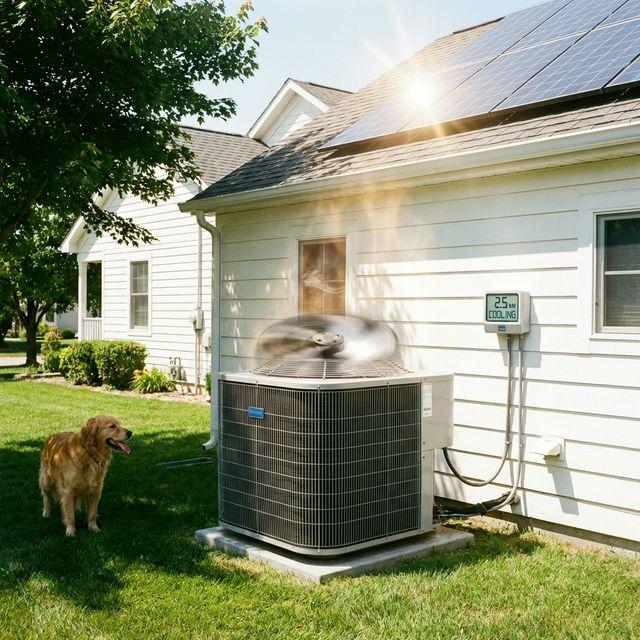
Central air conditioning systems are among the most power-hungry appliances in your home. A typical 3-ton central AC unit draws between 3,000 and 3,500 watts when running—more than your refrigerator, washer, dryer, and dishwasher combined.
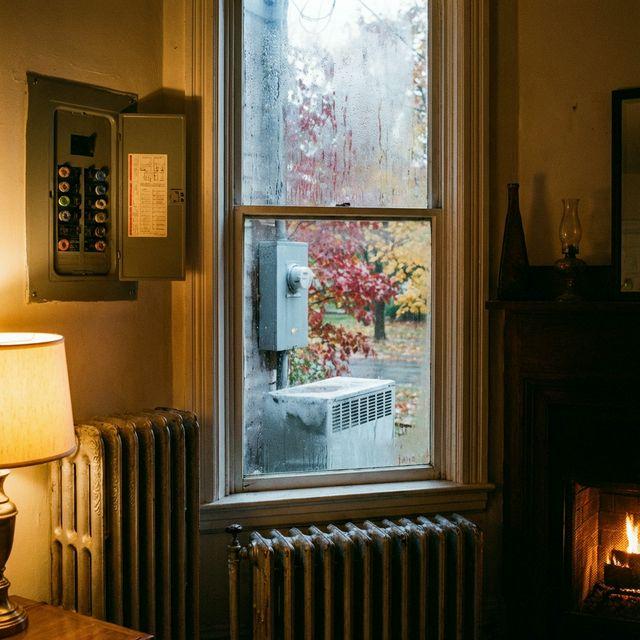
During peak summer heat, your AC may run 8-12 hours daily, consuming 24-42 kilowatt-hours of electricity. This continuous operation stresses electrical components including your panel, breakers, wiring, and outdoor disconnect.
Signs Your Electrical System Is Struggling
Watch for these warning signs that indicate your electrical system may be overtaxed by summer cooling demands:
Whether it is a simple repair or a major electrical project, our licensed team is ready to help. Serving all of Northern Virginia with transparent pricing and expert workmanship. Call (703) 997-0026 today.
- AC breaker trips: If your air conditioner's circuit breaker trips frequently, the circuit may be overloaded or the breaker may be failing.
- Dimming lights: Lights that dim when the AC kicks on suggest voltage drops from an undersized electrical service.
- Warm outlets: Outlets or switches that feel warm indicate potential wiring issues or overloaded circuits.
- AC struggles to start: Hard starting can indicate electrical supply problems or a failing compressor.
- High electricity bills: Unexplained spikes may indicate electrical inefficiencies or equipment problems.
Electrical Requirements for AC Systems
Understanding your AC's electrical needs helps ensure safe, efficient operation:
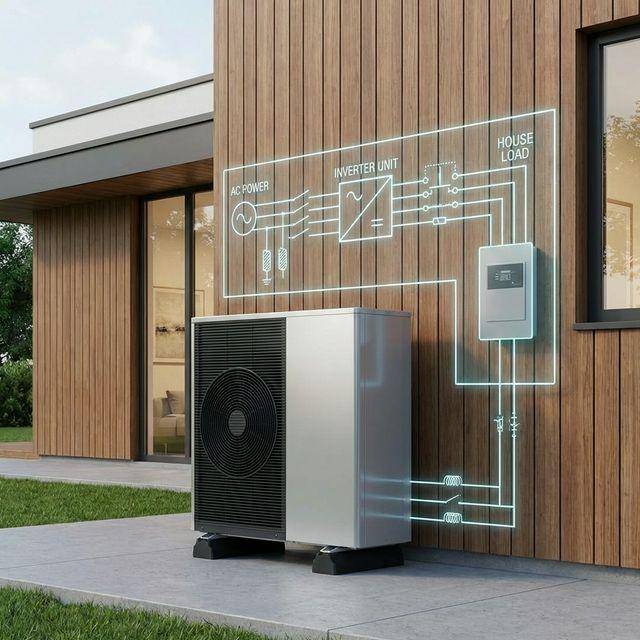
- Dedicated circuit: Central AC requires its own dedicated 240-volt circuit, typically 30-60 amps depending on unit size.
- Proper wire gauge: Wiring must match the circuit amperage—10-gauge for 30-amp circuits, 6-gauge for 60-amp circuits.
- Outdoor disconnect: Code requires a disconnect switch within sight of the outdoor unit for service safety.
- GFCI protection: Some jurisdictions now require GFCI protection for outdoor AC circuits.
Upgrading Your Electrical System for Summer
If your home struggles during summer, consider these upgrades:
Panel Upgrade
Many older homes have 100-amp or even 60-amp electrical panels that cannot support modern AC systems plus other electrical demands. Upgrading to a 200-amp panel provides capacity for current and future needs.
Dedicated AC Circuit
If your AC shares a circuit with other appliances, installing a dedicated circuit prevents overloads and ensures reliable operation.
Surge Protection
Whole-home surge protection safeguards your expensive AC equipment from power surges caused by summer storms and grid fluctuations.
Energy-Efficient Cooling Strategies
Reduce electrical demand while staying cool with these strategies:
- Smart thermostats: Program temperatures higher when away and use scheduling to reduce runtime.
- Ceiling fans: Fans allow you to set the thermostat 4°F higher while maintaining comfort, using far less electricity than AC.
- Window treatments: Block direct sunlight with blinds or curtains to reduce cooling load.
- Seal air leaks: Prevent cooled air from escaping through gaps around windows, doors, and ductwork.
- Maintain your AC: Clean filters monthly and schedule professional maintenance annually.
Energy Savings Tip: Ceiling fans allow you to set the thermostat 4 degrees higher while maintaining comfort, using far less electricity than your AC system. Smart thermostats can automate scheduling to reduce runtime when you are away.
Adding Supplemental Cooling
If you're considering adding cooling capacity, understand the electrical implications:
- Mini-split systems: Ductless mini-splits require 240-volt dedicated circuits but offer efficient zone cooling.
- Window units: Smaller units may work on existing 120-volt circuits, but larger units need dedicated outlets.
- Portable AC: While convenient, portable units are less efficient and may overload circuits when combined with other devices.
Preparing for Summer Heat
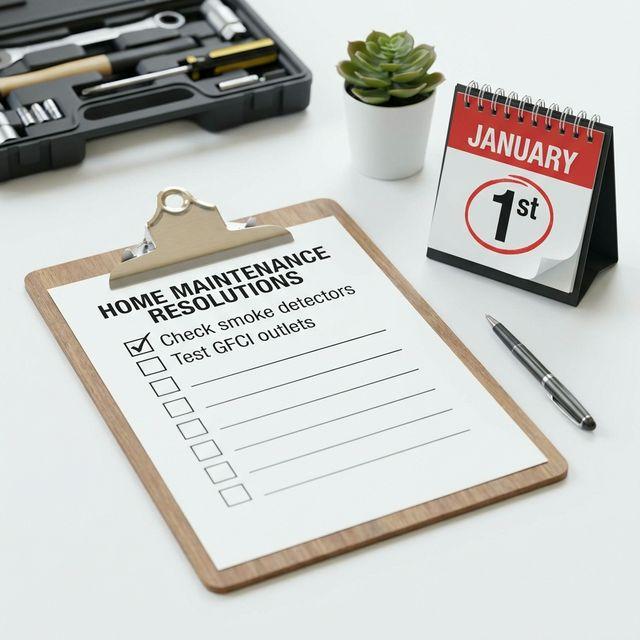
Before summer arrives, take these steps to ensure your electrical system is ready:
- Schedule AC maintenance to ensure the system operates efficiently
- Test GFCI outlets, especially outdoor receptacles
- Check that all breakers operate smoothly
- Clear vegetation away from outdoor AC components
- Consider a professional electrical inspection if your home is over 25 years old
When to Call an Electrician
Contact a licensed electrician if you experience:
- Repeated AC circuit trips
- Burning smells from outlets or the electrical panel
- Visible damage to wiring or electrical components
- Plans to add or upgrade AC equipment
- Concerns about your electrical system's capacity
Planning Ahead: If your home has a 100-amp or 60-amp panel, upgrading to 200 amps before summer prevents capacity issues and supports modern AC systems plus other demands like EV charging.
At AJ Long Electric, we specialize in preparing homes for summer electrical demands. From panel upgrades to dedicated AC circuits, we ensure your electrical system can handle whatever summer brings. Contact us today for a consultation.
Tags:

Written by
AJ Long Electric Team
Licensed Electricians
Our team of licensed electricians brings over 40 years of combined experience serving Northern Virginia. We're committed to providing expert electrical solutions with a focus on safety, quality, and customer satisfaction.
Reviewed by AJ Long Electric Master Electricians · VA License #2705031092 · View Credentials