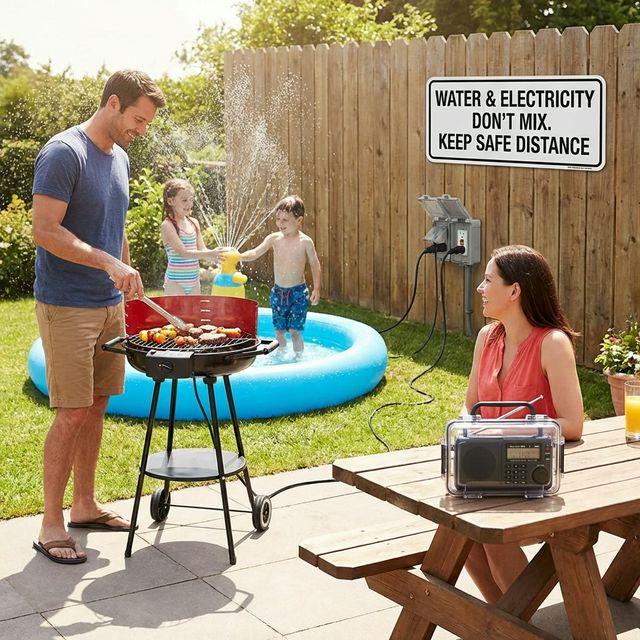
Swimming pools provide wonderful summer recreation, but they also introduce serious electrical safety concerns. Water and electricity create potentially lethal combinations, and pool-related electrocutions claim lives every year. Understanding and implementing proper electrical safety measures is essential for every pool owner.
Key Takeaways
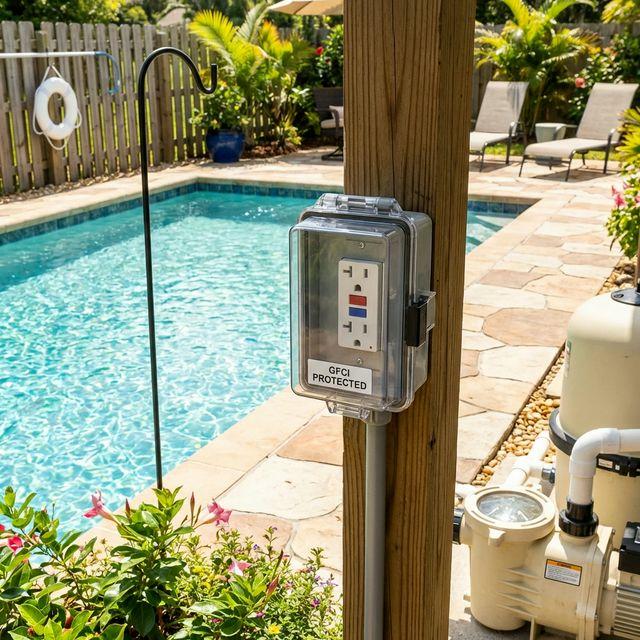
- All pool equipment must be GFCI protected and all metal components within 5 feet of the pool must be properly bonded.
- Outlets must be at least 6 feet from the pool edge -- some jurisdictions require 20 feet.
- Never use standard household extension cords near pools; all connections must be permanently installed and weather-rated.
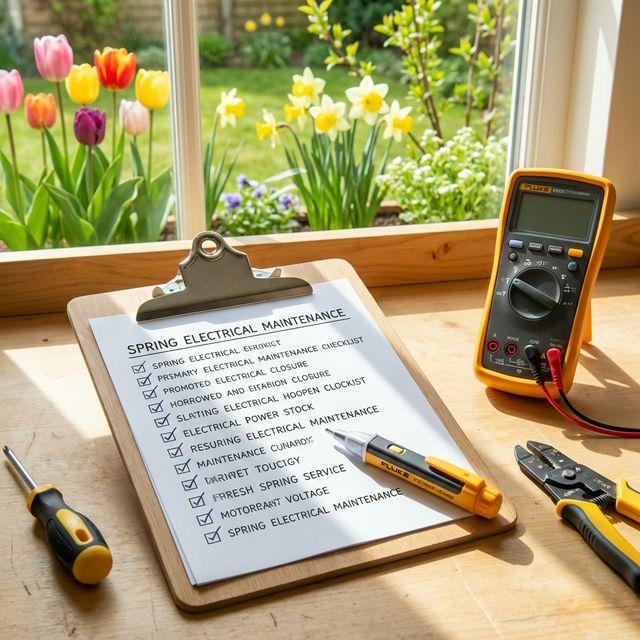
- Schedule a professional inspection of pool electrical systems at the start of every swimming season.
Understanding Pool Electrical Hazards
Safety First: Water is an excellent conductor of electricity. Even a small electrical fault near a pool can be fatal. Professional installation and annual inspection of all pool electrical systems is essential, not optional.
Electricity seeks the path of least resistance to ground—and water provides an excellent conductor. When electrical current enters pool water, it can cause:
- Electrocution: Fatal electrical shock
- Electric shock drowning: Non-fatal shock that causes muscle paralysis, leading to drowning
- Burns: Electrical burns from contact with energized equipment
- Equipment damage: Failure of pumps, heaters, and other pool equipment
Pool Electrical Code Requirements
The National Electrical Code (NEC) includes extensive requirements for pool electrical installations:
A professional electrical inspection identifies hidden hazards before they become emergencies. Our licensed electricians provide thorough safety inspections throughout Northern Virginia. Call (703) 997-0026 to schedule yours.
GFCI Protection
Ground-fault circuit interrupter protection is mandatory for:
- All outlets within 20 feet of the pool edge
- Pool pump motors
- Pool lighting circuits
- Underwater lighting
- All outdoor outlets in the pool area
Bonding Requirements
Bonding connects all metal components to prevent voltage differences:
- Pool shell reinforcing steel
- Metal pool walls
- Metal ladders and handrails
- Diving boards with metal parts
- Metal parts of pool covers
- All electrical equipment within 5 feet of the pool
- Pool water itself (through bonding lug in pump or skimmer)
Distance Requirements
Electrical components must maintain minimum distances from the pool:
- Overhead power lines: 22.5 feet above the water level
- Outlets: minimum 6 feet from pool edge (some required at 10-20 feet)
- Switches: minimum 5 feet from pool edge
- Electrical panels: typically 5 feet minimum from pool edge
Pool Equipment Electrical Safety
Pool Pumps and Motors
- Pumps require dedicated circuits with appropriate GFCI protection
- Variable-speed pumps have specific electrical requirements
- Wiring must be in approved conduit suitable for wet locations
- Disconnects must be accessible and within sight of the equipment
Pool Lighting
- Modern pool lights operate at low voltage (12V) for safety
- Older 120V lights require careful inspection and may need updating
- Light niches must be properly bonded and grounded
- Never swim with malfunctioning pool lights
Pool Heaters
- Electric heaters require substantial dedicated circuits
- Heat pumps need proper electrical connections and GFCI protection
- Gas heaters still have electrical components requiring proper installation
Warning Signs of Pool Electrical Problems
Watch for these indicators of electrical issues:
- Tingling sensations when in the pool
- Swimmer distress without apparent cause
- Flickering pool lights
- Tripping GFCI outlets or breakers
- Corrosion on metal pool components
- Unusual sounds from pump or equipment
- Burning smells near pool equipment
If anyone experiences tingling or shock in the pool, get everyone out immediately without touching the water yourself, and call 911.
Seasonal Pool Electrical Maintenance
Opening the Pool
- Have a licensed electrician inspect all pool electrical before filling
- Test all GFCI devices
- Inspect wiring for winter damage from rodents or weather
- Check bonding connections for corrosion
- Verify pool light operation before swimming
During Swimming Season
- Test GFCI outlets monthly
- Never use extension cords near the pool
- Keep electrical devices away from the pool
- Don't swim during thunderstorms
- Report any unusual sensations immediately
Closing the Pool
- Disconnect power to pool equipment properly
- Protect electrical connections from winter weather
- Cover or remove lighting fixtures if required
- Address any issues discovered during the season
Pool Electrical Upgrades
Consider these safety upgrades for your pool:
- Upgrade to low-voltage LED pool lighting
- Install variable-speed pumps with proper controls
- Add GFCI protection if your pool predates current requirements
- Update bonding if your pool has been modified
- Install outdoor outlet covers for all pool-area receptacles
Professional Pool Electrical Services
Pool electrical work requires specialized expertise. At AJ Long Electric, our licensed electricians provide:
- Pool electrical inspections
- GFCI installation and testing
- Bonding verification and repair
- Pool lighting installation and upgrades
- Pump and heater circuit installation
- Code compliance evaluations
Don't risk your family's safety with DIY pool electrical work. Contact us today for professional pool electrical services.
Tags:

Written by
AJ Long Electric Team
Licensed Electricians
Our team of licensed electricians brings over 40 years of combined experience serving Northern Virginia. We're committed to providing expert electrical solutions with a focus on safety, quality, and customer satisfaction.
Reviewed by AJ Long Electric Master Electricians · VA License #2705031092 · View Credentials