Outdoor electrical systems face challenges that indoor wiring does not -- rain, snow, extreme temperatures, and direct sunlight all take their toll. Proper installation and maintenance of outdoor electrical components is essential for safety and longevity. This guide covers everything homeowners need to know about outdoor electrical safety.
Key Takeaways
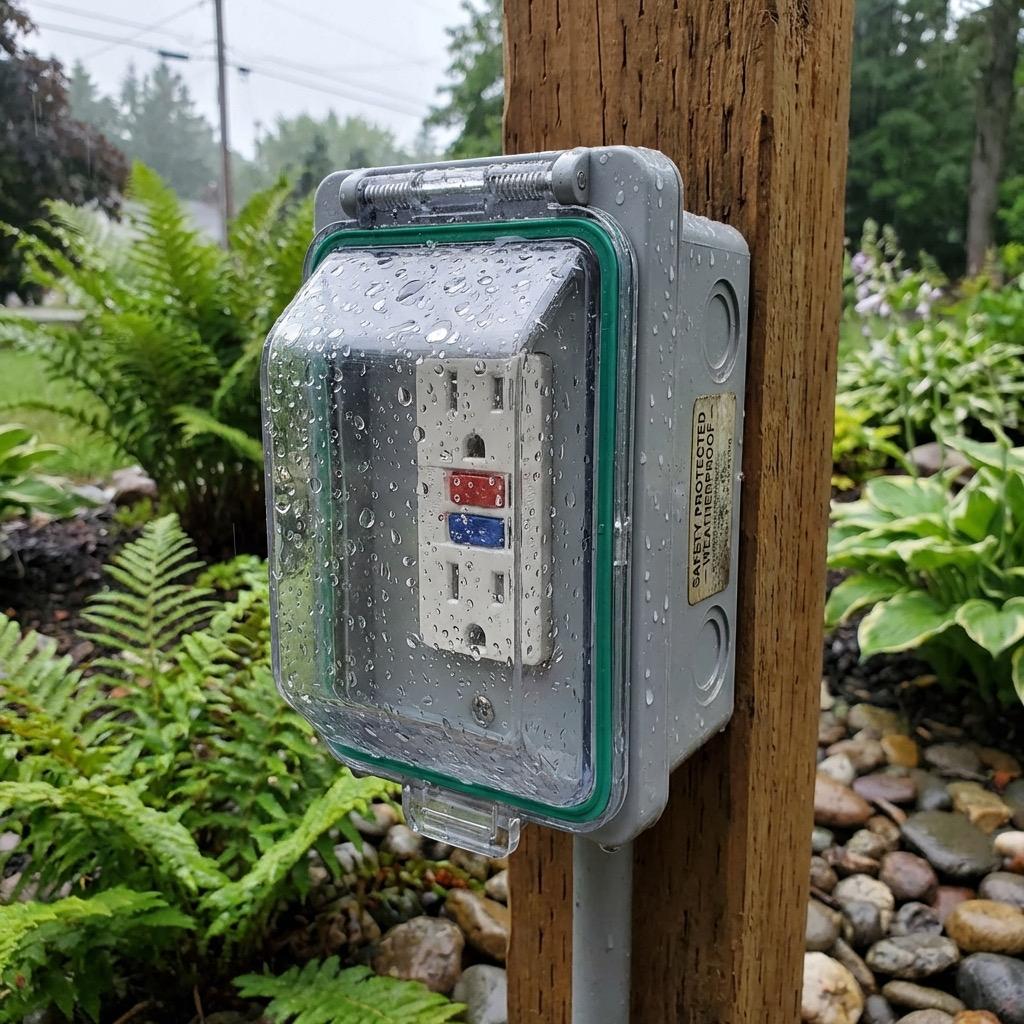
- All outdoor outlets must have GFCI protection and in-use weatherproof covers -- test monthly and after storms.
- Outdoor light fixtures must be rated for wet or damp locations depending on their exposure.
- Pool and spa electrical work has strict code requirements including bonding, GFCI protection, and minimum distances.
- Always call 811 before any digging project to have underground utilities marked.
GFCI Protection: Mandatory Outdoors
All outdoor outlets must have Ground Fault Circuit Interrupter (GFCI) protection. This requirement exists because the outdoor environment dramatically increases shock risk:
- Wet grass and soil are excellent electrical conductors
- Standing water can create shock hazards
- Users are often in direct contact with the ground
- Outdoor tools and equipment are more likely to be damaged
GFCI protection can be provided by:
- GFCI outlets installed in weatherproof boxes
- GFCI circuit breakers in your electrical panel
Test outdoor GFCIs monthly - they are more prone to failure due to environmental exposure.
Weatherproof Outlet Requirements
Outdoor outlets require special protection:
A professional electrical inspection identifies hidden hazards before they become emergencies. Our licensed electricians provide thorough safety inspections throughout Northern Virginia. Call (703) 997-0026 to schedule yours.
Weatherproof Covers
All outdoor outlets must have weatherproof covers. Current code requires in-use covers for most locations - these covers protect the outlet even when cords are plugged in.
Outlet Box Requirements
Boxes must be rated for damp or wet locations:
- Damp locations: Covered areas like porches where the outlet is protected from direct rain
- Wet locations: Fully exposed areas subject to rain, sprinklers, or flooding
Height Requirements
Outdoor outlets should be installed at least 6-12 inches above grade to prevent water intrusion during flooding or heavy rain.
Outdoor Lighting Safety
Fixture Ratings
Outdoor light fixtures must be rated for their location:
- Wet rated: For fixtures exposed to rain and weather
- Damp rated: For covered areas protected from direct rain
Using indoor-rated fixtures outside creates fire and shock hazards.
Low-Voltage Landscape Lighting
Low-voltage systems (typically 12V) are safer for landscape lighting:
- Lower shock risk if wires are damaged
- Simpler DIY installation is possible
- Energy efficient with LED options
However, the transformer must be properly installed and protected.
Line-Voltage Outdoor Lighting
Standard 120V outdoor lighting requires:
- UL-listed fixtures rated for outdoor use
- Proper burial depth for underground wiring (typically 18-24 inches)
- Conduit protection in required locations
- GFCI protection for accessible fixtures
Pro Tip: Low-voltage landscape lighting (12V) is significantly safer for yard installations than standard 120V systems. LED options are energy efficient and the lower voltage dramatically reduces shock risk if wires are damaged by lawn equipment or weather.
Pool and Spa Electrical Safety
Pools and spas present significant electrical hazards and have strict code requirements:
Bonding
All metal components within 5 feet of the pool must be bonded together - this includes:
- Pool shell (if metal or reinforced concrete)
- Ladders and handrails
- Metal fencing
- Light fixtures and poles
- Equipment motors and pumps
Equipment Location
- Outlets must be at least 6 feet from pool edge (20 feet for some jurisdictions)
- Equipment must be at least 5 feet from pool water
- All pool equipment must be GFCI protected
Underwater Lighting
Pool lights operate in a wet environment and require special care:
- Must be GFCI protected
- Special low-voltage transformers are required for 12V systems
- Fixture seals must be maintained
- Professional installation is strongly recommended
Extension Cord Use Outdoors
Use Only Outdoor-Rated Cords
Outdoor extension cords have special insulation to resist moisture, UV damage, and temperature extremes. Look for the W designation on the cord jacket.
Temporary Use Only
Extension cords are for temporary use only - not as permanent wiring solutions. If you regularly need power in a location, have an outlet installed.
Proper Routing
- Never run extension cords through water or mud
- Do not run cords through doorways or windows that might close on them
- Protect cords from foot traffic and vehicles
- Never bury extension cords
Power Tool and Equipment Safety
Double-Insulated Tools
Many outdoor power tools are double-insulated - they have extra insulation to protect against shock even if internal wiring fails. These tools typically have two-prong plugs.
Grounded Tools
Tools with three-prong plugs rely on grounding for safety. Always use the grounding prong - never remove it or use adapters that bypass it.
GFCI Use
Always plug outdoor power tools into GFCI-protected outlets. Portable GFCI devices are available if your outdoor outlets lack GFCI protection.
Underground Wiring
Buried wiring for outbuildings, landscape lighting, or other outdoor needs requires proper installation:
Burial Depth
Requirements vary by wire type and conduit:
- UF (underground feeder) cable without conduit: 24 inches
- Rigid metal conduit: 6 inches
- PVC conduit: 18 inches
Call Before You Dig
Before any digging project, call 811 to have underground utilities marked. Striking a buried power line can be fatal.
Seasonal Considerations
Winter
- Holiday lighting should be outdoor-rated and properly supported
- Check GFCI outlets before winter - cold weather can cause false trips
- Never use indoor extension cords for outdoor decorations
Spring
- Inspect outdoor outlets and fixtures for winter damage
- Test all GFCIs after the thaw
- Check landscape lighting for damage
Summer
- Pool equipment should be inspected before opening
- Ensure outdoor outlets near gardens are protected from sprinklers
- Check for insect nests in outdoor electrical boxes
AJ Long Electric installs and maintains outdoor electrical systems throughout Northern Virginia. From pool equipment to landscape lighting, we ensure your outdoor electrical installations are safe, code-compliant, and built to last.
Seasonal Reminder: Inspect outdoor outlets and fixtures each spring for winter damage, test all GFCIs after the thaw, and check for insect nests in outdoor electrical boxes before summer.
Contact us today to discuss your outdoor electrical needs.
Tags:

Written by
AJ Long Electric Team
Licensed Electricians
Our team of licensed electricians brings over 40 years of combined experience serving Northern Virginia. We're committed to providing expert electrical solutions with a focus on safety, quality, and customer satisfaction.
Reviewed by AJ Long Electric Master Electricians · VA License #2705031092 · View Credentials