Backup generators provide peace of mind during power outages, but proper electrical integration is critical for safety and functionality. The transfer switch is the key component that safely connects your generator to your home's electrical system. Here's everything you need to know about transfer switches and panel requirements.
Key Takeaways
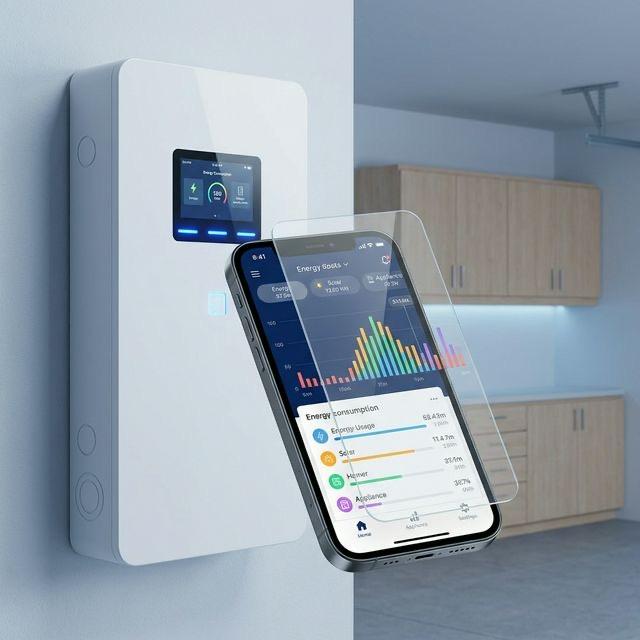
- Smart panels provide real-time energy monitoring for every circuit in your home.
- Some smart panels offer remote circuit control, allowing you to turn circuits on or off from your phone.
- Smart panels can integrate with solar systems, battery storage, and EV chargers for optimized energy management.
- The premium cost ($2,000-$5,000 above standard panels) is justified for homeowners who want granular energy control.
Why Transfer Switches Are Essential
You cannot simply plug a generator into your home's electrical system. A transfer switch is required because:
Safety Concerns:
- Back-feeding prevention: Without a transfer switch, generator power can flow back through your meter to the utility lines, potentially electrocuting utility workers
- Overload protection: Transfer switches prevent connecting too many circuits to the generator
- Proper grounding: Ensures the generator is properly grounded with your home's system
- Code compliance: NEC requires transfer switches for all generator installations
Operational Benefits:
- Clean transition between utility and generator power
- Automatic switching with standby generators
- Circuit prioritization during outages
- Protection for generator and home electronics
Best Candidates: Smart panels deliver the most value for homes with solar panels, battery storage, or multiple high-draw systems. The energy monitoring and management features can reduce electricity costs by 10-20% in these situations.
Insurance Action Items: Contact your insurance company to ask about panel requirements. Get any upgrade requirements in writing. After upgrading, provide documentation to your insurer and ask about available safety discounts.
Types of Transfer Switches
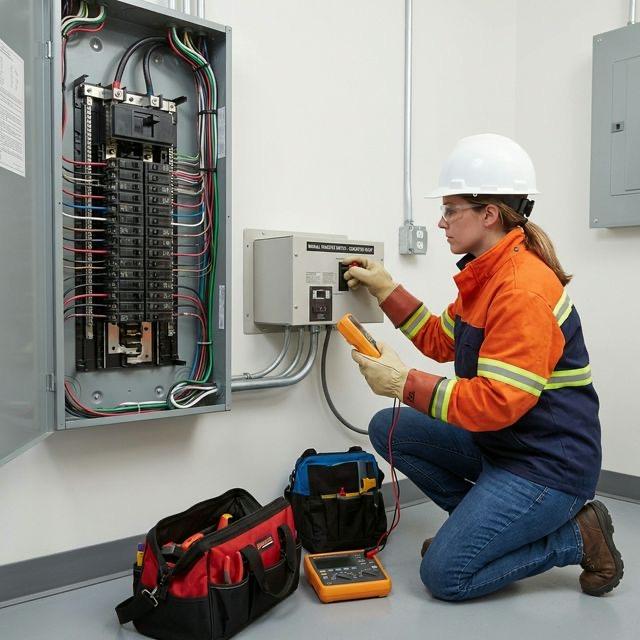
Manual Transfer Switch
Requires physical action to switch power sources.
Outdated or overloaded electrical panels are a safety risk. Our team specializes in 200-amp upgrades throughout Northern Virginia, with same-day panel assessments available. Call (703) 997-0026 to get started.
- Lower cost ($300-$800 plus installation)
- Simple, reliable mechanical operation
- Requires someone home to operate
- Typically used with portable generators
- 6-10 circuit capacity common
Automatic Transfer Switch (ATS)
Automatically switches when it detects a power outage.
- Higher cost ($800-$2,000 plus installation)
- Works even when you're away
- Required for standby generators
- Switches within seconds of outage
- Returns to utility power automatically when restored
Whole-House Transfer Switch
Switches all electrical loads to the generator.
- Requires generator sized for entire home
- Typically 100-200 amp capacity
- No circuit selection needed
- Higher generator and installation cost
Load Center Transfer Switch
Combines transfer switch with a subpanel for selected circuits.
- Pre-selected circuits automatically transfer
- Common for partial-home backup
- 10-16 circuits typical
- Balance of cost and coverage
Panel Requirements for Generator Installation
Capacity Considerations:
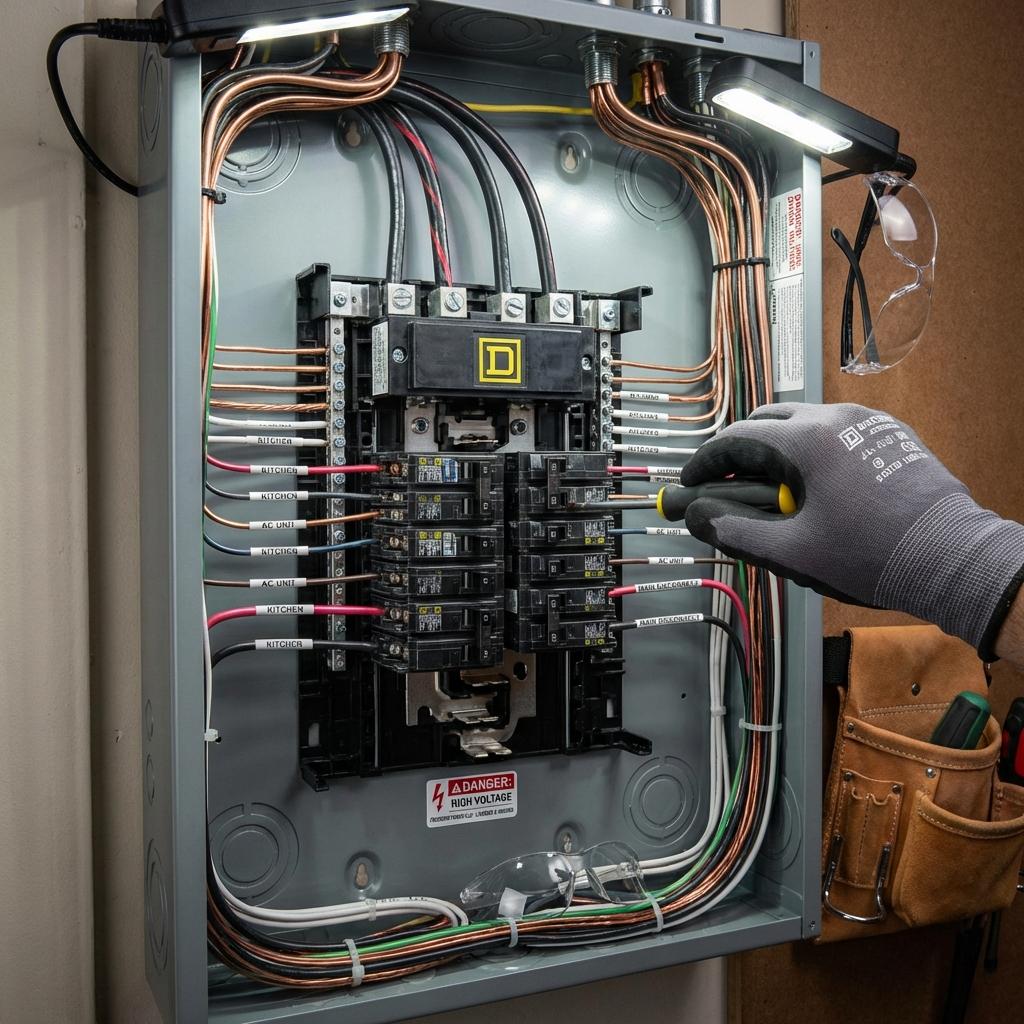
- Main panel must have space for transfer switch connection
- Interlock kits require specific breaker positions
- Subpanel-style switches need adequate feeder capacity
- Some installations require panel upgrade
Common Installation Methods:
Interlock Kit:
- Mechanical device installed on panel
- Prevents main and generator breakers from being on simultaneously
- Lower cost than standalone transfer switch
- Requires manual operation
- Must be approved for your specific panel
- Cost: $150-$400 plus installation
External Transfer Switch:
- Separate enclosure mounted near panel
- Pre-selected circuits wired to switch
- Can be manual or automatic
- More versatile than interlock
- Cost: $500-$1,500 plus installation
Generator-Ready Panel:
- Panel with built-in transfer capability
- Integrated interlock mechanism
- Generator inlet built-in or easily added
- Best option for new construction or panel upgrades
- Cost: Additional $200-$400 over standard panel
Sizing Your Generator System
Essential Circuits to Consider:
- Refrigerator: 600-800 watts
- Freezer: 500-700 watts
- Sump pump: 800-1,500 watts
- Furnace blower: 500-1,500 watts
- Well pump: 1,000-2,000 watts
- Lighting circuits: 500-1,500 watts
- Garage door: 400-600 watts
Sizing Guidelines:
- Essential circuits only: 5,000-7,500 watt generator
- Partial home: 10,000-15,000 watt generator
- Whole home (no central AC): 15,000-20,000 watts
- Whole home with central AC: 20,000+ watts
Installation Considerations
Generator Inlet Box:
- Required for portable generators
- Outdoor-rated inlet for generator connection
- Typically installed near transfer switch
- Wired to transfer switch with appropriately sized cable
Grounding Requirements:
- Separately derived systems need their own ground
- Non-separately derived systems use home's grounding
- Proper bonding at transfer switch
- Professional installation ensures compliance
Permit Requirements:
In Northern Virginia, generator installations require:
- Electrical permit for transfer switch installation
- Inspection of completed work
- Gas permit for natural gas/propane generators
- Possible mechanical permit for larger installations
Panel Upgrade Before Generator Installation
Consider upgrading your panel if:
- Your panel is full with no available spaces
- You have a Federal Pacific or Zinsco panel
- Your panel doesn't have an approved interlock option
- You want whole-house backup on an older 100 amp system
- You're planning other electrical additions
AJ Long Electric Generator Services
We provide comprehensive generator installation services including:
- Load analysis to determine generator size
- Transfer switch selection and installation
- Panel upgrades when required
- Coordination with generator suppliers
- All permits and inspections
- Integration with existing electrical system
Contact us at (703) 555-0123 to discuss your backup power needs and get started with a generator installation.
Tags:

Written by
Matt Long
Master Electrician
Our team of licensed electricians brings over 40 years of combined experience serving Northern Virginia. We're committed to providing expert electrical solutions with a focus on safety, quality, and customer satisfaction.
Reviewed by AJ Long Electric Master Electricians · VA License #2705031092 · View Credentials