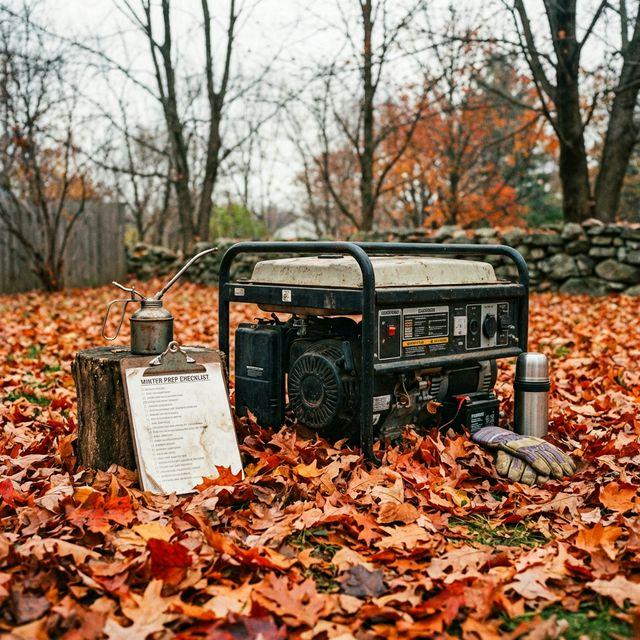
Winter in Northern Virginia brings the real possibility of extended power outages from ice storms, heavy snow, and high winds. Your generator represents your family's comfort and safety during these events—but only if it works when you need it. Fall is the perfect time for generator maintenance to ensure reliability when winter storms arrive.
Key Takeaways
- Annual fall maintenance ensures your generator is ready before winter storm season arrives.
- Key maintenance includes oil change, filter replacement, battery check, fuel system service, and a load test.
- Run portable generators under load for at least 30 minutes monthly to prevent fuel system issues and maintain readiness.
- Test automatic transfer switches annually to verify they detect outages and start the generator properly.
Why Fall Maintenance Is Critical
Timing Matters: Schedule generator maintenance in early fall, before the first storm of the season. Waiting until winter often means longer wait times for service and parts shortages during peak demand.
Generators often sit unused for months between power outages. This idle time allows problems to develop:
- Fuel deteriorates and gums up carburetors
- Batteries lose charge and may fail
- Oil breaks down and loses protective properties
- Rodents may nest in stored equipment
- Connections corrode from humidity
Discovering these problems during an outage is too late. Fall maintenance identifies and resolves issues while you still have time and resources.
Portable Generator Maintenance
Fuel System
The fuel system is the most common source of generator problems:
Never lose power again. We are authorized Generac installers serving all of Northern Virginia. From sizing to installation to maintenance, we handle every step. Call (703) 997-0026 for a free in-home assessment.
- Drain old fuel: If fuel has been sitting for more than 30 days, drain and replace it
- Add fuel stabilizer: Always use stabilizer in stored fuel
- Check fuel lines: Look for cracks, leaks, or deterioration
- Clean or replace fuel filter: Clogged filters prevent proper fuel flow
- Inspect carburetor: If the generator has starting problems, the carburetor may need cleaning
Engine and Oil
- Check oil level before each use
- Change oil annually or per manufacturer's schedule
- Use oil grade appropriate for expected temperatures
- Check for oil leaks around seals and gaskets
Air System
- Inspect and clean or replace the air filter
- Check for debris blocking air intake
- Verify proper cooling air flow
Spark Plug
- Remove and inspect the spark plug
- Clean deposits from electrode
- Check and adjust gap per specifications
- Replace if worn or damaged
Test Run
- Start the generator and let it run for 20-30 minutes under load
- Verify stable output voltage
- Check for unusual sounds or vibrations
- Confirm all outlets provide power
Standby Generator Maintenance
Permanent standby generators require additional considerations:
Battery Maintenance
- Check battery terminals for corrosion—clean if necessary
- Verify battery charge level
- Test battery under load
- Replace batteries every 3-5 years regardless of condition
Fuel System (Natural Gas/Propane)
- Inspect fuel lines for damage or leaks
- Check fuel pressure
- Verify gas shut-off valves operate properly
- For propane, check tank level and schedule refill if needed
Coolant System
- Check coolant level (liquid-cooled units)
- Inspect for leaks
- Verify radiator is clean and airflow unobstructed
- Test coolant concentration and condition
Transfer Switch
- Verify transfer switch operates correctly during exercise cycles
- Check for corrosion on contacts
- Test manual transfer capability
- Listen for unusual sounds during transfer
Exercise Cycle
- Verify weekly exercise cycle is functioning
- Adjust exercise time if needed for your schedule
- Review exercise logs for any error codes
Common Generator Problems and Solutions
Generator Won't Start
- Check fuel level and quality
- Verify battery charge (standby units)
- Check spark plug condition (portable units)
- Verify choke position and fuel valve
Generator Starts but Stalls
- Usually indicates fuel delivery problems
- Check for clogged fuel filter or carburetor
- May need carburetor cleaning or rebuild
Generator Runs Rough
- Check spark plug condition and gap
- Verify air filter is clean
- May indicate fuel quality issues
No Power Output
- Check circuit breakers on generator
- Verify outlets and connections
- May indicate voltage regulator failure
Safety Equipment Check
Ensure you have proper safety equipment for generator use:
- Carbon monoxide detectors in home (generators produce deadly CO)
- Heavy-duty, outdoor-rated extension cords
- Fuel containers in good condition
- Fire extinguisher accessible near generator location
- Flashlights and headlamps for nighttime operation
Professional Maintenance Services
Some maintenance tasks require professional attention:
- Transfer switch adjustment and repair
- Electrical connection inspection
- Fuel system repairs on standby units
- Load bank testing
- Warranty-required maintenance
- Major component replacement
Generator Winterization
Prepare your generator for cold weather operation:
- Use winter-weight oil appropriate for expected temperatures
- Keep fuel tank full to minimize condensation
- Ensure battery is fully charged (cold temperatures reduce capacity)
- Clear snow and ice from generator before operation
- Protect exhaust from blockage by snow
At AJ Long Electric, we provide professional generator maintenance and installation services. Contact us to schedule your fall generator maintenance and ensure you're ready for winter.
Tags:

Written by
AJ Long Electric Team
Licensed Electricians
Our team of licensed electricians brings over 40 years of combined experience serving Northern Virginia. We're committed to providing expert electrical solutions with a focus on safety, quality, and customer satisfaction.
Reviewed by AJ Long Electric Master Electricians · VA License #2705031092 · View Credentials