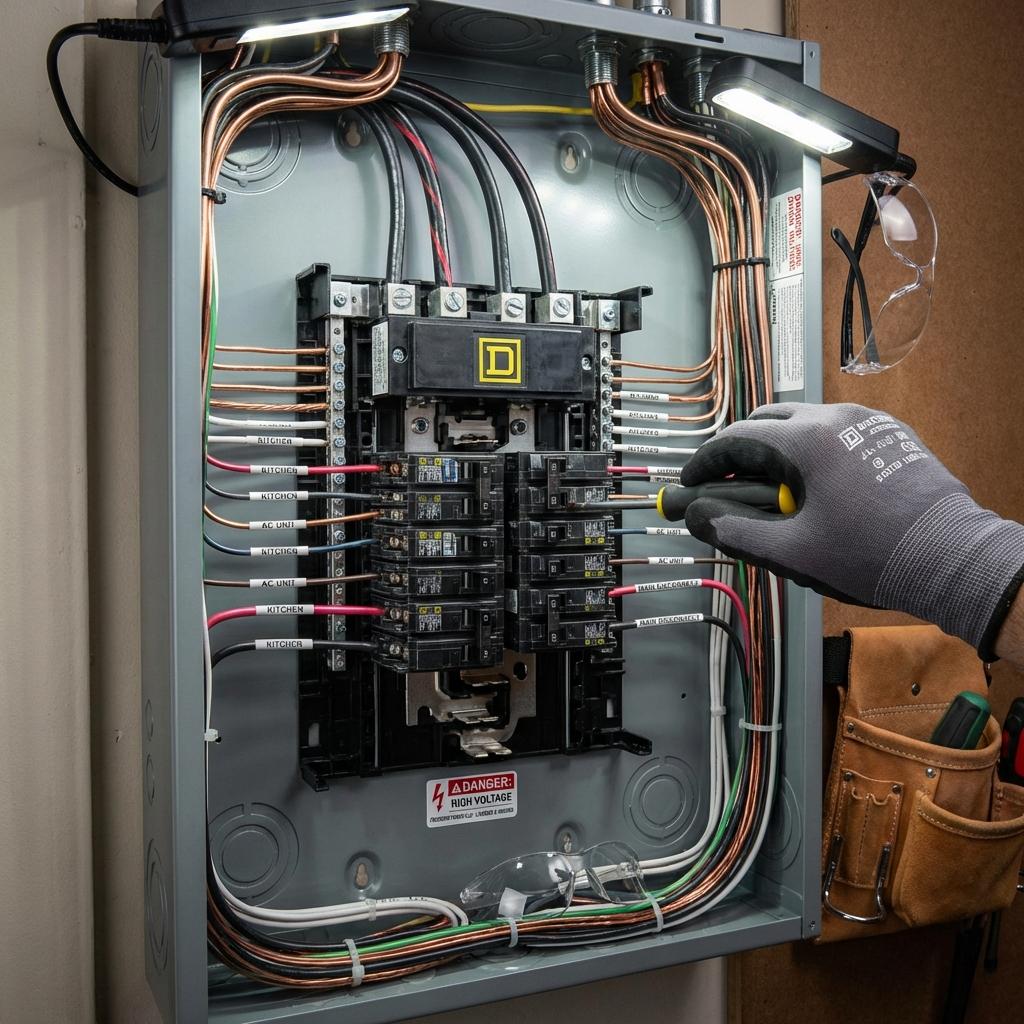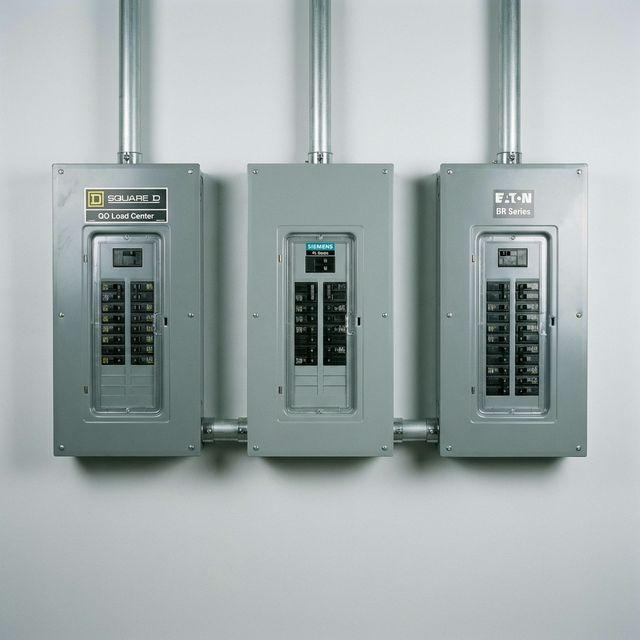
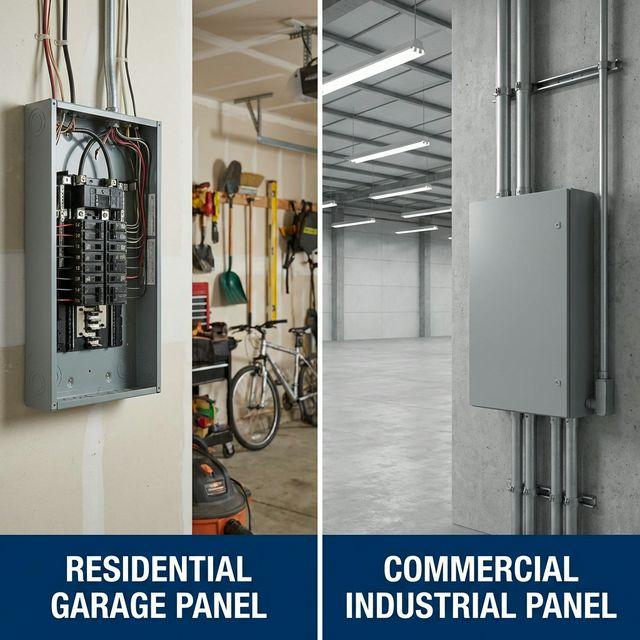
While the basic principle of distributing electrical power remains the same, commercial and residential electrical panels differ significantly in design, capacity, installation requirements, and applicable codes. Whether you're a business owner considering an expansion or a property manager overseeing mixed-use buildings, understanding these differences is essential.
Key Takeaways
- Residential panels use single-phase power (120/240V); commercial panels often use three-phase power (120/208V or 277/480V).
- Home-based businesses with commercial equipment may need specialized panels or subpanels to support three-phase loads.
- Code requirements differ significantly between residential and commercial installations.
- Converting a residential panel to support commercial loads requires professional evaluation and proper permitting.
Fundamental Differences
Voltage and Power Systems
Residential Systems:
- Single-phase, 120/240 volt service
- Typically 100 to 400 amps
- Two hot legs plus neutral and ground
- Standard for all household appliances
Commercial Systems:
- Three-phase, 120/208V or 277/480V service
- Typically 400 to 3000+ amps
- Three hot legs plus neutral and ground
- Designed for industrial motors and high-power equipment
Three-phase power delivers power more efficiently and is required for large motors, commercial HVAC systems, and industrial equipment. It provides constant power delivery rather than the pulsing power of single-phase systems.
Panel Construction
Residential Panels:
- Load centers with plug-in breakers
- Indoor installation (typically)
- Residential-grade enclosures
- Standard 1-inch breaker spaces
- Main breaker ratings up to 400 amps
Commercial Panels:
- Switchboards and panelboards with bolt-on breakers
- NEMA-rated enclosures for various environments
- Heavy-gauge steel construction
- Larger breaker formats
- Ratings from 400 amps to thousands of amps
Home Business Note: If you operate equipment designed for commercial power in your home (commercial kitchen equipment, large compressors, etc.), you may need a specialized subpanel. Consult a licensed electrician before purchasing commercial equipment.
Code and Compliance Differences
National Electrical Code (NEC) Articles
While both residential and commercial installations follow the NEC, different articles emphasize different requirements:
Outdated or overloaded electrical panels are a safety risk. Our team specializes in 200-amp upgrades throughout Northern Virginia, with same-day panel assessments available. Call (703) 997-0026 to get started.
Residential Focus:
- Article 210: Branch circuits for dwelling units
- Article 220: Load calculations for dwellings
- Article 225: Outside feeders
- AFCI requirements for living spaces
- GFCI requirements for wet areas
Commercial Focus:
- Article 240: Overcurrent protection (larger systems)
- Article 250: Grounding (more complex systems)
- Article 430: Motors
- Article 450: Transformers
- Article 700/701: Emergency and standby systems
- Article 708: Critical operations power systems
Inspection Requirements
Commercial electrical work typically requires more extensive inspections:
- Multiple rough-in inspections
- Underground inspection for larger services
- Transformer and switchgear inspections
- Fire alarm integration inspections
- Final inspection with utility coordination
Capacity and Load Considerations
Residential Load Calculations
Residential load calculations use NEC Article 220 methods, considering:
- Square footage of living space
- Kitchen and laundry circuits
- HVAC equipment
- Electric water heating
- Special equipment (EV chargers, hot tubs)
Demand factors allow for the fact that not all loads run simultaneously.
Commercial Load Calculations
Commercial calculations are more complex, considering:
- Connected load of all equipment
- Motor loads with starting current spikes
- Lighting loads based on building type
- HVAC tonnage and efficiency
- Future expansion allowance (often 25%)
- Power factor correction requirements
Installation Differences
Residential Installation
- Typically one electrician can complete installation
- Work completed in one day for panel upgrades
- Minimal coordination required
- Standard utility coordination
- Permits processed quickly
Commercial Installation
- Team of electricians required
- Multi-week installation for larger projects
- Coordination with architects, engineers, GC
- Complex utility coordination for new services
- Plan review required before permits issued
- Fire marshal approval often required
Cost Comparisons
Residential Panel Costs
- 200 amp panel: $300-$800
- Standard breakers: $5-$15 each
- AFCI breakers: $40-$60 each
- Complete upgrade labor: $1,500-$3,000
- Total project: $2,500-$5,000
Commercial Panel Costs
- 400 amp panelboard: $2,000-$5,000
- Commercial breakers: $50-$500 each
- Switchboard installations: $10,000-$50,000+
- Engineering and design: $2,000-$10,000
- Installation labor: Project-dependent
- Total projects: $15,000 to $200,000+
Special Commercial Requirements
Emergency Power Systems
Many commercial buildings require emergency power for:
- Emergency lighting and exit signs
- Fire alarm systems
- Elevator operation
- Critical equipment (data centers, hospitals)
These systems require automatic transfer switches, generator connections, and specific panel designations.
Power Quality
Commercial installations often require power quality considerations:
- Surge protection for sensitive equipment
- Power factor correction capacitors
- Harmonic filtering
- Uninterruptible power supplies (UPS)
- Isolated ground systems for electronics
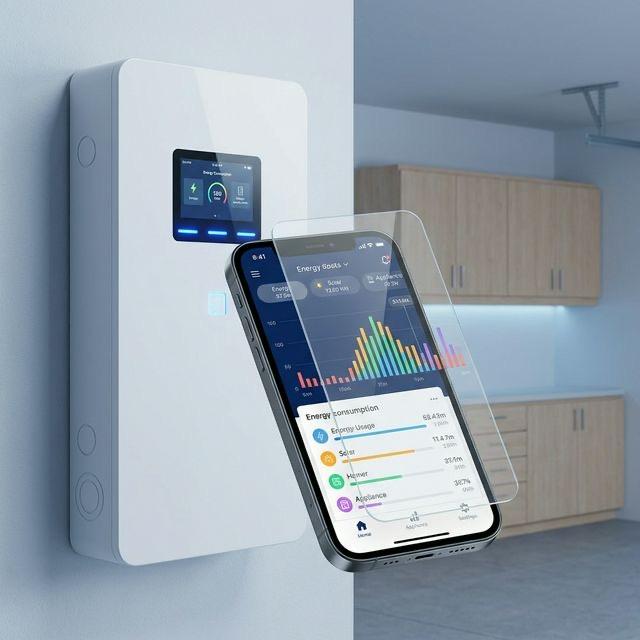
Energy Management
Commercial buildings increasingly include:
- Submetering for tenant billing
- Energy monitoring systems
- Demand response capabilities
- Building automation integration
When Residential Properties Need Commercial Equipment
Some residential properties may require commercial-grade equipment:
- Large estates over 10,000 sq ft
- Properties with multiple buildings
- Home-based businesses with heavy equipment
- Properties with large workshops
- Farms with agricultural equipment
AJ Long Electric: Residential and Commercial Expertise
At AJ Long Electric, we're equipped to handle both residential and commercial electrical projects in Northern Virginia. Our team includes electricians experienced in:
- Residential panel upgrades and service changes
- Commercial tenant improvements
- New commercial construction
- Mixed-use building electrical systems
- Industrial equipment installation
Whether you need a home panel upgrade or a commercial electrical installation, contact us at (703) 555-0123 to discuss your project.
Tags:

Written by
Matt Long
Master Electrician
Our team of licensed electricians brings over 40 years of combined experience serving Northern Virginia. We're committed to providing expert electrical solutions with a focus on safety, quality, and customer satisfaction.
Reviewed by AJ Long Electric Master Electricians · VA License #2705031092 · View Credentials